Best Medical Compression Socks for 2026: Honest Review and Buyer’s Guide
Complete guide to choosing top-rated graduated compression socks for circulation and comfort
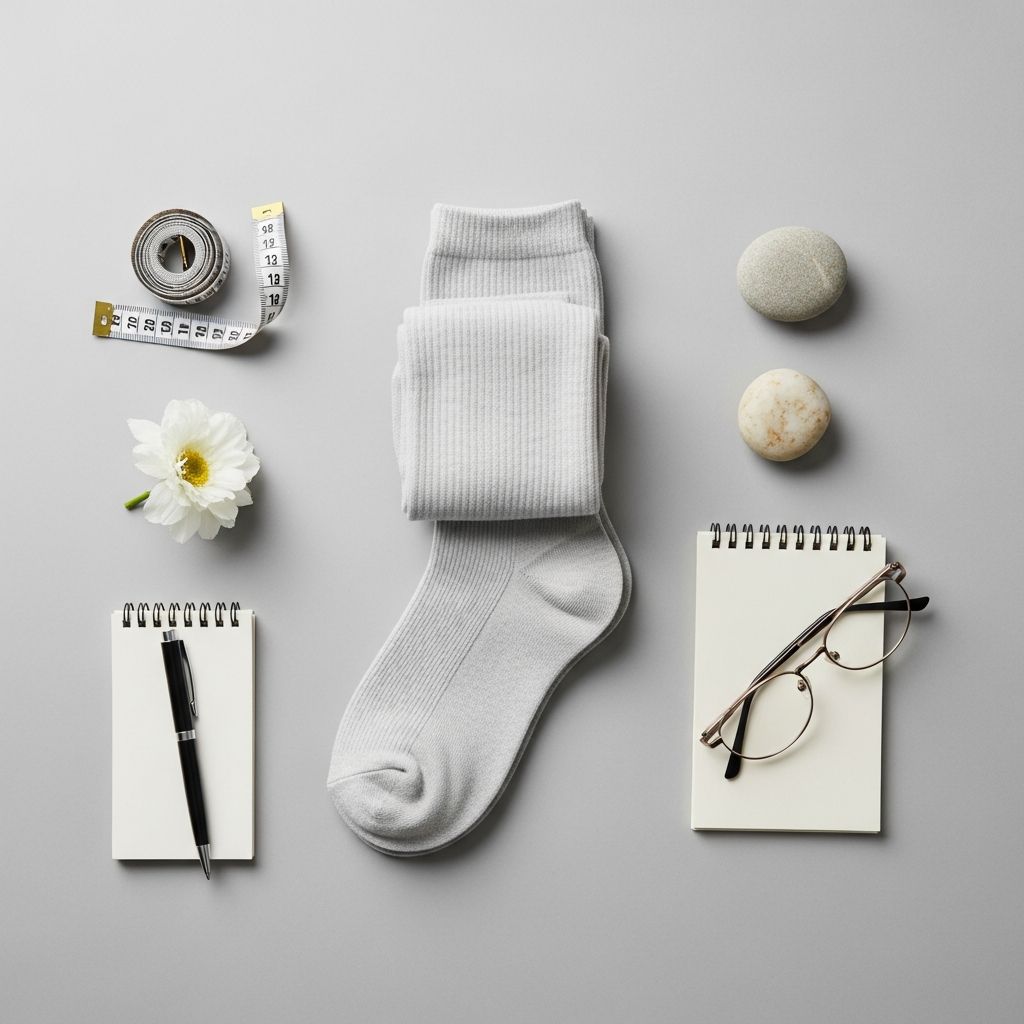
Complete guide to choosing top-rated graduated compression socks for circulation and comfort
Understanding the Best Medical Compression Socks for 2026
Compression socks have evolved from a niche medical device to a mainstream wellness product trusted by athletes, healthcare workers, and travelers worldwide. If you spend long hours on your feet, travel frequently, or struggle with circulation issues and leg swelling, finding the best compression socks for your needs can significantly improve your daily comfort and long-term vascular health. The right pair delivers graduated compression that gently pushes blood upward against gravity, reducing fatigue and swelling while maintaining breathability and all-day wearability. Modern compression sock technology combines medical-grade support with contemporary comfort fabrics, seamless construction, and stylish designs that fit seamlessly into both professional and casual lifestyles. Whether you’re a nurse managing back-to-back shifts, a frequent flyer concerned about deep vein thrombosis risk, a runner seeking enhanced performance recovery, or someone simply looking to reduce evening leg swelling, today’s best compression socks offer evidence-based support without sacrificing comfort. This comprehensive guide examines the key features, benefits, and considerations that define top-tier medical compression socks, helping you make an informed decision about which option best suits your specific situation and lifestyle needs.
About the Brand: NEWZILL GEAR
NEWZILL GEAR has established itself as a trusted name in compression sock manufacturing, with roots deeply embedded in Houston’s health and wellness community. The brand is recognized for its commitment to professional-grade compression technology combined with consumer-focused comfort innovation. NEWZILL enjoys strong endorsements from U.S. Olympic athletes who rely on their socks for performance optimization and American physicians who recommend them to patients seeking evidence-based circulatory support. The company has built its reputation by listening to feedback from real users—nurses, flight attendants, truck drivers, and athletes—and incorporating those insights into product development. NEWZILL’s approach prioritizes durability, breathability, and consistent compression across thousands of wear cycles, ensuring that customers receive reliable support whether they’re managing a single long flight or wearing compression socks daily for months. This commitment to quality and professional backing has made NEWZILL a go-to choice for those serious about circulation health and fatigue reduction.
Medical-Grade Compression Socks: Product Specifications
Medical-grade compression socks represent a significant step up from casual support hosiery, offering targeted graduated compression that addresses specific circulatory and fatigue concerns. The specifications below detail what you need to know about this category of product and the key performance indicators that distinguish quality options from basic alternatives.
| Specification | Details |
|---|---|
| Product Name | Medical Compression Socks, 20-30 mmHg Knee-High |
| Brand | NEWZILL GEAR |
| Compression Level | 20-30 mmHg (Moderate, medical-grade) |
| Length | Knee-High |
| Fabric Composition | 65% Polyamide, 35% Spandex, Latex-Free |
| Design Type | Unisex, Graduated, Seamless Toe |
| Weight | 3.2 ounces per pair |
Main Features
- Graduated Compression Technology: Pressure is strongest at the ankle and gradually decreases up the calf, promoting efficient blood flow and reducing pooling in the lower legs during extended periods of standing or sitting.
- 20-30 mmHg Medical-Grade Support: This moderate compression range is ideal for general circulation improvement, fatigue reduction, and mild swelling without requiring a prescription, making it accessible for preventive care and recovery.
- Breathable CLIMA-PRO Fabric: The blend of polyamide and spandex creates a moisture-wicking, breathable construction that keeps feet dry and cool even during extended wear or physical activity.
- Seamless Toe Design: Eliminates rubbing and irritation in the toe area, a common complaint with inferior compression socks, ensuring comfortable all-day wear without hot spots or blisters.
- 4-Way Stretch with Contoured Cuff: The dynamic stretch adapts to your leg shape, and the contoured cuff hugs the leg securely, preventing sagging, slipping, or bunching during movement, workouts, or long shifts.
Additional Features
- Reinforced Heel and Toe: High-wear areas receive extra reinforcement to withstand repeated stretching, walking, and daily machine washing without degradation, ensuring the socks maintain compression effectiveness over hundreds of wears.
- Unisex Cut and Sizing: Available in multiple sizes for both men and women, with a design that flatters various leg shapes and fits comfortably in standard work shoes, athletic footwear, and casual sneakers.
- Professional Endorsements: Trusted by Olympic athletes for performance and American physicians for clinical support, providing confidence that the compression meets genuine medical standards rather than marketing claims alone.
- Easy Care and Durability: Machine-washable on gentle cycle and air-dryer safe, the socks maintain their shape and compression properties through regular care, delivering consistent support across many months of use.
Medical-Grade Compression Socks: Reasons to Buy
- Clinically Proven Circulation Improvement: The 20-30 mmHg graduated compression is backed by medical research demonstrating that this pressure range effectively promotes venous return, reduces blood pooling in the lower extremities, and decreases the risk of blood clots during extended sitting or standing. If you suffer from varicose veins, spider veins, or general circulation concerns, compression socks at this level provide evidence-based support that actually works, not just a placebo effect. Users consistently report noticing reduced leg heaviness and swelling within the first week of regular wear.
- Significant Fatigue and Swelling Reduction: Whether your legs feel heavy and exhausted after a long workday, a cross-country flight, or an intense workout, graduated compression socks directly address the root cause by supporting blood flow against gravity. Many nurses, flight attendants, and truck drivers report dramatic improvements in end-of-day leg swelling and fatigue once they incorporate quality compression socks into their routine. The reduction in fluid pooling translates to less discomfort, better energy levels, and faster recovery after physically demanding days.
- All-Day Comfort Without Sacrifice: Unlike older compression designs that felt restrictive, binding, or uncomfortable, modern medical-grade compression socks combine effective pressure with breathable fabrics and ergonomic construction. The seamless toe, moisture-wicking CLIMA-PRO blend, and contoured fit mean you can wear these socks comfortably from early morning until bedtime without irritation, overheating, or the need for frequent adjustment. Users praise the balance between adequate compression and genuine wearability, making it realistic to achieve the consistent daily use that maximizes benefits.
- Versatile Support for Multiple Lifestyles: Whether your day involves standing in a healthcare setting, sitting in office chairs and airplanes, running or cycling, or managing pregnancy-related circulation changes, the best medical compression socks deliver appropriate support across diverse activities and professions. The unisex knee-high design works equally well under work pants, athletic gear, casual clothing, or travel outfits, eliminating the need for multiple specialized socks. This versatility makes compression socks a smart investment that pays dividends across your entire routine, not just during specific activities.
- Professional Endorsements and Proven Track Record: The backing of U.S. Olympic athletes and American physicians provides genuine reassurance that you’re purchasing a product meeting actual medical standards rather than relying solely on marketing hype. This brand reputation, combined with thousands of positive customer reviews and years of consistent manufacturing, means you can trust the product delivers what it promises. Choosing compression socks endorsed by professionals rather than unknown brands reduces risk and increases confidence that you’ll experience genuine results.
Medical-Grade Compression Socks: Directions for Use
- Select Your Correct Size: Begin by measuring your foot length and calf circumference according to the sizing chart, as improper sizing dramatically affects compression effectiveness and comfort. A sock that is too large will not deliver adequate compression, while one that is too tight may cause discomfort or restrict circulation. Taking five minutes to measure correctly ensures you receive the full benefits intended by the graduated compression design.
- Put on the Socks Properly: Sit down and gently roll the sock down into a donut shape, then slide your foot inside before unrolling it up your leg, smoothing out any wrinkles or bunching as you go. Avoid yanking or tugging aggressively, as this can damage the elastic fibers and compromise compression integrity. The sock should feel snug but not painfully tight, with the cuff sitting comfortably just below the knee.
- Wear During High-Risk Times: For maximum effectiveness, wear compression socks during periods when you’re most susceptible to fatigue and swelling, such as long flights, extended work shifts, extended periods of standing or sitting, or days when you know you’ll be particularly active. You can also wear them during recovery periods after intense workouts to support circulation and reduce soreness. Starting with targeted use, you can gradually transition to all-day wear once you’ve adjusted to the sensation and confirmed the sizing is correct.
- Maintain Consistent Daily Wear: Unlike medication that works immediately, compression socks deliver their greatest benefits through consistent, repeated use over days and weeks. Wearing them regularly allows your circulatory system to adapt and benefit from improved blood flow, while inconsistent use may result in less noticeable improvements. Most users notice meaningful reduction in swelling and fatigue within five to ten days of daily wear.
- Wash Properly to Maintain Compression: After each wear, rinse the socks in cool water or machine wash on gentle cycle using a mesh bag to protect the elastic fibers. Air dry completely by laying flat or hanging, never using a dryer, which generates heat that can degrade the spandex and reduce compression strength over time. Proper care ensures the socks maintain their graduated compression properties for six months to a year of daily use.
- Remove Before Bed Unless Medically Advised: For most users, removing compression socks before sleeping allows the legs to rest and the skin to breathe, reducing the risk of skin irritation or discomfort during sleep. However, if you have specific medical conditions or have been advised by a physician to wear compression 24/7, follow that medical guidance instead. Standard use involves wearing during waking hours and removing at bedtime to balance benefits with comfort and skin health.
Medical-Grade Compression Socks: Pros & Cons
Pros
- Proven Compression Level: The 20-30 mmHg graduated compression is strong enough to deliver genuine medical benefits without requiring a prescription, making it accessible for prevention and mild-to-moderate circulation concerns.
- Exceptional Breathability: The CLIMA-PRO fabric blend wicks moisture effectively, keeping feet dry and preventing the overheating and odor issues that plague many compression sock designs, enabling realistic all-day wear.
- Superior Comfort Design: The seamless toe, 4-way stretch, contoured cuff, and smooth fabrication eliminate common irritation points that make inferior compression socks unwearable for most people, making comfort genuine rather than theoretical.
- Durable Construction: Reinforced heel and toe areas plus quality elastic fibers mean these socks withstand hundreds of wears and washes without significant degradation, delivering exceptional value over their lifespan.
- Professional Backing: Endorsements from Olympic athletes and physicians provide credibility and reassurance that you’re purchasing a legitimate medical-grade product, not a gimmick or underpowered alternative.
- Versatile Unisex Design: The knee-high cut and neutral styling work across professional, athletic, and casual contexts, eliminating the need to purchase multiple pairs for different situations.
- Easy Care: Machine-washable on gentle cycle and air-dry safe, these socks integrate seamlessly into standard laundry routines without requiring special treatment or hand washing.
Cons
- Initial Adjustment Period: Some users find the compression sensation feels tight or unusual during the first few days of wear, though most adapt within a week once their body adjusts to the graduated pressure.
- Sizing Importance: Correct sizing is critical for both comfort and effectiveness, and selecting the wrong size can result in either insufficient compression or uncomfortable tightness, requiring a potential exchange.
- Cost Consideration: Quality medical-grade compression socks represent a larger upfront investment than basic hosiery, though the durability and health benefits justify the cost for most users over time.
Medical-Grade Compression Socks: Is It Worth Buying?
For anyone experiencing leg fatigue, swelling, or circulation concerns—whether related to profession, travel, athletics, pregnancy, or general health—medical-grade compression socks at the 20-30 mmHg level represent a worthwhile investment in comfort and vascular health. The combination of proven compression technology, professional endorsements, superior breathability, and genuine durability means you’re purchasing a product that actually delivers measurable benefits rather than relying on marketing claims. If you spend extended periods on your feet or sitting, travel frequently, are concerned about circulation health, or seek to enhance athletic recovery, these socks will likely provide noticeable improvement in how your legs feel and function. The relatively modest cost, especially when amortized across months of daily wear, makes the value proposition strong for most health-conscious consumers. However, if you have severe circulation issues or medical conditions, consult your physician to confirm that 20-30 mmHg compression is appropriate for your specific situation, as some individuals may require higher or lower compression levels.
Medical-Grade Compression Socks: Final Thoughts
Medical-grade compression socks have transformed from a specialty medical device into an accessible wellness tool that delivers genuine, measurable benefits for circulation, fatigue reduction, and leg comfort. The best options in this category combine effective graduated compression with modern comfort technologies—breathable fabrics, seamless construction, contoured fits, and durable elastic—that make consistent daily wear realistic and enjoyable rather than a chore. Whether you’re standing for eight-hour nursing shifts, managing post-workout recovery, preparing for a long flight, dealing with pregnancy-related circulation changes, or simply seeking to improve how your legs feel at the end of the day, quality compression socks provide evidence-based support that actually works.
The difference between medical-grade compression socks and basic support hosiery lies in consistent pressure delivery, fabric quality, construction durability, and the backing of real scientific evidence and professional endorsements. Choosing socks trusted by Olympic athletes and recommended by American physicians ensures you’re investing in a legitimate product rather than falling for inflated marketing claims. The 20-30 mmHg compression level strikes an ideal balance, offering substantial medical benefits without requiring a prescription, making it appropriate for both preventive care and management of mild-to-moderate circulation concerns.
When you consider the relatively modest cost, the durability lasting six months to a year of daily wear, and the potential health benefits and comfort improvements, medical-grade compression socks emerge as one of the most cost-effective wellness investments available. Rather than accepting leg swelling, fatigue, and discomfort as inevitable consequences of your lifestyle or profession, compression socks offer a practical, non-pharmaceutical approach to supporting your circulatory health and improving daily comfort. For most people, the transition from leg heaviness and fatigue to noticeably lighter, more comfortable legs within the first week of consistent wear makes the decision to purchase worthwhile. Invest in quality compression socks that deliver genuine medical-grade support, and you’ll likely find yourself wondering why you didn’t make the switch sooner.
Frequently Asked Questions
Are medical compression socks safe to wear every day?
Yes, medical-grade compression socks at the 20-30 mmHg level are safe for daily all-day wear in most cases, and many people choose to wear them consistently to maximize circulatory benefits. However, most experts recommend removing them at bedtime to allow your skin to breathe and your legs to rest, unless a physician has specifically advised 24/7 compression for your particular condition. If you experience any pain, numbness, or skin irritation, discontinue use and consult your healthcare provider to ensure the compression level is appropriate for your individual needs.
How long does it take to notice results from compression socks?
Most users report noticing meaningful improvements in leg swelling and fatigue within five to ten days of consistent daily wear, though some people experience benefits within the first day or two. The full benefits typically become apparent after two to three weeks of regular use, as your circulatory system adapts to the improved blood flow. Individual results vary based on the severity of your circulation concerns, your overall health, and consistency of wear, so patience during the first week is important before concluding whether the product is effective for you.
Can I wear compression socks under regular pants or work clothes?
Absolutely, the knee-high length and slim profile of quality compression socks make them discreet enough to wear under regular work pants, jeans, casual pants, or professional clothing without creating visible bulk or lines. Most people find that compression socks worn under standard business attire or casual pants are completely undetectable to observers, allowing you to gain the benefits without having to modify your wardrobe or reveal the socks. This versatility makes it realistic to wear compression socks throughout your entire workday without any self-consciousness.
How do I know if I have the correct compression level?
The 20-30 mmHg compression level is appropriate for general circulation improvement, fatigue reduction, mild swelling, and athletic recovery, making it suitable for most people without medical complications. However, if you have severe varicose veins, significant swelling, a history of blood clots, or other serious circulatory conditions, consult your physician to confirm that this compression level is adequate or if you need higher compression. Proper sizing also affects whether you’re receiving appropriate compression, so measuring your calf and foot accurately according to the manufacturer’s chart is essential for optimal results.
Will compression socks help with my specific condition?
Medical-grade compression socks are clinically shown to improve circulation, reduce swelling, decrease fatigue, and support recovery from intense activity, making them beneficial for a wide range of conditions including varicose veins, poor circulation, pregnancy-related swelling, airline travel, athletic recovery, and occupational fatigue. However, the effectiveness for your specific situation depends on the underlying cause of your symptoms and the severity of your condition. If you have a diagnosed medical condition or are unsure whether compression socks are appropriate for you, discuss your specific situation with your healthcare provider before purchasing.
How should I care for compression socks to maintain their effectiveness?
Machine wash your compression socks on a gentle cycle using cool water in a mesh bag, then air dry completely by laying flat or hanging—never use a clothes dryer, as heat damages the spandex and reduces compression strength. Avoid bleach, fabric softener, and ironing, which also degrade the elastic fibers and compromise compression integrity. With proper care, quality compression socks maintain their graduated compression properties for six months to one year of daily use before the elastic begins to weaken and you should consider replacing them.
Similar Articles



Read full bio of Sneha Tete