Using a Home Ice Cream Maker in Apartments: Space, Smell, and Noise Management Guide
Practical strategies for using home ice cream makers in apartments and shared kitchens without clutter, odors, or noise complaints.
Using a Home Ice Cream Maker in Apartments and Shared Kitchens
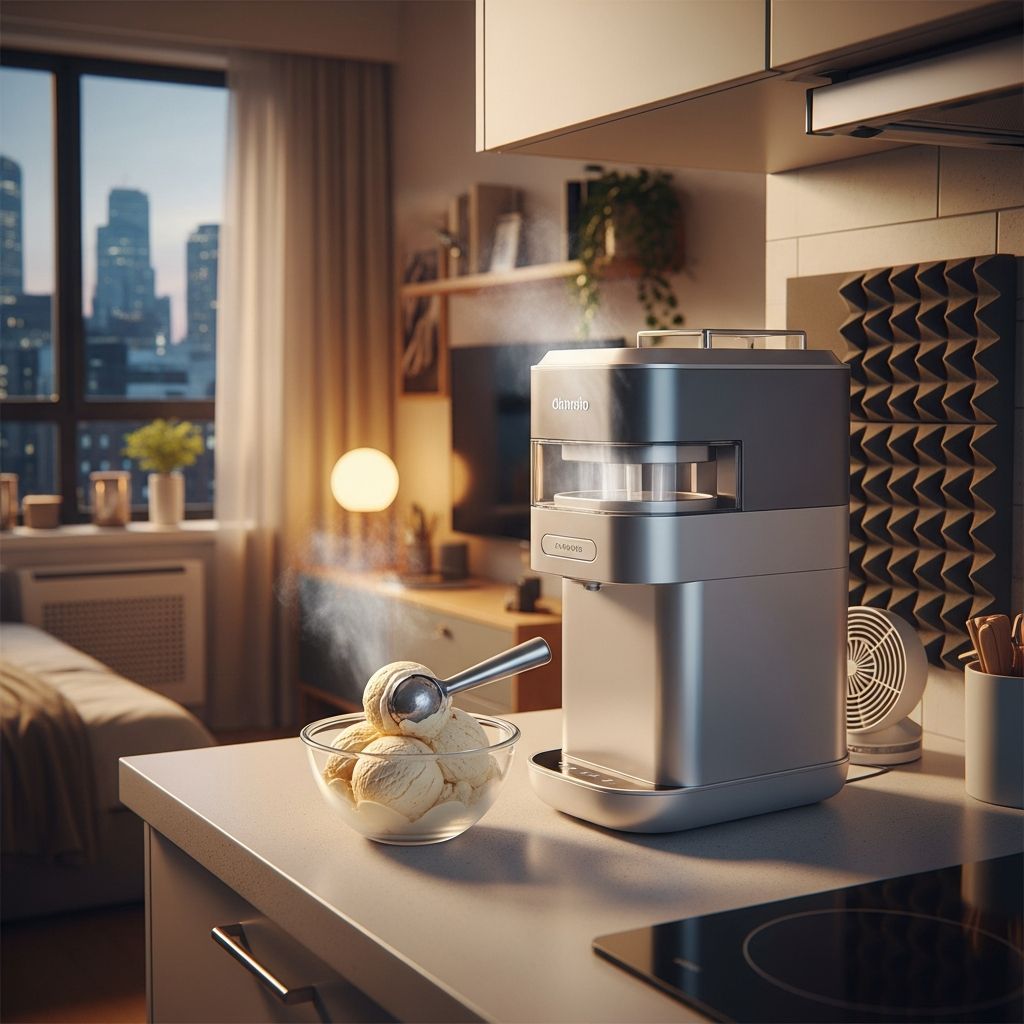
Home ice cream makers are no longer a luxury reserved for large houses with big kitchens. Compact, countertop machines and freezer-bowl models have made it easy to churn ice cream in small apartments and shared kitchens, but they also introduce challenges around limited space, lingering dairy smells, and noise that can disturb roommates or neighbors. This guide explains how to choose, place, and operate a home ice cream maker so you can enjoy homemade frozen treats without clutter, conflict, or complaints.
Table of Contents
- Benefits and Challenges of Ice Cream Makers in Small Spaces
- Types of Home Ice Cream Makers and Their Space Impact
- Planning Counter, Freezer, and Storage Space
- Smell Management in Apartments and Shared Kitchens
- Noise Management and Neighbor-Friendly Operation
- Shared Kitchen Etiquette and Scheduling
- Optimizing Layout and Setup in Tight Kitchens
- Cleaning, Maintenance, and Long-Term Storage
- Troubleshooting Common Space, Smell, and Noise Issues
- Frequently Asked Questions (FAQs)
- Conclusion
Benefits and Challenges of Ice Cream Makers in Small Spaces
Before bringing an ice cream maker into a compact apartment or shared kitchen, it helps to understand both the advantages and trade-offs. Many modern home models are designed with a small footprint and can produce a quart or more of ice cream per batch, which is enough for several servings without overwhelming limited storage capacity.
Key Benefits
- Fresh, customizable ice cream, sorbet, and gelato on demand, including dairy-free or low-sugar recipes.
- Control over ingredients, useful for allergies, dietary preferences, and avoiding additives.
- Small-batch production that fits easily into limited freezer and fridge space when properly planned.
- Many models occupy around one square foot of counter space, making them more apartment-friendly than large appliances.
Main Challenges in Apartments and Shared Kitchens
- Limited counter space to place the machine safely during churning.
- Freezer crowding from pre-freezing bowls, canisters, and finished ice cream containers.
- Lingering dairy or flavor smells that may bother roommates or neighbors if ventilation is poor.
- Mechanical noise and compressor hum, especially in open-plan studios or thin-walled buildings.
- Coordination with other residents when sharing fridge, freezer, and prep surfaces.
Types of Home Ice Cream Makers and Their Space Impact
Different machine designs affect how much space they need, how they are stored, and how noisy they are. Understanding the main types will help you pick the best fit for your apartment or shared kitchen.
| Machine Type | Typical Footprint | Freezer Needs | Noise Level | Apartment Pros / Cons |
|---|---|---|---|---|
| Freezer-bowl (canister) machine | Small countertop unit, about 1 sq ft. | Requires freezing a coolant-lined bowl 12–24 hours in advance, taking valuable freezer space. | Moderate motor noise during churning. | Good for small kitchens, but limited by freezer capacity and preplanning. |
| Compressor (self-refrigerating) machine | Similar in size to a bread maker; larger and heavier than canister models. | No pre-frozen bowl required; uses built-in compressor. | Compressor hum plus motor noise; can be noticeable in small spaces. | Convenient and flexible, but needs more counter and storage space. |
| Stand mixer ice cream bowl attachment | Uses existing stand mixer base; bowl is bulky. | Large bowl must be frozen in advance and stored in freezer. | Similar to mixer noise on low speed. | Efficient if you already own a mixer and have freezer space; less ideal for crowded freezers. |
For tight apartments and shared kitchens, canister or attachment-style machines may be more compact on the counter. However, they demand freezer planning since the bowl must be completely frozen before use, which can be difficult if the freezer is typically full.
Planning Counter, Freezer, and Storage Space
Thoughtful space planning is essential when operating an ice cream maker in a small or shared environment. Space is a constraint not only during churning, but also before and after each batch.
Countertop and Working Space
Most home ice cream makers require stable, level surfaces with sufficient clearance for air circulation, control access, and safe operation.
- Measure the available depth and height under cabinets, including cord reach to outlets.
- Allow a small perimeter around the machine for airflow, especially for compressor models with vents.
- Keep the middle of the workspace as open as possible so you can move ingredients and containers easily, similar in principle to professional batch rooms, which favor flexible central working space.
- Use a rolling cart or small stainless-steel-topped table on wheels if counter space is limited; this can be moved into position only when needed.
Freezer Space for Bowls and Finished Ice Cream
The freezer often becomes the bottleneck in apartments. Canister-style models require a coolant-lined bowl to be kept in the freezer for at least 12–24 hours, which can take up valuable room.
- Measure your freezer interior and ensure you can stand or lay the bowl flat without blocking shelves, vents, or the door.
- If you share a freezer, label the bowl clearly and agree on how long it will stay in the shared space.
- Plan smaller batches and use shallow, stackable containers for the finished ice cream to maximize vertical space.
- Consider a compressor machine if you churn frequently and freezer space is always tight, as it avoids pre-freezing the bowl.
Long-Term Storage of the Machine
When not in use, most ice cream makers should be stored in a dry, clean place away from heat sources. Space constraints often mean they share cabinets with other small appliances.
- Check the weight and dimensions before purchase so you know which cabinet or shelf can hold it safely.
- Use original packaging or a soft cover to prevent dust and odor absorption.
- Store accessories such as paddles, lids, and bowls inside the machine or in a labeled container to reduce clutter.
Smell Management in Apartments and Shared Kitchens
Ice cream making does not usually create intense cooking odors, but dairy, eggs, and flavorings can leave subtle smells that linger in small or poorly ventilated kitchens. Some roommates may be sensitive to sweet or artificial aromas.
Preventing Strong Smells
- Keep ingredients chilled. Warm dairy and egg mixtures have stronger odors than properly refrigerated bases.
- Cover mixing bowls and storage containers tightly to prevent scents from spreading.
- Limit the use of very pungent extracts or alcohol in shared spaces unless everyone is comfortable with the smell.
- Wipe up spills around the machine promptly; residues of cream or sugar can sour and smell over time.
Ventilation Strategies
- Open a window or use a range hood fan on low while you heat and cool the ice cream base.
- If your apartment has no mechanical ventilation, a small portable fan facing outward through a window can help move air and reduce lingering scents.
- Avoid blocking any air vents with the machine or freezer bowl, as restricted airflow can trap odors.
Cleaning to Avoid Residual Odors
- Wash the bowl, paddles, and lids soon after use with mild detergent; do not allow cream to dry and harden.
- Clean any rubber gaskets or seals, which can hold onto dairy smells more than metal or rigid plastic.
- Sanitize work surfaces and drying racks so shared kitchen users are not left with sticky or scented equipment.
- If odors persist in plastics, allow them to air-dry fully in a well-ventilated area instead of sealing them immediately in cabinets.
Noise Management and Neighbor-Friendly Operation
Noise is a critical concern in apartments where walls and floors transmit sound easily. Ice cream makers typically produce a mix of motor noise, gear sounds, and, for compressor units, a low hum.
Understanding Typical Noise Sources
- The churning motor, which turns the paddle inside the bowl.
- The compressor, in self-refrigerating models, cycling on and off to cool the mixture.
- Vibration transmitted through the countertop or table.
Practical Noise-Reduction Techniques
- Place the machine on a thick silicone mat, folded kitchen towel, or vibration-absorbing pad to reduce transmitted noise.
- Operate the machine during daytime or early evening hours, avoiding very early mornings or late nights.
- Do not place the machine directly against shared walls or on top of hollow, resonant furniture.
- Run only one noise-generating appliance at a time when possible, so the overall sound level stays lower.
Choosing Quieter Models for Apartments
When comparing machines, look for user reports mentioning noise levels. Some soft-serve and compact machines are specifically designed for limited spaces, balancing performance with lower noise output.
- Smaller capacity machines often have smaller motors and may operate more quietly.
- Machines marketed as suitable for home and limited-space commercial use may emphasize lower vibration and controlled noise.
Shared Kitchen Etiquette and Scheduling
In shared apartments, co-living spaces, or dorm-style kitchens, the main challenges are coordination and respect for others’ space and preferences. Ice cream making is enjoyable, but it temporarily occupies counters, sinks, and shared freezer space.
Communication and Scheduling
- Let roommates or co-residents know in advance when you plan to churn ice cream, especially if you will need extra freezer or counter space.
- Use a simple sign-up sheet or shared digital calendar in co-living spaces that have many users.
- Aim to run the machine at times when the kitchen is less busy, such as mid-afternoon rather than peak meal times.
Respecting Shared Storage
- Label your canister, containers, and finished ice cream clearly with your name and date.
- Avoid letting empty or partially used freezer bowls occupy space indefinitely; freeze them only when you intend to churn within a day or two.
- Use space-efficient, flat containers that stack well with others’ food.
Clean-Up Responsibilities
- Wash the machine parts, utensils, and bowls after each use rather than leaving them in the sink.
- Wipe the counter, cart, and any surrounding surfaces, ensuring no sticky residue remains.
- Check for drips in the freezer and fridge and clean them before they harden.
Optimizing Layout and Setup in Tight Kitchens
Strategic layout can make even a very small apartment kitchen workable for ice cream making. In professional ice cream production, equipment is arranged for straightforward flow between mixing, freezing, and storage, with as much central space kept open as possible.
Adapting Professional Flow Principles at Home
- Group your core stations: ingredients near the fridge, the maker on a stable surface, and storage containers ready near the freezer.
- Create a left-to-right or front-to-back workflow so you are not crossing paths or bumping into other users.
- If using a rolling cart, store dry ingredients or tools on lower shelves and use the top for the machine and active mixing.
Using Vertical and Hidden Spaces
- Install wall hooks or a pegboard to hang utensils, measuring cups, and small mixing bowls.
- Store rarely used attachments in under-bed boxes or high shelves to keep prime kitchen space for everyday items.
- Use stackable storage for flavorings and toppings, keeping them together so setup and cleanup are quicker.
Cleaning, Maintenance, and Long-Term Storage
Regular cleaning and basic maintenance prevent odors, preserve performance, and make it easier to store the machine neatly between uses. Like other refrigeration equipment, ice cream makers benefit from periodic inspection and cleaning.
Post-Use Cleaning Routine
- Disassemble removable parts: bowl, dasher or paddle, lids, and splash guards.
- Wash components in warm, soapy water or as directed by the manufacturer; some parts may be top-rack dishwasher safe.
- Wipe the exterior with a damp cloth, taking care not to wet electrical components.
- Allow all parts to dry completely before reassembling or storing to avoid mold or sour smells.
Periodic Maintenance
- Inspect seals, gaskets, and the paddle for wear, cracks, or residue buildup.
- Check any vents or air intakes for dust and gently clean them to maintain efficient cooling, particularly on compressor models.
- Follow manufacturer recommendations for any lubrication or service intervals on moving parts.
Safe Long-Term Storage in Small Apartments
- Store the machine in an interior cabinet away from sources of moisture and heat.
- Keep the bowl and interior dry and, if possible, slightly open to prevent trapped humidity.
- If freezer space allows and you churn frequently in warm months, you may keep the bowl in the freezer for the season, but communicate this in shared spaces so others can plan around the reduced volume.
Troubleshooting Common Space, Smell, and Noise Issues
Even with good planning, you may encounter issues while using an ice cream maker in a small or shared kitchen. The following troubleshooting tips address typical problems.
Freezer Is Too Full for the Canister
- Reorganize using smaller, stackable containers and discard old or unused items to free space.
- Consider making smaller batches so the finished product does not occupy excessive volume.
- If available, shift temporary storage to a secondary freezer such as a shared basement unit, after confirming rules with management.
Roommates Complain About Smells
- Identify whether the issue is raw ingredients, cooking of the base, or leftover containers.
- Improve ventilation and clean more promptly after each session.
- Discuss and agree on which flavorings are acceptable in shared spaces, especially if strong extracts or alcohols are involved.
Noise Bothers Neighbors or Housemates
- Move the machine to a less echo-prone surface, such as a heavy table away from corners.
- Add an anti-vibration mat or folded towel underneath.
- Reschedule churning to more socially acceptable hours.
- If complaints persist, consider a smaller or quieter model, especially if your current machine is overpowered for your batch size.
Frequently Asked Questions (FAQs)
Q: Can I use a home ice cream maker in a studio apartment with almost no counter space?
A: Yes, but you may need a movable solution such as a rolling cart or folding table. Choose a compact canister or attachment-style model with a small footprint, and plan ahead for freezer bowl storage.
Q: What type of ice cream maker is best if my freezer is always full?
A: A compressor ice cream maker does not require pre-freezing a bowl, which makes it better suited for users with limited freezer capacity, though it is larger on the counter and in storage.
Q: Will making ice cream leave a strong smell in a shared kitchen?
A: Typically, smells are mild and short-lived, especially if you refrigerate the base, ventilate the room, and clean up promptly. Issues usually arise when dairy residues or spilled mixtures are not cleaned quickly.
Q: How do I avoid conflicts about shared freezer space?
A: Communicate in advance, label all items, keep your canister in the freezer only when needed, and choose stackable containers for the finished ice cream to reduce your footprint.
Q: Are ice cream makers very loud compared to other kitchen appliances?
A: Noise levels are typically comparable to a stand mixer or small countertop machine. In apartments, vibration can make them seem louder, so using pads, scheduling appropriately, and choosing compact models can make them more neighbor-friendly.
Conclusion
Using a home ice cream maker in an apartment or shared kitchen is entirely feasible when you approach space, smell, and noise as design constraints rather than afterthoughts. Choosing the right type of machine, planning for counter and freezer limitations, and arranging a simple, efficient workflow can turn even a very small kitchen into a capable ice cream workspace.
By coordinating with roommates, labeling storage, and operating the machine during considerate hours, you can minimize friction in shared environments. Good ventilation, prompt cleaning, and basic maintenance further reduce odors and operational noise, making the experience more comfortable for everyone.
Ultimately, the best setup balances enjoyment of homemade ice cream with thoughtful use of limited resources. When you deliberately manage footprint, airflow, and acoustics, a home ice cream maker becomes a practical and enjoyable addition to apartment living rather than a source of clutter or complaints.
Similar Articles






Read full bio of medha deb