
Looking After Gaskets, Lids, and Seals on Ice Cream Makers to Prevent Leaks and Odors
Learn how to maintain gaskets, lids, and seals on ice cream makers to stop leaks, eliminate odors, and extend machine life.
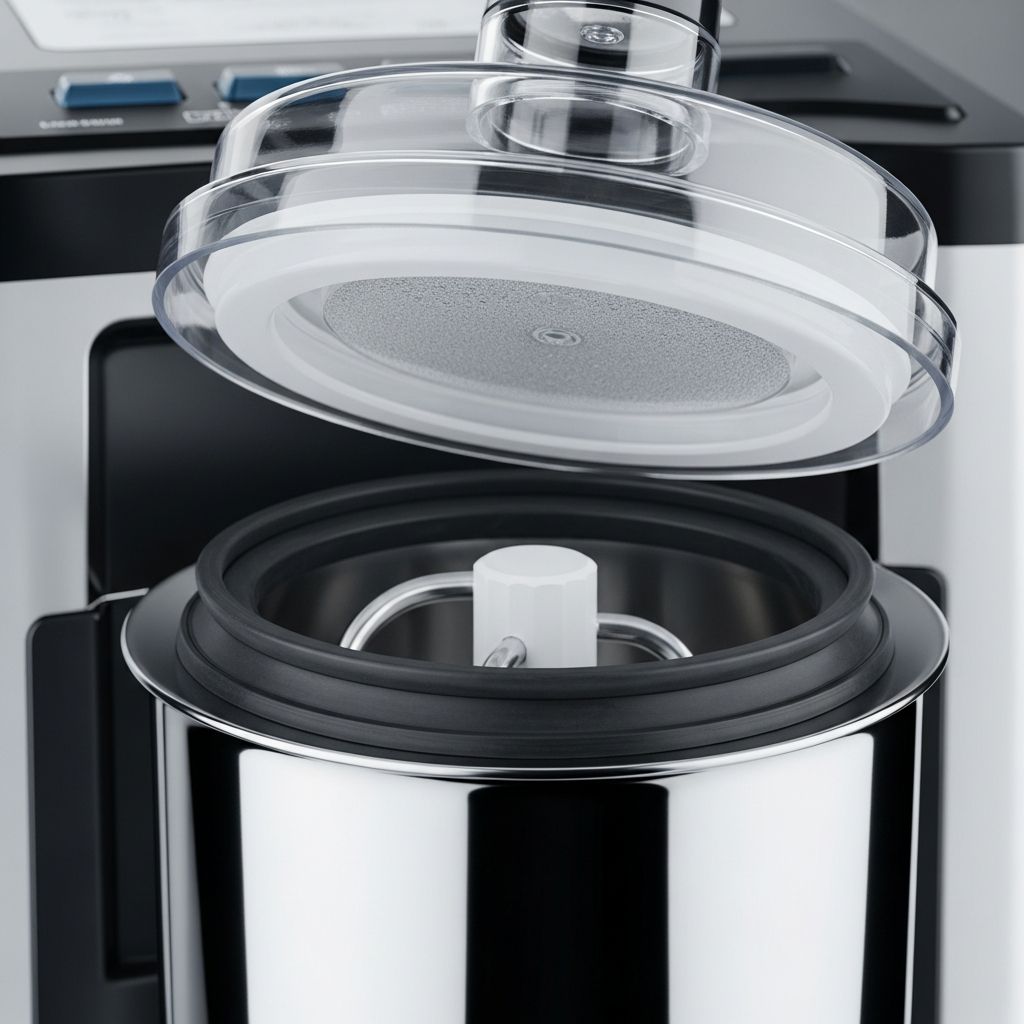
Gaskets, lids, and seals on ice cream makers may look like small, simple parts, but they have a big job. They keep your mix inside the machine, stop bacteria and odors from getting in, and help the unit freeze and churn efficiently. Poorly maintained seals quickly lead to leaks, off-flavors, and even costly breakdowns, especially on commercial soft serve equipment where rear seals and o-rings are critical.
Table of Contents
- Why Caring for Gaskets, Lids, and Seals Matters
- Key Sealing Parts on Ice Cream Makers
- Daily and Weekly Cleaning Routine
- Deep Cleaning and Sanitizing Procedures
- How to Inspect Gaskets, Lids, and Seals
- Practical Steps to Prevent Leaks
- Practical Steps to Prevent Odors
- Lubricating Seals and Food-Grade Lubricants
- When and How to Replace Worn Gaskets and Seals
- Storage Practices to Protect Seals and Lids
- Troubleshooting Common Seal-Related Problems
- Frequently Asked Questions
- Conclusion
Why Caring for Gaskets, Lids, and Seals Matters
Seals and gaskets are the barriers that keep liquid mix, soft serve, and cleaning solutions where they belong. Neglecting them causes problems that show up as leaks, sticky residue, and bad smells.
According to commercial maintenance guides, worn or neglected gaskets and o-rings can allow ice cream mix to reach internal components, potentially causing permanent damage and downtime. Proper cleaning also protects seals from buildup and friction, extending their life.
| Problem | Likely Cause in Seals/Gaskets | Result |
|---|---|---|
| Liquid leaking from back or sides | Worn rear seal, damaged o-ring, misaligned gasket | Product loss, internal contamination, mess |
| Lingering sour or dairy odor | Residue trapped under lid gasket or around seal | Off-flavors, hygiene concerns |
| Machine struggling to freeze mix | Poor lid seal, air leaks | Inefficient freezing, soft product |
| Unexpected breakdowns | Mix reaching bearings or internal parts | Costly repairs, downtime |
Key Sealing Parts on Ice Cream Makers
Different ice cream makers use different sealing systems, but most will include some combination of the following parts.
Gaskets
Gaskets are flexible rings or strips, usually made of rubber or silicone, that sit between two surfaces to create a tight seal.
- Common locations: lid-to-bowl, hopper covers, dispensing doors, and around mixing shafts.
- Function: prevent liquid and air leaks and keep contaminants out.
Lids and Covers
Lids not only cover the mix but often contain integrated gaskets or molded sealing lips.
- Home units often have a simple plastic lid with a rubber ring.
- Commercial hoppers use heavy lids that pair with gaskets to control temperature and contamination.
Seals, Rear Seals, and O-Rings
Seals and o-rings are found on shafts, rear walls, and dispensing valves.
- Rear seals sit at the back of the freezing cylinder on many soft serve machines, keeping mix from leaking into the machine body.
- O-rings sit in grooves on parts like valve stems and drive shafts and are critical for a leak-free seal.
- Stem seal rings and valve seal rings must be checked regularly for wear and replaced if damaged.
Daily and Weekly Cleaning Routine
Manufacturers recommend disassembling and cleaning parts that contact product daily or several times a week, depending on use.
Before You Start
- Always disconnect electrical power before disassembling anything.
- Consult your operator manual for part names and disassembly diagrams.
- Prepare warm water with food-safe detergent or manufacturer-approved cleaner.
Step-by-Step Daily Cleaning (Home and Commercial)
Empty the machine
Drain or dispense all remaining mix from the bowl or freezing cylinder. Commercial guides recommend clearing the pathway and flushing with water until it runs clear.
Run a rinse or wash cycle if available
Many machines have a wash or cleaning mode for circulating cleaning solution through internal passages.
Disassemble lids, gaskets, and seals
Remove:
- Hopper lid and its gasket.
- All o-rings and seal sleeves on outlet valves and valve stems.
- Rear seal assemblies and any shaft seals, as the manual allows.
Clean and scrub parts
Soak gaskets and seals in hot, soapy water. Scrub gently with a soft brush to remove film and residue.
Rinse thoroughly
Rinse all parts with clean water several times to remove any detergent or sanitizer residue that could affect taste.
Dry fully before reassembly
Allow gaskets, o-rings, and seals to air dry on a clean surface. Standing moisture trapped under seals is one of the main sources of odor.
Weekly and Periodic Tasks
- Schedule deeper cleaning where you completely disassemble the unit, inspect components, and replace any worn seals or o-rings.
- Use these sessions to check for cracks, flattening, or grooves on rear seals and o-rings.
Deep Cleaning and Sanitizing Procedures
Deep cleaning goes beyond daily rinsing. It removes buildup and biofilm that daily cleaning may miss, especially around gaskets and crevices.
Deep Cleaning Steps Focused on Seals and Lids
Remove all product-contact parts
Disassemble the freezing cylinder, outlet valves, lid assemblies, and rear seal assemblies as recommended.
Use approved sanitizer
Prepare a sanitizing solution recommended by your machine manufacturer. Pour it into the hopper, run the cleaning or wash mode, then drain completely.
Detail-clean gasket channels
Use a small brush or soft cloth to clean the grooves where gaskets sit. This is where buildup and odor-causing residue often hide.
Pay special attention to rear seals
Rear seals must be clean and free of hardened mix to maintain a proper seal. Remove any dried residue around the contact surfaces.
How to Inspect Gaskets, Lids, and Seals
Inspection is how you catch wear and damage before they cause leaks or odors. Many commercial service guides encourage regular inspection and proactive replacement of tune-up parts like o-rings, seals, and gaskets.
Visual Checks
- Look for cracks, cuts, or tears along the gasket or seal.
- Check for flattening or squashed areas, especially on rear seals or rings that have been used for a long time.
- Inspect for grooves or channels worn into the sealing surface, which indicate overuse and loss of sealing pressure.
Tactile and Fit Checks
- Flex the gasket gently. If it feels brittle or sticky, it needs replacement.
- Test the fit of o-rings in their grooves; they should sit snugly without stretching excessively.
- Reinstall the lid and check if it sits level and seals evenly around the edge.
Practical Steps to Prevent Leaks
Leaks usually come from worn seals, incorrect installation, or lack of lubrication. Addressing these areas significantly reduces the risk.
Key Leak-Prevention Practices
- Replace worn gaskets and o-rings rather than trying to stretch their life.
- Lubricate rear seals and moving seals with food-grade lubricant as recommended before each reassembly.
- Do not overtighten covers or fittings; over-compression can deform gaskets and shorten their life.
- Always seat rear seals correctly so they press evenly against the cylinder wall and do not fall out of place when the auger is installed.
Common Leak Locations and Causes
| Location | Typical Cause | Prevention Tip |
|---|---|---|
| Back of freezing cylinder | Worn or dry rear seal; lack of lubrication | Inspect seal; replace if flat or grooved; lubricate properly. |
| Under hopper lid | Misaligned or cracked lid gasket | Re-seat gasket; replace if cracked; avoid forcing lid closed. |
| Dispensing outlet | Damaged valve o-ring or outlet seal ring | Clean and check rings daily; replace at first sign of wear. |
Practical Steps to Prevent Odors
Odors come from dairy residue, sugar film, and moisture trapped in places that are not regularly cleaned or dried. Seals and lids are frequent culprits because they create crevices where residue hides.
Odor Prevention Checklist
- Remove and clean all gaskets and seal rings every time you clean the machine, not just occasionally.
- Rinse thoroughly to eliminate any detergent or sanitizer smell that could affect flavor.
- Dry all components completely before reassembly or storage to prevent bacterial growth in damp crevices.
- Store the machine slightly open (with lid unlatched or removed) when not in use for long periods so moisture can evaporate.
Lubricating Seals and Food-Grade Lubricants
Proper lubrication reduces friction, protects seals, and helps them seat correctly. Guides to ice cream machine maintenance emphasize lubricating the right parts with food-grade products as part of the regular cleaning routine.
Where to Apply Lubricant
- Rear seals: apply a thin, even layer where the seal contacts the cylinder wall and shaft.
- O-rings on valve stems and seal sleeves: lightly coat the surface to ease assembly and movement.
Lubrication Best Practices
- Use only lubricants that are rated food-grade and approved for your specific machine.
- Avoid over-lubrication, which can attract residue and cause buildup around gaskets.
- Lubricate after cleaning, before reassembly, following the pattern shown in the operator manual or training materials.
When and How to Replace Worn Gaskets and Seals
Even with perfect care, seals wear out. Many service recommendations suggest keeping a stock of replacement o-rings, gaskets, and seals and changing them every few months or as needed.
Signs It Is Time to Replace
- Persistent leaks even after thorough cleaning and correct lubrication.
- Visible cracks, cuts, or deformation.
- Rear seals that have turned noticeably flat or show grooves worn into the surface from prolonged use.
- O-rings that stretch out of shape or no longer sit snugly in their groove.
Replacement Tips
- Use genuine or manufacturer-recommended parts for the model you own.
- Replace entire sets of seals and o-rings in key areas at the same time for consistent performance.
- Record the date of replacement so you can track wear patterns and schedule future preventive replacements.
Storage Practices to Protect Seals and Lids
How you store your machine and its parts between uses affects how long gaskets and seals last and how likely they are to harbor odors.
Short-Term Storage (Between Daily Uses)
- Keep the outside of the machine wiped clean with a damp cloth; do not spray electrical components with water.
- Avoid leaving mix in the machine longer than the recommended holding time.
- Leave the lid slightly ajar once everything is dry to allow airflow.
Long-Term or Seasonal Storage
- Fully disassemble and clean all product-contact parts, including all gaskets and seals.
- Ensure all parts are completely dry to avoid mold or musty smells during storage.
- Store loose gaskets and o-rings in a clean, labeled container away from direct sunlight and extreme heat to prevent drying and cracking.
Troubleshooting Common Seal-Related Problems
Many ice cream maker issues can be traced back to gaskets, lids, and seals. Knowing the typical patterns helps you fix problems faster.
Leak From Rear of Machine
- Likely cause: worn or incorrectly lubricated rear seal.
- Action: remove and inspect the rear seal; look for flattening or grooves. Replace if worn and apply lubricant correctly.
Product Dripping From Dispenser When Closed
- Likely cause: damaged or dirty valve seal ring or o-ring on the outlet assembly.
- Action: clean the valve parts, inspect the seal ring, and replace if any damage is visible.
Persistent Sour Odor After Cleaning
- Likely cause: residue trapped behind gaskets or in lid channels or incomplete drying.
- Action: remove and thoroughly scrub gasket grooves, sanitize, rinse, and air dry completely before reassembly.
Frequently Asked Questions (FAQs)
How often should I clean the gaskets and seals on my ice cream maker?
For both home and commercial machines, any gasket, o-ring, or seal that touches product or cleaning solution should be cleaned every time you clean the machine. Many commercial guides recommend daily or at least several-times-per-week cleaning depending on usage.
Do I need special cleaning products for gaskets and seals?
You can generally use warm water with a mild, food-safe detergent for everyday cleaning and a manufacturer-approved sanitizer for periodic disinfection. Always follow your machine’s manual for compatible products to avoid damaging rubber or silicone components.
What kind of lubricant should I use on seals and o-rings?
Use only food-grade lubricants recommended by your ice cream maker’s manufacturer. Applying a thin layer to rear seals, o-rings, and moving seals at reassembly helps prevent leaks and reduces wear.
How often should I replace gaskets and seals?
Replacement frequency depends on usage and machine type, but many service guides suggest replacing key seals, o-rings, and gaskets every three to six months for heavy commercial use, and sooner if any damage or flattening appears.
Can worn seals damage my ice cream machine?
Yes. Neglected or worn seals and o-rings can allow mix to leak into internal components, potentially causing mechanical failure and costly repairs, especially on soft serve machines.
Conclusion
Effective care of gaskets, lids, and seals is one of the simplest ways to keep an ice cream maker clean, reliable, and free of leaks and odors. By removing, washing, and inspecting these parts during every cleaning, using proper lubrication, and replacing components at the first signs of wear, you reduce the risk of product loss, off-flavors, and internal damage.
A thoughtful maintenance routine combines daily cleaning, periodic deep cleaning, and proactive replacement of o-rings, gaskets, and rear seals. When these small parts are dry, intact, and correctly lubricated, your machine seals properly, holds temperature more consistently, and produces ice cream with better taste and texture.
Whether you run a busy soft serve operation or use a compact home unit, treating gaskets, lids, and seals as critical components rather than afterthoughts leads to quieter operation, fewer leaks, and a more hygienic, pleasant ice cream-making experience.
Similar Articles





Read full bio of Sneha Tete