Recognizing When Ice Cream Is Done in the Machine Using Visual and Textural Cues
Learn how to tell exactly when your churning ice cream is ready using sight, sound, and texture-based cues for perfect results.
Recognizing When Ice Cream Is Done in the Machine: Visual and Textural Cues
Knowing exactly when to stop your ice cream machine is one of the most important skills in home and small-scale ice cream making. Pull the ice cream too early and you get a thin, slushy mix that freezes rock-hard in the freezer. Let it churn too long and the ice cream can turn dense, icy, or even begin to separate. Learning to read visual and textural cues, along with a few sound and time indicators, will help you stop the machine at the perfect moment for smooth, scoopable ice cream.
Table of Contents
- Why Ice Cream Doneness Matters
- What the Ideal Finish Texture Should Be
- Key Visual Cues to Watch For
- Key Textural Cues During Churning
- Sound, Resistance, and Machine Feedback
- Using Time and Temperature as Supporting Guides
- Differences Between Types of Ice Cream Machines
- Common Mistakes in Judging Doneness
- Troubleshooting Texture Problems After Churning
- Practical Doneness Checklist
- Frequently Asked Questions (FAQs)
- Conclusion
Why Ice Cream Doneness Matters
Ice cream texture is determined not just by your recipe, but by how efficiently and how long you churn the mixture. During churning, the machine is doing three critical jobs at once:
- Freezing the mix to the right semi-solid consistency
- Incorporating air to create lightness and overrun
- Keeping ice crystals small for a smooth mouthfeel
If you stop churning at the wrong time, one or more of these processes will be incomplete, leading to ice cream that is too soft, too hard after freezing, icy, or greasy. Many commercial and higher-end home machines have hardness or percentage indicators, but even then you still need to confirm doneness with your eyes and hands because mix composition, room temperature, and batch size all change how the ice cream behaves in the machine.
What the Ideal Finish Texture Should Be
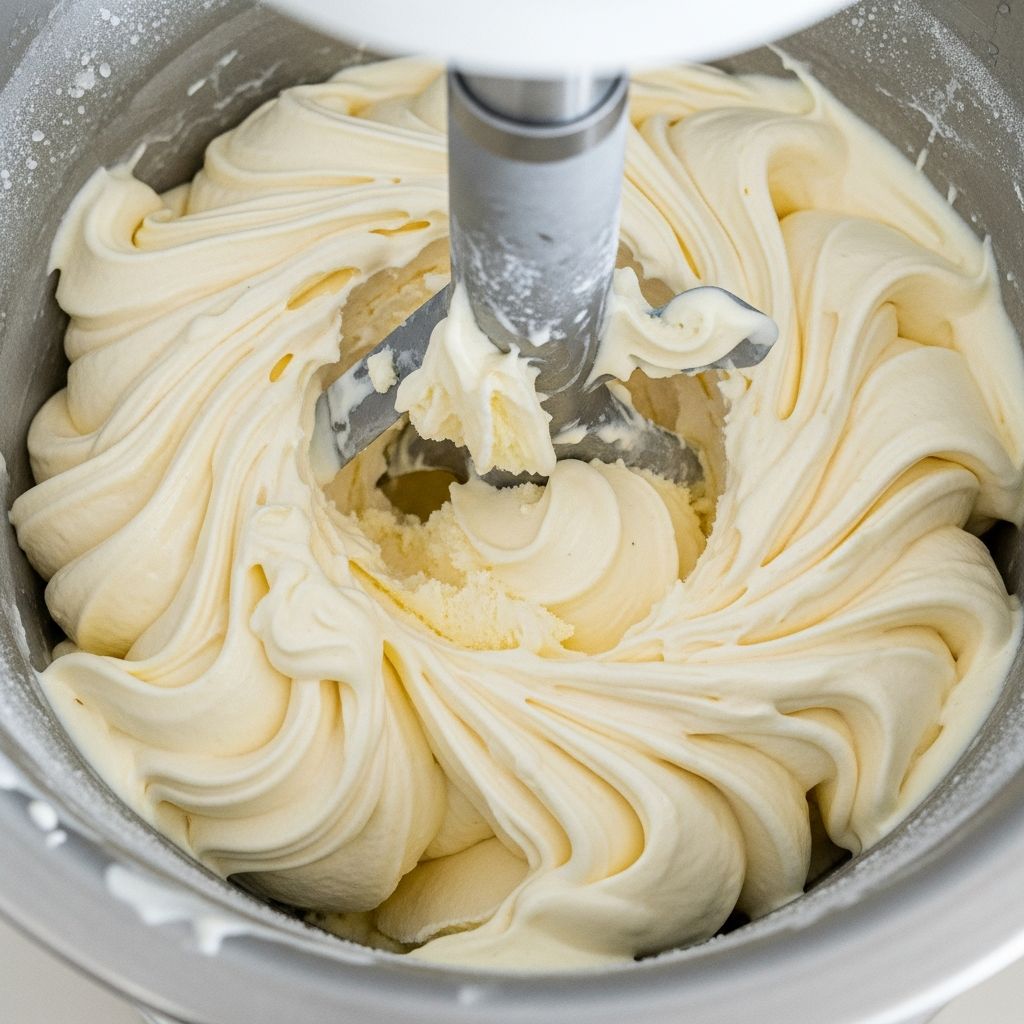
Despite differences in machines and recipes, the target texture at the end of churning is remarkably consistent. Think of it as the point between a thick milkshake and soft-serve.
| Stage | Description | Is It Done? |
|---|---|---|
| Thin and foamy | Mixture is cold but still pours easily; only lightly thickened | No |
| Soft-serve consistency | Holds soft peaks, mounds gently on a spoon, flows slowly | Yes – ideal stopping point |
| Very stiff, almost frozen | Paddle struggles, mass pulls away in one block, sides very hard | Usually overdone |
In most home situations, you want to stop:
- When the ice cream is at a soft-serve style consistency, and
- When it still looks smooth and moist, not dry or grainy.
Key Visual Cues to Watch For
Visual changes are often the easiest and most reliable way to judge when ice cream is ready. Pay attention to how the mix looks both in the bowl and on the paddle.
1. Thick, Velvety Movement in the Bowl
In the early minutes, the base looks glossy and liquid, sliding quickly off the paddle. As freezing continues, the movement becomes slower and more deliberate. You are looking for:
- Slow, ribbon-like flow of ice cream as the paddle turns
- The surface forming gentle, rounded mounds instead of flattening instantly
- A soft, matte sheen rather than a thin, watery shine
When you see the mixture moving like thick, soft-serve instead of a pourable custard, you are near the correct endpoint.
2. How the Ice Cream Clings to the Paddle or Dasher
The way the ice cream behaves on the paddle is a precise visual cue:
- In the beginning, the mix runs off in a thin stream.
- As it approaches readiness, it clings to the blades and only slowly slides off.
- When it is ready, a generous amount will stay stuck to the paddle when you lift it out, forming soft peaks that bend over, not sharp points.
Some stand-mixer style ice cream attachments even provide an audible clicking sound once the dasher starts to slip because the mixture is thick enough, indicating the batch is done.
3. Shape Retention on the Surface
Another useful visual test is to briefly stop the machine and look at the surface:
- Drag a clean spatula or spoon through the top.
- If the line fills in immediately, it is still under-churned.
- If the line stays visible for several seconds, with the edges gently slumping but not collapsing, the ice cream is at the correct thickness.
The surface should look smooth, with soft ridges that hold their shape but do not appear dry or cracked.
4. Color and Opacity Changes
As air is incorporated, the mixture can appear slightly lighter in color and more opaque. This change is subtle, but together with other cues it confirms that sufficient air and structure have developed.
Key Textural Cues During Churning
While visual cues guide you from the outside, physical texture checked with a spoon or spatula tells you what is happening internally. Always use a clean utensil and work quickly so you do not warm the mixture excessively.
1. Spoon Test: Soft-Serve vs Milkshake
Lift a small amount with a spoon:
- If it pours off freely like a thick drink, it is too early.
- If it mounds softly on the spoon and only slowly slides off when tilted, you are near or at the right point.
- The ideal spoonful looks similar to commercial soft-serve: thick, pillowy, and able to hold a soft dome.
2. Mouthfeel: Smooth But Not Greasy
When safe and practical, taste a tiny sample:
- It should feel smooth and creamy, with no obvious coarse ice crystals.
- If it already feels icy or sandy inside the machine, something is off with mix composition, freezing speed, or over-churning.
- A greasy or buttery feel can indicate over-churning in a high-fat mix, where fat starts to clump.
3. Resistance to Stirring
Even with the machine off, the texture will tell you a lot:
- Gently drag a spatula through the ice cream.
- You want a light but definite resistance, like stirring thick whipped cream.
- If it feels like stirring a near-solid block that resists movement strongly, the mixture is likely over-frozen in the machine and may be too dense.
Sound, Resistance, and Machine Feedback
Most machines change sound and behavior as the mixture thickens. These signals, combined with visual and textural cues, make it easier to call the finish accurately.
1. Motor Sound and Strain
As the ice cream thickens, the motor typically:
- Lowers slightly in pitch or volume as it works harder
- May speed up or slow down in a more labored rhythm
Many machines are designed to stop automatically when a certain load is reached. Soft serve and batch machines sometimes display a percentage or hardness setting; when this value approaches a high level (often near 99 percent on some panels), the machine indicates that the mix is ready to dispense.
2. Audible Clicks or Slipping Dashers
Some home bowl attachments, such as certain stand mixer ice cream makers, use an audible slip or clicking mechanism as a doneness signal. When the mixture becomes thick enough, the dasher begins to slip, producing a repetitive clicking sound. This is an intentional feature that tells you the ice cream has reached its target stiffness and should be removed.
3. Physical Vibration and Bowl Drag
On smaller countertop units, you may notice:
- Slight increases in vibration as the mix thickens
- The paddle or dasher turning a bit more slowly
These signs alone are not enough to decide, but when paired with a visibly thick, soft-serve consistency, they confirm that the batch is finished.
Using Time and Temperature as Supporting Guides
Time and temperature should support, not replace, your judgment based on sight and feel. They provide boundaries that help you avoid extreme errors.
Typical Churning Times
Approximate ranges for most home machines are:
- Pre-frozen bowl machines: 20–30 minutes per batch
- Built-in compressor machines: 25–45 minutes, depending on mix and capacity
- Soft serve or continuous machines: variable, often running until a hardness setting is reached
If you are still seeing a very loose texture after much longer than these ranges, you may have an issue with freezer temperature, overfilled bowl, or machine performance.
Temperature Targets
The mixture inside the machine will usually reach a range around several degrees below freezing, but not all devices display internal temperature. Some compressor machines can pre-cool the bowl to very low temperatures (around -15 °F / -26 °C) before you add the mix, then stabilize at a slightly warmer but still very cold level once the mix is added.
While you do not need exact numbers to judge doneness, it helps to know that:
- The ice cream is ready when it is semi-solid but still flexible and soft.
- You will harden it fully in the freezer afterward; the machine’s job is to get you to that creamy soft-serve stage quickly and evenly.
Differences Between Types of Ice Cream Machines
Visual and textural cues are similar across machines, but each style has quirks that affect when and how you should check doneness.
1. Pre-Frozen Bowl Machines
These rely on a bowl that has been frozen ahead of time. Because they warm up as they work, you have a limited window to reach proper texture:
- Expect 20–30 minutes of effective freezing.
- Once the mixture thickens and clings strongly to the paddle, remove it promptly; if you wait, the bowl can warm and the ice cream may begin to melt, leading to larger ice crystals after hardening.
- Pay extra attention to visual cues because temperature feedback is usually not available.
2. Compressor (Self-Refrigerating) Machines
These have built-in freezers that actively cool the bowl:
- They can pre-cool the bowl, shortening the time to reach the correct texture.
- You may see actual temperature readings on a display, but still rely mainly on texture and visual thickness to decide when to stop.
- Avoid stopping midway to check for long periods; compressors can have a delay before restarting, causing warming and slower refreezing, which harms smoothness.
3. Soft Serve and Commercial Countertop Machines
These often include hardness, viscosity, or percentage indicators:
- Front panels may show a firmness level or freezing percentage; when this nears the upper limit, the machine signals that ice cream is ready to dispense.
- Use those indicators as a baseline, but still confirm the soft, flowing yet thick texture at the outlet before serving.
Common Mistakes in Judging Doneness
Even experienced users can misread cues, especially with new recipes or machines. Here are some frequent errors and how to avoid them.
1. Stopping Too Early
Pulling the ice cream when it still looks like a thick milkshake leads to:
- Excessive hardening in the freezer
- Poor overrun, giving a dense, heavy texture
- Higher chance of icy or coarse mouthfeel because freezing in the kitchen freezer is slower and less controlled
To prevent this, look for that soft-serve level of thickness where the surface ridges hold their shape.
2. Over-Churning Until the Machine Struggles
Many people assume that the thicker the better, but trying to reach a near-scoopable solid in the machine can cause:
- Excess strain on motors and gears
- Greasy or butter-like texture in high-fat mixes as fat begins to coalesce
- Difficulty removing the ice cream from the bowl cleanly
Once your visual and textural cues say soft-serve, stop churning and transfer the ice cream to a chilled container for hardening.
3. Relying Only on Timers or Automatic Shut-Off
Some machines stop based on timers alone, not texture. If you trust the timer without checking visual cues, you may consistently end up over- or under-churned, especially when:
- Your recipe changes in fat, sugar, or solids content
- Your room or ingredient starting temperature is warmer or colder than usual
Use timers as a reminder to check, not as the final verdict.
Troubleshooting Texture Problems After Churning
If your frozen ice cream does not turn out as expected, you can work backwards to understand what cue you misread or missed.
Ice Cream Too Hard After Freezing
Very hard ice cream after several hours in the freezer can result from:
- Stopping too early (mixture was still too thin, so most freezing occurred in the home freezer)
- Low sugar or fat content in the recipe, which lowers softness
Next time, look for a thicker soft-serve texture before stopping and consider modestly increasing sugar or solids if the recipe allows.
Icy or Sandy Texture
Large ice crystals usually signal one or more issues:
- Insufficient churning time or poor freezing performance
- Stopping too early, so freezing finished slowly in the freezer
- Delays after churning before getting the ice cream into the freezer
Focus on reaching a clearly thick, creamy texture inside the machine, then transferring quickly to a cold container and placing it in the freezer without long pauses.
Greasy, Buttery, or Heavy Mouthfeel
This can occur when:
- High-fat recipes are churned for too long
- The paddles continue working after the mixture has already reached ideal texture
Next time, stop at the first moment that the mixture looks like stable soft-serve, rather than waiting for extra stiffness.
Practical Doneness Checklist
When you suspect the ice cream might be ready, run through this quick checklist:
- Does the ice cream move like thick, slow soft-serve, not like a pourable milkshake?
- Does it cling to the paddle, forming soft peaks that bend over?
- Does a line drawn on the surface with a spoon stay visible for several seconds?
- Does a spoonful mound gently and slide off slowly when tilted?
- Does the motor sound slightly more labored, or has the machine given a hardness or load signal?
If most of these answers are yes and the texture looks smooth and creamy, it is time to stop the machine and move the ice cream to the freezer to harden.
Frequently Asked Questions (FAQs)
How soft should ice cream be when it comes out of the machine?
It should be similar to commercial soft-serve: thick, creamy, and able to hold soft peaks, but still easily spooned or poured into a container. You will finish hardening it in the freezer.
Can I restart the machine if I stopped too early?
You can restart, but many compressor-based machines delay the compressor restart for several minutes, during which the mixture warms, potentially harming texture. It is better to avoid long pauses and instead check doneness quickly while the machine is still running.
What if my ice cream never gets thick enough?
Common causes include an insufficiently cold bowl, overfilled capacity, very warm starting mixture, or a freezer or compressor that is not working efficiently. Ensure your bowl is fully frozen, do not exceed the fill line, and verify that your machine’s cooling system is performing correctly.
Is it possible to over-churn ice cream?
Yes. Over-churning can strain the machine, create a dense texture, or, in high-fat recipes, lead to a greasy feel as fat aggregates. Stop once the mixture reaches a stable, soft-serve consistency.
Do different flavors reach doneness at different times?
Yes. Mixes higher in sugar or alcohol usually take longer to thicken, while mixes with more fat or solids may reach soft-serve consistency faster. This is why relying on visual and textural cues is more accurate than following a single fixed time for every recipe.
Conclusion
Recognizing when ice cream is done in the machine is ultimately about learning to read the mixture itself rather than just trusting timers or settings. The ideal stopping point is when the ice cream has the soft, thick flow of commercial soft-serve, clings to the paddle in smooth peaks, and offers gentle resistance when stirred.
By combining visual cues in the bowl, textural checks on a spoon, and supportive signals like motor sound and approximate churning time, you can consistently stop at the right moment. This ensures small ice crystals, balanced overrun, and a creamy texture that hardens perfectly in the freezer.
With practice, you will find that your eye and hand become the most reliable tools for judging doneness, working alongside your machine’s indicators to produce better, more consistent ice cream every time.
Similar Articles






Read full bio of medha deb