
Routine Cleaning and Maintenance for Ice Cream Makers After Every Use
Learn the exact cleaning and maintenance steps to keep your ice cream maker sanitary, efficient, and long-lasting after every use.
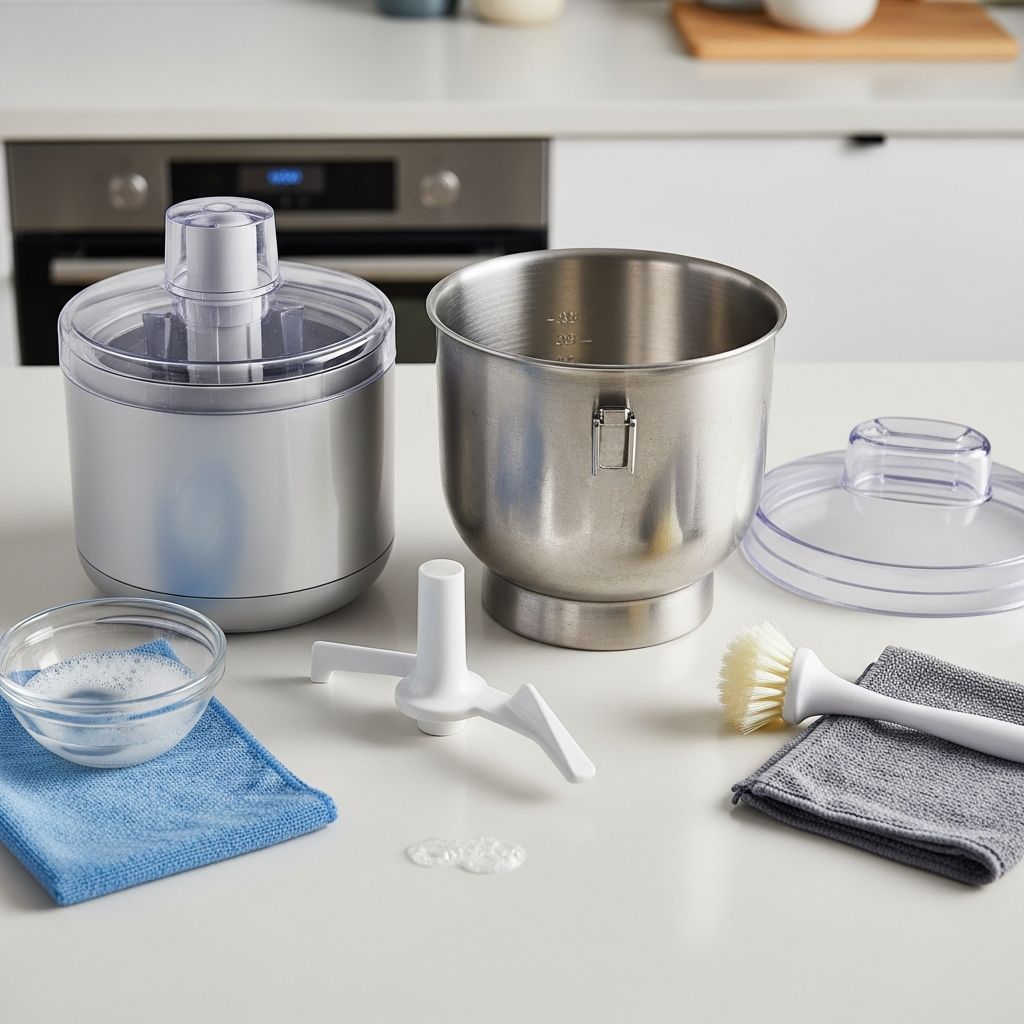
Routine Cleaning and Maintenance for Ice Cream Makers After Each Use
Regular cleaning and maintenance after every use is essential to keep any ice cream maker safe, hygienic, and performing at its best. Ice cream mixes, especially dairy-based recipes, can quickly harbor bacteria, cause unpleasant flavors, and contribute to mechanical wear if residues are left inside the machine. Industry guidance for commercial soft serve and batch freezers emphasizes a consistent routine of washing, sanitizing, and inspecting parts after each day of operation or each home use.
This guide explains a complete after-use routine suitable for both home and commercial ice cream makers, with clear step-by-step instructions, practical checklists, and model-specific tips. While you should always follow your manufacturer’s manual first, the principles below reflect best practices recommended by leading equipment suppliers and service companies.
Table of Contents
- Why Routine Cleaning After Each Use Matters
- Safety and Preparation Before Cleaning
- Step 1: Empty and Rinse the Ice Cream Maker
- Step 2: Disassemble Removable Components
- Step 3: Wash Parts Thoroughly
- Step 4: Sanitize Contact Surfaces
- Step 5: Dry, Inspect, Lubricate, and Reassemble
- Step 6: Clean and Maintain Outer Surfaces and Condenser
- Routine Cleaning by Ice Cream Maker Type
- Quick After-Use Maintenance Checklist
- Common Mistakes and Troubleshooting Tips
- Frequently Asked Questions (FAQs)
- Conclusion
Why Routine Cleaning After Each Use Matters
Ice cream machines process perishable ingredients such as milk, cream, and eggs, all of which are highly susceptible to bacterial growth if left at room temperature and in small crevices. Residual mix coats the interior surfaces, auger, blades, and dispensing parts, and can spoil within hours if not removed. Commercial guidance therefore recommends that soft serve machines be thoroughly cleaned and sanitized at least once every operating day, and often more frequently in high-volume settings.
Routine after-use cleaning provides several key benefits:
- Improved food safety by reducing bacterial load and preventing biofilm buildup on food-contact surfaces.
- Better flavor and texture, avoiding cross-contamination between flavors and rancid fat residues from old mix.
- Extended equipment life by preventing sugar and fat deposits from hardening and overloading motors, seals, and scraper blades.
- Reduced risk of clogs, leaks, and inconsistent freezing performance due to buildup in mix passages and dispensing nozzles.
- Easier deep cleaning, since daily attention prevents stubborn deposits that require aggressive scrubbing or service calls.
Safety and Preparation Before Cleaning
Before beginning any routine cleaning, basic setup and safety steps are necessary to protect both the user and the machine. Equipment manufacturers consistently recommend switching the unit off, disconnecting power, and letting mechanical parts stop moving fully before disassembly.
Prepare the following items:
- Food-safe cleaning detergent suitable for dairy equipment.
- Approved sanitizer solution or powdered sanitizer mixed to the manufacturer’s specified concentration, often around 100 ppm for commercial machines.
- Soft brushes of various sizes, ideally including narrow tube brushes for mix passages and inlets.
- Non-abrasive sponges or cloths for wiping down hoppers, canisters, and exterior panels.
- Clean towels or racks for air-drying components.
- Food-grade lubricant specifically designed for O-rings and moving food-contact seals, when recommended by the manufacturer.
- Buckets or containers to collect rinse water and cleaning solution from outlets or dispensers.
Always consult your user manual for any machine-specific cautions, such as parts that should never be submerged or areas around bearings and electrical components that must remain dry.
Step 1: Empty and Rinse the Ice Cream Maker
After the final batch or end of service, the first task is to fully remove remaining mix and product from the machine. For commercial soft serve units, guidance suggests draining all remaining ice cream from the freezing cylinder and hoppers and discarding or handling rerun mix according to local health codes.
Typical steps include:
- Dispense or scoop out all remaining ice cream from the barrel or canister.
- For soft serve or pump-fed machines, empty the mix hoppers and, if permitted by regulation, transfer unused mix to clean, covered containers for refrigeration as rerun.
- Run a cold water or warm water rinse cycle if your model provides a wash mode, flushing out residual product through the dispensing nozzles into a bucket.
- Repeat rinses until the water runs mostly clear and no visible ice cream remains on walls or coming from nozzles.
A thorough rinse makes washing and sanitizing more effective by removing the bulk of fats and sugars before detergent is applied.
Step 2: Disassemble Removable Components
Once the machine is rinsed and powered off, removable parts must be taken apart to expose all food-contact surfaces. Manufacturers stress that correct disassembly allows sanitizing solution and brushes to reach behind scraper blades, seals, and inside mix passages that are otherwise hidden.
Common components to remove include:
- Mix hoppers or lids.
- Freezing canister (for many home units) and dasher or paddle.
- Auger or beater assembly in soft serve machines.
- Scraper blades and rear shell bearings, if accessible.
- Dispensing doors, spouts, and nozzles along with gaskets and O-rings.
- Drip trays and splash guards where drips tend to collect.
Keep small pieces together in a tub or bus bin with warm water to prevent loss and to start loosening residue while you clean other areas. For ice-and-salt bucket-style home makers, disassembly typically involves removing the canister, dasher, and lid and emptying out any remaining ice and rock salt from the outer bucket.
Step 3: Wash Parts Thoroughly
After disassembly, each removable part should be washed with warm, soapy water using non-abrasive tools. Industry instructions recommend using food-grade detergents and purpose-designed brushes to cover all mixing pathways and contact surfaces.
Typical washing procedure:
- Prepare a sink or tub with hot or warm water and a suitable detergent.
- Submerge removable parts that are safe to soak, such as canisters, paddles, hoppers, doors, and blades.
- Use soft brushes to scrub:
- Inside hoppers and canisters, paying attention to corners and seams.
- Mix inlet holes and narrow channels, using thin tube brushes.
- Rear shell bearing areas and any recesses on the beater or auger, while avoiding metal tools that could scratch surfaces.
- Dispensing nozzles and handles where dried product often accumulates.
- For commercial units, some guidance suggests a wash cycle with hot soapy water run through the freezing cylinder to assist cleaning internal moving parts.
- Rinse thoroughly with clean water to remove all detergent, since residual soap can affect taste and interfere with sanitizers.
For wooden bucket-style home units, manufacturers typically advise washing the steel canister and dasher with soapy water and ensuring the wooden tub is only rinsed and well dried so residual salt does not corrode the metal parts.
Step 4: Sanitize Contact Surfaces
Sanitizing is distinct from washing. While detergent removes soils and fats, sanitizers reduce potentially harmful microorganisms to acceptable levels. For soft serve machines, manufacturers and service guides specify using approved sanitizing products mixed to labeled concentrations, often around 100 ppm, and contacting all food-contact surfaces.
A general sanitizing route after washing is:
- Prepare the sanitizer solution according to the manufacturer’s instructions, verifying correct dilution.
- Soak removable food-contact parts, such as nozzles, paddles, and hoppers, in sanitizer for the required contact time.
- For soft serve units, pour sanitizer into the mix hopper and run the wash or sanitize mode to circulate solution through the freezing cylinder and dispensing path.
- Use brushes dipped in sanitizer to reach any passages that are difficult to soak, including mix inlets and level sensing probes.
- Drain sanitizer through the spouts into a bucket so that every outlet is exposed to the solution.
Some commercial procedures recommend rinsing again with potable water after sanitizing, depending on the sanitizer type and local regulations, while others are designed as no-rinse solutions. Always follow both the chemical manufacturer’s label and your equipment manual.
Step 5: Dry, Inspect, Lubricate, and Reassemble
Once parts have been washed and sanitized, proper drying and reassembly are critical to prevent mold, corrosion, and mechanical wear. Guidance from commercial operators stresses that components should be completely dry before storage or reassembly, especially rubber parts and hidden recesses.
Recommended sequence:
- Place washed and sanitized items on clean towels or racks and allow them to air-dry, or carefully towel-dry using lint-free cloths.
- Inspect O-rings, gaskets, and scraper blades for cracks, tears, nicks, or warping. Replace any damaged seals or blades to prevent leaks and inconsistent freezing.
- Check bearings and bushings for signs of wear, such as excessive mix leakage from the back of the cylinder or unusual scoring.
- Apply a thin layer of food-grade lubricant to specified O-rings, shafts, and seals as directed by your manual, avoiding over-lubrication and never using non-food lubricants.
- Reassemble the machine in the reverse order of disassembly, ensuring scraper blades are correctly positioned and all locks or latches are secure.
Routine inspection during every after-use cleaning makes it easier to catch worn parts early, rather than during a busy service period when a leak or breakdown is far more disruptive.
Step 6: Clean and Maintain Outer Surfaces and Condenser
Routine after-use maintenance should also include attention to external surfaces and, for many machines, to air vents and condenser coils. Accumulated mix drips and dust are both hygiene and performance concerns.
Key tasks include:
- Wipe down the exterior body, control panels, and handles with a damp cloth and mild detergent, then wipe again with clean water.
- Empty and clean drip trays, ensuring there is no standing mix or water that could promote microbial growth.
- Check air vents for blocked airflow; remove visible dust and lint around grills using a soft brush or vacuum, following electrical safety guidelines.
- On air-cooled commercial machines, inspect condenser coils periodically and clean off grease and dust with appropriate tools, taking care to protect fan motors and electrical components from water.
While condenser cleaning is often scheduled monthly rather than daily, observing the vents after each use helps identify buildup early and maintain efficient cooling.
Routine Cleaning by Ice Cream Maker Type
Although the core principles of rinse, wash, sanitize, dry, and inspect apply broadly, the exact routine varies by equipment type. The table below summarizes key differences in typical after-use care.
| Ice Cream Maker Type | Typical After-Use Focus | Notable Considerations |
|---|---|---|
| Home canister (pre-freeze bowl or built-in compressor) | Disassemble canister and dasher, wash with warm soapy water, rinse, dry thoroughly. | Do not immerse electrical base; avoid abrasive scrubbers that scratch nonstick liners. |
| Wooden bucket, ice-and-salt churn | Wash steel canister and dasher; rinse wooden bucket to remove salt; dry fully. | Prevent salt corrosion by rinsing and drying metal parts; store bucket dry to avoid warping. |
| Countertop soft serve (small) | Empty hoppers, rinse, disassemble auger and nozzles, wash and sanitize parts. | Lubricate O-rings and seals as specified; ensure no sanitizer residue affects next batch. |
| Commercial soft serve machine | Full daily cleaning and sanitizing of hoppers, cylinders, beaters, and dispensing doors. | Follow health code schedules; replace worn scraper blades and O-rings regularly; monitor condenser. |
Quick After-Use Maintenance Checklist
The following checklist condenses routine after-use cleaning and maintenance into a sequence you can quickly verify at the end of each use or service day.
- Turn off the machine and disconnect power where appropriate.
- Empty all ice cream from barrels, canisters, or dispensing cylinders.
- Drain or transfer remaining mix from hoppers according to food safety rules.
- Perform a warm water rinse cycle (if available) through all internal passages and nozzles until water runs clear.
- Disassemble removable parts, including paddles, blades, gaskets, nozzles, and drip trays.
- Wash all parts in warm, soapy water, using appropriate brushes for narrow channels and edges.
- Rinse thoroughly with clean water.
- Sanitize food-contact parts and internal pathways with an approved sanitizer solution.
- Allow parts to air-dry or carefully towel-dry with clean, lint-free cloths.
- Inspect O-rings, scraper blades, and seals for wear; replace any damaged components.
- Lubricate designated seals and moving parts with food-grade lubricant per the manual.
- Reassemble the machine securely and verify correct alignment of blades and seals.
- Wipe down exterior panels and empty and clean drip trays.
- Visually check air vents and condenser area for dust or blockage.
Common Mistakes and Troubleshooting Tips
Even with a clear routine, some recurring issues can undermine the benefits of cleaning. Service and manufacturer resources highlight several pitfalls operators should avoid.
- Skipping daily cleaning due to low use: Even light usage can leave enough dairy residue to support bacterial growth. Commercial guidelines state that soft serve machines should still be cleaned at least daily, regardless of volume.
- Using the wrong detergent or sanitizer: Harsh or non-food-safe chemicals can damage gaskets and internal finishes. Always select products recommended for food equipment and compatible with your machine materials.
- Incomplete disassembly: Leaving nozzles, blades, or mix inlets assembled during cleaning can trap residue behind seals or in small passages, leading to contamination and clogs.
- Over-lubricating parts: Excess lubricant can migrate into the product path and affect texture or flavor. A thin, even coat on specified seals is sufficient.
- Neglecting to inspect components: Worn scraper blades and O-rings reduce freezing efficiency and can cause leaks. Regular replacement of damaged parts is a core part of routine maintenance.
- Allowing wooden buckets or metal canisters to stay damp with salt: For traditional home machines, this accelerates corrosion and damage. Rinse salt away and dry thoroughly after each use.
If you observe recurring problems like persistent bacterial count issues, mix leakage, or inconsistent freezing, deeper troubleshooting may include checking that all supplied brushes are used on every pathway, verifying correct sanitizer concentration, and ensuring condenser coils are clean and airflow is unobstructed.
Frequently Asked Questions (FAQs)
How often should an ice cream maker be cleaned?
For commercial soft serve and batch freezers, industry recommendations specify a full cleaning and sanitizing at least once every day of operation, with additional deep cleaning scheduled weekly or as usage and health codes require. Home ice cream makers should be thoroughly cleaned after every batch, since dairy residues can spoil quickly even if the machine is used infrequently.
Do I always need to sanitize, or is washing enough?
Sanitizing is strongly recommended for any equipment processing dairy or egg ingredients. Washing removes visible soils, but sanitizing reduces microorganisms on surfaces to safer levels, which is a requirement in commercial environments and a prudent practice at home for food safety.
Can I put my ice cream maker parts in the dishwasher?
Some home models have dishwasher-safe components, but many commercial and soft serve parts, such as scraper blades and gaskets, are better hand-washed to avoid heat damage or warping. Always check your user manual for explicit dishwasher guidance before loading any parts.
How often should I replace O-rings and scraper blades?
Replacement intervals depend on usage and wear. Maintenance resources suggest inspecting these parts during every cleaning and replacing them whenever they are cracked, torn, nicked, loose, or no longer maintain a tight seal or sharp scraping action.
What type of lubricant is safe for ice cream machines?
Use only lubricants that are food-grade and explicitly approved for your machine model. Manufacturers and service guides warn against using non-food lubricants or petroleum products that could migrate into product or degrade rubber components.
Conclusion
Routine cleaning and maintenance after each use is the foundation of safe, reliable, and high-quality ice cream production. By consistently following a structured process of emptying, rinsing, washing, sanitizing, drying, inspecting, and reassembling, operators keep both home and commercial machines free of residues that can cause contamination, off-flavors, and mechanical issues.
The core practices recommended across manufacturers and service experts are straightforward but must be performed carefully, with attention to small components such as O-rings, scraper blades, and mix passages. Integrating inspection and basic preventive maintenance into the daily cleaning routine extends equipment life and reduces the likelihood of inconvenient breakdowns.
A thoughtful, informed approach means following the specific instructions in your user manual while applying the general best practices outlined here. When rinsing, washing, sanitizing, drying, and inspecting become automatic steps after every batch or service day, the ice cream maker remains a dependable tool, delivering consistent texture and safe, enjoyable products over many years of use.
Similar Articles





Read full bio of Sneha Tete