
Storing an Ice Cream Maker Between Seasons: Protecting Parts and Preventing Damage
Seasonal storage strategies to protect your ice cream maker’s components, prevent damage, and ensure reliable performance next year.
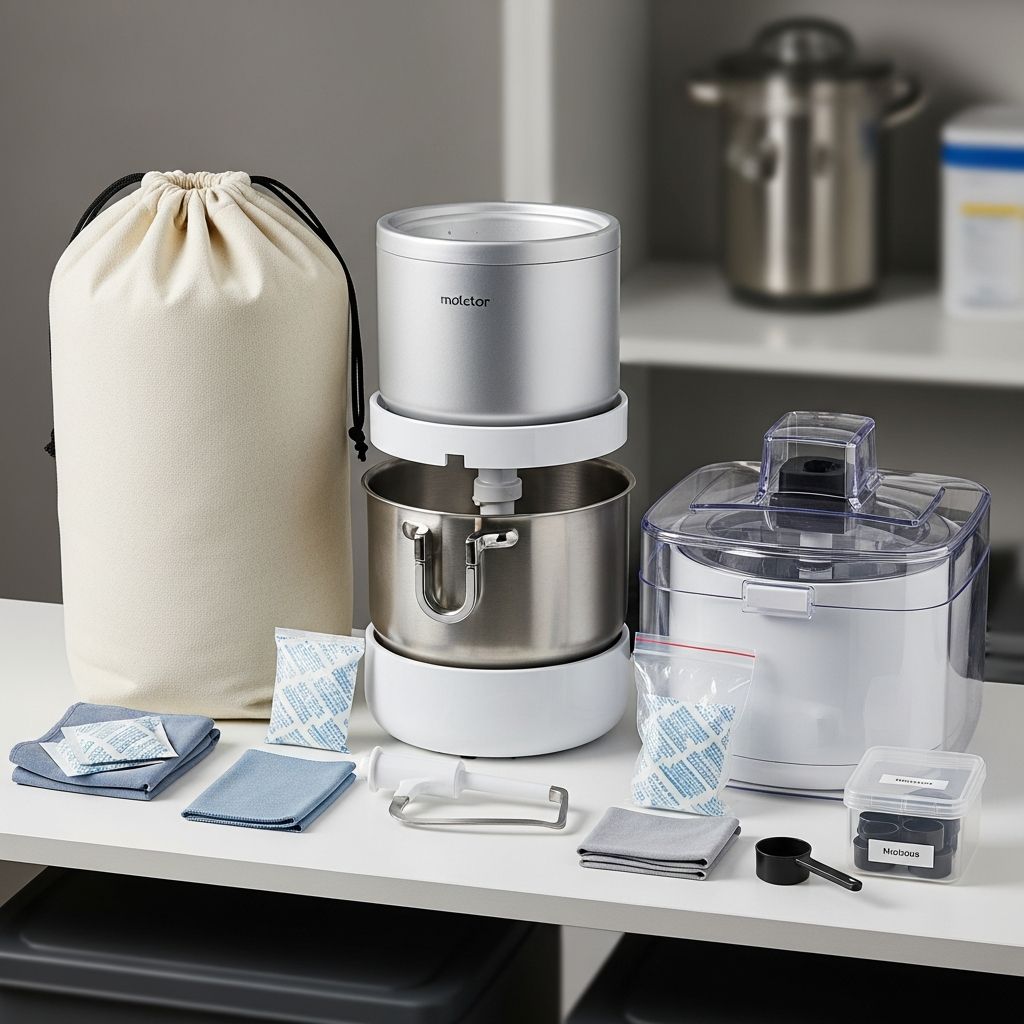
Many home cooks use their ice cream maker heavily during warm months and then pack it away for part of the year. Thoughtful off-season storage prevents damage, protects delicate parts, and helps the machine start smoothly when ice cream season returns. Improper storage can lead to cracked freezer bowls, mold growth in crevices, seized motors, or degraded gaskets and seals, problems that are also common with commercial ice cream and soft serve machines when they are not properly winterized.
Table of Contents
- Why Seasonal Storage Matters for Ice Cream Makers
- Understanding Your Ice Cream Maker Type
- Pre-Storage Cleaning: Removing Mix, Fat, and Sugar
- Drying Thoroughly and Controlling Moisture
- Disassembly and Protecting Individual Parts
- Storing Freezer Bowls and Refrigeration Components Safely
- Choosing a Safe Storage Location and Conditions
- Protecting Electrical and Mechanical Systems
- Documenting and Labeling for a Smooth Start Next Season
- Common Storage Mistakes to Avoid
- Pre-Season Startup Checklist
- Frequently Asked Questions (FAQs)
- Conclusion
Why Seasonal Storage Matters for Ice Cream Makers
Ice cream makers combine mechanical motion, food-contact parts, refrigeration or freezing elements, and electrical components in a compact appliance. Each of these elements can be damaged by poor storage conditions:
- Residual mix can spoil, attracting mold and bacteria, similar to commercial machines that must be rinsed and cleaned before winter shutdown.
- Water left in lines or crevices can freeze and crack components if exposed to low temperatures, a well-known risk in commercial ice and ice cream equipment.
- Plastic and rubber parts can warp or deform if heavy items are placed on them during storage.
- Freezer bowls with sealed coolant can be ruined if left frozen, overheated, or stored in extreme temperature swings.
- Seals and gaskets can dry out or take a compressed set if assembled tightly for months without use.
Following a clear, step-by-step storage routine reduces these risks and extends the life and performance of your ice cream maker.
Understanding Your Ice Cream Maker Type
Before deciding how to store your machine, identify which type you own, since each style has specific storage needs:
| Type of Ice Cream Maker | Key Features | Storage Priorities |
|---|---|---|
| Pre-freeze bowl electric machine | Removable insulated bowl with sealed coolant; electric motor drives dasher | Protect freezer bowl from extreme heat or impact; store bowl dry at room temperature |
| Compressor (self-refrigerating) machine | Built-in refrigeration system; no pre-freezing; heavier base unit | Avoid freezing temps; keep ventilated; prevent moisture in internal components |
| Manual or rock-salt style | Outer bucket, canister, dasher; may use ice and salt | Dry wooden buckets thoroughly; prevent rust on metallic canisters and dashers |
Consulting the manufacturer’s manual is essential for model-specific instructions, much as commercial soft serve and frozen beverage machines have detailed winterization guides.
Pre-Storage Cleaning: Removing Mix, Fat, and Sugar
Cleaning thoroughly before storage is critical to prevent rancid fats, sticky residues, and microbial growth. Commercial guidelines emphasize rinsing and cleaning all parts before shutting down for the season, and the same logic applies at home.
Step-by-step cleaning process
- Unplug the machine and allow it to cool completely if it has a built-in compressor.
- Discard any remaining ice cream or mix from the bowl or canister.
- Disassemble all removable parts: lid, dasher, paddles, splash guards, gaskets, and removable bowls.
- Wash food-contact parts in warm, soapy water using a soft cloth or non-abrasive sponge.
- Rinse thoroughly to remove all detergent traces.
- For stubborn fat or sugar buildup, soak parts briefly in warm water with a mild detergent before scrubbing.
Do not immerse the motor base or compressor unit in water. Instead, wipe these carefully with a damp cloth and mild detergent, making sure no water enters vents, controls, or electrical components.
Sanitizing for long storage
After cleaning, consider a food-safe sanitizing step, similar to commercial practices that run cleaning or sanitizing cycles before winterizing equipment.
- Prepare a diluted food-safe sanitizer according to label directions.
- Apply to food-contact surfaces and parts, then allow them to air-dry.
- Do not rinse again unless the sanitizer instructions require it.
Drying Thoroughly and Controlling Moisture
Trapped moisture is a common cause of mold, corrosion, and damage. Commercial guidance stresses removing water to prevent freezing damage in lines and components. Home users should be just as careful.
How to dry parts correctly
- Spread cleaned parts on a clean, dry towel in a single layer.
- Allow several hours of air drying; avoid stacking wet pieces.
- Use a lint-free cloth to wipe away remaining droplets from crevices and gasket channels.
- Ensure freezer bowls are completely dry before packing to prevent ice formation or corrosion marks.
If your machine has any tubes, channels, or hollow areas (more common in larger compressor units), gently tilt and drain all water, then leave access panels or lids open until interior surfaces are completely dry.
Disassembly and Protecting Individual Parts
Storing an ice cream maker fully assembled can compress gaskets and stress plastic components. Industry guidance for commercial machines recommends removing wearable parts and storing them separately in a safe, dry place, with no heavy objects on top of plastic or rubber components.
Lids, dashers, and paddles
- Store lids and paddles flat to avoid warping.
- Keep dashers in a padded container to prevent bending or chipping edges that scrape the bowl.
- Use soft padding such as bubble wrap or dish towels between parts.
Gaskets, o-rings, and seals
- Remove any rubber or silicone seals that are designed to come off for cleaning.
- Clean and dry them thoroughly to prevent mold growth.
- Store them loosely in a labeled, perforated bag or small container so they are not tightly compressed for months.
Small hardware and accessories
- Gather screws, clips, and special tools that came with the machine.
- Place them in a labeled resealable bag and tape the bag to the motor base or store in the same box.
- Avoid mixing these tiny parts with other kitchen items to prevent loss.
Protecting plastic and rubber from damage
Commercial advice stresses not placing heavy objects on plastic or rubber assemblies during storage. Apply the same principle at home:
- Do not stack heavy pans or appliances on top of the ice cream maker or its parts.
- Keep parts in a dedicated container or on a shelf where they will not be crushed.
- Avoid direct sunlight, which can age plastics and gaskets prematurely.
Storing Freezer Bowls and Refrigeration Components Safely
Freezer bowls and compressor systems are central to performance and easily damaged by poor storage conditions.
Freezer bowls (pre-freeze style)
- Do not store the freezer bowl in the freezer all winter; temperature swings, frost buildup, and impact damage from other items can harm the sealed coolant structure.
- Store the bowl at stable room temperature in a dry area, away from extreme heat sources.
- Keep the bowl upright and padded; avoid sharp impacts or dropping.
- Confirm that the bowl is completely dry before storage to prevent internal ice expansion if any moisture penetrates seals.
Compressor-based units
Compressor ice cream makers behave more like small freezers or refrigerators. They should not be exposed to freezing outdoor temperatures or strong temperature fluctuations, similar to commercial soft serve machines that need protection from freezing conditions in off-season storage.
- Store the base unit upright to protect the sealed refrigeration system.
- Avoid garages or sheds that can drop below freezing or overheat.
- Ensure the ventilation openings remain unobstructed so residual moisture can dissipate.
- Protect the control panel and display from dust and physical damage with a breathable cover.
Choosing a Safe Storage Location and Conditions
Storage conditions influence the lifespan of both mechanical and food-contact parts. Commercial guidance recommends leaving doors or sealed compartments cracked open to allow airflow and prevent trapped odors and mold.
Ideal storage environment
- Temperature: cool to moderate and stable; avoid freezing or very hot locations.
- Humidity: relatively low to prevent corrosion and mold.
- Cleanliness: free from heavy dust, grease, or pests.
Good locations include interior closets, pantry shelves, or a conditioned basement shelf. Less ideal locations include unheated garages, sheds, or attic spaces with extreme heat swings.
Airflow and odor control
- Store the motor base with its top cover or lid slightly ajar to allow air circulation, similar to how commercial operators leave refrigerator doors cracked open during seasonal shutdowns.
- Avoid sealing freshly washed parts in airtight plastic while still slightly damp.
- If odors are a concern, place a small open box of baking soda or a food-safe odor absorber near the stored unit (not directly on electrical parts).
Protecting Electrical and Mechanical Systems
Ice cream makers include motors, gears, and, in some models, complex refrigeration components. Commercial winterization often includes draining water, insulating exposed parts, and occasionally applying safe antifreeze or running special cleaning cycles. Home appliances are simpler, but similar principles apply.
Power and cord care
- Ensure the unit is unplugged before cleaning and storage.
- Inspect the power cord for damage; replace or repair before next season if needed.
- Wrap the cord loosely and secure it with a soft tie; do not sharply bend or pinch it under the machine.
Motor and gearbox
- Do not lubricate the internal motor unless the manufacturer specifically instructs you to do so.
- Remove any visible residue from the drive coupling and wipe dry.
- Store the base unit so that the drive shaft is protected from dust and impact.
Water-related components
Most home ice cream makers do not have plumbed water lines, but manual or rock-salt machines may have drain plugs or channels. Any water left inside can freeze and cause cracking in cold conditions, a problem seen extensively in commercial ice and ice cream equipment when not fully drained.
- Drain all water from buckets, canisters, or channels.
- Leave drain openings slightly open during drying and storage to encourage airflow.
Documenting and Labeling for a Smooth Start Next Season
Months after storing your ice cream maker, it is easy to forget where parts go or which gasket belongs on which component. Simple labeling saves time later.
- Label bags or containers: “Lid and gaskets for ice cream maker,” “Dasher assembly,” and similar descriptions.
- Place a printed copy of the user manual or a quick-reference sheet in the same container as the parts.
- Note any issues to address before next use, such as replacement seals or a slightly noisy motor.
Common Storage Mistakes to Avoid
Many off-season problems can be traced to a few recurring mistakes. These are similar in principle to issues encountered when commercial ice cream machines are not winterized correctly.
- Leaving product in the machine: Ice cream mix left in a machine all winter can cause severe hygiene problems and difficult cleanup.
- Storing while damp: Moisture trapped in small spaces promotes mold, corrosion, and bad odors.
- Stacking heavy items on parts: This can distort lids, crack plastic, or crush rubber components.
- Freezing the machine: Storing in unheated areas where water or residual moisture can freeze may crack bowls or other parts.
- Failing to unplug: Appliances should be unplugged to avoid accidental activation or electrical hazards.
Pre-Season Startup Checklist
When warmer weather returns and you are ready for fresh ice cream, follow a quick restart procedure, just as commercial shops perform a startup check after winter.
Inspection and cleaning
- Retrieve all labeled parts and verify nothing is missing.
- Inspect seals, gaskets, and plastic parts for cracks, warping, or brittleness.
- Clean and sanitize parts again before first use, especially if they have gathered dust.
Functional checks
- Plug in the machine and briefly run it empty (if the manual allows) to confirm the motor operates smoothly.
- For compressor models, turn on the chilling cycle to confirm the unit cools appropriately.
- Check that the dasher rotates freely without scraping more than normal against the bowl.
Test batch
- Make a small test batch of ice cream to confirm freezing time, texture, and operation.
- Listen for unusual noises such as grinding or clicking that may indicate a misaligned or damaged part.
Frequently Asked Questions (FAQs)
Q: Should I leave my ice cream maker assembled or disassembled during storage?
A: It is generally better to store the machine disassembled. Commercial guidance encourages removing wearable parts and storing them separately, which reduces compression on gaskets and makes it easier to keep each piece clean and dry.
Q: Can I store the freezer bowl in the freezer year-round?
A: While some people keep a freezer bowl frozen for convenience, long-term storage in a crowded freezer increases the risk of impact damage and exposure to temperature fluctuations. For seasonal storage, dry it thoroughly and keep it at room temperature in a protected area.
Q: How do I prevent mold from forming on my ice cream maker in storage?
A: Clean and sanitize thoroughly, dry all parts completely, and store in a cool, low-humidity environment with some airflow. Leaving lids or doors slightly open, as recommended for other refrigerated equipment, helps prevent trapped moisture and odors.
Q: Is it safe to use antifreeze or special chemicals in a home ice cream maker for winterizing?
A: Commercial ice and ice cream machines may use food-grade antifreeze in water circuits to prevent freezing damage, but home ice cream makers typically do not have those circuits and should not be filled with antifreeze. Follow your manufacturer’s manual; for most home units, careful cleaning, drying, and storing in a temperature-controlled space is sufficient.
Q: Do I need professional service to prepare a home ice cream maker for off-season storage?
A: Commercial shops sometimes hire professionals to winterize complex soft serve machines, but home units are usually simple enough for DIY care. Consult your manual for any specific maintenance steps, and consider professional service only if you notice mechanical problems such as unusual noise, leaks, or failure to freeze properly.
Conclusion
Storing an ice cream maker between seasons is not complicated, but it does require deliberate steps: thorough cleaning, complete drying, careful disassembly, and placement in a stable, protected environment. These same principles underpin winterization recommendations for commercial ice cream and soft serve equipment, where failure to remove product, drain water, and protect components can lead to costly repairs and operational delays.
By applying a structured approach at home, you protect delicate plastic and rubber parts from crushing or warping, keep freezer bowls and compressor systems away from damaging temperature extremes, and preserve sanitary food-contact surfaces. When ice cream season returns, your machine will be clean, intact, and ready to produce consistent results without surprises.
A thoughtful off-season routine turns your ice cream maker from a fragile seasonal gadget into a reliable, long-lived appliance that performs as expected year after year.
Similar Articles







Read full bio of medha deb