Typical Lifespan of Home Ice Cream Makers and Key Factors That Affect Durability
Understand how long home ice cream makers usually last and what real-world factors most influence their reliability and performance over time.
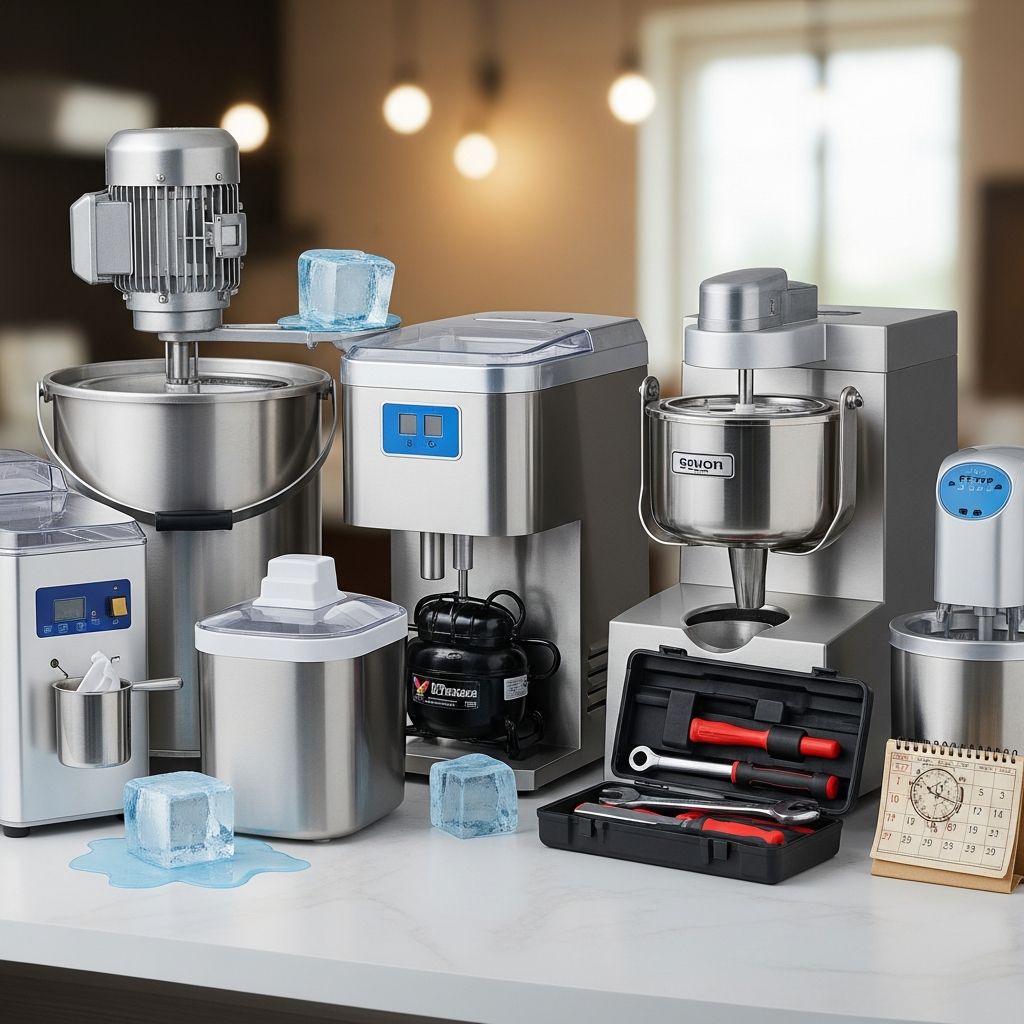
Typical Lifespan of Home Ice Cream Makers and What Affects How Long They Last
Home ice cream makers have become popular appliances for families and dessert lovers who want control over ingredients, flavors, and freshness. While recipes and storage tips for homemade ice cream are widely discussed, many owners wonder how long the machines themselves are likely to last and what they can do to keep them working reliably.
This article explains the typical lifespan of different types of home ice cream makers, the main factors that affect durability, and the habits that either shorten or extend their usable life. It also includes a comparison table, maintenance checklist, and answers to frequently asked questions.
Table of Contents
- Overview: How Long Do Home Ice Cream Makers Usually Last?
- Common Types of Home Ice Cream Makers
- Typical Lifespan by Ice Cream Maker Type
- Key Factors That Affect How Long Ice Cream Makers Last
- How Usage Patterns Influence Lifespan
- Maintenance Practices That Extend Lifespan
- Signs Your Ice Cream Maker May Need Repair or Replacement
- Comparison Table: Types, Lifespan, and Care Needs
- Frequently Asked Questions (FAQs)
- Conclusion
Overview: How Long Do Home Ice Cream Makers Usually Last?
The typical lifespan of a home ice cream maker depends heavily on its design, build quality, how often it is used, and how well it is maintained. Although manufacturers rarely publish exact lifespan figures, user experience and appliance trends suggest broad ranges:
- Basic freezer-bowl electric machines: about 3 to 7 years with normal household use
- Built-in compressor ice cream makers: about 5 to 10 years, often longer with good care
- Manual hand-crank or high-quality traditional freezers: 10 years or more when well maintained, sometimes decades for heavy-duty models
These ranges are not guarantees. A lightly used budget model can last longer than expected, while a poorly maintained premium machine can fail early. Understanding the different designs and stress points helps you predict and improve your own machine’s lifespan.
Common Types of Home Ice Cream Makers
Before looking at lifespan details, it is helpful to distinguish the main categories of home ice cream makers, since each type has distinct wear points and maintenance needs.
1. Freezer-Bowl Electric Ice Cream Makers
These are among the most common models for home use. They include a removable insulated bowl filled with a freezable gel. The bowl must be frozen in your freezer for several hours before churning.
Key characteristics:
- Electric motor spins the dasher inside the frozen bowl
- Relatively simple construction and lower price point
- Depend on the long-term integrity of the freezer bowl’s sealed coolant and the motor’s torque
2. Compressor Ice Cream Makers
These machines use a built-in refrigeration compressor, similar to a small freezer, to chill the mixture directly in the bowl. Many mid-range and premium home models fall into this category.
Key characteristics:
- No pre-freezing of bowls required
- More complex internal systems: compressor, fans, sensors, and electronics
- Capable of back-to-back batches
3. Manual Hand-Crank and Traditional Ice Cream Freezers
Manual freezers typically consist of a metal canister for the ice cream mix, a dasher, a hand crank, and an outer tub. Some modern designs use durable poly tubs and stainless-steel canisters for improved longevity.
Key characteristics:
- No electric motor; power comes from manual cranking
- Simpler mechanical parts and fewer electronic failure points
- Durable materials like stainless steel, heavy-duty gears, and robust tubs can last many years
4. Specialty and Attachment-Based Ice Cream Makers
Some stand mixers or specialty appliances offer ice cream maker attachments. These often use the same basic concepts as freezer-bowl models but rely on the stand mixer’s motor.
- Fewer dedicated parts, but lifespan depends on the primary appliance motor
- Freezer bowl integrity still a major factor
Typical Lifespan by Ice Cream Maker Type
Each design concentrates stress on different parts: motors, gears, seals, compressors, or bowls. This section outlines typical lifespan expectations and common failure modes for each type.
Freezer-Bowl Electric Machines
Approximate lifespan: 3 to 7 years for routine home use.
Common limiting factors:
- Loss of performance in the freezer bowl if the sealed coolant gel leaks or loses effectiveness over time
- Motor strain when mixture is overfilled or too thick, potentially causing early motor wear
- Plastic components (gears, lids, paddle mounts) cracking or deforming from stress or improper storage
Because these machines are often built to a price, their long-term durability can vary widely by brand and model. Responsible use and avoiding overloading can significantly extend their lifespan.
Compressor Ice Cream Makers
Approximate lifespan: 5 to 10 years, sometimes longer when properly maintained.
Common limiting factors:
- Wear or failure of the refrigeration compressor similar to what can occur in small refrigerators
- Dust accumulation in vents and on internal coils causing overheating or reduced cooling performance
- Electronic control boards, sensors, or relays failing after years of thermal cycling
- Motor and gear train wear when thick mixes are churned repeatedly without rest
Quality compressor units are often designed for many years of reliable service, comparable to other small refrigeration appliances. Proper ventilation, cleaning, and avoiding constant maximum-load operation help preserve their life.
Manual Hand-Crank and Traditional Freezers
Approximate lifespan: 10 years or more, especially for heavy-duty designs with quality materials.
Durability highlights:
- Few components can fail if the tub, canister, dasher, and gears are made from durable materials such as stainless steel and quality plastics
- Some high-grade manual freezers are marketed specifically with long-life construction, such as leak-proof poly tubs and rust-resistant hardware
- Gears and crank mechanisms can last for many seasons if lubricated and cleaned properly
Because there are no electronics or compressors, these machines can remain functional for decades, assuming they are not left exposed to harsh weather, corrosion, or neglect.
Stand-Mixer Attachments and Specialty Units
Approximate lifespan: 5 to 15 years, depending on the primary appliance and the quality of the bowl or attachment.
Key points:
- The stand mixer’s motor is usually more robust than the small motors in budget ice cream makers, so mechanical life can be long if not overloaded
- Freezer bowls or flexible linings can degrade over time, similar to dedicated freezer-bowl machines
- Replacement bowls or paddles may be available, which can effectively extend functional lifespan
Key Factors That Affect How Long Ice Cream Makers Last
Lifespan is never just about the calendar. Several practical factors heavily influence how many years of use you get from your ice cream maker.
1. Build Quality and Materials
Higher-grade materials commonly translate to longer life, especially in parts under mechanical stress or exposed to moisture and cold.
- Metal gears vs. plastic gears in drive systems
- Stainless steel canisters vs. thin or easily dented metal
- Poly or stainless tubs vs. untreated wood that may crack or leak over time
- Quality seals around freezer bowls and compressor components
2. Motor and Mechanical Load
Electric models are limited by the life of their motors and gear trains. Excessive load dramatically shortens lifespan.
- Overfilling the bowl increases resistance and load on the motor
- Churning very thick or frozen mixtures can cause sustained high torque
- Running back-to-back batches without cooling time stresses motors and electronics
3. Cooling System Stress (For Compressor Models)
Compressor-based machines behave similarly to small freezers or air conditioners. Their cooling system lifespan depends on:
- Ventilation: blocked vents and poor airflow cause overheating
- Environmental temperature: operating in hot kitchens increases compressor workload
- On-off cycling: constant short cycles or rapid power interruptions can be hard on compressors
4. Frequency of Use
How often you use your machine has a straightforward impact on wear:
- Occasional use (a few times per month) often enables many years of service
- Very frequent use (multiple times per week) can approach semi-commercial duty and reveal weaknesses sooner
- Long periods of disuse may also cause seals to dry out or lubricants to settle, especially if storage conditions are poor
5. Cleaning and Maintenance Habits
Moisture, leftover dairy, sugar, and salt can all damage components over time if not cleaned thoroughly.
- Residual salt or brine (in traditional ice and rock salt methods) can corrode metal parts if not rinsed away
- Sticky residues can stress motors and gears if they harden in crevices
- Improper cleaning methods, such as immersing non-submersible motor bases in water, can cause electrical failure
6. Storage Environment
Where and how the machine is stored is often underestimated:
- Humid or unheated areas (garages, sheds) can promote rust, mold, and cracking of plastics
- Extreme temperature swings can affect seals, freezer-bowl coolant, and electronics
- Stacking heavy items on a freezer bowl or lid may deform or crack components
How Usage Patterns Influence Lifespan
Beyond raw frequency of use, several behavior patterns strongly affect how long a home ice cream maker lasts.
Batch Size and Mixture Type
Repeatedly operating at or beyond recommended capacity is a common cause of early failure.
- Following maximum fill lines prevents overflow and undue load on the dasher and motor
- Very dense or low-air recipes, such as heavy custards with lots of solids, make churning harder work for the machine
- Add-ins like nuts, candy, or cookie chunks should be mixed at the right time to avoid jamming the dasher
Continuous or Back-to-Back Use
Many home machines are designed for one batch at a time.
- Freezer-bowl units often need the bowl fully re-frozen between batches for proper operation
- Compressor units usually recommend a rest period between cycles to protect the compressor
- Ignoring rest recommendations can shorten the life of motors and cooling systems
Respecting Operating Instructions
Seemingly small details in manuals exist to protect the machine:
- Recommended pre-freeze times for bowls ensure proper temperature and reduce motor strain
- Minimum and maximum mix volumes help maintain good churning and prevent overflow
- Guidance on room temperature range for operation supports compressor life and performance
Maintenance Practices That Extend Lifespan
Thoughtful care can significantly extend the usable life of almost any ice cream maker. While each model has specific instructions, the principles below apply broadly.
Routine Cleaning After Each Use
- Disassemble all removable parts: bowls, lids, dashers, and canisters
- Wash food-contact parts with warm, soapy water and rinse thoroughly
- Dry completely before reassembly or storage to prevent mold, odors, and corrosion
- Wipe down motor bases and compressor housings with a damp cloth only; avoid direct water exposure
Care for Freezer Bowls
Freezer bowls are one of the most failure-prone parts in many home machines.
- Do not expose to sudden temperature shocks, such as hot water immediately after freezing
- Store level and avoid dents or punctures that could compromise the sealed coolant
- Follow manufacturer guidance on whether the bowl can be stored in the freezer long-term
Lubricating and Inspecting Mechanical Parts
Manual crank models and some electric gear systems benefit from periodic inspection.
- Check gears and cranks for chips, cracks, or rust
- Apply food-safe lubricant to metal gears or pivot points where recommended by the manufacturer
- Inspect seals and gaskets around canisters or lids for wear or tearing
Protecting Compressor-Based Units
- Keep vents clear of obstructions and dust; gently vacuum or brush vents periodically
- Allow adequate space around the unit for airflow as stated in the manual
- Do not tip or turn the machine on its side; if moved, allow it to rest upright before turning it on so internal fluids can settle
- Avoid using the machine on unstable or very hot surfaces
Good Storage Practices
- Store in a dry, temperature-stable area rather than damp basements or uninsulated sheds
- Keep small parts together in a container or inside the bowl so they are not lost or damaged
- Protect delicate plastic lids or paddles from being crushed
Signs Your Ice Cream Maker May Need Repair or Replacement
Over time, certain symptoms may indicate that your machine is nearing the end of its reliable life or that it needs specific repairs.
Performance-Related Signs
- Mixtures no longer freeze properly, even when recipes and room conditions are unchanged
- Churning takes much longer than it used to, or never reaches a firm consistency
- Freezer bowls do not stay cold long enough for a full batch, suggesting reduced coolant effectiveness
Mechanical and Electrical Symptoms
- Unusual grinding, squealing, or clicking noises from motors or gears
- Repeated tripping of circuit breakers or blown fuses when the machine starts
- Sudden shutoffs or flickering control panels on compressor models
- Visible cracks, warping, or damaged wiring on the base unit
When Repair Is Worth Considering
- High-quality compressor models may justify professional repair if parts are available and the cost is reasonable compared to replacement
- Simple parts such as paddles, lids, or bowls can often be replaced at modest cost
- Older manual freezers with solid construction may benefit from replacement gears or minor hardware repairs rather than full replacement
Comparison Table: Types, Lifespan, and Care Needs
| Ice Cream Maker Type | Typical Lifespan (Home Use) | Main Wear Points | Key Care Priorities |
|---|---|---|---|
| Freezer-bowl electric | 3 to 7 years | Motor, gears, freezer bowl integrity | Avoid overloading, protect bowl, clean thoroughly |
| Compressor-based | 5 to 10 years or more | Compressor, electronics, motor | Ensure ventilation, avoid overheating, follow rest cycles |
| Manual hand-crank / traditional | 10+ years | Gears, crank, tub integrity | Rinse off salt, dry fully, lubricate gears if recommended |
| Stand-mixer attachment | 5 to 15 years | Freezer bowl, stand mixer motor | Do not overload mixer, protect bowl from damage |
Frequently Asked Questions (FAQs)
Q1: Does making homemade ice cream often shorten the life of my machine?
Frequent use does add wear to motors and mechanical parts, but following capacity guidelines, giving the machine rest between batches, and maintaining good cleaning and ventilation practices can allow even heavily used machines to last for many years.
Q2: Can poor storage of homemade ice cream damage the ice cream maker itself?
Storage practices mainly affect the ice cream, not the machine. However, leaving residue in the bowl or canister for long periods before cleaning, or storing still-wet parts in a closed environment, can cause corrosion, odors, and mold that indirectly reduce lifespan.
Q3: Is it safe to keep the freezer bowl in the freezer all the time?
Many owners leave the bowl in the freezer to be ready for spontaneous batches. This is generally acceptable if the manufacturer does not warn against it, the bowl is placed where it will not be struck or crushed, and frost buildup does not hide cracks or damage.
Q4: How do I know if my compressor is failing?
Common signs include the machine running much longer than normal without fully freezing the mixture, unusual clicking or humming noises, or the unit warming unusually on the sides while producing little cooling. If recipes, room temperature, and load are unchanged, a failing compressor or control component may be to blame.
Q5: Can I extend the life of a budget ice cream maker, or should I upgrade sooner?
Careful use can extend the life of budget machines: avoid overfilling, follow pre-freeze instructions, and do not force the motor when the mixture becomes very thick. If you regularly make dense recipes or frequent batches, upgrading to a more robust or compressor-based model can reduce long-term frustration and repair or replacement frequency.
Conclusion
The typical lifespan of a home ice cream maker is shaped by its underlying design, component quality, and the daily choices of its owner. Simple freezer-bowl units often provide several years of service, compressor machines can approach a decade or more when well cared for, and manual freezers made from durable materials may remain in use for much longer.
Key factors such as avoiding overload, respecting operating limits, maintaining cleanliness, and storing the machine thoughtfully have a measurable impact on longevity. Paying attention to early warning signs of stress or failure allows you to address minor issues before they shorten your machine’s life dramatically.
By matching your choice of machine to your usage patterns and adopting basic maintenance habits, you are far more likely to enjoy consistent, high-quality homemade ice cream for many seasons without unexpected breakdowns or premature replacement.
Similar Articles





Read full bio of Sneha Tete