Using Ice Cream Makers in Different Seasons: From Summer Peak Use to Smart Off-Season Storage
Learn to use your ice cream maker efficiently in summer and protect it with proper off-season storage for longer life and better results.
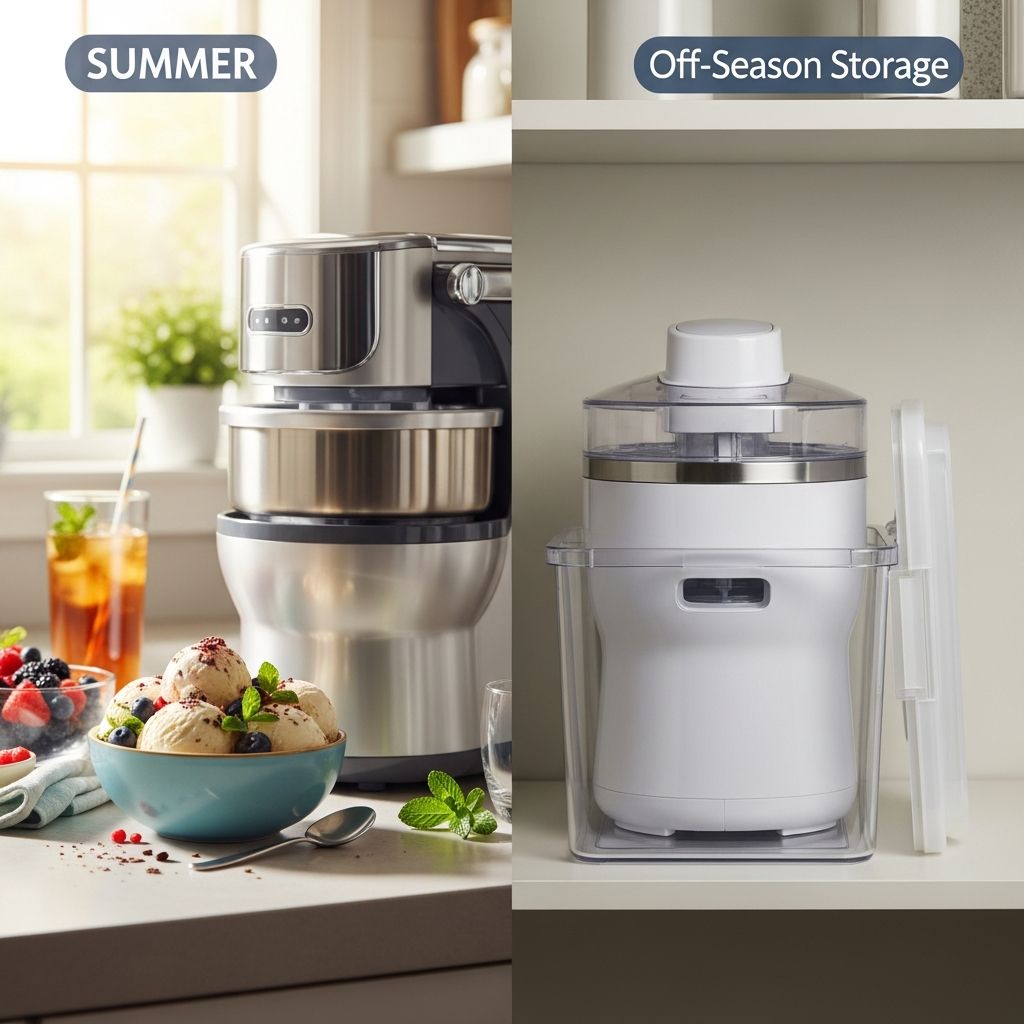
Using Ice Cream Makers in Different Seasons: Summer Peak Use vs Off-Season Storage
Ice cream makers are often seen as summer-only appliances, but how you use and store them across all seasons has a major impact on performance, food safety, and lifespan. This guide explains how to get the most from your ice cream maker in peak summer months, and how to clean, protect, and store it during the off-season so it stays ready for perfect frozen desserts whenever you need it.
Table of Contents
- Types of Ice Cream Makers and Why Seasonality Matters
- Summer Peak Use: Getting the Best Performance
- Seasonal Ingredient Preparation and Menu Ideas
- Cleaning and Routine Maintenance After Each Use
- Off-Season Storage: How to Protect Your Machine
- Climate and Environment Considerations
- Common Seasonal Problems and Fixes
- Quick Comparison: Summer Use vs Off-Season Storage
- Frequently Asked Questions (FAQs)
- Conclusion
Types of Ice Cream Makers and Why Seasonality Matters
Not all ice cream makers behave the same way in different seasons. Understanding your type of machine helps you adapt how you use and store it throughout the year.
Common Types of Ice Cream Makers
- Freezer bowl electric machines: Use a removable bowl filled with refrigerant that must be frozen for several hours or overnight before churning. These are common home models.
- Compressor (self-freezing) machines: Have a built-in compressor that chills the bowl on demand, similar to a mini freezer.
- Old-fashioned bucket and rock salt makers: Use ice and rock salt around a central canister, powered by a motor or hand crank.
- Frozen dessert or soft-serve makers: Often have multiple modes for ice cream, soft serve, and frozen drinks, and may use a freezer bowl or built-in cooling.
Seasonal factors affect each design differently. For example, pre-freeze bowls are highly sensitive to freezer capacity and ambient heat in summer, while rock salt machines demand more ice in hot weather.
Key Seasonal Challenges for Ice Cream Makers
- Higher ambient temperatures make it harder to freeze mixtures quickly and can cause softer or slushier results.
- Heavier, more frequent summer use can overheat motors and wear out seals if the machine is not allowed to rest.
- Poor off-season storage can lead to odors, rust, dust buildup, and damaged bowls or gaskets.
Summer Peak Use: Getting the Best Performance
Summer is when your ice cream maker works the hardest. Proper preparation of the machine, ingredients, and environment helps you achieve a smooth, scoopable texture while protecting the appliance from strain.
Prepare the Machine Before Summer
- Inspect seals and gaskets for cracks or stiffness, especially on older machines. Replace if they do not form a tight seal.
- Test run the machine with plain water or a simple base to ensure the motor, paddle, and freezing systems work normally.
- Clean thoroughly even if it was cleaned before storage. Dust, lingering fat, or sugar can cause off-flavors and uneven freezing.
Step-by-Step Summer Use for Freezer Bowl Machines
For the many home machines that use a pre-frozen bowl, planning and temperature control are essential.
- Freeze the bowl long enough
- Freeze the cooler bowl at least 8 hours, preferably overnight, until no liquid sloshes when shaken.
- Ensure the bowl is completely dry before freezing to avoid ice crystals inside your ice cream.
- Chill the ice cream base
- Refrigerate the prepared base for several hours or overnight so it is very cold before churning.
- Custard-based mixtures especially must be fully chilled to avoid a soupy texture.
- Set up the machine correctly
- Place the frozen bowl in the machine and add the paddle according to the instructions.
- Turn the machine on before you pour in the base to prevent large ice crystals from forming.
- Churn efficiently
- Churn for about 15–30 minutes, depending on recipe and room temperature, until thick and soft-serve-like.
- A longer churn in very hot rooms can produce heavier ice cream or may never fully set if the bowl warms too much.
- Serve or harden
- Serve immediately for soft-serve style ice cream, or transfer to an airtight container and freeze a few hours for a firmer scoop.
- Do not store ice cream in the freezer bowl itself; it will adhere to the sides and damage the surface when scraped.
Tips for Compressor and Old-Fashioned Machines in Summer
- Compressor machines
- Allow proper ventilation around the machine so the compressor can vent heat efficiently.
- Do not block air intakes or exhaust vents with towels or nearby appliances.
- Give the compressor rest time between back-to-back batches to avoid overheating.
- Old-fashioned ice and salt machines
- Use plenty of crushed ice and layer it with rock salt, starting with ice and ending with salt.
- Monitor the motor; if it starts seizing as the ice cream thickens, you may need a bit more ice, salt, or a splash of cold water.
- In very hot weather, replenish melting ice more frequently than you would in cooler seasons.
Protecting the Machine During Heavy Summer Use
- Avoid continuous back-to-back runs. After a few cycles, allow the machine to cool for about 30 minutes, especially compressor models, to prevent overheating.
- Keep the exterior dry. Condensation is more intense in humid summer kitchens; wipe down the machine after each use to prevent corrosion and mildew.
- Monitor cords and plugs. High heat and frequent use can reveal weak points in electrical components; replace damaged cords immediately.
Seasonal Ingredient Preparation and Menu Ideas
Seasonal use is also about what you make and how ingredients behave in different temperatures.
Summer-Friendly Bases and Flavors
- Use more custard-based recipes for a richer, more stable texture that resists quick melting.
- Leverage peak seasonal fruits like berries, peaches, and melons, but chill all fruit purees thoroughly before churning.
- Use glass or porcelain bowls chilled in the freezer to slow melting when serving in hot weather.
Cool-Weather and Holiday Use
In fall and winter you can still use your machine while the freezer and room temperatures are cooler and more stable.
- Create holiday flavors such as pumpkin spice, peppermint, or eggnog ice cream, which pair well with warm desserts.
- Use the machine for frozen yogurt or sorbet with citrus and winter fruits; cooler kitchens may improve texture consistency.
- Prepare smaller batches if you are making ice cream less frequently, to reduce storage time and ice crystal growth.
Cleaning and Routine Maintenance After Each Use
Cleaning is especially critical before long off-season storage, but it also matters after every summer batch to avoid odors, residue, and mechanical problems.
After-Use Cleaning Basics
- Disassemble removable parts such as paddle, lid, bowl, and any dispensing handles.
- Wash with warm soapy water, using non-abrasive sponges or brushes. Avoid metal utensils that can scratch a freezer bowl lining.
- Rinse and dry completely. Moisture trapped in crevices encourages mold, odors, and corrosion.
- Wipe the base with a damp cloth. Never immerse the motorized base or compressor unit in water.
Seasonal Deep-Clean Routine
Before putting the machine away for months, or before heavy summer use, perform a deeper clean:
- Inspect the freezer bowl interior for scratches or peeling; discontinue use if the lining is damaged.
- Check paddle and lid hinges, joints, and dispensing spouts for dried sugar or fat deposits and remove them thoroughly.
- Ensure no residual odors remain; mild baking soda solutions can help neutralize smells on food-contact surfaces.
Off-Season Storage: How to Protect Your Machine
Off-season storage is where many ice cream makers are accidentally damaged. Careful drying, packaging, and storage choices will preserve performance when summer returns.
Pre-Storage Preparation
- Dry every component thoroughly to prevent mold, mildew, and rust.
- Reassemble loosely or store major parts together so nothing is lost, but avoid clamping airtight when moisture might still be present.
- Protect plastic surfaces from heavy pressure; do not place heavy items on top of freezer bowls or lids.
Storing Freezer Bowls Safely
- If you have space and intend to use it occasionally year-round, you can store the bowl in the freezer so it is always ready, but keep it inside a bag or container so it does not absorb freezer odors.
- If storing outside the freezer, keep it in a cool, dry area to avoid refrigerant separation and condensation damage.
- Do not store bowls upside down; this can cause the refrigerant layer to settle in the wrong position for some models.
Where to Store the Base and Accessories
- Choose a dry, dust-free space, such as a pantry shelf, interior cabinet, or climate-controlled closet.
- Avoid garages and attics with extreme hot–cold cycles if possible, as they can stress plastic and electrical components.
- Use a breathable cover or cloth to minimize dust without trapping moisture against the appliance.
Long-Term Care for Compressor Machines
- Keep the unit upright during storage and when moving it, to protect internal refrigerant lines and compressor oil.
- Allow the machine to rest in its upright position for several hours before using again if it was transported.
- Periodically wipe down vents and grills to prevent dust buildup that can cause overheating in the next season.
Climate and Environment Considerations
Where you live and where you store your machine affects both seasonal performance and long-term reliability.
Humid Climates
- Expect more condensation on freezer bowls and metal parts, especially in summer. Dry components thoroughly before storage and between batches.
- Store in a space with some air circulation to avoid musty odors and mold growth.
Very Hot Climates
- Provide extra freezer time for bowls and ingredients to counter high ambient temperatures.
- Consider churning in cooler rooms, early mornings, or evenings for more reliable results.
- For compressor machines, ensure excellent ventilation; avoid tight counter spaces where heat builds up.
Cold or Seasonal Homes
- In vacation homes or cabins that are not climate controlled year-round, store the machine in insulated interior spaces instead of unheated garages.
- Allow the machine to reach room temperature before operation after a very cold winter storage period.
Common Seasonal Problems and Fixes
Some issues are more common at certain times of the year. Recognizing them helps you adjust your process instead of blaming the machine.
Summer Problems
- Ice cream stays soupy or very soft
- Cause: Bowl not fully frozen, base not chilled enough, or room too warm.
- Fix: Freeze the bowl longer, chill the mixture overnight, churn in a cooler room, or reduce batch size.
- Rough, icy texture
- Cause: Ingredients poured in when the machine was off, warm base, or lengthy churn time as bowl warms.
- Fix: Always start machine before pouring in base, ensure cold ingredients, remove ice cream as soon as it reaches soft-serve thickness.
- Motor overheating or stopping
- Cause: Too many back-to-back batches, overly thick mixtures, or blocked ventilation.
- Fix: Allow cooling breaks, follow recipe fat/sugar ratios, clear vents, and avoid extended operation once the ice cream is already firm.
Off-Season and Storage Problems
- Musty or off odors when you open the machine
- Cause: Residual moisture or trapped food particles before storage.
- Fix: Wash and dry thoroughly, use mild baking soda solutions, and store in a dry, ventilated area.
- Freezer bowl no longer seems to freeze properly
- Cause: Damage to internal refrigerant lining, storage in extreme temperatures, or age.
- Fix: Inspect for cracks or bulges; if damaged, replace the bowl. Store bowls within manufacturer-recommended temperature ranges.
- Dust and insects in spouts or vents
- Cause: Storage in open garages, basements, or attics without covers.
- Fix: Deep clean and relocate storage to cleaner, drier spaces; use breathable covers in the future.
Quick Comparison: Summer Use vs Off-Season Storage
| Aspect | Summer Peak Use | Off-Season Storage |
|---|---|---|
| Main Goal | Fast, smooth freezing and reliable performance | Prevent damage, odors, and wear while not in use |
| Machine Preparation | Inspect, deep clean, freeze bowls, test run | Deep clean, fully dry, partially reassemble |
| Environment | Coolest part of kitchen, good ventilation | Cool, dry, dust-free cabinet or closet |
| Freezer Bowl Care | Freeze solid before every batch | Store in freezer in a bag or in cool, dry storage |
| Use Frequency | Often multiple batches per week | Occasional or no use for weeks or months |
| Biggest Risk | Overheating, soupy or icy texture | Odors, mold, damaged bowls or seals |
| Best Practice | Chill ingredients well, allow rest between runs | Dry completely, cover, avoid extreme temperatures |
Frequently Asked Questions (FAQs)
Can I leave my ice cream maker’s freezer bowl in the freezer all year?
Yes, many users and guides recommend keeping the freezer bowl in the freezer so it is always ready to use, as long as you shield it from odors with a bag or container and ensure it is completely dry before storing.
How long should I let my ice cream maker rest between summer batches?
For most home machines, especially compressor units, allowing about 20–30 minutes of rest between full batches helps prevent overheating and extends the motor’s life. Old-fashioned bucket machines may also need rests when the motor strains heavily as the ice cream hardens.
Is it safe to store my ice cream maker in the garage or attic in winter?
It is better to avoid storage in places with extreme temperature swings, high humidity, or pests. Choose a cool, dry interior space instead to protect plastic parts, seals, and electrical components from stress and contamination.
Why does my ice cream not freeze well in summer even though it works in winter?
Hot ambient temperatures warm the freezer bowl and ingredients more quickly, reducing effective freezing time. Make sure the bowl is fully frozen, the base is very cold, the room is as cool as possible, and the batch size matches your model’s capacity.
How should I prepare my machine after off-season storage before using it again?
Uncover and inspect the machine, wash all removable parts, dry thoroughly, check that seals and cords are intact, then perform a test churn with water or a small batch of base to confirm proper operation before heavy summer use.
Conclusion
Using your ice cream maker wisely across the seasons is less about complicated techniques and more about respecting temperature, cleanliness, and storage. In summer, the focus is on deeply chilled ingredients, fully frozen bowls, and giving motors and compressors enough rest to work efficiently. These habits help you achieve consistently smooth, scoopable ice cream even in hot, humid kitchens.
Off-season, the machine’s needs change from performance to preservation. Careful cleaning, thorough drying, and thoughtful storage in a cool, dry, and relatively clean environment guard against odors, corrosion, and mechanical wear. Whether you keep your bowl parked in the freezer or tuck the entire unit away until the next warm spell, the key is to shield it from moisture, dust, and extreme temperatures.
By pairing good summertime operating practices with deliberate off-season storage, you transform your ice cream maker from a once-a-year novelty into a dependable, long-lived kitchen tool capable of delivering excellent frozen desserts whenever inspiration strikes.
Similar Articles







Read full bio of medha deb