
Why Ice Cream Comes Out Too Soft or Soupy From the Ice Cream Maker
Understand the science and mechanics behind soft, soupy ice cream and learn how to fix it step by step at home or in a shop.
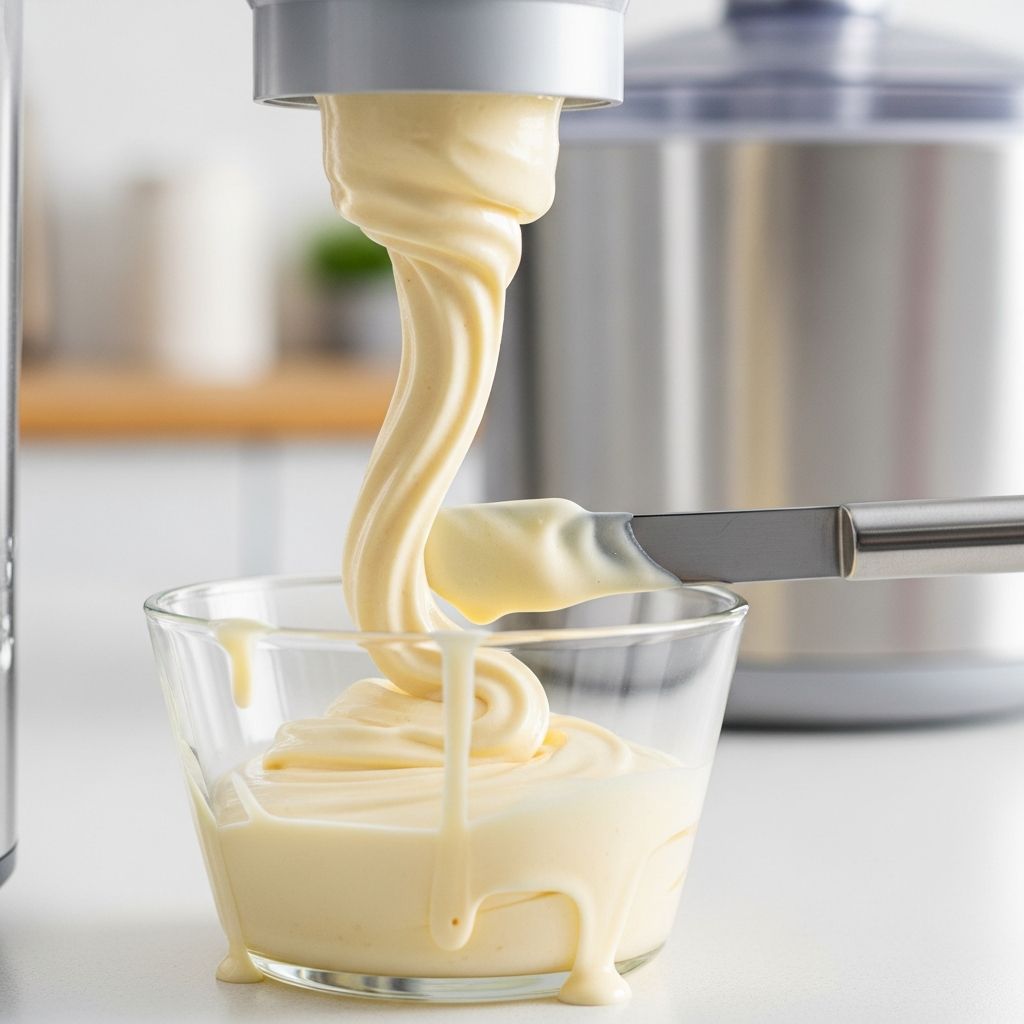
Table of Contents
- Overview: Why Ice Cream Turns Out Soft or Soupy
- How Ice Cream Freezing and Texture Really Work
- Domestic vs. Commercial Ice Cream Makers
- Mix and Recipe Issues That Keep Ice Cream Too Soft
- Temperature, Time, and Freezer Problems
- Mechanical and Machine Problems
- Soft Serve Machines: Runny or Overly Soft Product
- Step-by-Step Checklist to Fix Soupy Ice Cream
- Prevention Tips for Consistently Firm Ice Cream
- Frequently Asked Questions (FAQs)
- Conclusion
Overview: Why Ice Cream Turns Out Soft or Soupy
When ice cream comes out of the ice cream maker too soft, runny, or like a thick milkshake, it usually means one or more things have gone wrong in the balance between recipe, temperature, and equipment performance. In home machines, it is also often a matter of unrealistic expectations. Many domestic models are only designed to produce soft-scoop texture and always require a firming step in the freezer afterward.
In commercial and soft serve machines, excessively soft or soupy ice cream is frequently linked to issues such as unstable cylinder temperature, low refrigerant, worn scraper or beater blades, incorrect mix formula, or poor air incorporation (overrun).
Understanding how ice cream freezes, what your specific machine can realistically do, and how mix composition affects firmness will help you diagnose and fix the problem systematically.
How Ice Cream Freezing and Texture Really Work
Ice cream is not just frozen milk; it is a carefully balanced system of ice crystals, fat droplets, air bubbles, and dissolved sugars and solids. The ice cream maker churns and freezes the mix at the same time, creating tiny ice crystals and incorporating air while keeping everything in motion so the mixture does not freeze into a solid block.
When ice cream comes out too soft or soupy, one or more of the following has gone wrong:
- Not enough ice has formed, because the mixture never got cold enough or stayed cold long enough.
- Too much unfrozen water remains because the freezing point was lowered excessively by sugar or alcohol.
- The machine was not able to remove heat efficiently due to weak refrigeration, low refrigerant, or warm surroundings.
- The recipe was unbalanced, with too little solids or fat to support a firm structure.
Key Components That Affect Firmness
| Component | Role in Texture | Effect if Too Low | Effect if Too High |
|---|---|---|---|
| Fat | Provides creaminess, body, and structural support. | Thin, icy, melts fast, often too hard when fully frozen. | Very rich, may coat mouth; can become greasy if destabilized. |
| Sugar | Lowers freezing point, adds sweetness and softness. | Hard and icy in freezer, may seem firm but not creamy. | Very soft or soupy, difficult to freeze fully. |
| Milk solids (proteins, lactose) | Bind water, improve body, help control ice crystals. | Weak body, coarse texture. | Risk of sandy lactose crystals if too high. |
| Air (overrun) | Lightens texture, improves scoopability. | Dense, heavy, sometimes gummy. | Foamy, unstable, melts quickly. |
Domestic vs. Commercial Ice Cream Makers
It is crucial to distinguish between what a home ice cream maker and a commercial or soft serve machine are designed to do.
Domestic Ice Cream Makers
Most domestic canister or countertop ice cream machines do not have powerful built-in compressors. They rely on a pre-frozen bowl or a modest compressor and typically achieve only a soft scoop consistency in the churn.
- Once the batch reaches soft-serve thickness, it must be moved to the freezer to harden for several hours.
- If you wait for home machines to produce rock-hard ice cream, the motor can struggle or the mixture can start to warm again as the refrigerant capacity is exceeded.
Commercial Batch Freezers and Soft Serve Machines
Professional machines are designed to freeze mix quickly to a consistent draw temperature and can keep the product at an ideal serving zone, usually around -7.8 to -6.1 °C (18–21 °F) for soft serve.
- Temperature fluctuations inside the freezing cylinder, even a few degrees, can make the ice cream come out too runny or too firm.
- Problems like low refrigerant, dirty condensers, worn dasher or scraper blades, and poor airflow can all reduce freezing performance and leave the product soft or soupy.
Mix and Recipe Issues That Keep Ice Cream Too Soft
Even if your machine works perfectly, an unbalanced recipe can lead to ice cream that never quite sets in the machine.
1. Too Much Sugar or Alcohol
Sugar and alcohol both lower the freezing point of the mixture. When overused, they keep more water in liquid form, so the ice cream will stay soft or even soupy at the freezing temperature your machine can reach.
- Excess sugar makes the mix overly sweet and very soft straight from the machine; it will remain soft even after several hours in the freezer.
- Alcohol-heavy recipes (for example, boozy cocktails turned into ice cream) can be difficult to freeze unless the alcohol content is kept modest.
2. Not Enough Fat or Solids
Low-fat or “light” recipes are a common cause of disappointing texture. Fat and milk solids provide structure and help trap air and water in a stable network.
- Very low-fat mixes tend to be hard and icy after full freezing, yet they can feel strangely loose or watery during churning because ice crystals form more slowly.
- If you also reduce sugar at the same time as fat, the mix can behave unpredictably and may not reach a satisfying soft-serve stage in the machine.
3. Poorly Formulated Soft Serve Mix
In soft serve machines, the mix formula must be tailored to the machine’s operating temperature and overrun capabilities.
- Low-fat soft serve mix or heavily diluted powder can produce thin, runny servings lacking creaminess.
- Expired or degraded mix can separate, develop off-flavors, and freeze poorly, contributing to an unstable, soupy texture.
4. Incorrect Mix-to-Water Ratio and Temperature
For powdered mixes, adding too much water creates a thin base that freezes more slowly and struggles to form a stable network.
- Incorrect mix-to-water ratios lead to either too thin or too thick consistency; the thin side often presents as soft or soupy.
- If the liquid mix is too warm when put into the machine, a significant portion of the cycle is spent just cooling it down instead of actively freezing, leading to softer draw.
Temperature, Time, and Freezer Problems
Ice cream firmness is tightly linked to the temperatures reached during and after churning.
1. The Mix Never Gets Cold Enough
For proper texture, the mix needs to reach a temperature where enough water has frozen into small crystals. In soft serve systems, the ideal draw temperature is often between 18 °F and 21 °F; warmer product will be runny and melt fast.
- Unstable or too warm cylinder temperature is a major cause of runny soft serve.
- In home makers with pre-frozen bowls, if the bowl is not fully frozen or warms too quickly, the mix may never get much below freezing.
2. Insufficient Churning Time
If the churning cycle is stopped early, there is not enough time to build ice crystals and incorporate air.
- Manufacturers give approximate churn times, but if your kitchen is warm, your mix is warm, or your bowl is not fully frozen, you may need longer.
- In compressor-based machines, an overloaded batch size can also lengthen freezing time and yield a softer texture.
3. Freezer Hardening Step Ignored
In home setups, even when churned properly, ice cream almost always needs an additional 2–4 hours in the freezer to reach scoopable, firm texture.
- If you try to serve immediately from the machine and expect a store-bought hard scoop texture, it will seem too soft even though it is behaving normally for a home model.
4. Freezer Too Warm or Frequently Opened
After churning, the freezer must hold a low, stable temperature. A warm freezer or frequent door opening slows hardening and can make ice cream seem perpetually soft.
Mechanical and Machine Problems
When ice cream is consistently soft despite a sound recipe, equipment issues are often responsible, especially in commercial environments.
1. Low Refrigerant, Weak Refrigeration, or Dirty Condenser
Low refrigerant charge and weak or unstable refrigeration performance reduce a machine’s ability to pull heat from the mix. The result is a product that remains runny or never reaches the targeted viscosity.
- Low refrigerant can cause long run times, poor freezing, and soft or overbeaten product.
- Filthy condenser coils and blocked airflow cause overheating and reduced cooling capacity, again resulting in soft ice cream.
2. High Ambient Temperature and Poor Ventilation
Air-cooled machines operating in hot, poorly ventilated rooms struggle to dissipate heat. This can prevent the freezing cylinder from reaching or maintaining proper temperature.
- High ambient temperatures are a known cause of soft or overbeaten soft serve because the refrigeration system runs continuously yet cannot freeze effectively.
3. Worn Scraper or Beater Blades (Dasher Wear)
The dasher and scraper blades are responsible for scraping frozen product off the cylinder walls and mixing it evenly while incorporating air.
- Worn blades allow a layer of insulation to build up between the product and the freezing surface, leading to inefficient heat transfer and overbeating.
- Damaged or worn dashers cause inconsistent texture, sometimes leaving product icy, sometimes too soft, and can reduce air incorporation.
4. Incorrect Viscosity or Overrun Settings
Many commercial soft serve machines allow fine tuning of the viscosity or overrun. If these are set improperly, the result can be an overly soft or unstable product.
- In some machines, too high a viscosity setting can make the refrigeration and beater motor run continuously, which leads to overbeaten, poor-texture product.
- Incorrect overrun settings can yield mixes that are too dense or too airy, affecting perceived firmness and melt rate.
5. Air Tube or Priming Problems
Soft serve machines often use an air tube to introduce air into the mix. If the tube is dirty, installed incorrectly, or the machine is improperly primed, the product may not incorporate air correctly.
- Poor air incorporation gives dense, sometimes gummy product that may appear soft and heavy rather than light and creamy.
Soft Serve Machines: Runny or Overly Soft Product
In addition to the general issues already listed, soft serve equipment has several recurring, machine-specific causes of soupy product.
- Unstable cylinder temperature because of cycling problems, sensor issues, or weak refrigeration.
- Weak or unstable compressor, noisy operation, or continuous running, all of which are signs of overload or low refrigerant.
- Misaligned or inconsistent motor rotation, worn mixing chamber, or worn-out blades leading to improper churning.
- Dirty or clogged machine, including valves and passages, which can interfere with flow and freezing performance.
Step-by-Step Checklist to Fix Soupy Ice Cream
This section offers a clear, practical sequence you can apply whenever your ice cream is too soft or soupy.
Step 1: Clarify Your Machine Type and Expected Texture
- If you are using a home machine, expect soft-serve texture from the churn and rely on the freezer for hardening.
- If you are using a commercial or soft serve machine, expect a stable, scoopable or soft-serve consistency directly from the spout at the designated draw temperature.
Step 2: Review Your Recipe or Mix
- Confirm you are not using excess sugar or alcohol.
- Check that your mix has sufficient fat and solids; avoid extreme “diet” modifications that remove both fat and sugar simultaneously.
- For powdered mixes, confirm the mix-to-water ratio is correct.
- Ensure your mix is fresh and well mixed, without separation or lumps.
Step 3: Control the Starting Temperature of the Mix
- Pre-chill the base in the refrigerator to 3–4 °C (around 37–40 °F) before churning.
- Avoid pouring warm or hot mix directly into the machine; this wastes freezing capacity and leads to soft results.
Step 4: Inspect Freezing Capacity and Conditions
- For home machines with freezer bowls, ensure the bowl is frozen solid for the full recommended time (often 12–24 hours) at a very cold freezer setting.
- For commercial units, verify condenser coils are clean and that there is adequate airflow around the machine.
- Keep the machine away from hot equipment or direct sun to avoid high ambient temperatures.
Step 5: Check for Mechanical Wear or Refrigeration Issues
- Inspect dasher and scraper blades for wear and replace them according to manufacturer recommendations.
- If the compressor runs continuously, makes unusual noise, or the product never firms up, arrange a refrigerant and component check by a qualified technician.
- On soft serve units, confirm air tubes and sensors are clean and properly installed.
Step 6: Adjust Churn Time and Batch Size
- Churn until the volume has increased and the mix reaches a thick, soft-serve consistency; do not stop too early.
- Avoid overfilling the machine, which can extend freezing time beyond what the system was designed for.
Step 7: Harden in the Freezer (Home Machines)
- Transfer the churned ice cream to a shallow, pre-chilled container.
- Press parchment or plastic wrap directly on the surface to minimize ice crystal growth.
- Freeze for several hours until firm enough to scoop, understanding that home machines rarely produce fully hard ice cream without this step.
Prevention Tips for Consistently Firm Ice Cream
Once you have solved a soft or soupy batch, a few habits will help you avoid the same problem in the future.
- Use tested recipes or standardized commercial mixes where possible.
- Maintain a regular cleaning and maintenance schedule for your machine, including blades, air tubes, condensers, and sensors.
- Monitor serving temperature (especially in soft serve) and keep it within the recommended 18–21 °F range for consistent texture.
- Train staff or household members on proper priming, filling, and operating procedures, particularly in commercial settings.
- Keep an eye on ambient room temperature and ensure good ventilation around the machine.
Frequently Asked Questions (FAQs)
Why is my homemade ice cream always soft straight from the machine?
Most domestic ice cream makers are only capable of producing soft scoop or soft-serve texture and are not designed to harden ice cream to store-bought firmness in the machine alone. Once it reaches soft-serve consistency, it should be transferred to the freezer to harden further.
My soft serve is runny even after the machine cycles for a long time. What is wrong?
Runny soft serve in a commercial machine often indicates unstable cylinder temperature, weak or overloaded refrigeration, low refrigerant, or dirty condensers. Worn beater blades, incorrect mix formula, and high ambient temperature can worsen the issue.
Can low-fat or sugar-free recipes ever get firm?
Low-fat and low-sugar recipes can freeze, but they tend to become harder and icier rather than rich and creamy. The more you reduce fat and sugar, the more critical it becomes to use stabilizers and carefully balanced solids to avoid poor texture and excessive softness during churning.
Why does my ice cream melt quickly even when it looks fine at first?
Ice cream that seems to melt very quickly usually has issues with either overrun, recipe balance, or serving temperature. Too much air, high sugar, or too warm draw temperature can produce a product that appears set but collapses and melts rapidly once served.
How often should I replace blades and service my soft serve machine?
Many manufacturers suggest replacing mixing or scraper blades every 12–18 months in regular commercial use, and possibly sooner in high-volume operations. Regular maintenance, cleaning, and checks on refrigerant and compressor health are essential for consistent freezing performance.
Conclusion
Ice cream that comes out too soft or soupy from an ice cream maker is almost always the result of a combination of recipe balance, freezing temperature, and equipment condition. In many home situations, the texture you see in the machine is normal, and the solution is simply to allow enough hardening time in a sufficiently cold freezer. In commercial and soft serve systems, persistent softness is more likely tied to issues such as unstable cylinder temperature, poor refrigeration performance, worn components, or incorrect mix formulation.
By examining your mix composition, starting temperature, ambient conditions, and machine maintenance in a methodical way, you can usually identify the main cause of soft or soupy texture and correct it. Over time, keeping recipes standardized, machines clean and well maintained, and temperatures tightly controlled will lead to consistently firm, creamy ice cream that meets the expectations of both home cooks and professional operators.
Similar Articles






Read full bio of medha deb