
Air Conditioner Noise Problems: Types of Sounds, Causes, and When to Worry
Understand common air conditioner noises, what they usually mean, and how to decide when a sound is normal, fixable, or a serious warning sign.
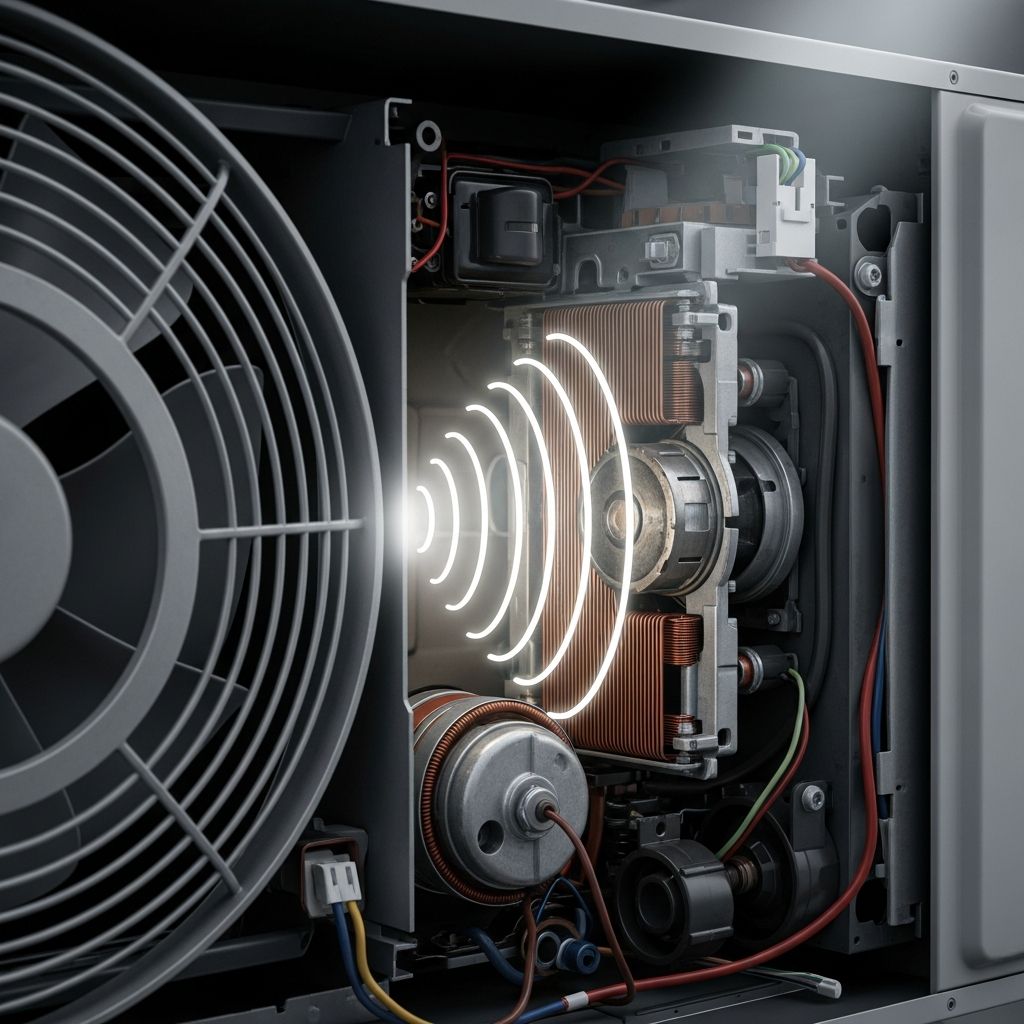
Air Conditioner Noise Problems: Types of Sounds, Likely Causes, and When to Worry
Most air conditioners produce some level of humming or airflow noise during normal operation. However, sudden new sounds, unusually loud operation, or sharp, irregular noises can point to underlying problems that may reduce efficiency, shorten equipment life, or even create safety concerns. Understanding the types of AC sounds, their likely causes, and which ones require urgent attention helps you respond appropriately without unnecessary panic.
Table of Contents
- Normal AC Sounds vs. Problem Noises
- Common Types of Air Conditioner Noises
- Banging or Clanking Sounds
- Screeching or Squealing
- Buzzing, Humming, or Electrical-Like Noises
- Rattling, Vibrating, or Pulsating
- Hissing, Gurgling, or Bubbling
- Clicking, Tapping, or Light Knocking
- Whistling, Whooshing, and Airflow Noises
- Dripping, Trickle, or Running Water Sounds
- Basic Troubleshooting: What You Can Safely Check
- When to Worry and Call a Professional
- Preventive Tips to Keep Your AC Quieter
- Frequently Asked Questions (FAQs)
- Conclusion
Normal AC Sounds vs. Problem Noises
Before diving into specific noises, it is useful to separate expected operating sounds from warning sounds. Not every noise is a sign of trouble.
| Noise Category | Description | Typical Concern Level |
|---|---|---|
| Soft humming | Low, steady hum from fan and compressor running | Usually normal |
| Gentle airflow | Whoosh of air through vents at higher fan speeds | Usually normal |
| Isolated clicks | One or two clicks at startup or shutdown from relays | Usually normal |
| Sudden banging, grinding, loud squealing | Harsh or metallic sounds, especially if new or continuous | High – shut off and investigate |
| Persistent hissing or bubbling | Ongoing leak-like noise from indoor or outdoor unit | High – may indicate refrigerant issues |
Pay attention to changes: a system that suddenly becomes louder, develops a new sound, or alternates between quiet and noisy cycles often needs attention.
Common Types of Air Conditioner Noises
Most AC noise problems fall into a few recognizable patterns. These include:
- Banging or clanking – often related to compressors or loose internal parts
- Screeching or squealing – frequently linked to fan motors, belts, or bearings
- Buzzing or humming – can indicate electrical issues, loose components, or debris
- Rattling or vibrating – typically from loose hardware or debris in the cabinet
- Hissing, gurgling, or bubbling – possible refrigerant or condensate drain problems
- Whistling or high-pitched airflow – often related to ducts, filters, or airflow restrictions
- Clicking or tapping – could be normal control operation or an emerging mechanical issue
Banging or Clanking Sounds
Character: Loud, jarring hits or clunks, sometimes rhythmic, especially on startup or shutdown.
Likely causes:
- Loose or broken internal parts in the compressor, such as rods, pistons, or crankshaft components colliding as they move.
- Failing compressor, where internal damage causes knocking during each cycle.
- Loose fan blades or mounts striking the housing or grille.
- Damaged motor mount allowing the fan motor to move and hit surrounding parts.
When to worry:
- If the banging is new, loud, and persistent, turn the system off and avoid using it until a professional inspects it.
- Repeated clanking from the outdoor unit often points to a compressor issue, which can be expensive if ignored.
Screeching or Squealing
Character: High-pitched, sometimes intermittent, sometimes continuous while the unit runs.
Likely causes:
- Worn or dry motor bearings in the indoor blower or outdoor condenser fan, producing screeching or grinding as they turn.
- Loose or slipping fan belt in older or belt-driven blower assemblies, creating a sharp squeal.
- Misaligned or rubbing components where metal parts contact each other under motion.
- High compressor pressure can sometimes generate a shrill noise, which is a more serious condition.
When to worry:
- Squeals that start suddenly and repeat on every cycle usually mean the bearings or belt are close to failure; service is recommended soon.
- If the sound is extremely loud, appears with burning smells, or is tied to compressor operation, shut the system down and request urgent service.
Buzzing, Humming, or Electrical-Like Noises
Character: Low to medium-pitch buzz or hum, steady or pulsing. Sometimes louder near the outdoor unit or the indoor air handler.
Likely causes:
- Electrical component issues such as a failing contactor, capacitor, or relay buzzing during operation.
- Blower motor or fan motor problems, including weak windings or partially seized motors that hum but struggle to start.
- Loose parts like panels, screws, or brackets resonating with normal vibration.
- Debris in the outdoor unit like leaves or twigs brushing the fan as it spins.
- Clogged air filters or airflow restrictions making the system work harder and produce a louder hum.
When to worry:
- Soft humming with normal performance is usually expected. However, new, loud buzzing from the outdoor unit, especially if the fan is not turning, can indicate an electrical fault or seized motor and should be checked promptly.
- If you smell burning or see the unit trying and failing to start, switch it off and call a professional to avoid further damage.
Rattling, Vibrating, or Pulsating
Character: Rapid tapping, shaking, or rattling of metal or plastic parts; sometimes rhythmic, sometimes only on high fan speed.
Likely causes:
- Loose screws, bolts, or access panels shaken by normal operation.
- Debris inside the cabinet such as small sticks, stones, or leaves striking the fan.
- Worn or unbalanced fan blades causing vibration as they spin.
- Aging or deteriorating parts that have shifted out of position.
- Plastic base or pad vibrating under the outdoor unit, creating a pulsating sound that transmits through floors or decks.
When to worry:
- Mild rattling that disappears once loose panels are tightened or debris is removed is usually a maintenance issue rather than an emergency.
- Persistent vibration that makes the unit visibly shake can lead to premature wear and may signal an unbalanced fan or failing motor; inspection is advisable.
Hissing, Gurgling, or Bubbling
Character: Leak-like hissing, or wet bubbling / gurgling sounds often from lines, coils, or near the indoor unit.
Likely causes:
- Refrigerant leak in lines or coils, sometimes heard as hissing or gentle bubbling, often accompanied by reduced cooling and possible ice on the lines.
- Condensate drain line issues where water backs up or moves through a partially blocked drain, creating gurgling noises.
- Air trapped in refrigerant or condensate lines causing intermittent bubbling or gurgling as the system runs.
- High internal pressure within the system occasionally making gurgling or hissing sounds, which may signal a more serious imbalance.
When to worry:
- Continuous hissing or gurgling paired with poor cooling or visible frost on lines is a strong sign to call a licensed HVAC technician. Refrigerant leaks must be handled professionally.
- Occasional gurgling near the drain line may simply be water moving through; if you notice backups or leaks around the air handler, the drain needs cleaning or repair.
Clicking, Tapping, or Light Knocking
Character: Distinct but softer sounds than banging; may occur at startup, during operation, or at shutdown.
Likely causes:
- Relays and control boards clicking when the compressor or fan turns on and off – usually normal.
- Loose minor components or wiring lightly tapping panels as the unit vibrates.
- Fan blades hitting small debris such as twigs or accumulated dust clumps inside the housing.
When to worry:
- Single or double clicks during each cycle are typically normal control operation.
- Rapid, constant clicking from the control area, especially if the system fails to start, may point to an electrical or control board problem that needs diagnosis.
Whistling, Whooshing, and Airflow Noises
Character: High-pitched whistling, strong whooshing, or rushing air noises, often heard at supply vents or return grilles.
Likely causes:
- Clogged or dirty air filter restricting airflow and causing air to accelerate through smaller openings, producing a whistle.
- Leaky or undersized ductwork where air escapes through gaps or is forced through tight spaces, creating whistling or high-pitched sounds.
- Closed or partially closed vents forcing air through narrow openings.
- High fan speed that is mismatched to duct design, leading to excessive airflow noise.
When to worry:
- If whistling appears suddenly, the first step is to check and replace the filter. A dirty filter is a common cause.
- Persistent duct whistling or visible duct leaks can waste energy and strain the system; professional duct sealing is recommended.
Dripping, Trickle, or Running Water Sounds
Character: Light drip, trickling, or gentle water flow, often from near the indoor unit.
Likely causes:
- Normal condensate drainage as moisture removed from the air flows into the drain pan and line.
- Partially clogged condensate line making intermittent gurgles or overflow noises as water accumulates and releases.
- Frozen evaporator coils thawing, leading to more pronounced dripping as ice melts.
When to worry:
- Soft, occasional dripping is expected. However, heavy or constant water sounds paired with visible water around the unit suggest a drain problem that should be cleared.
- If you suspect frozen coils (reduced airflow, ice on lines), turn the system off to prevent water damage and request service.
Basic Troubleshooting: What You Can Safely Check
While many noise problems call for a professional, homeowners can perform a few simple checks to rule out minor issues before scheduling a service visit.
- Power off first: Always shut off power at the thermostat and breaker before opening panels or reaching near the unit.
- Inspect and replace the air filter: A clogged filter can cause whistling, whooshing, and strain-related hums.
- Look for debris in the outdoor unit: With power off, remove the top grille if allowed and clear out leaves, twigs, and dirt that may be hitting the fan.
- Check for loose panels and screws: Gently tighten accessible panel screws on the outdoor cabinet if they are visibly loose and rattling.
- Listen for the source: Note whether the noise comes from indoor or outdoor components, from vents, or from specific areas of ductwork to help describe the problem to a technician.
Avoid opening sealed electrical compartments or compressor housings; those are intended for trained technicians only.
When to Worry and Call a Professional
Certain air conditioner noises are clear signals that professional diagnosis is needed. In particular, you should stop using the system and contact an HVAC technician when you notice:
- Loud banging, clanking, or grinding from the outdoor unit or air handler, especially if new or worsening.
- Persistent screeching or squealing that suggests failing bearings or belts.
- Continuous hissing or bubbling that may point to a refrigerant leak.
- Strong buzzing with failure to start, which could be an electrical or motor issue.
- Burning smells, smoke, or visible sparks along with any unusual noise.
- Frequent short cycling (turning on and off quickly) accompanied by strange sounds, indicating possible control or compressor problems.
Prompt attention can prevent additional damage, preserve system efficiency, and in some cases address safety concerns such as electrical faults or refrigerant leaks.
Preventive Tips to Keep Your AC Quieter
Many noise problems develop gradually as parts wear or dirt accumulates. Regular maintenance helps keep the system both quieter and more efficient.
- Schedule routine professional maintenance: Annual inspections allow a technician to lubricate bearings, check fan operation, tighten connections, and identify emerging noise sources early.
- Replace air filters regularly: Clean filters reduce airflow noise and help prevent frozen coils and other stress-related issues.
- Keep the area around the outdoor unit clear: Maintain vegetation and remove debris so objects do not enter the fan or block airflow.
- Ensure the unit is properly mounted: A stable, level pad, ideally concrete or solid wood with rubber dampers, reduces vibration and pulsating noises.
- Have ductwork inspected and sealed: Tight, well-sized ducts reduce whistling, rattling, and energy loss.
Frequently Asked Questions (FAQs)
Is some noise from my air conditioner normal?
Yes. A steady, low hum from the compressor and fans, plus a gentle whoosh of air from vents, is typical. Occasional clicks at startup and shutdown from relays and controls are also normal. What deserves attention is sudden, loud, or unusual noise that was not present before.
Can I keep running my AC if it is making a strange noise?
Minor rattles or light airflow noise after a filter change may not require an immediate shutdown. However, if you hear banging, screeching, grinding, or continuous hissing, it is safer to turn the unit off and have it inspected to prevent further damage or safety risks.
Does a noisy air conditioner always mean the compressor is bad?
No. While a failing compressor can cause banging or clanking, many noises come from loose panels, fan issues, debris, or duct problems. Only a technician can confirm whether the compressor is at fault.
Why does my AC make a loud noise only when it starts or stops?
Startup and shutdown are when motors, fans, and compressors change speed, so some noise is expected. A single thump or click may be normal. But sharp bangs, violent shaking, or metal-on-metal sounds at these moments can signal loose internal parts or mounting problems and should be checked.
Is a hissing noise from my AC dangerous?
Hissing can indicate a refrigerant leak, which reduces efficiency and can damage the system if not addressed. While brief, mild hissing might come from other benign sources, continuous hissing near refrigerant lines or coils warrants professional evaluation.
Conclusion
Air conditioners rarely fail without warning. In many cases, they first communicate trouble through changes in sound: a new rattle, a sharper buzz, a sudden squeal, or an unexplained hiss. Learning to recognize the character of these noises and their most likely causes helps you distinguish between harmless quirks and problems that could damage your equipment or compromise comfort.
Normal operation is defined by steady humming, predictable airflow, and simple clicks when cycles start and stop. In contrast, loud banging, grinding, relentless squealing, or persistent hissing usually indicate mechanical wear, electrical faults, or refrigerant and drainage issues that call for professional assessment. When in doubt, erring on the side of caution by switching the system off and seeking expert help limits the risk of more extensive repairs later.
Ultimately, the quietest and most reliable air conditioners are those that receive regular maintenance, use clean filters, sit on stable, well-supported pads, and operate with properly sealed ductwork. Paying attention to changes in sound, addressing small issues early, and relying on qualified HVAC technicians for complex problems will keep your system running safely, efficiently, and as quietly as it was designed to run.
Similar Articles





Read full bio of medha deb