Air Filters and Dust Control: How Effective Are They in Real Homes Today?
Understand how air filters and purifiers really perform against dust and particles in everyday, real-world homes.
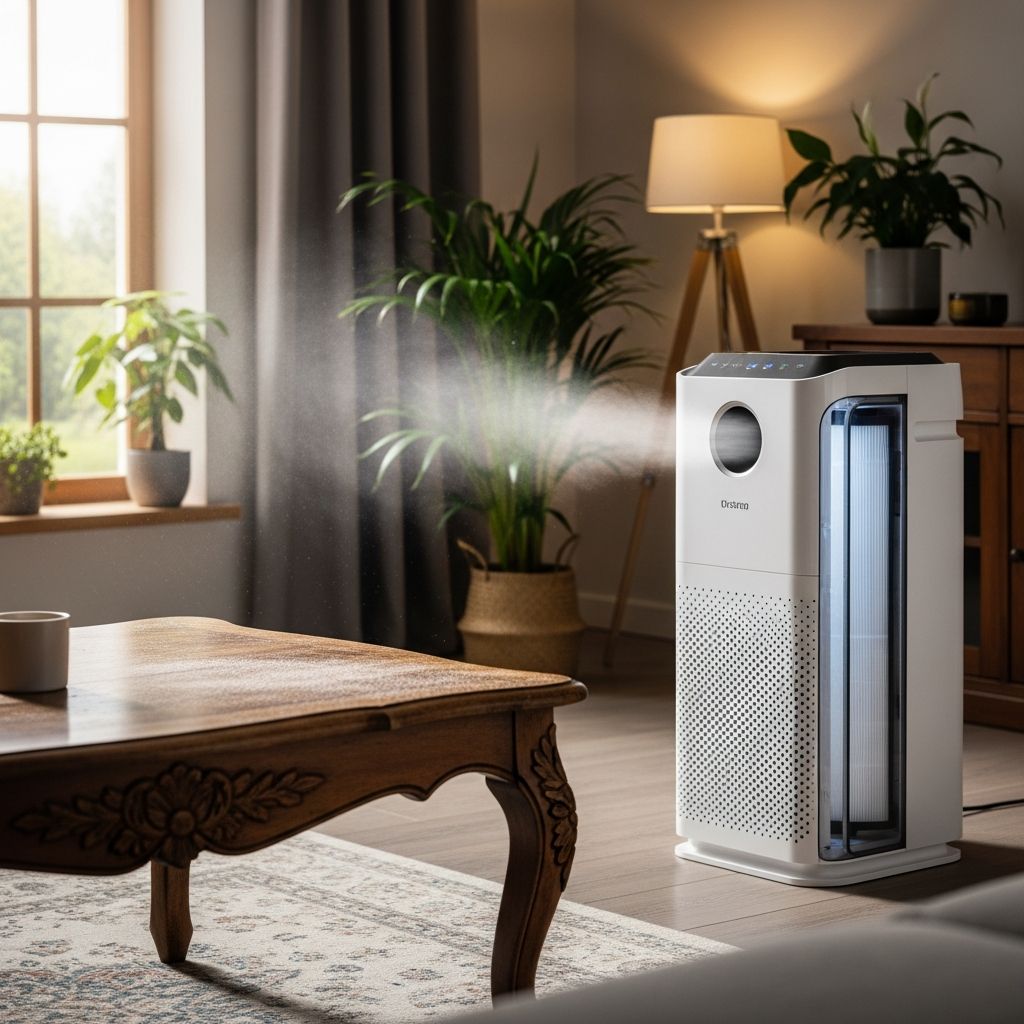
Air Filters and Dust Control: How Effective Are They in Real Homes?
Dust, smoke, pollen, pet dander, and other tiny particles are present in every home, even when surfaces look clean. Modern air filters and portable air purifiers are marketed as solutions, but their real value depends on how well they work in actual lived-in homes rather than in controlled laboratory tests. This article explains what research shows about their effectiveness, what affects performance, and how to use filtration as part of a realistic dust control strategy.
Table of Contents
- What Is Dust and Why It Matters
- Types of Air Filters Used in Real Homes
- What Research Shows About Real-World Effectiveness
- Factors That Affect Filter Performance in Homes
- Air Filters vs Dusting and Cleaning
- Choosing the Right Filtration Strategy
- Practical Tips to Improve Dust Control
- Frequently Asked Questions (FAQs)
- Conclusion
What Is Dust and Why It Matters
Household dust is not a single material but a mixture of tiny particles from several sources, including skin flakes, textile fibers, soil, pollen, soot, pet dander, and combustion by-products from cooking, candles, or smoking. Many of these particles are small enough to be inhaled deep into the lungs and some are invisible to the naked eye.
Two common size categories are often mentioned in studies:
- PM10: inhalable particles up to 10 micrometers in diameter, often including coarse dust and larger pollen.
- PM2.5: fine particles up to 2.5 micrometers that can reach the lower respiratory tract and are more closely linked to cardiovascular and respiratory health effects.
Research on indoor air purifiers often focuses on reductions in PM2.5 and PM10 as measurable indicators of how much particulate pollution is removed from the air, including components of dust.
Types of Air Filters Used in Real Homes
Most homes use a combination of filtration approaches, sometimes without the residents thinking of them as a coordinated system. The main categories are below.
HVAC and Furnace Filters (Whole-Home Filtration)
Central heating and cooling systems typically include a replaceable filter that cleans the air as it circulates. These filters are often rated using the Minimum Efficiency Reporting Value (MERV). Higher MERV ratings generally capture smaller particles more effectively, but the system’s fan and duct design must support the resistance of higher-efficiency filters.
- Low to medium MERV filters (for example, MERV 5–8) mainly capture larger dust and debris.
- Higher MERV filters (for example, MERV 11–13) can capture a significant fraction of smaller particles, including some fine dust and allergens.
Because HVAC systems move air throughout the entire house, an efficient filter can reduce dust and particulates in multiple rooms when the system fan runs frequently.
Portable HEPA Air Purifiers
Portable air purifiers are standalone units placed in individual rooms. Many use a high-efficiency particulate air (HEPA) filter designed to remove a high percentage of particles of various sizes from the air passing through the device. Real-world research on portable air cleaners shows substantial reductions in airborne particles when they are sized correctly and operated consistently.
- A pilot trial in occupied homes reported that portable air cleaners reduced average PM2.5 concentrations by around 78.8% in the primary room where the unit was located and by 57.9% in secondary rooms, with PM10 reductions of 63.9% and 60.4% respectively.
- Other studies have reported particulate reductions ranging roughly from the tens to over seventy percent depending on device and conditions.
These devices do not remove dust from surfaces, but they lower the amount of particulate matter suspended in the air, which indirectly reduces the rate at which new dust settles.
DIY (Do-It-Yourself) Air Cleaners
DIY air cleaners typically combine a box fan with one or more high-efficiency furnace filters, often with ratings such as MERV 13. Field evaluations in occupied spaces indicate that well-constructed DIY air cleaners can substantially lower indoor particulate levels, especially during high-pollution events.
- In residential wildfire conditions, two DIY units using MERV-13 filters achieved about a 56% reduction in PM2.5 over 90 minutes in a larger room and up to 99% reduction in a smaller room over 60 minutes.
- Window-mounted DIY units designed to supply filtered outdoor air have achieved 80–95% indoor particle reductions in some evaluations.
DIY devices can be cost-effective but vary in quality and lack formal certification, so their performance and safety depend on correct design and use.
Other Air Cleaning Technologies
Some products combine filtration with additional technologies such as ionization, electrostatic precipitation, or ultraviolet light. A number of reviews highlight that the evidence for some of these added technologies is less complete or mixed compared with standard mechanical filtration for general particle removal. For dust control specifically, mechanical filtration with HEPA or high-MERV filters remains the best-documented approach.
What Research Shows About Real-World Effectiveness
Laboratory test results often look impressive, but real homes involve leaky building envelopes, open doors, varying use patterns, and intermittent pollution sources. Several studies have examined portable and DIY air cleaners in occupied homes to see how well they perform under realistic conditions.
Portable HEPA Air Cleaners in Occupied Homes
A cardiac rehabilitation trial (CRAFT) evaluated portable air cleaners in 29 homes, measuring particulate levels over consecutive 24-hour periods with and without filters installed.
- In primary rooms containing the air cleaner, mean PM2.5 levels fell by about 78.8% and PM10 by about 63.9% when the filter was in place.
- Secondary rooms without a purifier still saw significant reductions: approximately 57.9% for PM2.5 and 60.4% for PM10.
- Homes that used a central air handler showed enhanced reductions in primary rooms, likely due to better mixing of cleaned air through the home.
These results demonstrate that a well-sized and properly run portable purifier can meaningfully lower airborne particle levels even over relatively short time periods.
HEPA Purifiers and Particle Size Effects
Another analysis of HEPA air purifiers found particle reductions between about 12% and 73%, depending on the device, environment, and particle size range.
- Devices tended to remove larger particles more easily than ultrafine ones, although performance varied by model.
- Purifiers often worked better during high-pollution events, such as when candles or incense were burning, than during normal background conditions.
This suggests that air purifiers can be particularly valuable during periods of elevated indoor particle generation, such as cooking, wildfire smoke incursions, or urban pollution episodes.
DIY Air Cleaners in Real Homes
Field studies on DIY air cleaners, especially during wildfire smoke episodes, show that they can provide substantial, sometimes dramatic, reductions in indoor particulate levels.
- In one home, two DIY units reduced PM2.5 by about 56% in a larger 200 m³ room and by about 99% in a smaller 50 m³ room, even while outdoor air remained smoky.
- Other deployments in lived-in buildings have reported 80–95% reductions in indoor particulate levels when DIY units were used to filter incoming air and maintain a slight positive indoor pressure.
These findings indicate that, when built and operated correctly, DIY units can rival or exceed the performance of many commercial devices in terms of particle reduction, especially in smaller spaces.
Health-Related Outcomes and User Experience
Several studies have also examined health indicators and user reactions in homes using air purifiers:
- Trials aimed at reducing traffic-related particles have found that HEPA filtration can significantly lower indoor PM2.5 and ultrafine particles, with some reports of improvements in respiratory symptoms and cardiovascular markers over time.
- Participants in long-term residence studies often report getting used to purifier noise; in one study, tolerance for operating noise increased noticeably between 30 and 90 days of use.
These results support the view that sustained use of effective filtration can improve indoor air quality and may contribute to better health, particularly for people with asthma, allergies, or cardiovascular conditions.
Summary of Real-World Performance
| Scenario | Device Type | Measured Reduction | Key Notes |
|---|---|---|---|
| Primary room in occupied homes | Portable HEPA air cleaner | ≈78.8% PM2.5, 63.9% PM10 | 24-hour test; purifier placed in main room |
| Secondary rooms in same homes | Portable HEPA in another room | ≈57.9% PM2.5, 60.4% PM10 | Benefits extend beyond the room with the device |
| General indoor conditions | HEPA purifiers (various) | ≈12–73% particle reduction | Performance varies with model and particle size |
| Wildfire smoke, larger room | DIY box-fan with MERV-13 filters | ≈56% PM2.5 reduction in 90 minutes | Ongoing high outdoor smoke levels |
| Wildfire smoke, small room | DIY box-fan with MERV-13 filters | ≈99% PM2.5 reduction in 60 minutes | Smaller, more enclosed space |
Factors That Affect Filter Performance in Homes
Real homes differ widely, and so does the effectiveness of air filtration. Several practical factors determine how much dust and particulate reduction you actually achieve.
Room Size and Airflow
- Air purifiers are rated for a specific room size and have a Clean Air Delivery Rate (CADR). Undersized units may only modestly reduce particles, while appropriately sized units can achieve much higher reductions.
- Closed doors, furniture, and complex room layouts can obstruct airflow and limit how efficiently air cycles through the filter.
Placement and Mixing
- Research shows that a purifier placed in one room can significantly reduce particles in other rooms, especially when the home’s central air system helps mix the air.
- Placing the unit where air is already circulating (for example, near the return of a central system or in common living spaces) can extend its benefits.
Filter Efficiency and Maintenance
- HEPA and high-MERV filters remove more fine particles than low-efficiency filters, but they must be replaced or cleaned on schedule to maintain performance.
- A clogged or saturated filter reduces airflow and lowers overall effectiveness, even if the filter media itself is high quality.
Operation Time and Fan Speed
- Studies that report large reductions often run purifiers nearly continuously. In one long-term trial, devices operated roughly 99% of the time during a 30–90 day period.
- Higher fan speeds increase the volume of air cleaned per hour, but also increase noise. Many households strike a balance by using higher speeds when rooms are vacant and moderate speeds when occupied.
Pollution Sources and Outdoor Conditions
- Purifiers are particularly effective during high-pollution periods, such as wildfire smoke, traffic-related pollution, or heavy cooking, because higher particle levels increase capture opportunities.
- Open windows during high-pollution episodes can dilute the benefits of filtration by allowing more particles to enter than the system can remove.
Air Filters vs Dusting and Cleaning
Air filters mostly target airborne particles. Visible dust on surfaces has already settled and will not be removed by filtration alone.
- Filtration can reduce the rate at which new dust settles by lowering the concentration of particles suspended in the air.
- Regular cleaning (such as damp dusting, vacuuming with a HEPA filter, and washing textiles) is still necessary to manage settled dust on floors, furniture, and fabric surfaces.
For many homes, the most effective dust control strategy combines ongoing air filtration with routine cleaning that prevents dust from being stirred back into the air.
Choosing the Right Filtration Strategy
Because the effectiveness of air filters depends on context, it is useful to think in terms of a strategy rather than a single device. The best approach usually blends whole-home filtration, room-level purification, and source control.
Whole-Home vs Room-by-Room Approaches
Homeowners often wonder whether they should rely on a central HVAC filter, place purifiers in every room, or use a hybrid approach.
- Evidence from real homes suggests that a purifier in one main room can reduce particles substantially in that room and also in other rooms, especially if a central air handler is running.
- If your HVAC system is active and uses a high-MERV filter, it can provide background filtration throughout the house, while one or two portable units can be used in high-priority rooms such as bedrooms or living areas.
- In homes without central air systems, room-level devices (portable or DIY) become the primary means of filtration.
Special Situations: Wildfire Smoke and Urban Pollution
During high-pollution events, research indicates that both commercial and DIY devices can dramatically improve indoor air quality when operated continuously.
- Field studies during wildfire smoke episodes have documented reductions of 50–99% in indoor PM2.5 using DIY or portable air cleaners.
- Closing windows and minimizing air leaks during these periods enhances the impact of filtration.
In dense urban areas with significant traffic emissions, long-term HEPA filtration in homes has been associated with sustained reductions in indoor fine particles and ultrafine particles, which may support cardiovascular and respiratory health.
Practical Tips to Improve Dust Control
Evidence from real homes points to several practical steps that make air filters and purifiers more effective for dust and particulate control.
- Match device capacity to room size: Choose purifiers with a CADR appropriate for the area and ceiling height of the room.
- Use high-efficiency filters: Select HEPA or high-MERV filters where possible, while ensuring compatibility with your HVAC system.
- Run devices consistently: Aim for continuous or near-continuous operation in key rooms, especially during high-pollution activities such as cooking or in wildfire season.
- Maintain filters: Replace or clean filters as recommended. Diminished airflow reduces effectiveness even if the filter media remains intact.
- Optimize placement: Position purifiers where airflow is unobstructed and where air naturally circulates through the room. Avoid placing them behind furniture or heavy curtains.
- Control sources: Reduce indoor combustion, minimize burning candles and incense, and ventilate cooking areas when outdoor air quality allows.
- Combine with cleaning: Use vacuum cleaners with HEPA filters, damp dusting, and regular laundering of textiles to remove settled dust that filtration cannot capture.
Frequently Asked Questions (FAQs)
Q1: Can air filters completely eliminate dust in my home?
No. Even highly efficient filters cannot eliminate dust entirely. They are most effective at reducing airborne particles, which can slow the buildup of dust on surfaces, but regular cleaning is still required. Studies show large reductions in airborne PM2.5 and PM10 but not complete removal.
Q2: Will one air purifier help the entire house?
Research indicates that a single purifier placed in a main room can significantly reduce particle levels in that room and also in other rooms, particularly when the central air system circulates air throughout the home. However, the effect is strongest near the unit, so multiple devices or strategic placement may be needed for larger or multi-story homes.
Q3: Are DIY air filters as effective as commercial purifiers?
Field evaluations during real events such as wildfire smoke have shown that well-designed DIY air cleaners using quality filters can achieve reductions in PM2.5 comparable to or greater than many commercial units, especially in smaller rooms. Performance, however, depends heavily on proper construction, filter quality, and safe operation.
Q4: Do air filters help with allergies and asthma?
While individual responses vary, multiple studies show that reducing indoor particulate levels, including fine dust and allergens, can improve symptoms for many people with asthma or allergies. Air filters cannot eliminate all triggers, but they can be an important part of a broader management plan that includes cleaning, source control, and medical care when needed.
Q5: Are there downsides to running air purifiers all the time?
Common concerns include noise, energy use, and filter replacement costs. Long-term studies show that many occupants become less bothered by noise over time and that continuous operation is often necessary to maintain large reductions in particulate levels. Selecting energy-efficient models and using appropriate fan speeds can help manage operating costs.
Conclusion
Evidence from real homes, rather than only from laboratory tests, shows that air filters and purifiers can substantially reduce airborne particles, including components of household dust. Portable HEPA devices, high-MERV HVAC filters, and well-constructed DIY cleaners have all demonstrated reductions that often range from several tens of percent up to around 80% or more for fine particles like PM2.5 under typical household conditions, and even higher during specific high-pollution events.
At the same time, filtration is not a complete solution. It does not remove dust already settled on floors and furniture, nor can it fully compensate for strong indoor sources such as heavy smoking or extensive candle burning. Its real strength is in forming part of a layered strategy that combines effective filtration, thoughtful source control, and consistent cleaning routines.
For most households, a thoughtful, evidence-based approach means choosing filters and purifiers that match the size and layout of the home, operating them consistently with proper maintenance, and integrating them with other habits that limit dust and particulate buildup. When used in this way, air filters are an effective tool for making indoor air cleaner and more comfortable in everyday living conditions.
Similar Articles




Read full bio of Sneha Tete