
Air Fryer Cooking for Beginners: Common Mistakes and Simple Ways to Avoid Them
Learn the most common beginner air fryer mistakes and the practical, step-by-step tweaks that make food crisp, safe and reliably delicious.
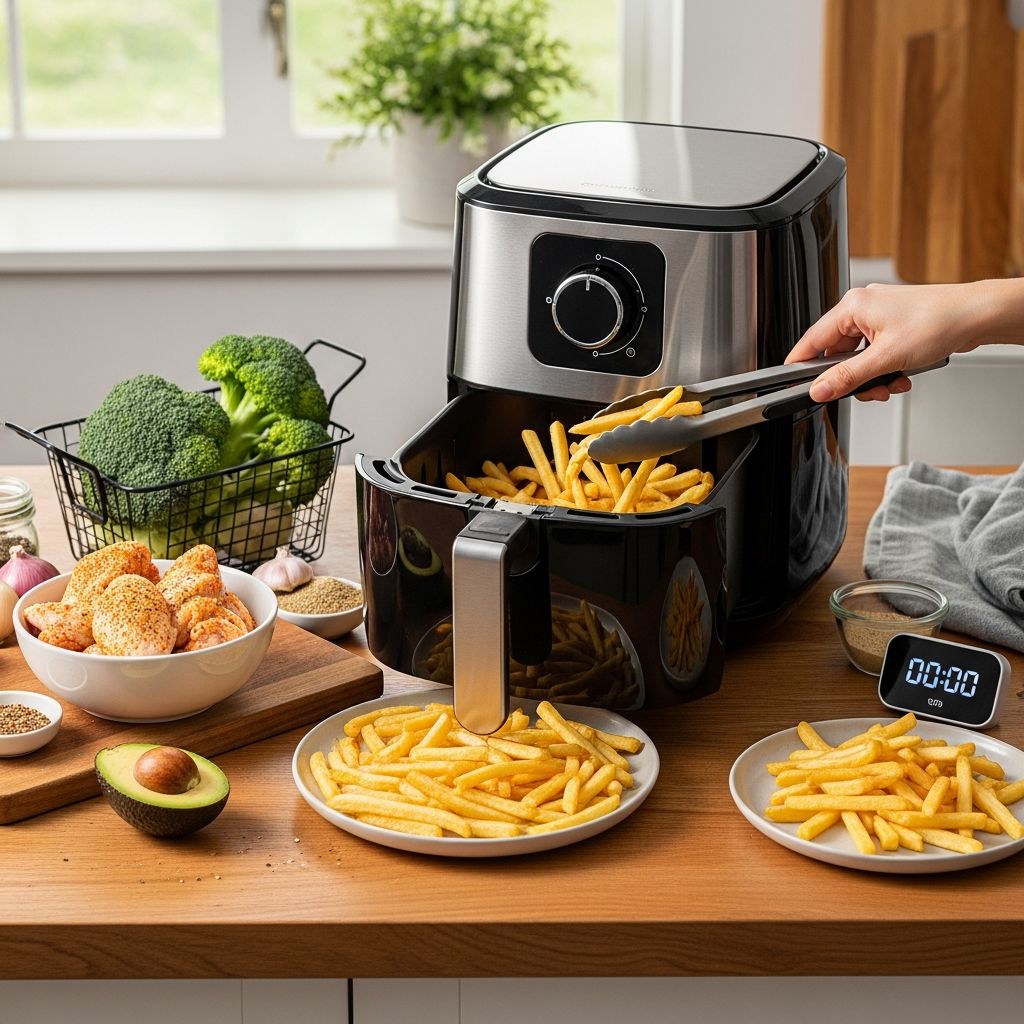
Air Fryer Cooking for Beginners: Common Mistakes and How to Avoid Them
Air fryers have become one of the most popular kitchen appliances for good reason: they cook quickly, use less oil than deep frying, and can turn everyday ingredients into crispy, satisfying meals. However, many beginners are disappointed by soggy fries, unevenly cooked chicken, smoky kitchens, or appliances that wear out too fast. Most of these problems come from a small set of common mistakes that are easy to fix once you know what to look for.
This guide walks you through the most frequent beginner errors in air fryer cooking and shows you exactly how to avoid them. You will learn how an air fryer works, how to set it up correctly, and how to consistently get crispy, evenly cooked results while keeping your appliance clean and safe to use.
Table of Contents
- How Air Fryers Work in Simple Terms
- Setup Mistakes Before You Start Cooking
- Preheating and Temperature Mistakes
- Overcrowding the Basket or Tray
- Using Too Much or Too Little Oil
- Copying Oven Times and Temperatures
- Forgetting to Flip or Shake During Cooking
- Food Prep Mistakes that Ruin Crispiness
- Smoke, Grease and Burning Issues
- Mistakes with Foil, Liners and Accessories
- Cleaning and Maintenance Mistakes
- Food Safety and Handling Mistakes
- Beginner Air Fryer Success Checklist
- Frequently Asked Questions (FAQs)
- Conclusion
How Air Fryers Work in Simple Terms
Understanding the basics of how an air fryer works helps you avoid many beginner mistakes. An air fryer has a heating element and a powerful fan that circulates hot air around your food, which is usually placed in a perforated basket or tray. This fast-moving hot air cooks the food and browns the surface, creating a crispy texture with little or no added oil.
Key points to remember:
- The fan and heating element work together like a small convection oven, but often more intense and faster.
- The basket or tray has holes so hot air can reach all sides of the food and crisp it evenly.
- You do not fill the basket with oil; instead, you use a light coating on the food if needed.
Once you see the air fryer as a high-powered mini convection oven rather than a deep fryer, the rest of the tips make a lot more sense.
Setup Mistakes Before You Start Cooking
Many problems start before the first batch of fries goes in. A quick, correct setup avoids safety issues and off smells.
Common Setup Mistakes
- Not washing the basket and accessories before first use.
- Placing the air fryer too close to walls or under low cabinets.
- Using the air fryer on a surface that is not heat-safe or stable.
- Blocking the air vents at the back or sides of the appliance.
How to Avoid Setup Problems
- Wash removable parts first. Clean the basket, tray and any removable accessories with warm soapy water before using. This removes manufacturing residues that might cause smells or smoke.
- Choose a heat-safe, flat surface. Place the unit on a sturdy countertop that can handle heat, leaving the bottom and sides well supported.
- Allow space around the air fryer. Keep several inches of clearance on all sides and above the unit so the exhaust can ventilate properly and heat does not build up.
- Keep vents unobstructed. Do not press the back of the machine against the wall; leave enough room for the hot air to escape safely.
Preheating and Temperature Mistakes
Beginners are often unsure whether and how to preheat. Different models behave differently, and treating all of them the same can lead to undercooked or over-browned food.
Typical Preheating Mistakes
- Never preheating, even when the manufacturer recommends it.
- Always preheating, even for foods that do not need it.
- Setting the temperature too high “for extra crispiness”, causing burnt edges and raw centers.
- Ignoring your air fryer’s specific preheat function or instructions.
Smart Preheating Practices
- Read your manual regarding preheat. Some air fryers preheat automatically, some have a dedicated preheat button, and some do not require preheating at all.
- Use preheat for better browning. Preheating helps food cook more evenly and brown faster, especially for items like fries, chicken pieces or breaded foods.
- Adjust temperature from oven recipes. As a general rule, reduce the temperature by about 25 degrees compared with an oven recipe, because air fryers cook more intensely.
- Do not always max out the heat. Ultra-high temperatures can burn the outside before the inside is done; follow tested air fryer recipes until you know how your model behaves.
Overcrowding the Basket or Tray
Cramming too much food into the basket is one of the most common beginner mistakes, and it almost always leads to soggy or uneven results.
What Happens When You Overcrowd
- Hot air cannot circulate around each piece, so the food steams instead of crisps.
- Pieces stick together, leaving pale spots and uneven browning.
- Cooking times become unpredictable and often much longer than recipes suggest.
How to Load the Basket Correctly
- Use a single layer whenever possible. Arrange food in one even layer with a little space between pieces. For fries and small items, allow room to shake.
- Cook in batches. It is better to cook two small batches than one overcrowded one; the total time is often similar because uncrowded food cooks faster.
- Use racks for more surface area. If your model comes with a second rack or stacking accessories, they can help you cook more food while still allowing air flow.
Using Too Much or Too Little Oil
Air fryers are designed to use far less oil than deep frying, but “oil-free” does not always mean “no oil at all”. Using the wrong amount or type of oil can hurt both taste and texture.
Common Oil Mistakes
- Spraying heavy layers of oil on food and in the basket.
- Pouring oil directly into the basket as if it were a deep fryer.
- Skipping oil on foods that benefit from a light coating to crisp and brown.
- Using oils with low smoke points at very high temperatures, causing smoke or burnt flavors.
Better Oil Habits
- Use just enough oil for crisping. For fresh vegetables, potatoes or homemade breaded items, lightly toss or brush with a small amount of oil. You usually need far less than for oven roasting.
- Do not fill the basket with oil. Air fryers are not deep fryers; adding large amounts of oil is unsafe and can damage the appliance.
- Choose suitable oils. Use oils with higher smoke points for high-temperature cooking, and avoid using butter or unrefined oils at maximum heat for extended times.
- Watch greasy foods. Foods like bacon or fatty sausages release their own fat; no additional oil is needed and excess grease should be managed to avoid smoking.
Copying Oven Times and Temperatures
Because air fryers cook faster and more efficiently than conventional ovens, simply copying oven times and temperatures is another frequent beginner mistake.
Typical Timing Errors
- Using the exact oven temperature, resulting in over-browned or dried-out food.
- Using oven cook times and ending up with overcooked or undercooked centers.
- Not checking early, especially the first time cooking a new recipe.
How to Adjust from Oven Recipes
| Oven Setting | Typical Air Fryer Adjustment |
|---|---|
| Temperature | Reduce by about 25 degrees compared with the oven recipe. |
| Time | Start checking 20 to 30 percent earlier than oven time and adjust as needed. |
- Follow tested air fryer recipes when you can. For beginners, using recipes specifically designed and tested for air fryers is the easiest way to get reliable results.
- Note your own timings. Once you figure out the ideal time and temperature for a food in your particular model, write it down for next time.
Forgetting to Flip or Shake During Cooking
Because the hot air circulates, many beginners assume that food will cook perfectly on all sides without any help. In reality, flipping and shaking often make a noticeable difference in texture and evenness.
What Happens If You Never Move the Food
- The top or outer surfaces brown more quickly than the undersides.
- Small pieces like fries or Brussels sprouts cook unevenly, leaving some soft and some crisp.
- Meats may not brown evenly, especially where they touch the basket or rack.
How and When to Flip or Shake
- Shake for small pieces. For fries, vegetables, nuggets and other bite-sized items, remove the basket and give it a good shake about halfway through the cook time to redistribute the food.
- Flip for larger pieces. For chicken breasts, pork chops, steaks or fish fillets, use tongs to flip each piece midway so both sides brown evenly.
- Check doneness as you flip. When you pull the basket out to shake or flip, quickly check color and texture and adjust time if needed.
Food Prep Mistakes that Ruin Crispiness
Even with perfect timing and temperature, poor preparation can keep food from crisping correctly.
Common Prep Problems
- Putting wet or dripping food directly into the basket.
- Not drying vegetables, potatoes or meat before seasoning.
- Using thick, heavy batters designed for deep frying instead of light coatings.
- Adding sauces too early, which burn before the food cooks through.
How to Prep Food for Better Results
- Dry ingredients thoroughly. Pat vegetables, potatoes and proteins dry with paper towels or a clean kitchen towel before adding oil or seasonings. Moisture is the enemy of crispiness.
- Use light coatings. For breaded items, use thin layers of flour, egg and breadcrumbs or panko. Heavy wet batters tend to drip through the basket instead of setting.
- Add sugary sauces near the end. For barbecue or honey glazes, start cooking the food plain, then brush on sauce in the last few minutes to avoid burning.
Smoke, Grease and Burning Issues
Another beginner complaint is smoke coming from the air fryer, especially when cooking fatty foods like bacon or burgers.
Why Air Fryers Smoke
- Grease drips onto the hot bottom surface or heating element and burns.
- Cooking at too high a temperature for fatty meats, raising the fat above its smoke point.
- Leftover crumbs or grease from previous cooks are still in the appliance and burn the next time it heats up.
Ways to Reduce Smoke and Burning
- Use slightly lower temperatures for fatty foods. For example, bacon is often cooked at a lower setting to stay below the smoke point of the fat while still crisping.
- Empty and wipe the drawer between batches. If a lot of fat has collected, carefully remove the basket and pour off grease when safe, then continue cooking.
- Keep the unit clean. Regularly remove and wash the basket and tray to get rid of crumbs and grease that can burn later.
- Ensure good ventilation. Always operate your air fryer in a well-ventilated area with space for the exhaust to dissipate.
Mistakes with Foil, Liners and Accessories
Many beginners like to use foil or parchment liners to simplify cleanup, but using them incorrectly can block air flow or even become a safety issue.
Typical Liner and Accessory Mistakes
- Completely covering the basket’s perforations with solid foil, blocking air circulation.
- Using lightweight parchment sheets without food to hold them down, which can blow into the heating element.
- Overloading racks or accessories so air cannot circulate properly.
How to Use Liners Safely
- Follow the manufacturer’s guidance. Some brands give specific advice about foil or parchment use; when in doubt, consult your manual.
- Do not block air flow. If you use foil or parchment, keep it flat and perforated if possible, and avoid covering all the holes in the basket.
- Place food on top of liners. Always weigh down parchment or liners with the food so they do not fly up into the fan.
Cleaning and Maintenance Mistakes
Skipping or rushing cleaning is a quiet mistake that causes smells, smoke, and even reduced performance over time.
Common Cleaning Errors
- Letting grease and crumbs build up in the basket and drawer.
- Never wiping the inside of the cooking chamber.
- Using harsh metal tools that scratch nonstick coatings.
- Putting non-dishwasher-safe parts in the dishwasher without checking.
Simple Cleaning Routine
- Unplug and cool first. Always let the unit cool completely before cleaning, and unplug it for safety.
- Wash removable parts in warm soapy water. Clean the basket, tray and other removable components after most uses to remove grease and food bits.
- Wipe the interior. Use a damp cloth or nonabrasive sponge to wipe the inside cavity, being careful around the heating element.
- Protect nonstick surfaces. Avoid metal utensils or scouring pads that can scratch and reduce performance.
Food Safety and Handling Mistakes
Because air fryers cook quickly, some beginners assume anything cooked in them is automatically safe. Food safety rules still apply.
Risky Safety Habits
- Not checking internal temperatures of meats and poultry.
- Leaving cooked food in the warm basket for too long before cooling or refrigerating.
- Reusing marinades or breading that touched raw meat without cooking them.
Safer Air Frying Practices
- Use a food thermometer for meats. Check that chicken, pork and other proteins reach safe internal temperatures, especially when cooking thicker pieces.
- Handle raw and cooked foods separately. Use separate plates and utensils for raw and cooked items to avoid cross-contamination.
- Cool and store leftovers promptly. Transfer cooked food to clean dishes and refrigerate leftovers within a reasonable time.
Beginner Air Fryer Success Checklist
The following quick checklist summarizes the main habits that prevent common beginner mistakes.
- Wash basket and accessories before first use and after greasy cooks.
- Place the air fryer on a flat, heat-safe surface with space around it.
- Consult the manual for preheating, maximum capacity and safety notes.
- Preheat when recommended for better browning and even cooking.
- Arrange food in a single layer without crowding; cook in batches when needed.
- Use a light coating of suitable oil for crisping, but never fill the basket with oil.
- Adjust oven recipes: lower the temperature and check earlier.
- Shake or flip food halfway through for even browning.
- Pat foods dry before seasoning to encourage crispiness.
- Manage grease and keep the interior clean to minimize smoke.
- Check internal temperatures of meats for food safety.
Frequently Asked Questions (FAQs)
Q: Do I always need to preheat my air fryer?
Not always. Many manuals recommend preheating for more even cooking and better browning, but some air fryers preheat automatically and others do not require it. Check your manual, and when in doubt, a short preheat improves results for many foods.
Q: Why are my fries or veggies coming out soggy instead of crispy?
Sogginess is usually caused by crowding the basket, not drying the food, or skipping oil entirely. For crisper results, pat food dry, toss lightly in oil, spread in a single layer, and shake the basket halfway through cooking.
Q: Can I cook battered foods in the air fryer like I do in a deep fryer?
Thick wet batters do not work well in an air fryer because they drip through the basket before they set. Instead, use dry breading or light coatings that adhere firmly to the food.
Q: My air fryer is smoking when I cook bacon or burgers. Is that normal?
Some smoke is common with very fatty foods because rendered grease can hit hot surfaces and burn. Reduce the cooking temperature slightly, empty excess grease between batches, and keep the basket and drawer clean to minimize smoke.
Q: How do I know when my food is done?
Color and texture are good clues, but for meats and poultry it is best to use a food thermometer to check internal temperature. For new recipes, start checking a few minutes before the suggested time, then adjust based on your model’s performance.
Conclusion
Air fryer cooking is beginner-friendly, but like any cooking method, it rewards attention to a few core details. Most disappointing results come from the same small group of mistakes: crowding the basket, misusing oil, copying oven settings directly, skipping preheat when it is helpful, and neglecting basic cleaning. Once you address these, your air fryer quickly becomes a reliable tool for fast, crispy, and satisfying meals.
A thoughtful approach focuses on understanding how hot air circulation works, giving food enough space, and preparing ingredients for crisping by drying and lightly oiling them. Matching temperatures and times to your particular model, shaking or flipping food during cooking, and keeping the appliance clean all contribute to more predictable, high-quality results. With these habits in place, beginners can move confidently from simple frozen foods to more creative recipes without frustration.
Over time, you will learn how your specific air fryer behaves with your favorite foods, recording the time and temperature combinations that work best. That knowledge, combined with the basic principles in this guide, turns air frying from a confusing new gadget into a dependable everyday cooking method.
Similar Articles






Read full bio of Sneha Tete