
All-Purpose Cleaners and Surface Finish Dulling: Causes, Risks, and Safe Practices
Understand how all-purpose cleaners can dull surface finishes and learn safer ways to maintain shine, protection, and material longevity.
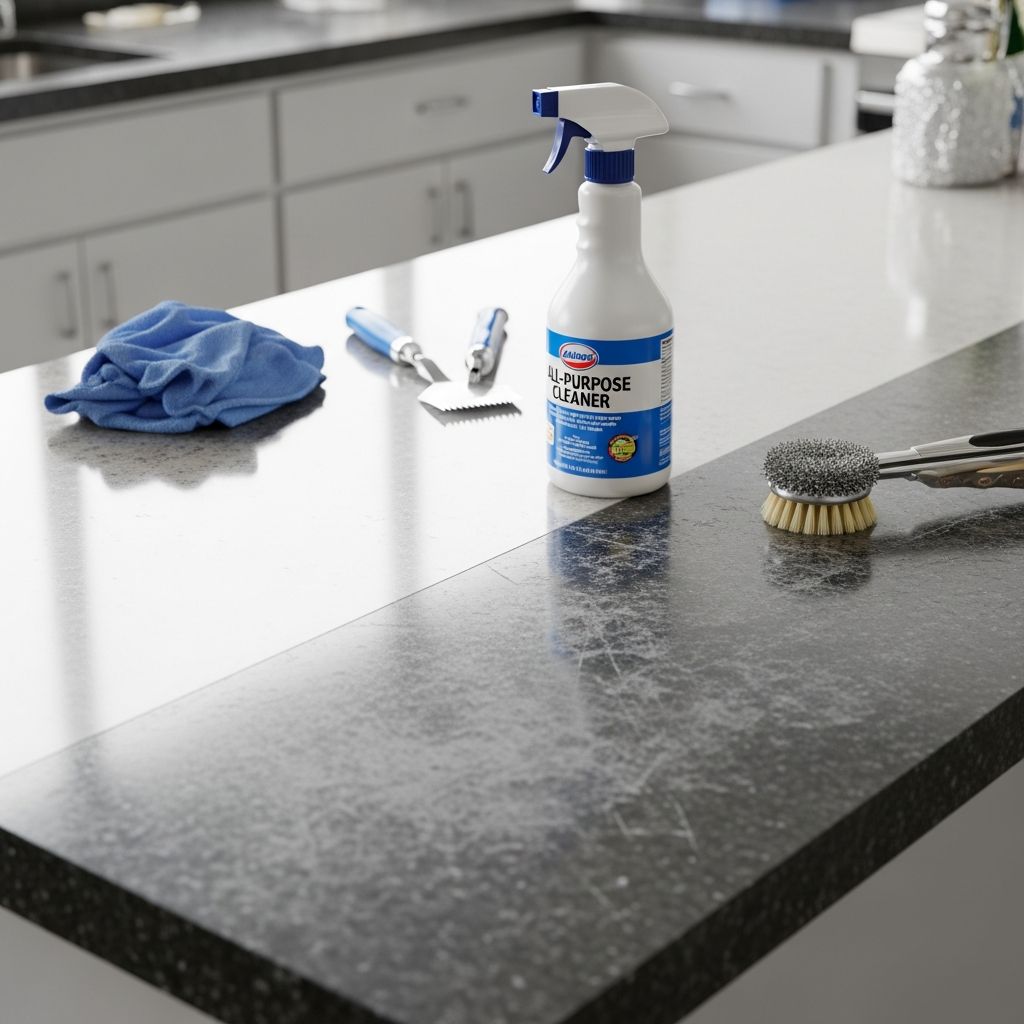
All-Purpose Cleaners and Surface Finish Dulling
All-purpose and multi-surface cleaners promise simple, convenient cleaning across many materials, but repeated or improper use can gradually dull finishes, strip protective coatings, and shorten the life of surfaces throughout a home or facility. Understanding how chemistry, technique, and material sensitivity interact is essential for keeping surfaces clean without sacrificing their shine or structural integrity.
Table of Contents
- Overview of All-Purpose Cleaners
- How Surface Finish Dulling Happens
- The Chemistry Behind Dulling and Damage
- Surface-Specific Risks and Considerations
- How Use Patterns and Techniques Accelerate Wear
- Choosing the Right Cleaner to Protect Finishes
- Prevention and Best Practices
- Comparison Table: Safer vs Risky Cleaning Approaches
- Frequently Asked Questions (FAQs)
- Conclusion
Overview of All-Purpose Cleaners
Most true all-purpose cleaners are designed to be moderately effective on a wide range of soils while being reasonably safe on many common surfaces. They typically sit near the middle of the pH scale and do not rely on extreme acidity or alkalinity for cleaning power.
Key characteristics of typical all-purpose cleaners include:
- pH generally near neutral, often between 6 and 8
- Formulated for dust, light soil, and everyday grime rather than heavy grease
- Use of surfactants and mild solvents for general soil removal
- Intended for hard, nonporous surfaces like sealed countertops, painted walls, finished wood, metals, and some plastics
However, not all products marketed as “all-purpose” are gentle. Some include bleach, strong solvents, or acidic ingredients that behave more like disinfectants or degreasers and can be harsh on sensitive materials, especially if used frequently or incorrectly.
How Surface Finish Dulling Happens
Surface dulling is often gradual and subtle. It may show up as loss of gloss, cloudiness, a chalky film, or a flat, lifeless look compared to the original finish. Homeowners may attribute this to normal aging, when in fact cleaning choices are often the primary driver.
Common mechanisms that lead to dulling include:
- Chemical attack on clear coats, sealers, or protective films
- Micro-scratching from abrasives or rough tools
- Residue build-up from repeated applications that are not fully rinsed or wiped
- Interaction between cleaner ingredients and minerals in hard water, creating films that mimic permanent dullness
- Weakened, thinned, or dried-out finishes that lose their ability to reflect light evenly
Once the protective layer is eroded or deeply scratched, the underlying material becomes more vulnerable to staining, pitting, and further wear, compounding the dull appearance over time.
The Chemistry Behind Dulling and Damage
The performance and safety of any cleaner is tightly linked to its chemistry. Several categories of ingredients in all-purpose products or commonly used DIY alternatives can alter or damage finishes.
Extreme pH: Acids and Strong Alkalines
Surfaces are particularly sensitive to cleaners at either extreme of the pH scale.
- Acidic cleaners (such as vinegar-based or acidic descalers) can etch calcareous stones like marble, limestone, travertine, and some grout sealers, leaving flat, dull spots that look like permanent water marks.
- High-alkaline cleaners and degreasers can weaken grout, haze glass, dry out wood finishes, and dull polished coatings when used repeatedly.
Even if an all-purpose cleaner is only slightly acidic or alkaline, regular use on a sensitive surface may gradually weaken the finish and reduce gloss.
Abrasives and Mechanical Wear
Some multipurpose powders, scouring creams, or scrubbing pads rely on fine abrasives for cleaning. While they can be safe on select durable surfaces, they are still mildly abrasive and can:
- Scratch glossy coatings and acrylics
- Dull polished plastics and metals
- Remove or thin protective wax, sealers, or paint films
These micro-scratches break up reflections, so shiny surfaces begin to look gray, matte, or tired. The roughened texture also collects soil and soap scum, which often leads to more aggressive scrubbing and a vicious cycle of additional wear.
Oxidizers, Disinfectants, and Bleach
Many all-purpose products also incorporate disinfecting ingredients such as hypochlorite (bleach), hydrogen peroxide, or quaternary ammonium compounds. Extended, frequent use can leave residue and, in some cases, contribute directly to surface damage.
- Residues from quats and other actives can dry to visible films or spots, especially if surfaces are not wiped after the required contact time.
- Some oxidizing cleaners can thin or degrade sealants and protective coatings on stone and fabrics, contributing to a faded or chalked appearance.
- On metals, strong oxidizers can contribute to tarnishing, discoloration, or pitting over time if misused.
Solvents and Softening of Finishes
Solvent-heavy products and certain DIY mixtures using rubbing alcohol, acetone, or citrus oils can soften or partially dissolve finishes.
- Polyurethane, varnish, wax, and many paints can be softened, smeared, or clouded by repeated solvent exposure.
- Plastics and acrylics may develop fine cracks, eventually taking on a frosted or crazed appearance instead of remaining clear.
- Even a “quick swipe” on glass with the wrong solvent blend can leave streaks or cloudy patches that do not fully clear.
Residue and Hard Water Interactions
Residue is a frequent, underestimated contributor to dulling. Most all-purpose cleaners and disinfectants are water-based and leave some ingredients behind after drying.
- Detergents, stabilizers, and other additives can form films that leave surfaces appearing less glossy or visibly spotted.
- Minerals in hard water combine with soaps and some cleaner components to form a chalky residue that looks very similar to permanent etching, especially on glass, tile, and shower doors.
- Professionals note that leftover product on flooring can dull the surface, reduce traction, and attract rapid resoiling.
Users often respond to residue by using stronger abrasives or harsher products, which can remove the film but also remove finish in the process.
Surface-Specific Risks and Considerations
Not all surfaces react the same way to a given cleaner. Understanding the vulnerabilities of common materials helps prevent dulling and irreversible damage.
Natural Stone: Granite, Marble, and Limestone
Natural stone surfaces are often expensive and highly visible, making damage especially costly and noticeable.
- Marble, limestone, and travertine react badly to acidic cleaners, which can etch and dull the polished surface.
- Even common products like vinegar-based sprays or acidic descalers can leave cloudy, uneven patches that never quite regain their shine.
- Granite is more acid-resistant than marble but still vulnerable to certain all-purpose cleaners and glass cleaners containing vinegar or harsh chemicals.
- Products such as lemon-scent all-purpose sprays or glass cleaners with vinegar have been linked to dulling and etching of granite when used routinely.
Manufacturers of stone care products generally recommend pH-neutral, stone-specific cleaners and warn against multipurpose products containing bleach, acids, or strong solvents.
Wood and Wood Finishes
Wood surfaces rely on clear coatings, oils, or waxes for protection and sheen. High-alkaline cleaners or solvent-heavy mixtures can dry out or soften these finishes, leading to a flat, uneven look.
- Strong alkalines may weaken certain paint films and dry wood finishes, causing them to lose depth and gloss.
- Abrasive powders or rough pads can quickly cut through wax or polyurethane, exposing raw wood and creating patchy dull spots.
- Repeated cleaning shortcuts with mildly abrasive products can gradually remove protective coatings, making wood more susceptible to staining and moisture.
Metals and Metal Coatings
Metal fixtures and appliances often rely on thin coatings or specific alloys that can react strongly to certain cleaners.
- Stainless steel scratches easily and is sensitive to chlorides, which can trigger pitting when combined with the wrong cleaners.
- Aluminum can darken in contact with strong alkaline mixtures.
- Painted or powder-coated metal surfaces may soften, wrinkle, or fade when exposed to solvents or oxidizing agents.
Over time, these reactions lead to loss of luster, visible pitting, or color changes that standard cleaning cannot reverse.
Glass, Plastics, and Acrylics
Glass and clear plastics are especially revealing; any clouding, scratching, or residue is immediately noticeable.
- Hard water and soap interactions can leave films that resemble permanent wear on glass and tile.
- Abrasives create micro-scratches that scatter light, making surfaces appear cloudy or hazy.
- Solvents and some DIY mixtures can cause fine cracking in plastics and acrylics, producing a crazed or frosted look.
Floors and Grout
Hard floors are subjected to repeated cleaning and heavy traffic, which amplifies the impact of cleaner selection.
- Residue from all-purpose cleaners and disinfectants can dull floor finishes, reduce traction, and lead to rapid re-soiling if not properly rinsed or wiped.
- High-alkaline degreasers, while powerful on grease, can weaken grout or damage sensitive floor finishes if overused or not diluted correctly.
- Mildly abrasive products or pads can scratch glossy flooring, requiring more frequent refinishing.
How Use Patterns and Techniques Accelerate Wear
Even a relatively gentle all-purpose cleaner can become risky when used in poor ways. Damage is often a combination of chemistry and technique.
Overuse, Dwell Time, and Heat
Leaving cleaner on a surface too long or using it with heat can magnify its effect.
- Sprays allowed to dry on faucets, fixtures, or stone can etch chrome, nickel, or stone finishes, leaving rings or spots.
- Steam or hot water can speed up chemical reactions, making even mild products more aggressive on sensitive finishes.
- Repeated daily use of disinfectant products on the same surfaces can eventually lead to pitting, dulling, or hairline cracking, especially on plastics and coatings.
Cleaning Shortcuts and Inadequate Rinsing
Professional and household cleaners alike may take shortcuts that unintentionally create long-term surface damage.
- Skipping the rinse or wipe step leaves detergent and active ingredients on the surface, where they dry to a dull film.
- Using a more aggressive product than necessary for light soil exposes surfaces to unnecessary chemical stress.
- Reusing dirty cloths or mops can grind grit into finishes, causing fine scratching along with soil redistribution.
Using the Wrong Product for the Job
All-purpose cleaners are not interchangeable with degreasers, descalers, or specialty products.
- Heavy, greasy soils may require a degreaser; forcing an all-purpose cleaner to do this job often leads to over-scrubbing and the use of abrasives that dull surfaces.
- Applying bathroom descalers or acidic tile cleaners on natural stone or polished metal can quickly etch and dull finishes.
- Glass cleaners or general surface sprays with vinegar and strong solvents are not appropriate for sealed natural stone, even if the label suggests multi-surface use.
Choosing the Right Cleaner to Protect Finishes
Matching cleaner chemistry to the surface is one of the most effective ways to avoid dulling and damage.
Prefer pH-Neutral, Non-Abrasive All-Purpose Cleaners
For general everyday cleaning of hard, nonporous surfaces, pH-neutral all-purpose cleaners are generally safer for both people and finishes.
- Look for products near pH 6–8 and labeled as non-corrosive or suitable for multiple surfaces, including plastics, painted wood, and metals.
- Avoid products that rely on strong acids or heavy alkalinity for routine maintenance on sensitive materials.
- Reserve high-alkaline degreasers or acidic descalers for specific, appropriate jobs, and follow dilution and dwell-time instructions closely.
Use Surface-Specific Cleaners When Needed
Certain surfaces benefit from specialized products engineered not to damage their finishes.
- Natural stone (granite, marble, limestone) usually requires pH-neutral, stone-specific cleaners and compatible sealers.
- Finished wood often does best with wood-safe cleaners that do not aggressively strip oils, waxes, or polyurethane.
- Stainless steel or specialty metals may need dedicated metal-safe products to avoid scratching or chemical reactions.
Check Labels for Compatibility and Warnings
Manufacturers typically indicate where a product should not be used, but compatibility is not always black-and-white.
- Look for explicit exclusions (such as “not for use on natural stone,” “avoid on aluminum,” or “do not use on unfinished wood”).
- Remember that a product can be safe on a surface in occasional use but still cause dulling or minor damage with extended, frequent application.
- When in doubt, test any new cleaner on an inconspicuous area and inspect for haze, etching, or softening after it dries.
Prevention and Best Practices
Preventing surface finish dulling is often easier and cheaper than trying to restore or replace damaged materials.
Adopt Gentle, Routine Cleaning Habits
- Use the mildest effective cleaner for the level of soil; do not reach for heavy-duty products for everyday dust and light grime.
- Wipe up spills quickly with water or a gentle cleaner to minimize dwell time of potentially harmful substances.
- On sealed surfaces, periodically rinse or wipe with plain water to remove accumulated residues and restore clarity.
Use Appropriate Tools
- Choose soft microfiber cloths, non-scratch sponges, and neutral pads rather than steel wool, stiff brushes, or abrasive scouring pads on glossy finishes.
- Change cloths and mop heads regularly to avoid grinding in grit or re-depositing soil.
- On highly polished surfaces, buff dry with a clean, soft cloth after cleaning to enhance shine without harsh chemicals.
Manage Residue and Hard Water
- After disinfectant contact time is met, wipe surfaces with a clean damp cloth to remove residual ingredients, especially on high-visibility areas.
- For glass and tile in hard-water regions, use squeegees or quick rinses to reduce mineral build-up that can resemble etching.
- On floors, avoid over-concentrating cleaners and ensure adequate rinsing, particularly after using degreasers or heavy-duty products.
Comparison Table: Safer vs Risky Cleaning Approaches
| Cleaning Scenario | Safer Approach (Helps Preserve Finish) | Risky Approach (Can Dull or Damage) |
|---|---|---|
| Everyday kitchen counter cleaning | pH-neutral all-purpose cleaner, soft cloth, wiped dry afterward | Acidic DIY vinegar mix on marble or limestone, repeated daily use without rinsing |
| Removing greasy buildup on floors | Properly diluted floor-safe degreaser used occasionally, followed by rinse | Frequent use of strong alkaline degreaser on finished floors and grout, no rinse |
| Disinfecting high-touch plastic surfaces | Compatible disinfectant followed by periodic damp wipe to remove residue | Daily heavy application of strong oxidizers or solvent-based sprays causing crazing or cracks |
| Cleaning natural stone countertops | Stone-safe, pH-neutral product used as directed, soft microfiber cloth | Glass cleaner with vinegar or all-purpose cleaner containing bleach on granite or marble |
| Bathroom glass and tile in hard-water areas | Routine squeegeeing, mild cleaner, occasional targeted descaling away from sensitive stone | Abrasive powders and aggressive scrubbing to remove mineral film, causing micro-scratches |
Frequently Asked Questions (FAQs)
Can a pH-neutral all-purpose cleaner still dull surfaces over time?
Yes. While pH-neutral products are generally safer, they can still leave residues that build up into a dull film if surfaces are not periodically rinsed or wiped with clean water. Over-scrubbing with neutral cleaners using abrasive tools can also introduce micro-scratches that reduce gloss.
Why do my countertops look dull even though they are clean?
Dullness can result from etching, micro-scratches, or residue build-up. On natural stone, acids in cleaners can etch the surface and permanently change how it reflects light. On other materials, films from cleaners, disinfectants, or hard water may mimic permanent dullness until carefully removed.
Are DIY vinegar-based cleaners safe for all surfaces?
No. Vinegar is acidic, and while it may be safe on some surfaces, it can etch marble, limestone, travertine, and some grout sealers, leading to cloudy, dull patches. It can also dull or damage granite and some polished finishes when used repeatedly.
How can I tell if a cleaner is too harsh for my surface?
Check for warnings on the label, test on a hidden area, and observe after the product dries. Signs of incompatibility include hazing, softening, color changes, etched spots, or sticky or rough patches. If these appear, discontinue use and switch to a milder or surface-specific cleaner.
Is residue from disinfectants always damaging?
Not necessarily. Many residues are mainly aesthetic and can be wiped away with a damp cloth, leaving no lasting change if the disinfectant itself is compatible with the surface. However, ignoring residue for extended periods, especially on sensitive materials, can contribute to dulling and may mask early signs of chemical damage.
Conclusion
All-purpose cleaners occupy a valuable place in everyday maintenance, but their convenience can hide subtle long-term effects on finishes. Factors such as pH, abrasiveness, oxidizing strength, solvent content, and residue build-up all influence whether a surface stays bright or gradually turns dull and worn. Sensitive materials like natural stone, finished wood, plastics, and coated metals are especially vulnerable when mismatched with the wrong chemistry or technique.
Protecting finishes relies on choosing pH-neutral, non-abrasive products for routine tasks, reserving strong acids or alkalines for clearly appropriate jobs, and respecting dwell-time and rinsing recommendations. Gentle tools, regular removal of residue, and attention to manufacturer guidance further reduce the risk of etching, micro-scratching, and coating breakdown.
By viewing cleaning not just as soil removal but as an interaction between chemistry and surface materials, homeowners and professionals can maintain hygiene and appearance while preserving the integrity and lifespan of finishes throughout the space.
Similar Articles








Read full bio of medha deb