
All-Purpose Cleaners for Kitchens: Practical Uses, Safety, and Limitations
Understand where all-purpose kitchen cleaners shine, where they fall short, and how to use them safely and effectively on common kitchen surfaces.
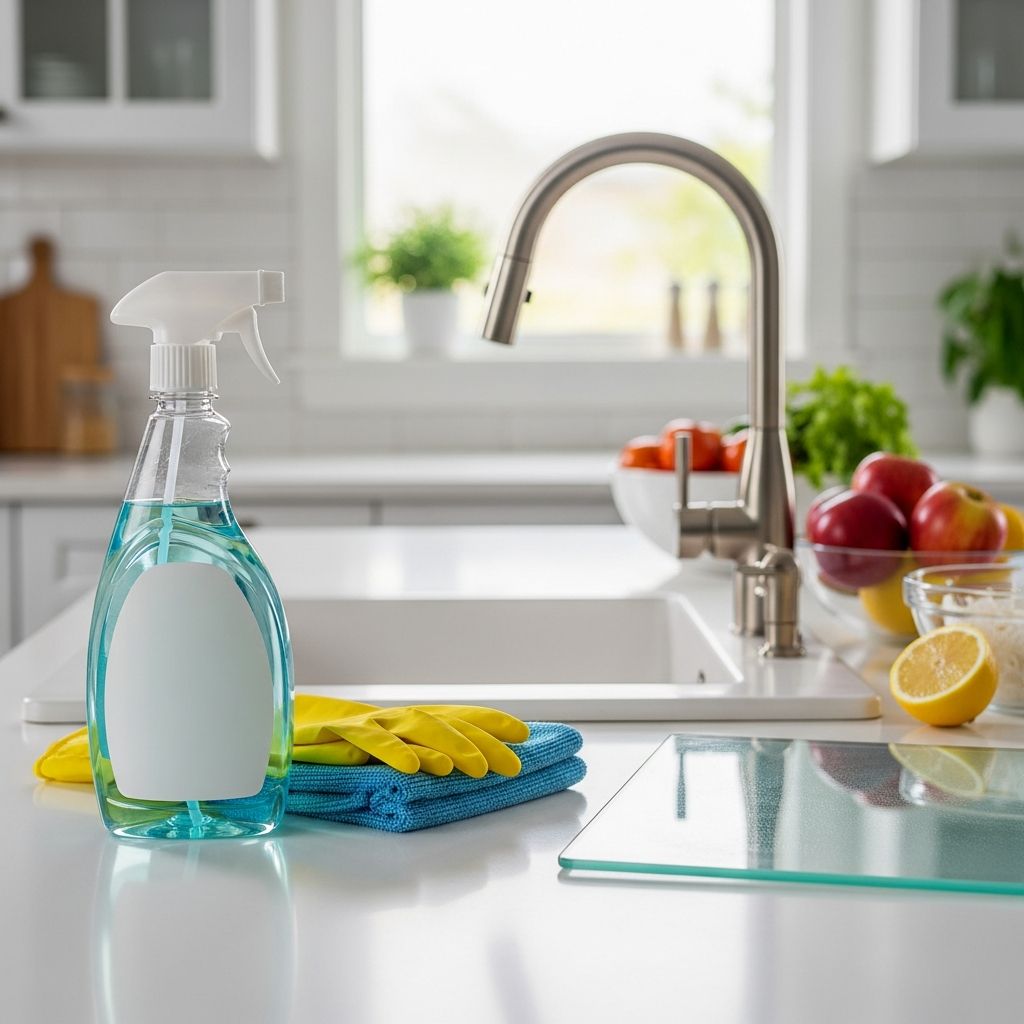
All-Purpose Cleaners for Kitchens: Uses and Limitations
All-purpose cleaners are marketed as do-it-all solutions for household messes, and nowhere is their convenience more appreciated than in the kitchen. They can cut through everyday grease, remove food splatters, and freshen surfaces with a single bottle. However, not every kitchen surface or situation is suited to an all-purpose formula, and relying on them for every task can lead to poor hygiene, damaged materials, or unmet expectations.
This article explains what all-purpose cleaners are, how they work in kitchens, where they excel, where they fall short, and how to select and use them safely alongside specialty and disinfecting products.
Table of Contents
- What Are All-Purpose Cleaners?
- How All-Purpose Cleaners Work in Kitchens
- Common Kitchen Uses
- Kitchen Surfaces to Avoid or Use With Caution
- Advantages of All-Purpose Cleaners in the Kitchen
- Key Limitations You Need to Know
- Conventional vs “Green” All-Purpose Cleaners
- How to Choose the Right All-Purpose Cleaner for Your Kitchen
- Safe and Effective Use: Step-by-Step
- Comparison: All-Purpose vs Disinfectant vs Specialty Cleaners
- Frequently Asked Questions (FAQs)
- Conclusion
What Are All-Purpose Cleaners?
All-purpose cleaners are liquid or spray products formulated to remove general household soils from a wide range of washable surfaces. They typically combine several types of ingredients to lift and disperse dirt, oils, and light stains without severely damaging most common materials.
According to cleaning experts, an all-purpose cleaner usually contains a blend of key components such as surfactants, solvents, builders, and often fragrances or dyes to create an effective, pleasant-to-use product.
Typical Ingredients
- Surfactants: These surface-active agents loosen and lift grease and dirt so they can be wiped away. Common examples include sodium lauryl sulfate or plant-based alkyl polyglucosides.
- Solvents: Alcohols, glycol ethers, or citrus-based solvents help dissolve oily or sticky kitchen residues that water cannot remove on its own.
- Builders: Ingredients that soften water and improve cleaning performance, particularly in hard water areas.
- pH adjusters: Used to control acidity or alkalinity; slightly alkaline formulas often cut kitchen grease more effectively.
- Fragrances and essential oils: Provide a pleasant scent and, in some “natural” products, mild antimicrobial properties.
- Preservatives and dyes: Maintain shelf life and brand appearance.
All-Purpose vs Multi-Purpose
Although the terms are often used interchangeably, some manufacturers distinguish all-purpose cleaners from other multi-purpose sprays. All-purpose products are typically tested on a wider range of surfaces, from kitchen counters to bathroom tile and some painted or sealed surfaces, whereas some multi-purpose products may be optimized for just a few materials and can streak or dull others.
How All-Purpose Cleaners Work in Kitchens
In kitchens, all-purpose cleaners primarily deal with three categories of soil: grease and oils, food residues, and general dust or fingerprints. Surfactants and solvents break the bond between these soils and the surface, allowing them to be removed by wiping.
Independent product tests show that better-performing all-purpose cleaners can handle a variety of materials, including tile, chrome, sealed stone, and laminated surfaces, with a single formula.
Cleaning vs Disinfecting
A crucial point for kitchen hygiene is the difference between cleaning and disinfecting:
- Cleaning removes visible dirt, food, and some microbes from surfaces, typically using surfactants and mechanical wiping.
- Disinfecting uses EPA-registered actives (such as certain quats, bleach, or alcohol) to kill specified bacteria and viruses when used according to label directions.
Many all-purpose cleaners clean effectively but do not officially disinfect unless explicitly labeled as disinfecting and used with the required contact time. Relying on a non-disinfecting all-purpose cleaner for high-risk areas like raw meat prep zones may not provide the level of germ reduction you expect.
Common Kitchen Uses
Used correctly, all-purpose cleaners can handle most day-to-day kitchen messes. Typical uses include countertops, appliances, floors, and more.
1. Kitchen Countertops and Backsplashes
For many homeowners, the primary use of an all-purpose cleaner is wiping down counters and backsplashes after meal prep.
- Suitable for laminate, sealed wood, sealed composites, and many solid surfaces.
- Helps remove crumbs, food splatters, grease film, and fingerprints.
- On natural stone (such as marble or unsealed granite), non-acidic, stone-safe products or specialty cleaners are preferable.
2. Kitchen Appliances
All-purpose cleaners are widely used to clean the exterior of kitchen appliances.
- Refrigerator exterior: Handles fingerprints, drips, and general grime.
- Microwave exterior and interior (non-vent parts): Useful for food splatter, provided you avoid soaking vents and electrical components.
- Dishwasher and oven doors: Removes smudges and light grease from glass and trim.
- Stainless steel: Many all-purpose cleaners work, though some may streak; specialized stainless cleaners or those tested on metal may perform better.
3. Range Tops and Vent Hoods
The combination of cooking oils and airborne particles can leave a sticky film on stovetops and range hoods. Stronger all-purpose cleaners with effective degreasing agents can cut this buildup with less scrubbing.
- Spray and allow several minutes of dwell time on greasy surfaces before wiping.
- For very heavy or baked-on grease, a dedicated degreaser may be more efficient.
4. Cabinets, Doors, and Handles
Kitchen cabinets and handles accumulate oils from hands and occasional food smears. Gentle all-purpose cleaners can freshen painted or sealed-wood cabinets, provided they are not overly harsh or abrasive.
- Always test in an inconspicuous area to ensure the finish is not affected.
- A soft cloth or sponge is preferable to abrasive pads, which can dull or scratch surfaces.
5. Kitchen Floors
Many liquid all-purpose cleaners can be diluted in water and used to mop sealed hard floors such as tile, vinyl, or sealed laminate.
- Follow label directions for dilution to prevent residue and stickiness.
- Avoid oversaturating wood or laminate flooring, which can swell or warp.
6. Sinks and Surrounding Areas
All-purpose cleaners can remove soap film, light mineral deposits, and food stains from many stainless steel or composite sinks.
- For heavy mineral scale or rust, a more specialized bathroom or limescale remover is often required.
- Read label instructions before using on enamel or specialty sink finishes.
Kitchen Surfaces to Avoid or Use With Caution
Despite their name, all-purpose cleaners are not universally safe. There are materials and situations where they may cause damage or underperform.
1. Natural Stone (Marble, Some Granite, Limestone)
Acidic or strongly alkaline cleaners can etch or dull natural stone surfaces. Many all-purpose cleaners contain ingredients unsuitable for marble and similar stones unless explicitly labeled as safe. Stone-specific cleaners or pH-neutral products designed for stone are safer choices.
2. Unfinished or Oiled Wood
Unsealed or lightly oiled wood can absorb moisture and chemicals, leading to swelling or discoloration. In kitchens, this may include certain butcher block counters or wooden utensils. For these, a mild soap specifically recommended for wood and careful drying are preferable.
3. Food-Contact Surfaces Requiring Disinfection
Cutting boards used for raw meat, poultry, or seafood, and high-risk prep areas may need true disinfection rather than simple cleaning. Many all-purpose cleaners do not meet disinfectant standards unless explicitly formulated and labeled to do so.
For such surfaces, experts often recommend either an EPA-registered kitchen disinfectant, a properly diluted bleach solution, or a product proven to kill common kitchen pathogens when used according to directions.
4. Delicate Finishes and Special Coatings
Some appliance surfaces, decorative hardware, or specialty coatings can be dulled by strong solvents or abrasives. Always consult the appliance manual or manufacturer recommendations before using an unknown cleaner.
Advantages of All-Purpose Cleaners in the Kitchen
When used appropriately, all-purpose cleaners offer several advantages compared to using multiple specialized products.
- Convenience: One bottle can handle a large fraction of daily kitchen cleaning tasks, reducing clutter and simplifying routines.
- Versatility: Effective on a wide range of materials, including many plastics, metal surfaces, tile, and laminates.
- Time savings: No need to switch products for each different surface during routine wipe-downs.
- Cost-effectiveness: Often less expensive than purchasing separate cleaners for every surface type.
- Performance on everyday soil: Good-quality formulas cut through cooking grease, everyday spills, and light stains with minimal scrubbing.
Key Limitations You Need to Know
Understanding the boundaries of all-purpose cleaners is essential for both safety and hygiene.
1. Not Always a Disinfectant
Many all-purpose cleaners are designed primarily to clean, not to disinfect or sanitize. Unless the product label explicitly claims disinfection and lists organisms and contact times, you should not assume it kills harmful bacteria or viruses.
For tasks such as cleaning up after raw meat, illness in the household, or handling raw eggs, a separate disinfecting product or properly diluted bleach solution may be appropriate.
2. Limited Power on Heavy or Baked-On Grease
While good all-purpose cleaners can handle most day-to-day grease, thick, baked-on residues inside ovens, on barbecue grates, or under burner grates often require stronger degreasers or oven cleaners.
3. Potential Surface Damage
Unsealed stone, unfinished wood, and specialty coatings can be stained or etched by some ingredients. Failing to test first or ignoring label guidance can lead to irreversible damage.
4. Environmental and Health Considerations
Conventional products may contain ingredients that are harsh on skin, respiratory systems, or aquatic ecosystems if misused or overused. Some formulations have strong fragrances or residual chemicals that may bother sensitive users.
Conventional vs “Green” All-Purpose Cleaners
All-purpose cleaners span a spectrum from heavy-duty, chemically intensive formulas to lighter, plant-based options.
Conventional Formulas
- Often contain synthetic surfactants, stronger solvents, and sometimes disinfecting ingredients like bleach or quaternary ammonium compounds.
- Typically provide powerful degreasing and, in some cases, added germ-killing performance.
- May be harsher on skin or airways and may carry more stringent caution labels.
Green or Plant-Based Formulas
- Often rely on plant-derived surfactants and solvents, such as coconut-based surfactants or citrus oils.
- Generally aim for lower toxicity and better environmental profiles, sometimes with reduced fragrance or dye content.
- May be gentler for daily use but sometimes less effective on very heavy or baked-on soils.
How to Choose the Right All-Purpose Cleaner for Your Kitchen
Different kitchens and households have different needs. When selecting an all-purpose cleaner, consider both your surfaces and your cleaning priorities.
Key Factors to Evaluate
- Primary surfaces: If you have natural stone, high-gloss cabinetry, or specialty appliances, confirm compatibility on the label.
- Need for disinfection: Decide whether your everyday product should also disinfect, or whether you are comfortable using a separate disinfectant only when necessary.
- Sensitivity to chemicals: For those with asthma, allergies, or fragrance sensitivities, low-odor or fragrance-free products, including some plant-based options, may be preferable.
- Environmental preferences: Look for third-party certifications or clear ingredient disclosures if eco-impact is a concern.
- Performance and testing: Independent reviews and testing by organizations such as consumer product labs can highlight products that cut grease effectively without excessive residue or streaking.
Safe and Effective Use: Step-by-Step
Using an all-purpose cleaner correctly is as important as choosing the right one.
General Step-by-Step Method
- Read the label: Check intended surfaces, dilution instructions, and safety warnings.
- Test a small area: For any new surface, test in an inconspicuous spot to check for dulling, staining, or damage.
- Remove loose debris: Wipe or sweep away crumbs and loose dirt before spraying.
- Apply cleaner: Spray directly on the surface or onto a cloth, depending on label guidance.
- Allow dwell time: Especially on greasy areas, let the product sit for a few minutes to work more effectively.
- Wipe thoroughly: Use a clean cloth, sponge, or paper towel to remove loosened soil.
- Rinse if required: On food-contact surfaces, many labels advise rinsing with water after cleaning, particularly when using non-food-safe ingredients.
- Dry the surface: Drying reduces streaks and helps protect moisture-sensitive materials.
Safety Tips
- Ensure adequate ventilation, especially with strong or fragranced formulas.
- Avoid mixing all-purpose cleaners with bleach or ammonia unless the label explicitly allows it; such mixtures can produce dangerous gases.
- Store cleaners out of reach of children and pets and in their original containers.
- Wear gloves if you have sensitive skin or will be cleaning for extended periods.
Comparison: All-Purpose vs Disinfectant vs Specialty Cleaners
| Cleaner Type | Primary Role | Best Kitchen Uses | Key Limitations |
|---|---|---|---|
| All-Purpose Cleaner | Remove everyday dirt, grease, and light stains on many surfaces. | Countertops, appliance exteriors, light grease on stovetops, cabinets, and many floors. | Often not a disinfectant; may be unsuitable for natural stone or unfinished wood; limited on heavy baked-on grease. |
| Disinfectant Cleaner | Kill specified bacteria and viruses when used as directed. | Cutting boards after raw meat, high-risk prep areas, handles during illness. | May not be ideal for daily use on all surfaces; some formulas are harsher and require careful handling and rinsing. |
| Specialty Cleaner | Optimized for a specific material or soil type. | Oven interiors, grill grates, natural stone counters, stainless steel, or limescale removal. | Limited versatility; multiple different products may be needed for the kitchen as a whole. |
Frequently Asked Questions (FAQs)
Q1: Can I use an all-purpose cleaner on my cutting board?
For light cleaning of cutting boards used for bread, fruits, or vegetables, many all-purpose cleaners can remove stains and residues. However, for boards used with raw meat, poultry, or seafood, cleaning alone may not be enough. In those situations, a disinfecting product or properly diluted bleach solution is often recommended, followed by a thorough rinse. Always check that the product is food-contact safe and follow label instructions regarding rinsing.
Q2: Are all-purpose cleaners safe for granite or marble countertops?
Not necessarily. Some all-purpose cleaners contain acids, alkalis, or solvents that can etch or dull natural stone over time. Unless the product specifically states that it is safe for use on stone or granite, it is safer to use a cleaner formulated expressly for stone surfaces or a pH-neutral, stone-approved product.
Q3: Do all-purpose cleaners kill germs in the kitchen?
Many all-purpose cleaners remove dirt and reduce some microbes simply by cleaning, but they do not automatically kill germs to disinfecting standards. Only products labeled as disinfectants, with listed organisms and required contact times, are tested and approved for that purpose. If you need disinfection, choose a product with clear disinfecting claims and follow directions closely.
Q4: How often should I use an all-purpose cleaner in my kitchen?
For most households, once-daily wiping of high-use surfaces such as countertops, stove areas, and appliance handles with an all-purpose cleaner is a reasonable baseline. Busy kitchens or heavy cooking days may require more frequent cleanups, especially after handling raw foods or spills. Disinfectants can be reserved for high-risk tasks rather than used constantly on every surface.
Q5: Is a “natural” or plant-based all-purpose cleaner always better?
Plant-based or “natural” cleaners can be gentler on users and the environment and may be perfectly adequate for daily kitchen cleaning. However, they can vary widely in strength and may not handle very heavy grease or disinfection tasks as effectively as some conventional formulas. The best choice depends on your surfaces, soil level, health considerations, and environmental priorities.
Conclusion
All-purpose cleaners are highly practical tools for modern kitchens, capable of addressing a wide variety of everyday messes on counters, cabinets, appliances, and floors with a single product. Their combination of surfactants and solvents makes them strong enough for routine grease and food residues yet generally safe for many common surfaces when used as directed.
At the same time, the term “all-purpose” does not mean “universal.” These products are not always disinfectants, are not automatically compatible with natural stone or unfinished wood, and can struggle with very heavy or baked-on soils. Understanding these limitations helps prevent damaged surfaces and ensures that food safety and hygiene are maintained where they matter most.
A thoughtful approach involves using an all-purpose cleaner as the backbone of everyday kitchen care, complemented by true disinfectants for high-risk tasks and specialty products for sensitive materials or extreme messes. By reading labels, testing surfaces, and aligning product choice with the job at hand, you can keep your kitchen cleaner, safer, and better maintained over the long term.
Similar Articles







Read full bio of medha deb