
All-Purpose Cleaners and Residue: How to Avoid Streaking on Every Surface
Learn how all-purpose cleaners cause residue and streaks, and how to get consistently clear, streak-free surfaces in your home.
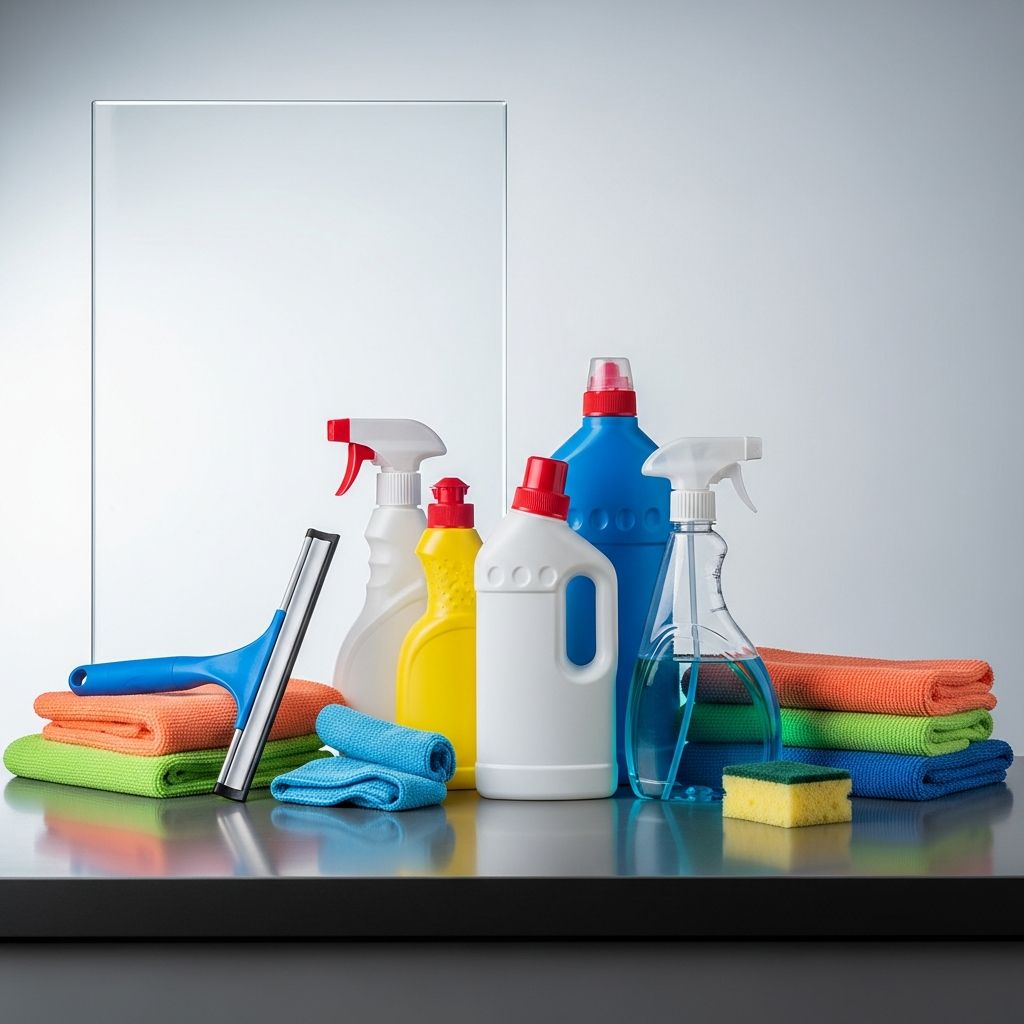
All-Purpose Cleaners and Residue: How to Avoid Streaking
All-purpose cleaners are designed to handle a wide variety of messes on many surfaces, but they often leave behind streaks or residue if they are used incorrectly. Streaks are usually a sign of leftover cleaner, minerals, oils, or dirt that has not been fully lifted or removed, rather than a failure of the surface itself. Understanding what causes streaking and how to prevent it can help you achieve consistently clean, clear, and polished results across your home.
Table of Contents
- What Are All-Purpose Cleaners?
- How Residue and Streaks Form
- Common Surfaces Prone to Streaks
- Choosing the Right All-Purpose Cleaner
- Essential Tools and Materials for Streak-Free Cleaning
- Step-by-Step Method to Avoid Streaking
- Surface-Specific Strategies to Prevent Streaks
- Homemade and Eco-Friendly Streak-Free Options
- Troubleshooting Stubborn Streaks and Residue
- Frequently Asked Questions (FAQs)
- Conclusion
What Are All-Purpose Cleaners?
All-purpose cleaners are formulations designed to clean multiple types of household surfaces, such as countertops, appliances, sealed wood, plastic, and some floors. They usually contain a mix of surfactants (to lift dirt and grease), solvents, water, and sometimes fragrances, dyes, and conditioning agents.
While many all-purpose products are marketed as streak-free, streaking can still occur when:
- Too much product is applied to the surface.
- The cleaner is not fully wiped away or buffed dry.
- The formula is not ideal for that particular material (for example, using multi-surface sprays on hardwood floors can leave residue and streaks).
- Hard water minerals or previous product build-up interfere with drying.
How Residue and Streaks Form
Streaks are usually visible lines or smears left behind after cleaning. They appear when the liquid applied to a surface does not evaporate evenly or when particles and residues remain behind while the liquid dries.
Key causes of streaks and residue include:
- Excess cleaner: Over-spraying leaves more liquid than your cloth can pick up in one pass. As the excess dries, it can leave lines and cloudy patches.
- Soapy or oily formulas: Products with high soap or oil content can condition or shine a surface, but if left unbuffed, they lead to smears and dull streaks, especially on wood or shiny floors.
- Hard water: Minerals in tap water can dry as faint white streaks or spots, especially on glass and glossy tiles. Using distilled water in DIY sprays can reduce this effect.
- Dirty or saturated cloths: Reusing the same cloth without rinsing or changing spreads soil around rather than removing it, creating smear marks.
- Cleaning in direct sun or on hot surfaces: Cleaner can dry too quickly before you wipe it, locking streaks in place, particularly on glass and windows.
Common Surfaces Prone to Streaks
Some surfaces highlight streaks more than others because of their reflectiveness or finish. All-purpose cleaners can be used on many of these, but technique and product selection matter.
| Surface | Why It Streaks Easily | Typical Cause of Residue |
|---|---|---|
| Glass and mirrors | Highly reflective; any residue is instantly visible. | Too much spray, hard water, dirty cloths. |
| Stainless steel | Shows fingerprints, water spots, and wipe marks. | Oily residues, uneven wiping, wrong product. |
| Shiny or laminate floors | Gloss finish exaggerates every smear or film. | Soapy build-up, not rinsing or buffing enough. |
| Hardwood floors | Certain cleaners react with finishes and leave a film. | Multi-surface cleaners, oil soaps, steam, and residues. |
| Glossy countertops (stone, quartz) | Reflect overhead light, making haze visible. | Overuse of product, not drying or buffing. |
Choosing the Right All-Purpose Cleaner
Selecting the right cleaner is the first step to minimizing streaks. Product labels often indicate whether they are streak-free or suitable for glass, stone, wood, or floors.
Look for these features when you want to avoid residue:
- Streak-free or low-residue formulas: Many modern all-purpose sprays are formulated to dry quickly and minimize smears.
- Surface compatibility: Avoid general multi-surface or oil-based cleaners on hardwood floors, as these often create streaks and dull films.
- pH-balanced or neutral cleaners: Especially important for hardwood and stone to protect finishes and reduce haze.
- Eco-friendly ingredients: Cleaners without harsh ammonia or strong solvents can still achieve streak-free cleaning and reduce respiratory irritation.
- Dedicated floor or glass cleaners: In some cases, it is better to use a product specifically made for glass or hard floors when streaking is a recurring issue.
Essential Tools and Materials for Streak-Free Cleaning
Even the best all-purpose cleaner will streak if the wrong tools are used. High-quality tools help you remove dirt and product efficiently.
- Microfiber cloths: Microfiber traps dirt and moisture effectively and is widely recommended for streak-free cleaning of glass and other smooth surfaces. Use separate cloths for wet cleaning and buffing dry.
- Squeegee: Especially for windows, shower glass, or large glossy tiles, a squeegee helps remove solution evenly, reducing streaks.
- Non-scratch scrub pads: Use for stuck-on grime without scratching delicate surfaces.
- Soft mop or flat microfiber mop: For floors, a well-wrung microfiber mop head is effective at lifting soil without leaving puddles.
- Distilled water spray bottle: Using distilled water in DIY solutions can reduce mineral streaks on glass and mirrors.
Step-by-Step Method to Avoid Streaking
The following method applies to most sealed, hard surfaces when using an all-purpose cleaner. Adjust as needed for delicate materials.
1. Remove Loose Dust and Debris
Before spraying cleaner, remove crumbs, dust, and grit with a dry cloth, vacuum, or duster. This prevents dragging particles across the surface, which can cause micro-scratches and streaks.
2. Apply a Light, Even Amount of Cleaner
Apply the all-purpose cleaner in a light mist instead of saturating the surface. Over-wetting is one of the most common reasons streaks appear, especially on glass and shiny floors.
- For vertical surfaces like mirrors and windows, spray onto the cloth rather than directly onto the glass to control the amount and reduce drips.
- For floors, follow the product’s dilution instructions and avoid leaving puddles.
3. Work in Manageable Sections
Clean one small area at a time so the cleaner does not dry before you wipe it away. This is particularly important on windows, stainless steel appliances, and large countertops.
4. Wipe with Microfiber in Overlapping Strokes
Use a clean microfiber cloth and wipe in either straight or slightly overlapping strokes.
- For glass, many professionals favor vertical strokes on one side and horizontal on the other to spot missed areas more easily.
- For counters and appliances, follow the grain where visible (for example, on stainless steel) to reduce visible streaks.
5. Buff Dry Immediately
After the initial wipe, use a second, dry microfiber cloth or a dry portion of your first cloth to buff the surface. Buffing removes any remaining moisture and product, creating a polished, streak-free finish.
6. Inspect from Different Angles
Step back and look at the surface from several angles, especially under natural light. Adjusting your viewing angle helps you spot faint streaks or films you might have missed on glass, floors, and countertops.
Surface-Specific Strategies to Prevent Streaks
While the general method above works broadly, different materials have their own best practices when used with all-purpose cleaners.
Glass, Mirrors, and Windows
Glass is unforgiving of residue, so product choice and technique matter.
- Choose a streak-free glass-safe cleaner or a diluted all-purpose cleaner with low residue.
- Clean on a cloudy day or when the sun is not directly on the glass so the cleaner does not dry too quickly.
- Use a squeegee in a reverse “S” pattern for large panes, wiping the blade with a cloth after each stroke to avoid re-depositing water and dirt.
- Buff stubborn remaining streaks with a dry microfiber in small circular motions.
Hardwood Floors
Hardwood floors are sensitive to both moisture and product type. Using the wrong cleaner can lead to streaks, cloudy films, or damage to the finish over time.
- Avoid multi-surface cleaners, oil soaps, and steam cleaners on hardwood, as these can leave streaks and residue or harm finishes.
- Use a cleaner specifically formulated for wood floors, applied with a slightly damp microfiber mop.
- Work in small sections and ensure the floor dries quickly, which reduces streaking.
- If your hardwood already has residue from previous products, a specialized residue remover may be needed to restore clarity.
Shiny and Laminate Floors
High-gloss and laminate floors show every mark. Overuse of all-purpose cleaner can lead to dull films or visible mop streaks.
- Follow product dilution instructions carefully to avoid overly concentrated solutions.
- Use a well-wrung microfiber mop and avoid excessive water, which can leave streaks and damage seams.
- Buff with a dry microfiber mop head after cleaning high-traffic or glossy areas to remove any light residue.
- Choose streak-free floor-safe all-purpose products or dedicated laminate cleaners when possible.
Kitchen and Bathroom Countertops
Countertops often receive frequent cleaning, which can lead to product build-up if not buffed properly.
- Spray cleaner lightly and wipe immediately, focusing on greasy or sticky spots.
- Rinse or wipe with a slightly damp cloth if the product instructions recommend it, then dry thoroughly.
- On stone, avoid acidic DIY cleaners like vinegar unless the stone is specifically rated as safe for mild acids, as some stones can etch.
Stainless Steel and Appliances
Appliances show fingerprints, water spots, and smears easily.
- Use a non-abrasive, stainless-safe all-purpose cleaner or a dedicated stainless cleaner.
- Wipe with the grain of the metal to minimize visible streaking.
- Buff with a dry microfiber cloth to restore shine and remove any remaining lines.
Homemade and Eco-Friendly Streak-Free Options
Many people prefer homemade or eco-friendly all-purpose solutions for improved indoor air quality and environmental reasons. Eco-friendly formulas can still produce streak-free results when used properly.
A commonly recommended streak-free DIY option for glass and smooth surfaces is:
- Equal parts distilled water and white vinegar in a spray bottle.
This simple mixture cuts grease and grime and can reduce mineral spots due to the use of distilled water. For very dirty surfaces, a drop or two of mild dish soap may be added, but using too much soap increases the risk of streaks.
Benefits of eco-friendly or homemade cleaners include:
- Reduced harsh chemicals such as ammonia or chlorine bleach, improving indoor air quality.
- Safer for homes with children, pets, or sensitivities to fragrance.
- Lower environmental impact through biodegradable ingredients and often more sustainable packaging.
Troubleshooting Stubborn Streaks and Residue
If you continue to see streaks even after adjusting your technique, you may be dealing with long-term build-up or specific contaminants.
Identifying the Type of Residue
- Cloudy film on floors: Often indicates soap or product build-up, especially on wood and shiny floors.
- White spots or lines: Likely mineral deposits from hard water, especially on glass or fixtures.
- Greasy smears: Typically leftover oil or fingerprints, common on stainless steel and touch surfaces.
Removing Product Build-Up
- For glass and windows, use a vinegar-and-water solution to break down mineral deposits and wipe with microfiber.
- For stubborn mineral spots, a paste of vinegar and baking soda can help on glass, followed by thorough rinsing and buffing.
- For wood or shiny floors, use a cleaner designed to remove residues or consult the floor manufacturer’s guidance, as aggressive stripping can damage finishes.
Dealing with Stubborn Spots
- On glass, super-fine steel wool (grade 0000) can sometimes remove mineral deposits and water spots without scratching when used gently, followed by buffing.
- On floors and countertops, use non-scratch pads and avoid abrasive powders that can dull the surface.
Frequently Asked Questions (FAQs)
Q: Why do my surfaces still streak even with a streak-free all-purpose cleaner?
A: Streak-free formulas reduce residue, but they still need correct use. Applying too much product, using dirty cloths, or letting the cleaner dry before wiping can all cause streaks, even with a streak-free spray.
Q: Can I use the same all-purpose cleaner on hardwood floors and glass?
A: It is not always recommended. Many experts advise against using multi-surface or oil-based cleaners on wood floors to avoid streaks and residue. For glass, low-residue or glass-specific cleaners are usually best.
Q: How can I prevent streaks when cleaning windows with an all-purpose cleaner?
A: Clean when the glass is cool (not in direct sun), use a light spray, work in sections, wipe with microfiber, and buff dry or use a squeegee in a consistent pattern, wiping the blade after each pass.
Q: Are eco-friendly all-purpose cleaners effective at avoiding streaks?
A: Yes. Many eco-friendly formulas are designed to be low-residue and streak-free, using plant-based surfactants and gentle ingredients instead of harsh chemicals. Technique (light application and thorough buffing) still matters.
Q: How often should I change or wash microfiber cloths to prevent streaking?
A: Change cloths as soon as they feel damp, heavy, or visibly soiled. Washing microfibers regularly without fabric softener helps maintain their ability to absorb cleaner and reduce streaks.
Conclusion
Streaks are usually a sign that residue has been left behind, not that a surface cannot be cleaned properly. When using all-purpose cleaners, the keys to avoiding streaking are choosing an appropriate, low-residue formula for each surface, applying it sparingly, and working with high-quality tools like microfiber cloths and well-wrung mops. Small changes such as cleaning out of direct sunlight, working in manageable sections, and buffing dry can dramatically improve the final appearance.
Because different materials react differently to cleaners, adapting your approach to glass, hardwood, laminate, stainless steel, and countertops is important for consistent results. Paying attention to signs of build-up and dealing with mineral deposits or old product films ensures that each new cleaning session starts from a clean base rather than layering more residue on top.
By understanding how streaks form and using a methodical, surface-aware approach, you can rely on all-purpose cleaners without sacrificing a clear, polished, and streak-free finish throughout your home.
Similar Articles








Read full bio of medha deb