Basic Operating Steps for Using a Freezer-Bowl Ice Cream Maker at Home
Learn the essential, step-by-step operating method for freezer-bowl ice cream makers so you get smooth, consistent results at home.
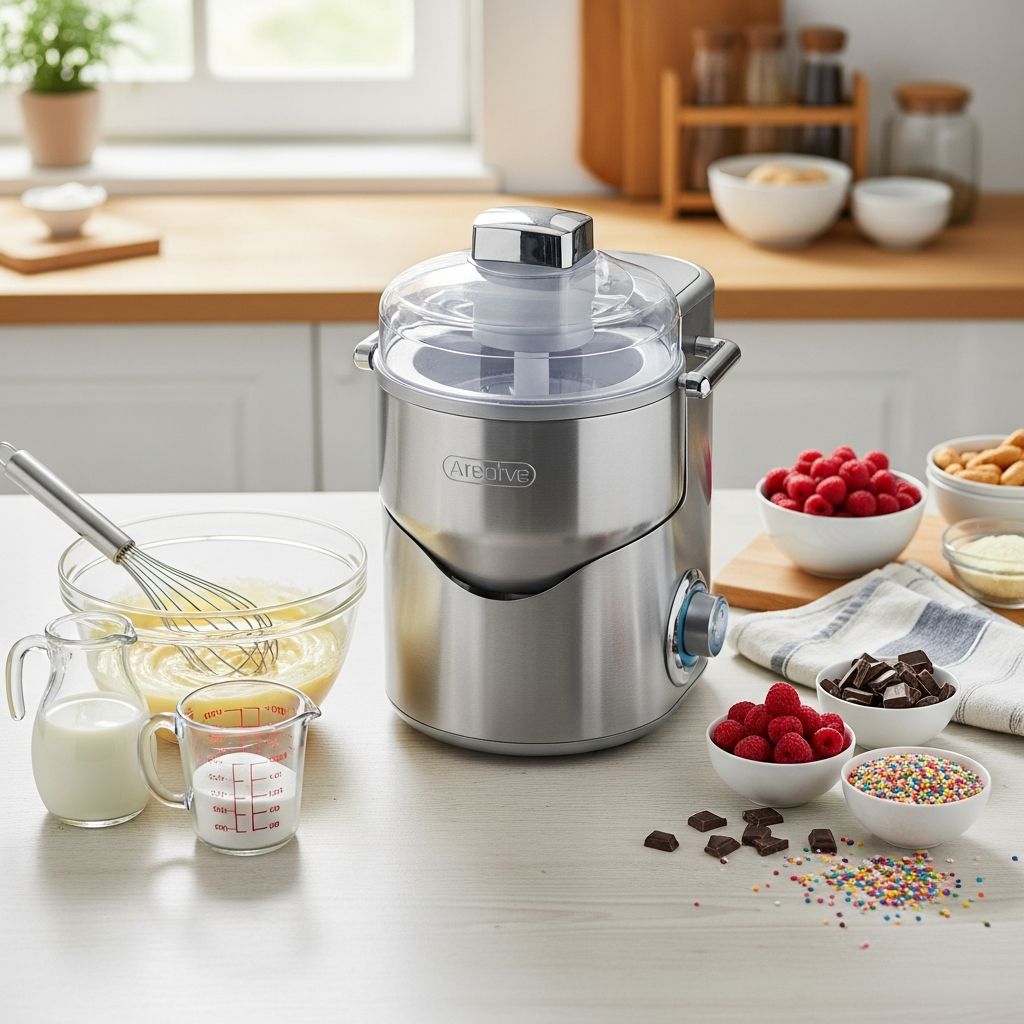
Freezer-bowl ice cream makers are among the most popular home ice cream machines because they are affordable, compact, and easy to use. They rely on a removable bowl that you pre-freeze, then use to churn and freeze your ice cream base into a smooth, creamy dessert at home.
This guide explains, in clear step-by-step detail, how to operate a typical freezer-bowl ice cream maker, from preparing the bowl and base to churning, adding mix-ins, storing the finished ice cream, and cleaning the equipment safely.
Table of Contents
- What Is a Freezer-Bowl Ice Cream Maker?
- Main Parts of a Freezer-Bowl Ice Cream Maker
- Step 1 – Preparing and Freezing the Freezer Bowl
- Step 2 – Preparing and Chilling the Ice Cream Base
- Step 3 – Assembling the Ice Cream Maker
- Step 4 – Churning the Ice Cream
- Step 5 – Adding Mix-ins at the Right Time
- Step 6 – Transferring and Firming in the Freezer
- Cleaning, Care, and Storage Tips
- Troubleshooting Common Problems
- Safety and Best-Practice Tips
- Frequently Asked Questions (FAQs)
- Conclusion
What Is a Freezer-Bowl Ice Cream Maker?
A freezer-bowl ice cream maker uses a double-walled bowl filled with a special coolant liquid. You freeze the bowl in your household freezer until the coolant is completely solid, then use the bowl in the machine to freeze and churn the ice cream base.
Unlike compressor machines, freezer-bowl models do not generate their own cold; they depend entirely on how well and how long the bowl was frozen in advance.
| Feature | Freezer-Bowl Maker | Compressor Maker (for comparison) |
|---|---|---|
| Cooling method | Pre-frozen coolant bowl | Built-in compressor refrigeration |
| Pre-freeze required | Yes, typically 8–24 hours | No, chills as it runs |
| Typical batch size | About 1–2 quarts | Varies, often similar or larger |
| Cost | Lower | Higher |
Main Parts of a Freezer-Bowl Ice Cream Maker
Although designs vary slightly by brand, most freezer-bowl ice cream makers share the same key components.
- Motor base: The powered base that turns either the bowl or the paddle.
- Freezer bowl: A heavy, double-walled bowl with liquid coolant inside that must be thoroughly frozen before use.
- Mixing paddle/dasher: The rotating piece that scrapes and stirs the mixture while it freezes, incorporating air.
- Lid or cover: Often transparent, sometimes with an ingredient spout so you can pour in the base and add mix-ins without removing the lid.
- Spout or opening: A small opening in the lid used to pour in the ice cream base and later to add nuts, chocolate, or fruit.
Step 1 – Preparing and Freezing the Freezer Bowl
The single most important step for successful use of a freezer-bowl ice cream maker is fully freezing the bowl ahead of time.[10]
How to prepare the bowl before freezing
- Make sure the bowl is completely clean and dry. Any water droplets will freeze into ice crystals that can affect the texture of your ice cream.[10]
- Some manuals recommend putting the bowl in a plastic bag before freezing to prevent frost, odors, and ice buildup on the surface.[10]
- Always freeze the bowl in the upright position so the coolant liquid settles evenly.[10]
Freezing time and temperature
- Freeze the bowl for at least 8–24 hours, depending on your freezer and the manufacturer’s directions.
- Keep the freezer at a cold setting, ideally around standard home freezer temperatures (approximately -18 °C / 0 °F or colder).
- Most manufacturers advise that the bowl be completely frozen solid; if you shake it and still hear liquid sloshing, it needs more time.
- Many home cooks simply store the empty, dry bowl in the freezer all the time so it is always ready for use.
Using the bowl immediately
- Once removed from the freezer, the bowl begins to thaw quickly at room temperature.
- Use the bowl immediately after taking it out of the freezer; delay will reduce its freezing power and can leave the mixture soupy.
Step 2 – Preparing and Chilling the Ice Cream Base
While the bowl freezes, prepare your ice cream, gelato, frozen yogurt, or sorbet base according to a trusted recipe or the recipe booklet that came with your machine.
Basic types of bases
- Philadelphia/”American” style: Typically a mixture of milk, cream, sugar, and flavorings without eggs; usually just whisked together and used cold.
- Custard/French style: Includes egg yolks cooked with dairy and sugar into a custard, then chilled completely before churning.
- Non-dairy or sorbet: Often fruit juice or puree plus sugar and water, sometimes with stabilizers; prepared similarly and chilled well.
Key preparation steps
- Follow the ingredient ratios and steps in your recipe: mix milk or cream, sugar, and flavorings until the sugar dissolves.
- For custards, cook the mixture gently, then cool and refrigerate for at least 2 hours, preferably overnight for best flavor and texture.
- Whisk the base again just before churning to recombine any separated fat or flavoring.
- The base should be thoroughly chilled (refrigerator temperature) before it goes into the freezer bowl; warm or room-temperature base will not freeze properly.
Step 3 – Assembling the Ice Cream Maker
Once your bowl is completely frozen and base is chilled, you are ready to assemble the machine.
Standard assembly sequence
- Place the frozen freezer bowl on the center of the motor base, aligning it as directed in your manual.
- Install the mixing paddle or dasher inside the bowl; on most models it simply rests in the center without locking tightly.
- Attach the lid, rotating it until it locks into place. Tabs or marks on lid and base often line up when correctly assembled.
Turn the machine on before pouring
- Most manufacturers instruct you to turn the machine on so the bowl (or dasher) starts turning before you add the ice cream base.
- Pouring into a running machine helps prevent the base from freezing in hard layers on the bowl wall, which can cause uneven freezing or the paddle to jam.
Step 4 – Churning the Ice Cream
Churning is where the base freezes while being constantly stirred, giving the finished product its smooth, creamy texture.
Pouring in the base
- With the machine running, slowly pour the chilled base through the lid opening or spout.
- Stop filling when the liquid level is about 1.5 inches from the top of the bowl, leaving room for expansion as air is incorporated.
Typical churning time and consistency
- Most freezer-bowl machines take about 15–25 minutes to churn a standard batch, depending on recipe and model.
- Some manuals specify more precise ranges, such as 12–20 minutes, for different recipes.
- The ice cream is done when it has a soft-serve texture and the paddle begins to slow because the mixture has thickened significantly.
Soft-serve vs. hard-pack
- Ice cream directly out of the machine is usually like soft-serve: creamy but still a bit loose.
- For a firmer, scoopable “hard-pack” texture, the mixture should be transferred to a container and placed in the freezer for additional time (often 2–4 hours).
Step 5 – Adding Mix-ins at the Right Time
Mix-ins such as chocolate chips, nuts, candy pieces, or fruit chunks should not be added at the beginning of churning.
When to add mix-ins
- Wait until the ice cream is almost fully thickened, typically the last 2–5 minutes of churning.
- Add the mix-ins gradually through the ingredient spout while the machine is running, so they are evenly distributed without overloading the paddle.
Tips for best results with add-ins
- Chop mix-ins into small, bite-size pieces so they do not jam the paddle.
- Chill or freeze solid mix-ins (like chocolate chunks) first so they do not melt into streaks.
- Avoid watery fruits unless they are cooked down or well-drained, as excess water can form ice crystals.
Step 6 – Transferring and Firming in the Freezer
Once the ice cream reaches the desired soft-serve consistency, stop the machine and quickly transfer the contents to a suitable container.
How to transfer the ice cream
- Turn off the machine and remove the lid and paddle.
- Use a silicone spatula to scrape the ice cream from the paddle and sides of the bowl.
- Transfer the soft ice cream into a chilled, airtight, freezer-safe container to minimize ice crystal formation.
Firming time
- For scoopable, firm ice cream, freeze the container for 2–4 hours, depending on your freezer and recipe.
- If left for longer (overnight or more), let the container sit briefly at room temperature before scooping to soften slightly.
Cleaning, Care, and Storage Tips
Proper cleaning and storage will extend the life of your freezer-bowl ice cream maker and keep flavors fresh.[10]
Cleaning after use
- Allow the freezer bowl to return to room temperature before washing; do not expose a frozen bowl directly to hot water.[10]
- Most freezer bowls should be washed by hand with mild dish soap and a soft sponge; avoid abrasive cleaners or scouring pads.[10]
- Clean the lid, paddle, and any additional parts in warm, soapy water as well. Some models may allow certain parts to be top-rack dishwasher-safe; confirm in the manual.
- Wipe the motor base with a damp cloth only; never immerse it in water.
Drying and storing
- Dry the freezer bowl thoroughly before placing it back in the freezer to avoid ice buildup.[10]
- A plastic bag around the bowl can prevent freezer odors and frost accumulation.[10]
- Store the bowl in an upright position in the freezer so it is ready for your next batch.[10]
Troubleshooting Common Problems
Several common issues can arise when using a freezer-bowl ice cream maker, and most are easy to correct.
Ice cream stays soupy and does not thicken
- The freezer bowl was not fully frozen; it may not have spent enough time in the freezer or the freezer was not cold enough.
- The base was not properly chilled before churning.
- Too large a batch was used, exceeding the bowl’s capacity, so the cooling power was insufficient.
Paddle stops turning or machine struggles
- The ice cream may have thickened beyond the intended point; most machines are designed to stop once the mixture becomes very thick.
- Too many or too large mix-ins may have jammed the paddle; next time add smaller pieces and feed them in more gradually.
Grainy or icy texture
- The base may have had undissolved sugar or insufficient fat, leading to more ice crystals.
- The ice cream may have been stored for a long time with temperature fluctuations, causing re-freezing and crystal growth.
- Water droplets or ice inside the bowl before use can also contribute to iciness.[10]
Safety and Best-Practice Tips
Freezer-bowl machines are straightforward to use, but a few safety and quality guidelines are worth remembering.
- Always read your specific manufacturer’s instruction manual for model-specific directions and safety warnings.
- Do not immerse the motor base in water or other liquids.
- Unplug the machine before cleaning or disassembling the motor base.
- Do not use metal utensils inside the freezer bowl; they can scratch the interior surface.
- Respect the maximum fill line or capacity to prevent overflow and motor strain.
- Ensure ingredients—especially eggs in custard bases—are stored, cooked, and cooled safely to avoid foodborne illness.
Frequently Asked Questions (FAQs)
How long do I need to freeze the bowl before using it?
Most freezer-bowl ice cream makers require the bowl to be frozen for at least 8–24 hours, or until there is no sound of liquid sloshing inside. Many users keep the bowl stored in the freezer at all times to ensure it is fully frozen.
Can I make multiple batches in a row with the same bowl?
Typically no. Once you finish a batch, the bowl has warmed up and lost much of its freezing power. It usually needs to be re-frozen for many hours before you can make another full batch.
Do I need to chill the base before churning?
Yes. The base should be thoroughly refrigerated—often for at least 2 hours or overnight—before churning. Pouring a warm or hot base into the frozen bowl will prevent proper freezing and may keep the mixture soupy.
Why do I have to turn the machine on before pouring in the mixture?
Turning the machine on first ensures that the paddle or bowl is already moving when the cold surface contacts the base, which helps prevent the mixture from freezing in a hard layer on the side and keeps freezing even.
Is the ice cream ready to eat when the machine stops?
Yes, it is safe and ready to eat at the soft-serve stage, but for a firmer, scoopable texture similar to store-bought ice cream, you usually need to transfer it to a container and freeze it for several more hours.
Conclusion
Using a freezer-bowl ice cream maker at home is a straightforward process once you understand the basic operating steps: fully freeze a clean, dry bowl; prepare and chill a well-balanced ice cream base; assemble the machine correctly; churn with the machine running as you pour; add mix-ins near the end; and finally, firm the churned ice cream in the freezer for the desired texture.
Most problems—soupy texture, excess iciness, or jams—trace back to a bowl that was not completely frozen, a base that was not cold enough, or overfilling and overloading the machine. Paying close attention to bowl preparation and base temperature, following manufacturer timing guidelines, and handling add-ins thoughtfully go a long way toward consistent, smooth results.
By combining these core techniques with your preferred recipes, you can reliably produce high-quality ice cream, sorbet, or frozen yogurt at home using a simple freezer-bowl ice cream maker.
Similar Articles






Read full bio of medha deb