
Basic Routine Maintenance for Tank Water Heaters: Annual Tasks Every Homeowner Should Know
Learn the essential yearly maintenance tasks that keep your tank water heater safe, efficient, and running longer with fewer breakdowns.
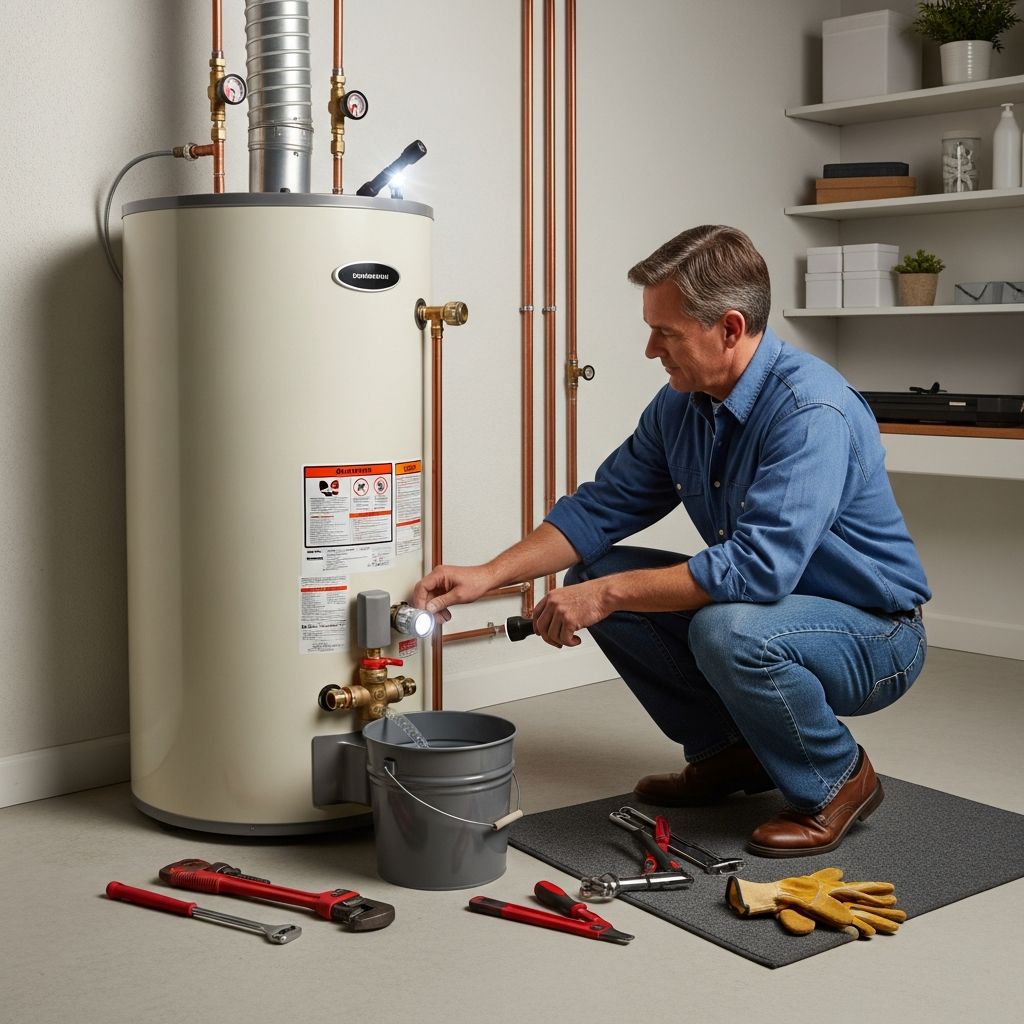
Basic Routine Maintenance for Tank Water Heaters: Annual Tasks for Homeowners
Tank water heaters are among the most used appliances in a home, yet they are often ignored until there is no hot water or a leak appears. With a simple, annual maintenance routine, homeowners can improve efficiency, extend the heater’s lifespan, and reduce the risk of sudden failures.
This guide explains the key yearly tasks for maintaining a typical residential tank water heater, with clear step-by-step instructions, safety notes, and simple troubleshooting tips that most homeowners can handle.
Table of Contents
- Why Annual Maintenance Matters
- Safety First: Before You Start
- Annual Visual Inspection Checklist
- Flushing the Tank Once a Year
- Testing the Temperature and Pressure (T&P) Relief Valve
- Checking the Anode Rod
- Checking Thermostat Settings and Water Temperature
- Insulation, Pipes, and Energy-Saving Improvements
- Gas vs. Electric: Model-Specific Tasks
- Water Quality, Pressure, and Their Impact on Maintenance
- Suggested Maintenance Frequency Table
- When to Call a Professional Plumber
- Conclusion
- Frequently Asked Questions (FAQs)
Why Annual Maintenance Matters
Most manufacturers recommend regular maintenance because tank water heaters naturally accumulate sediment and experience wear over time. Without care, efficiency drops, energy costs rise, and the risk of leaks or tank failure increases. Annual basic maintenance helps homeowners:
- Improve heating efficiency by removing sediment buildup.
- Reduce the risk of leaks and corrosion in the tank and connections.
- Extend the service life of the heater by protecting the tank from rust.
- Verify that safety devices, like the T&P valve, are still working properly.
- Spot minor issues early before they become expensive repairs.
Safety First: Before You Start
Water heaters involve high temperatures, pressure, electricity, or gas. Always follow basic safety steps before performing any work.
General Safety Guidelines
- Read the manufacturer’s manual for model-specific instructions and warnings.
- Turn off power to an electric heater at the circuit breaker before opening panels or working on wiring.
- Set the gas control to “pilot” or “off” for gas units before flushing or checking internal components.
- Allow hot water to cool slightly before draining large amounts from the tank, if possible, to reduce burn risk.
- Use proper hoses, buckets, and tools rated for hot water and indoor use.
- If you smell gas, see major corrosion, or feel unsure, stop and call a licensed plumber or gas utility.
Annual Visual Inspection Checklist
A careful visual inspection once or twice a year is one of the simplest and most important tasks.
What to Look For
- Leaks or moisture around the tank base, top connections, drain valve, and piping.
- Rust or corrosion on the tank shell, fittings, nipples, or pipe joints.
- Discolored or crusty deposits that may indicate mineral buildup or slow leaks.
- Condition of the T&P relief valve and discharge pipe – ensure the pipe is directed downward and terminates near the floor.
- Electrical connections on electric heaters for tightness and signs of overheating (scorch marks, melted insulation).
- Pilot light and burner area for gas heaters – check for a steady blue flame and no soot or debris.
- Area around the heater – keep it clear of flammable materials and dust buildup.
If you see active dripping, pooling water, or heavy rust on the tank body itself, contact a professional, as these often indicate end-of-life conditions.
Flushing the Tank Once a Year
Over time, mineral sediment settles at the bottom of the tank, especially in areas with hard water. This sediment insulates the water from the burner or heating elements, making the heater work harder and potentially causing noise, overheating, or leaks. Most experts recommend flushing a tank water heater at least annually.
Step-by-Step: Annual Tank Flush
- Turn off power to electric units at the breaker; set gas units to “pilot” or “off”.
- Close the cold-water supply valve to the heater.
- Allow the water to cool somewhat if time permits, especially if you will drain a full tank.
- Attach a garden hose to the drain valve at the bottom of the tank and run the other end to a floor drain or outdoors where hot water will not cause damage.
- Open a nearby hot water faucet in the home to allow air into the system.
- Open the drain valve carefully and allow several gallons of water to drain out. For a full flush, drain the entire tank.
- Check the water coming out. If it is cloudy, sandy, or milky with sediment, continue draining until it runs clear.
- Close the drain valve and open the cold-water supply valve to refill the tank.
- Keep a hot faucet open for several minutes until water flows steadily without air spurts; this helps purge trapped air.
- Once the tank is full and air is purged, restore power to electric heaters or turn gas back on and relight or restart the unit per manufacturer instructions.
In very hard water areas, flushing two times per year can further improve performance and reduce sediment buildup.
Testing the Temperature and Pressure (T&P) Relief Valve
The T&P relief valve is a critical safety device that prevents the tank from over-pressurizing and potentially rupturing. It should be tested about once a year to ensure it opens and closes properly.
How to Test the T&P Valve Safely
- Place a bucket under the discharge pipe or ensure it terminates over a floor drain.
- Gently lift the test lever on the T&P valve for a moment to allow a burst of water to flow.
- Release the lever and confirm that the water flow stops and the valve closes fully.
- If no water comes out, the valve sticks, or it continues to drip after testing, the valve should be replaced.
Because the T&P valve is a safety component, replacement should follow the manufacturer’s specifications and local plumbing codes. Many homeowners choose to have a plumber handle this task.
Checking the Anode Rod
The anode rod is a sacrificial metal rod installed inside the tank that attracts corrosive elements, protecting the steel tank from rust. Over time, the rod erodes and must be replaced before it is fully consumed, or the tank itself will begin to corrode.
How Often to Inspect the Anode Rod
- Inspect at least every 1–3 years, depending on water quality and usage.
- Expect replacement roughly every 3–5 years in many homes, sooner in aggressive or softened water conditions.
Basic Inspection Steps
- Turn off power or gas and allow the water to cool slightly.
- Close the cold-water supply and relieve pressure by briefly opening the T&P valve or a hot water faucet.
- Locate the anode rod hex head, usually on the top of the heater (sometimes integrated with the hot outlet).
- Use a properly sized socket and breaker bar to carefully loosen and remove the rod, taking care not to twist piping.
- Inspect the rod: if it is heavily corroded, reduced to a thin wire, or coated with calcium, replacement is recommended.
- Install a new anode rod of the correct type (magnesium, aluminum, or zinc-aluminum) according to the manufacturer’s guidance, then retighten securely.
Anode rod maintenance is one of the most effective ways to significantly extend the life of a tank water heater.
Checking Thermostat Settings and Water Temperature
Annual maintenance is a good time to verify that your water temperature is safe and efficient. Many experts recommend setting the thermostat around 120°F (49°C), which is hot enough for most uses while reducing scald risk and energy consumption.
Steps to Check and Adjust Temperature
- For electric heaters, turn off power at the breaker before removing the access panels.
- Locate the thermostat dial(s) behind the insulation and access covers.
- Adjust the dial to the desired temperature, typically marked by numbers or low/medium/high settings.
- For gas heaters, the temperature control is usually on the gas valve and may be labeled with similar markings.
- After adjustment, allow the heater to run for several hours, then measure the temperature at a hot-water faucet using a thermometer.
Lowering excessively high temperature settings can help reduce energy use and slow mineral deposit formation inside the tank.
Insulation, Pipes, and Energy-Saving Improvements
As part of yearly maintenance, check for opportunities to improve insulation and reduce heat loss.
Simple Insulation Tasks
- Insulate the first few feet of hot and cold water pipes connected to the heater to reduce standby heat loss and condensation.
- Consider an insulating jacket for older, uninsulated tanks if allowed by the manufacturer, keeping clearances around controls and vents.
- Check for drafts or unheated spaces around the heater, especially in basements or garages, and reduce exposure where possible.
These improvements complement annual flushing and inspection by reducing the workload on the heater and stabilizing operating temperatures.
Gas vs. Electric: Model-Specific Tasks
Many maintenance tasks apply to both gas and electric tank heaters, but each type also has specific items to check.
| Task | Gas Tank Water Heater | Electric Tank Water Heater |
|---|---|---|
| Power isolation | Set gas control to “pilot” or “off” before maintenance. | Turn off breaker before removing access panels. |
| Burner area | Check burner and pilot for dust, rust, or soot; vacuum debris carefully; confirm a steady blue flame. | Not applicable. |
| Ventilation | Inspect vent pipe for secure connections, proper slope, and signs of corrosion or backdrafting. | Not applicable. |
| Heating elements | Not applicable. | Inspect for signs of burnout or mineral buildup; elements can be tested and replaced if performance drops. |
| Noise and performance | Popping or rumbling often indicates heavy sediment; flushing may be especially important. | Slow recovery or inconsistent temperature may suggest element or thermostat issues. |
Water Quality, Pressure, and Their Impact on Maintenance
Local water conditions and system pressure influence how often some tasks should be done and how quickly components wear out.
Hard Water and Sediment
- Hard water contains higher levels of calcium and magnesium, increasing sediment buildup inside the tank.
- Homes with very hard water may need tank flushing more than once a year and more frequent anode rod checks.
- A whole-home water softener or filtration system can reduce scaling, though softened water can also consume anodes faster, so yearly rod inspections are recommended.
Water Pressure
- Excessive water pressure (above about 80 psi) can stress the tank, T&P valve, and plumbing system.
- During annual maintenance, consider measuring pressure or having a professional check it at a hose bib or drain valve.
- If pressure is high, a pressure-reducing valve may be recommended to protect the system.
Suggested Maintenance Frequency Table
The following table summarizes common tank water heater maintenance tasks and typical timeframes. Always follow your specific manufacturer’s recommendations.
| Task | Recommended Frequency | Notes |
|---|---|---|
| Visual inspection for leaks and corrosion | Once or twice per year | Look around tank, connections, and valves. |
| Tank flushing | At least once per year | In very hard water areas, consider every 6 months. |
| Test T&P relief valve | Once per year | Replace if it does not open/close properly or continues to leak. |
| Anode rod inspection | Every 1–3 years | Replace if heavily corroded; more frequent checks with softened or aggressive water. |
| Thermostat and temperature check | Once per year | Target around 120°F for most homes. |
| Gas burner and vent inspection | Once per year | Clean debris, confirm flame quality, and check vent path. |
When to Call a Professional Plumber
Many homeowners can handle basic flushing, visual inspections, and thermostat checks. However, there are situations where a licensed professional is the safer choice.
Signs You Should Get Professional Help
- Visible tank body corrosion, bulging, or ongoing leaks at the base.
- T&P valve replacement, gas valve service, or complex electrical diagnostics.
- Repeated pilot light outages, burner issues, or suspected venting problems on gas units.
- Tripped breakers, scorched wiring, or heating element replacement on electric units.
- Unusual noises that persist after flushing, such as loud banging or hammering.
- Any work that requires modification of gas lines, flues, or major plumbing changes.
Conclusion
Routine annual maintenance for a tank water heater comes down to a handful of practical tasks: inspect for leaks and corrosion, flush sediment from the tank, test the T&P relief valve, check the anode rod periodically, and confirm safe temperature settings. Together, these steps improve efficiency, extend the heater’s lifespan, and help protect your home from unexpected water damage.
A thoughtful approach means matching the maintenance schedule to your home’s realities: hard water, high usage, and older equipment may require more frequent attention, while newer units in favorable conditions can often follow a standard annual cycle. When in doubt—especially around gas controls, electrical components, or visible tank damage—partnering with a qualified plumber is part of making an informed, safety-focused decision.
By keeping a simple yearly checklist and updating it as your water quality, household size, or equipment changes, you turn water heater care from a reaction to problems into a proactive habit that keeps hot water reliable and costs under control.
Frequently Asked Questions (FAQs)
How often should I flush my tank water heater?
Most manufacturers and plumbing professionals recommend flushing a tank water heater at least once a year to remove sediment and maintain efficiency. In areas with very hard water, flushing every six months is often suggested.
Do I need to turn off my water heater before maintenance?
Yes. For electric models, switch off the breaker before opening panels or draining the tank. For gas units, set the control to “pilot” or “off” before flushing, testing components, or inspecting the burner. This helps prevent damage to heating elements and maintains safety.
How can I tell if my anode rod needs replacement?
During inspection, if the anode rod is heavily corroded, reduced to a thin core wire, or coated with brittle mineral deposits, it should be replaced. Many homes will need a new rod every 3–5 years, but hard or softened water can shorten that interval.
What are the signs that my water heater is failing?
Common warning signs include rusty or discolored hot water, recurring leaks, rumbling or banging noises that persist after flushing, insufficient hot water, or visible rust and moisture on the tank shell. Persistent problems usually indicate that professional evaluation or replacement is needed.
Is tankless water heater maintenance the same as tank maintenance?
Tankless units do not store large volumes of water, but they still require yearly maintenance, especially descaling in hard water areas. The steps are different, focusing on flushing the heat exchanger with a pump and solution rather than draining a tank. For this article, the focus is on traditional storage tank water heaters, so always consult the manufacturer’s instructions for tankless models.
Similar Articles






Read full bio of Sneha Tete