
Best Practices for Routine Carpet Maintenance for Long-Lasting Floors
Learn the essential best practices for routine carpet maintenance to keep carpets cleaner, healthier, and longer lasting in any home or office.
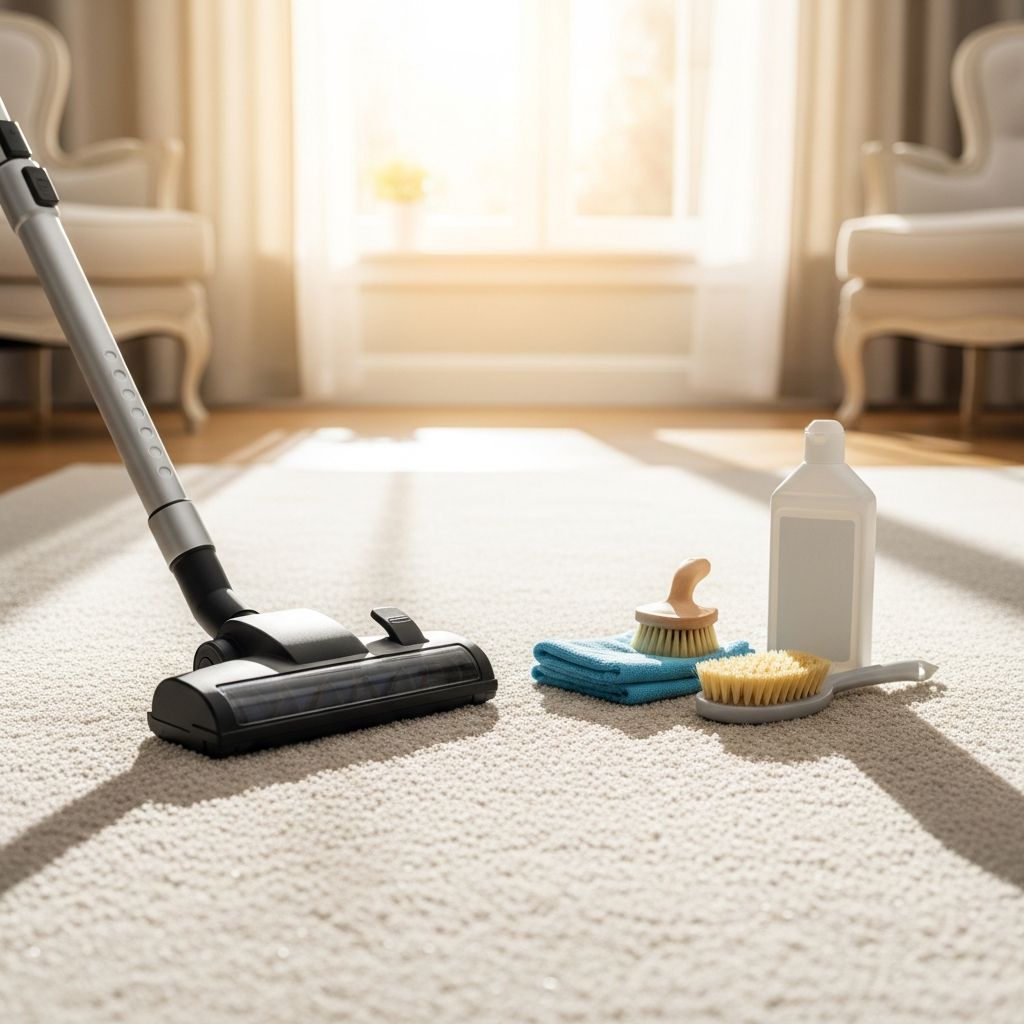
Best Practices for Routine Carpet Maintenance
Routine carpet maintenance is the key to preserving the appearance, performance, and lifespan of your carpeted floors. A thoughtful maintenance plan not only keeps carpets looking fresh and clean, it also helps protect your investment, reduces allergens, and supports healthier indoor air. Regular vacuuming, prompt stain treatment, and scheduled deep cleaning are the pillars of effective carpet care, supported by smart preventive measures such as entry mats and furniture protection.
This comprehensive guide explains best practices for routine carpet maintenance in homes and commercial spaces. You will learn how often to vacuum, how to treat spills, how to plan periodic and deep cleaning, and how to prevent damage and wear before it starts.
Table of Contents
- Why Routine Carpet Maintenance Matters
- Key Elements of a Carpet Maintenance Program
- Vacuuming Best Practices
- Spot and Stain Removal Basics
- Periodic and Deep Cleaning
- Preventive Measures to Reduce Soil and Wear
- Special Considerations by Carpet Type and Location
- Safe Cleaning Products and Equipment
- Sample Routine Carpet Maintenance Schedules
- Frequently Asked Questions (FAQs)
- Conclusion
Why Routine Carpet Maintenance Matters
Carpet acts like a large filter, capturing dust, grit, allergens, and moisture from foot traffic and the air. Without routine maintenance, soil particles work down into the pile and act like abrasives, cutting and fraying fibers and causing premature wear, matting, and discoloration. Regular care solves several problems at once.
- Prolongs carpet life by reducing abrasive soil and fiber damage.
- Improves appearance by preventing dullness, crushing, and visible traffic lanes.
- Supports healthier indoor air by removing dust and allergens trapped in carpet.
- Reduces long-term costs because well-maintained carpets need less frequent replacement and fewer restorative cleanings.
- Protects warranties, since many carpet manufacturers require documented maintenance like periodic professional cleaning.
Key Elements of a Carpet Maintenance Program
Experts typically structure carpet maintenance into multiple levels or phases. Tarkett, for example, recommends a three-step program of routine, periodic, and deep cleaning. Many guides also highlight entrance protection and spot removal as separate components.
| Maintenance Level | Primary Activities | Typical Frequency |
|---|---|---|
| Routine / Daily | Vacuuming, spot and spill removal, quick visual checks | Daily to several times per week, depending on traffic |
| Periodic | Low-moisture or encapsulation cleaning, pile lifting | About 1–2 times per year or as needed |
| Deep / Restorative | Hot water extraction or equivalent deep cleaning method | Every 6–18 months depending on use and manufacturer guidance |
| Preventive Measures | Entry mats, no-shoes policies, furniture protectors, protective treatments | Ongoing, with periodic inspection and replacement |
Vacuuming Best Practices
Vacuuming is the foundation of routine carpet maintenance and the most effective way to remove dry soil before it becomes embedded. Many guides estimate that thorough vacuuming can remove 80–90% of dry particulate soil by weight.
How Often to Vacuum
- High-traffic areas (entries, halls, stairs, living rooms): vacuum daily or at least several times per week.
- Moderate-traffic areas (bedrooms, home offices): vacuum once or twice per week.
- Low-traffic areas (formal rooms, rarely used spaces): vacuum weekly or as needed.
- Commercial facilities: follow a zone-based schedule; busy entrances and corridors may require multiple vacuum passes per day.
Choosing the Right Vacuum
For effective soil removal, equipment choice matters. Carpet and manufacturer guidance commonly recommends vacuum cleaners certified by industry bodies for soil removal and low emissions.
- Use a quality vacuum with strong suction and effective filtration to minimize dust emissions.
- For many cut-pile carpets, a vacuum with a rotating brush or beater bar helps lift pile and remove deep soil.
- For wool, high-cut pile, needle-punch, or delicate loop-pile carpets, a suction-only vacuum or brush with adjustable height is often recommended to avoid fuzzing or damage.
- Ensure filters and bags are changed regularly to maintain performance and air quality.
Effective Vacuuming Technique
- Vacuum slowly, using overlapping passes, especially in traffic lanes, to allow the machine to lift and remove soil.
- Make multiple passes over high-traffic areas from different directions to loosen embedded particles.
- Use edge tools along baseboards, corners, and stairs where soil accumulates.
- Check the vacuum height and adjust it so the brush contacts the carpet surface without digging in or stalling.
Spot and Stain Removal Basics
Prompt spot and spill removal is critical for preventing permanent staining and maintaining appearance. Manufacturers consistently emphasize immediate response and gentle techniques.
Immediate Response to Spills
- Act quickly: address spills as soon as they occur to prevent them from penetrating the backing or setting permanently.
- Blot, do not rub: use a clean, white, absorbent cloth or paper towel to blot from the outside of the spill inward.
- Avoid scrubbing: aggressive rubbing can distort or fray fibers and spread the stain.
- Remove solids first by gently scooping with a spoon or dull knife before blotting liquids.
Using the Right Cleaning Agents
- Use manufacturer-recommended spot cleaners or solutions tested for compatibility with your carpet type.
- Test in an inconspicuous area before applying any product widely to check for colorfastness or texture change.
- Avoid over-wetting; apply a small amount of cleaner, gently work it in (if directed), and continue blotting.
- Rinse with a little clean water if recommended and blot again to remove residues, which can otherwise attract soil and cause re-soiling.
General Steps for Treating Most Spills
- Blot up as much of the spill as possible with an absorbent cloth.
- Apply the recommended cleaning solution sparingly to the stained area.
- Blot, do not rub, working from the edges toward the center of the spot.
- Repeat if necessary until no more color transfers to the cloth.
- Rinse lightly with water if instructed and blot thoroughly to remove moisture.
- Place a dry cloth or paper towels on the area and weight it down to absorb remaining moisture, then allow the carpet to dry completely.
Periodic and Deep Cleaning
Even with excellent vacuuming and spot care, carpets eventually need more intensive cleaning to remove oily residues, bonded soil, and deep-seated contaminants. Manufacturers and maintenance experts distinguish between periodic low-moisture treatments and full restorative deep cleaning.
Periodic Maintenance
Periodic maintenance supplements daily vacuuming when appearance starts to dull or soil is visible even after vacuuming.
- Low-moisture methods such as encapsulation or dry compound cleaning are commonly recommended.
- These methods help lift the pile, remove sticky residues, and delay the need for extensive wet cleaning.
- Typical frequency is 1–2 times per year, adjusted for soil levels, color, and use patterns.
Deep / Restorative Cleaning
Deep cleaning is necessary when routine and periodic methods no longer keep the carpet looking acceptable. Many industry and manufacturer guidelines recommend hot water extraction (often called steam cleaning) as the primary deep cleaning method.
- Hot water extraction injects water and cleaning solution into the pile and then immediately extracts the solution and suspended soil.
- Carpet manufacturers frequently recommend professional hot water extraction every 12–18 months in residential settings, or every 6–18 months depending on traffic.
- Thorough pre-vacuuming is essential before deep cleaning to remove as much dry soil as possible.
- Always allow adequate drying time, typically 1–2 days, before heavy use or replacing furniture, to prevent mold, odors, and re-soiling.
Preventive Measures to Reduce Soil and Wear
Preventive strategies are among the most cost-effective ways to maintain carpet. By limiting the amount of soil and moisture that reaches the fibers, you reduce cleaning demands and extend carpet life.
Entrance Mats and Walk-Off Systems
- Place high-quality mats at all exterior entrances to trap soil and absorb moisture before it reaches the carpet.
- Ensure mats are long enough to allow several steps so that most soil is removed from shoes.
- Clean and replace mats regularly; a dirty mat quickly becomes a soil source instead of a barrier.
No-Shoes and Traffic Management Policies
- Adopt a no-shoes policy indoors, especially in homes or sensitive environments; this significantly reduces tracked-in dirt, grit, and moisture.
- Use runners or area rugs in high-traffic lanes to shield wall-to-wall carpet from concentrated wear.
- Rotate area rugs and rearrange pathways where possible to distribute traffic more evenly.
Furniture Protection and Layout
- Use carpet protectors or wide glides under heavy furniture legs to prevent crushing and indentations.
- Rearrange furniture periodically to prevent permanent traffic lanes and matting in specific areas.
- Address rolling chairs by using chair mats or low-friction glides that reduce abrasion.
Light and Seasonal Considerations
- Use window treatments or UV-filtering films to minimize sun exposure that may cause fading.
- In wet seasons, emphasize moisture control: more mats, faster spill response, and periodic checks for damp areas.
- In dry, dusty seasons, increase vacuuming frequency to keep fine particles from building up.
Special Considerations by Carpet Type and Location
Not all carpets respond the same way to cleaning methods. Fiber type, pile construction, and setting (residential versus commercial) influence the best maintenance approach.
Different Fiber and Construction Types
- Wool and natural fibers: typically require gentler chemistry and temperatures; daily vacuuming and periodic low-moisture cleaning are particularly important.
- Loop-pile and Berber carpets: can snag or fuzz if brushed too aggressively; suction-only or adjustable-brush vacuums are often recommended.
- High-cut pile or shag: may need specialized vacuum attachments or slower passes to avoid tangling fibers.
- Needle-punch products: some manufacturers specify hot water extraction as the only recommended deep cleaning method.
Residential vs. Commercial Settings
- Residential homes: typically focus on weekly vacuuming, immediate spot cleaning, and professional hot water extraction every 12–18 months.
- Commercial buildings: benefit from zone-based schedules, daily vacuuming of high-traffic corridors, and more frequent periodic or encapsulation cleaning.
- In facilities such as schools, healthcare, or offices, green cleaning practices and documented protocols improve air quality and consistency.
Safe Cleaning Products and Equipment
Using safe, compatible cleaning products protects both carpet and occupants. Inappropriate chemicals can damage fibers, strip protective treatments, or leave sticky residues that attract soil.
- Follow manufacturer recommendations for detergents, spot removers, and protective treatments.
- Choose cleaners formulated specifically for carpets and tested to avoid rapid re-soiling.
- Favor low-residue or encapsulating products that release easily during extraction.
- Observe worker safety guidelines, including ventilation, proper dilution, and protective gear in commercial settings.
- Inspect equipment regularly for leaks or malfunction that could over-wet or damage the carpet.
Sample Routine Carpet Maintenance Schedules
Although every space is unique, the following sample schedules illustrate how best practices can be translated into day-to-day routines. Adjust frequencies based on occupancy, climate, pets, and manufacturer instructions.
Sample Residential Maintenance Schedule
- Daily
- Spot clean any fresh spills using the blotting method and recommended spot cleaner.
- Quick vacuum of kitchen entries, halls, and main living areas in busy households.
- Weekly
- Thorough vacuuming of all carpeted rooms, including edges and under accessible furniture.
- Visual inspection for stains, matting, or problem spots.
- Every 6–12 months
- Professional hot water extraction of high-use areas; extend to all rooms at least every 12–18 months, per manufacturer guidelines.
- Check and refresh entrance mats.
Sample Commercial Maintenance Schedule
- Daily
- Vacuum entrances, lobbies, main corridors, and high-traffic zones, using multiple passes.
- Spot and spill removal throughout the day as needed.
- Weekly
- Vacuum all carpeted spaces, including offices and meeting rooms.
- Edge cleaning along walls, under desks, and in corners.
- Quarterly or Semiannually
- Periodic low-moisture or encapsulation cleaning of traffic lanes and appearance-critical areas.
- Inspection for wear, seam issues, or recurring stains.
- Annually or as Needed
- Deep cleaning via hot water extraction across large sections or entire floors, coordinated with off-hours to allow drying.
Frequently Asked Questions (FAQs)
How often should I have my carpets professionally cleaned?
Many carpet manufacturers recommend professional hot water extraction approximately every 12–18 months for typical residential use, with more frequent service in high-traffic homes or commercial spaces.
Is vacuuming really that important for carpet life?
Yes. Vacuuming is considered the single most important and cost-effective maintenance step because it removes most dry soil before it abrades and damages fibers.
Should I use a steam cleaner I rent from a store?
Rental or consumer-grade machines can be useful if used correctly, but improper technique can lead to over-wetting or residue. Always pre-vacuum, follow manufacturer instructions, and allow plenty of drying time. For heavily soiled carpets or warranty requirements, professional service is often recommended.
What is the difference between spots and stains?
A spot is usually a localized deposit of material on or in the carpet that can often be removed; a stain is a discoloration that has penetrated or altered the fiber, making removal more difficult. Prompt action helps prevent spots from becoming permanent stains.
Can I prevent my carpet from matting in traffic areas?
You can reduce matting by using runners or rugs in heavy-use paths, vacuuming regularly with a suitable brush, rotating furniture, and scheduling periodic pile-lifting or encapsulation cleaning. Deep cleaning can also help revitalize flattened areas.
Conclusion
Routine carpet maintenance is not a single task but an integrated program that combines regular vacuuming, prompt spot removal, thoughtful preventive measures, and scheduled periodic and deep cleaning. When these elements work together, carpets stay cleaner, look better, and last significantly longer.
The most effective programs are tailored to the type of carpet, the level of traffic, and the needs of the space. By following manufacturer guidance, choosing the right equipment and products, and adjusting frequencies based on real-world conditions, you can maintain carpets that support comfort, aesthetics, and healthier indoor environments for years to come.
Ultimately, a successful routine carpet maintenance plan is proactive rather than reactive. By consistently preventing soil buildup and addressing issues early, you preserve both the beauty and the performance of your carpeted floors.
Similar Articles








Read full bio of Sneha Tete