Choosing the Right Water Dispenser for Your Home: Questions to Ask First
A practical, research-based guide to picking the best home water dispenser by asking the right questions before you buy.
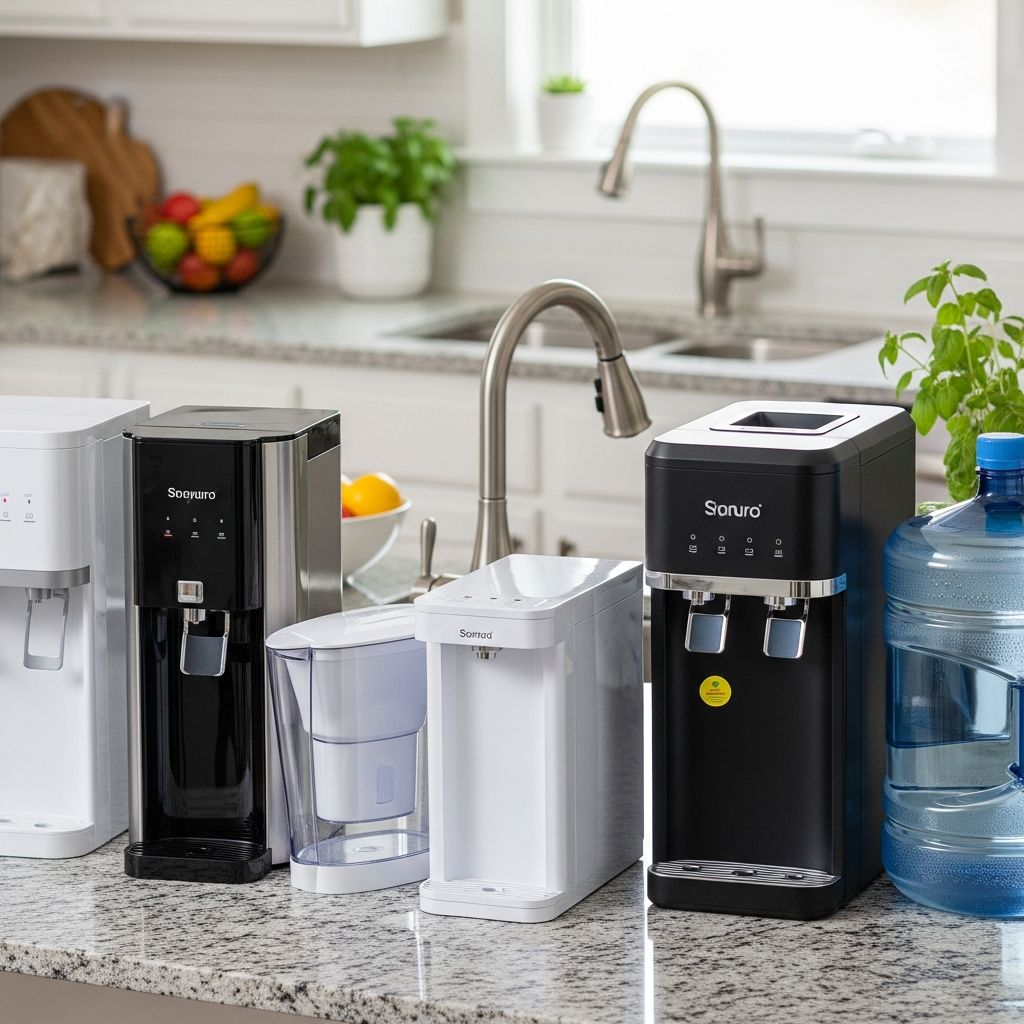
Choosing the Right Water Dispenser for Your Home: Key Questions to Ask Before You Buy
A water dispenser can make clean, great-tasting water more accessible for your household while reducing reliance on single-use plastic bottles. To avoid buyer’s remorse, it helps to approach the purchase with a checklist of clear questions about your space, usage, water quality, and budget.
This guide walks you through those key questions, explains the main types of water dispensers, and highlights the critical features that matter most for everyday home use.
Table of Contents
- Understanding the Basics: What Does a Home Water Dispenser Do?
- What Types of Water Dispensers Are Available?
- Key Questions to Ask Before You Buy
- Comparison Table: Bottled vs Bottleless vs Countertop
- Important Features and Specifications to Consider
- Where Will the Dispenser Go in Your Home?
- Upfront and Ongoing Costs: What Will You Really Pay?
- Maintenance, Cleaning, and Hygiene
- Common Mistakes to Avoid When Choosing
- Frequently Asked Questions (FAQs)
- Conclusion
Understanding the Basics: What Does a Home Water Dispenser Do?
A home water dispenser is an appliance that stores and delivers drinking water at a convenient height and, often, at different temperatures. It can be fed by large bottled water containers or connected directly to your home’s plumbing (often called point-of-use or bottleless systems).
Typical benefits include:
- Quick access to cold, room-temperature, or hot water for drinking and cooking.
- Improved taste and odor when paired with filtration systems.
- Reduced dependency on single-use plastic bottles and packaged drinks.
- Encouragement for the whole household to drink more water by making it more appealing and convenient.
What Types of Water Dispensers Are Available?
Before you can choose a specific model, you need to know the main categories of dispensers and how they differ.
Bottled Water Dispensers
Bottled water dispensers use large water jugs (typically 3–5 gallons) that you either purchase or have delivered. They come in two main configurations:
- Top-loading: The bottle sits on top, and gravity feeds water into the reservoir.
- Bottom-loading: The bottle is hidden in a cabinet at the bottom, and water is pumped up.
They are popular because they require no plumbing modifications and can be placed almost anywhere with an electrical outlet.
Bottleless (Point-of-Use) Water Dispensers
Bottleless or plumbed-in water dispensers connect directly to your home’s cold water line and typically include built-in filtration such as carbon or advanced multi-stage filters. They deliver chilled, room temperature, and sometimes hot or sparkling water on demand.
These systems eliminate the need for bottle deliveries and reduce plastic use, but they require installation and regular filter changes.
Countertop Water Dispensers
Countertop models are compact units that sit on your kitchen counter or another flat surface. They may be bottled, bottleless, or use refillable internal tanks:
- Great for small kitchens, apartments, or secondary locations like home offices.
- Some connect to a water line, while others need to be manually refilled.
- Often offer fewer capacity and temperature options than full-size floor-standing models.
Mounted and Built-in Dispensers
Mounted water dispensers (such as wall-mounted fountains) and built-in dispensers are less common in homes but increasingly seen in modern kitchens. They may be integrated into cabinetry or paired with under-sink filtration and provide a sleek, permanent solution; however, they involve higher installation costs and less flexibility if you move.
Portable and Specialty Dispensers
Portable electric pumps and small tabletop dispensers are useful for events, picnics, or temporary setups. They are lightweight and require no installation, but they generally have lower capacity and fewer features, making them better as supplemental rather than primary home solutions.
Key Questions to Ask Before You Buy
Instead of starting with brands and prices, begin with a clear understanding of your household’s needs. Use the following questions as a checklist.
1. How Many People Will Use the Dispenser?
Estimate the number of daily users and typical water consumption. A family of four that drinks mostly water (and uses it for tea, coffee, and cooking) will need more capacity than a single person who uses it occasionally.
- Small households (1–2 people) can often manage with a compact countertop unit or a smaller bottled dispenser.
- Medium to large households may benefit from a full-size bottled or bottleless dispenser with larger storage and higher output.
2. What Is the Quality of Your Tap Water?
The condition of your local water supply is a key factor in choosing between bottled and plumbed-in systems and in evaluating filtration needs.
- If your tap water is safe but tastes unpleasant, a bottleless dispenser with a carbon filter may be sufficient.
- If your tap water has known contaminants or heavy sediment, look for multi-stage filtration systems specifically rated for those contaminants.
- If you distrust your tap water entirely, you may prefer a botted system using spring or purified water from a reliable supplier.
3. Do You Prefer Bottled or Bottleless?
This decision affects convenience, environmental impact, and long-term cost.
- Bottled is flexible and requires no plumbing but involves ongoing bottle deliveries, storage space, and plastic use.
- Bottleless offers endless water and lower waste, but you must install it and maintain filters regularly.
4. What Temperatures Do You Need?
Most modern dispensers offer at least cold and room-temperature water, while many units also provide hot water for beverages and instant meals.
- Cold water for drinking and cooking.
- Hot water for tea, coffee, instant soups, and baby formula preparation (with caution).
- Some systems add options like sparkling or flavored water.
Ask yourself how often you will use each temperature and whether paying for extra functionality will genuinely improve daily life.
5. How Much Space Do You Have?
Measure the area where you plan to place the dispenser, including height, depth, and clearance for bottle changes or filter access.
- In tight kitchens, a countertop or slim freestanding unit usually makes more sense.
- In open-plan living areas, you might prefer a full-size floor-standing unit with higher capacity.
- Check access to wall sockets and, for bottleless units, proximity to water lines.
6. What Is Your Budget – Including Ongoing Costs?
Upfront price is only part of the story. Over time, bottled water purchases, filter changes, and energy use often exceed the initial cost of the dispenser.
- Factor in monthly or annual bottle delivery costs versus filter replacement schedules for point-of-use systems.
- Consider energy efficiency if the cooler runs constantly, especially for hot-and-cold models.
7. Are There Children, Elderly, or Pets in the Home?
Safety and ease of use are crucial in homes with young children, older adults, or people with mobility challenges.
- Look for hot-water child safety locks.
- Consider bottom-loading systems to avoid heavy lifting of large bottles.
- Ensure controls and faucets are easy to reach and operate safely.
Comparison Table: Bottled vs Bottleless vs Countertop
| Type | Pros | Cons | Best For |
|---|---|---|---|
| Bottled (Top/Bottom Loading) | No plumbing needed; flexible placement; known water source; suitable for rentals. | Ongoing bottle costs; storage space required; heavy lifting for bottles (especially top-loading); plastic waste. | Renters, homes with unreliable tap water, or households that prefer delivered spring/purified water. |
| Bottleless (Point-of-Use) | Unlimited supply; no bottles to store; typically includes filtration; lower long-term cost; reduced plastic use. | Requires plumbing access and installation; dependent on tap water quality; filter maintenance needed. | Homeowners or long-term renters with decent tap water and moderate to high water consumption. |
| Countertop | Compact; ideal for small spaces; some models require no installation; easy to move. | Lower capacity; may not provide both hot and cold; can occupy valuable counter space. | Apartments, studio kitchens, home offices, or secondary locations like a bedroom or den. |
Important Features and Specifications to Consider
When comparing specific models, focus on the features that directly affect daily use and long-term ownership.
Temperature Options
- Cold only: For basic hydration and cooking needs.
- Hot and cold: The most popular choice for households that drink tea or coffee or prepare instant foods.
- Tri-temperature (hot, cold, room): Offers maximum flexibility for families with diverse preferences.
- Specialty (sparkling, flavored): Advanced systems suitable for those who want a premium experience.
Filtration and Purification
Bottleless dispensers often incorporate filtration to improve taste and safety.
- Carbon filters to reduce chlorine taste, odor, and some organic compounds.
- Multi-stage systems that target specific contaminants like sediment or heavy metals.
- UV or antimicrobial technologies that help keep the dispensing area cleaner.
Check filter replacement intervals and availability, as these impact both maintenance and cost.
Capacity and Flow Rate
- Reservoir size determines how much chilled or heated water is available at any one time.
- Flow rate affects how quickly you can fill glasses, kettles, or cooking pots.
- High-use households benefit from larger tanks and faster flow to avoid waiting between refills or chilling cycles.
Noise Level and Energy Use
Compressor-based cooling systems can produce noise similar to a mini fridge, which may matter in open living spaces.
- Look for energy-efficient models or eco modes to reduce running costs.
- If the dispenser is near a bedroom or home office, consider user reviews that mention noise.
Safety Features
- Child safety locks on hot taps to prevent scalding.
- Stable bases and anti-tip designs for floor-standing units.
- NSF, WRAS, or equivalent certifications where applicable, indicating compliance with hygiene and safety standards.
Design and User Experience
- Front-access controls and clearly labeled taps or buttons.
- Night lights or illuminated dispensing area for low-light use.
- Bottom-loading designs to hide bottles and improve aesthetics.
- Finish options (stainless steel, white, black) to match kitchen decor.
Where Will the Dispenser Go in Your Home?
Placement affects convenience, safety, and installation complexity.
- Keep it near the main activity areas where people naturally gather (kitchen, dining area, or family room).
- Ensure enough clearance for changing bottles or accessing filters and back panels.
- Measure vertical space if using a top-loading bottled dispenser under cabinets.
- For bottleless units, plan the route for the water line and verify proximity to a shut-off valve and electrical outlet.
Upfront and Ongoing Costs: What Will You Really Pay?
Your total cost of ownership includes purchase price, installation, water or filters, and potential repairs.
- Upfront cost: Dispenser price plus installation for plumbed-in units.
- Bottled water cost: Recurring expense based on volume consumed; can be higher for large families.
- Filter replacement cost: For bottleless units, check how often filters need changing and their price.
- Energy consumption: Hot and cold functions draw electricity continuously, so an efficient model can reduce long-term bills.
Some households find that bottleless systems pay for themselves over time by avoiding bottle purchases, especially where water consumption is high.
Maintenance, Cleaning, and Hygiene
Regular maintenance ensures good-tasting water and a hygienic system.
- Follow manufacturer guidelines for internal cleaning and sanitization intervals.
- Wipe external surfaces and the dispensing area frequently to prevent microbial buildup.
- Replace filters as recommended to maintain flow rate and water quality.
- Inspect bottled systems for spills or leaks during bottle changes, especially in bottom-loading models.
Some premium units include self-cleaning or UV technologies designed to reduce the need for manual disinfection, though regular care is still recommended.
Common Mistakes to Avoid When Choosing
- Ignoring water quality and assuming all filters are the same; always match filtration level to local conditions.
- Underestimating total cost by focusing only on purchase price and not on bottles or filters.
- Choosing a unit that is too large or too small for your space and household size.
- Overlooking safety features in homes with children or elderly users.
- Buying advanced features (sparkling, flavors) that you rarely use, which can complicate maintenance.
Frequently Asked Questions (FAQs)
Q1: Is a bottled or bottleless water dispenser better for a typical family home?
For most family homes with reasonably safe municipal water, a bottleless dispenser with proper filtration offers convenience and lower long-term cost, especially if water consumption is high. However, if your tap water quality is poor or plumbing access is limited, a bottled dispenser from a reputable water supplier may be the more practical option.
Q2: How often should I clean my water dispenser?
Manufacturers commonly recommend cleaning and sanitizing internal components every few months, and more often in high-use households. External surfaces and the dispensing area should be wiped down regularly to maintain hygiene.
Q3: Do all water dispensers filter water?
No. Bottled dispensers rely on the quality of the bottled water itself, while many bottleless dispensers integrate filtration systems. Always check whether filtration is included and what contaminants it is certified to reduce.
Q4: Can I install a bottleless dispenser myself?
Some point-of-use units are designed for DIY installation if you are comfortable working with basic plumbing connections, but others may require professional installation, especially when drilling cabinets or routing lines behind walls. Check the manufacturer’s instructions and warranty conditions.
Q5: Are hot water dispensers safe around children?
Hot water can pose a scalding risk, so it is important to choose a dispenser with reliable child safety locks and to educate children not to use the hot tap unsupervised. You may also consider models with lower maximum hot-water temperatures or select a cold-only system for homes with very young children.
Conclusion
Picking the right water dispenser for your home is less about chasing the latest model and more about asking a focused set of questions that reveal what your household truly needs. When you consider the number of users, tap water quality, space and installation constraints, temperature preferences, safety requirements, and long-term costs, the best type of dispenser usually becomes clear.
By comparing bottled, bottleless, and countertop options side by side and paying close attention to filtration, capacity, and ease of maintenance, you can choose a system that fits smoothly into daily life. The goal is not just to have another appliance in the kitchen, but to create a reliable, convenient source of water that supports healthier hydration habits for everyone in your home.
An informed choice balances practicality, safety, environmental impact, and budget. Taking the time to evaluate these factors upfront ensures that the water dispenser you bring home will be one you are satisfied with for many years.
Similar Articles



Read full bio of medha deb