
Cleaning a Top-Load Washing Machine Drum to Remove Residue and Build-Up
Detailed guidance to deep clean a top-load washer drum, eliminate residue, odors and build-up, and keep laundry smelling fresh.
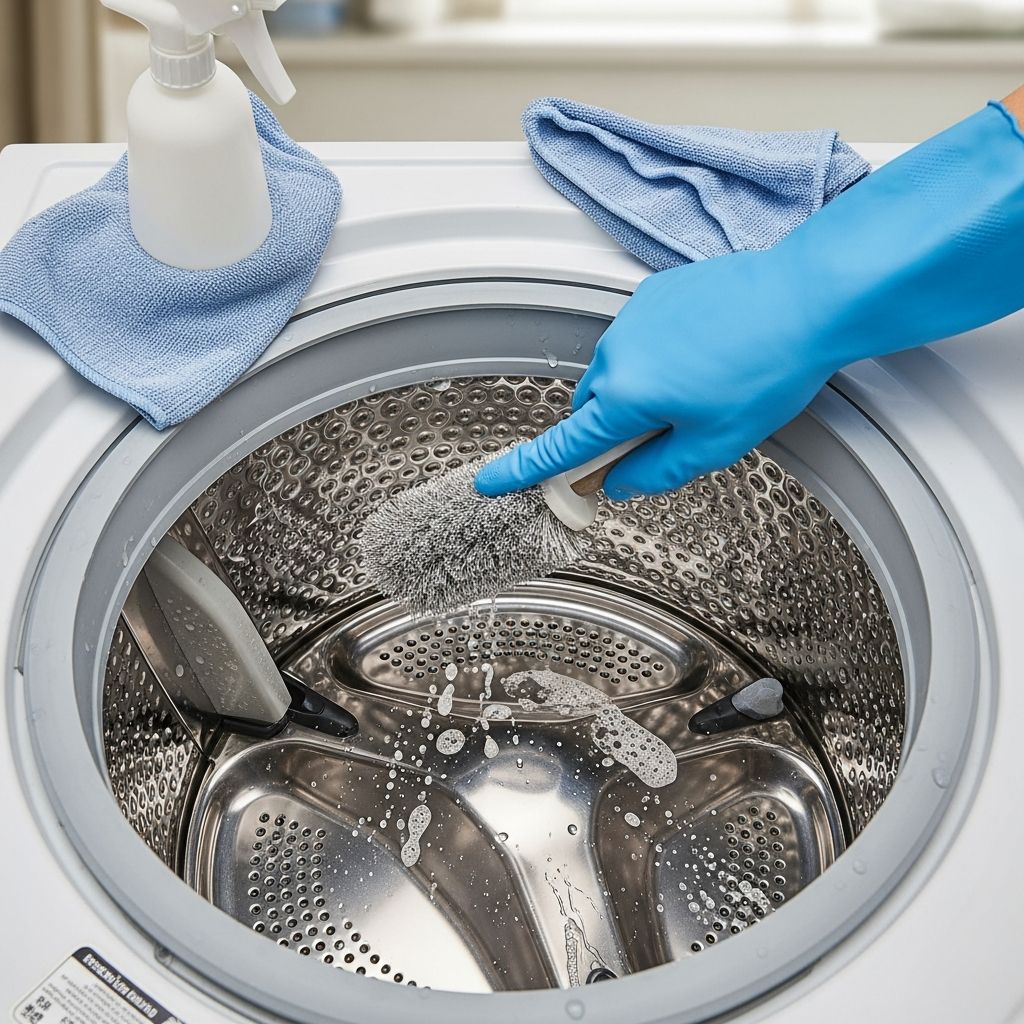
A top-load washing machine works hard every week, but detergent residue, fabric softener, minerals and lint gradually build up on the drum and inner components. Over time this build-up can trap odors, stain clothes and even reduce the washer’s cleaning power. Deep cleaning the drum on a regular schedule restores freshness, helps prevent mold and keeps your washer running efficiently.
Table of Contents
- Why Cleaning the Drum Is Essential
- Signs Your Top-Load Drum Needs Cleaning
- Supplies and Safety Checklist
- Preparation Before You Start
- Method 1: Using the Built-In Clean or Tub Cycle
- Method 2: Hot Wash with Vinegar and Baking Soda
- Cleaning Around and Under the Agitator
- Cleaning Dispensers, Rim and Hard-to-Reach Areas
- How Often to Clean a Top-Load Drum
- Preventing Future Residue and Build-Up
- Troubleshooting Persistent Odors and Stains
- Frequently Asked Questions (FAQs)
- Conclusion
Why Cleaning the Drum Is Essential
Even though a washing machine is constantly exposed to water and detergent, it does not clean itself. Residue from detergents, fabric softeners and hard water minerals gradually coat the inside of the drum and tub. Over time these films trap soil and moisture, creating an ideal environment for bacteria and mold. Regular drum cleaning:
- Helps remove detergent and softener residue that can appear as white or gray streaks on clothes.
- Eliminates musty or sour odors caused by mold, mildew and bacterial growth in the drum and hidden crevices.
- Improves wash performance by preventing soil redeposit and ensuring water can reach fabrics effectively.
- Reduces risk of stains from built-up grime breaking loose during cycles.
- Supports longer appliance life by reducing stress on components and keeping the tub cleaner.
Signs Your Top-Load Drum Needs Cleaning
Many homeowners do not realize their washer drum needs attention until there are obvious problems. Common indicators include:
- A persistent musty, sour or moldy smell inside the drum, especially after the lid has been closed.
- Clean laundry that comes out with white streaks, residue spots or gray smears.
- Visible slime, soap scum or dark specks on the drum walls or top rim.
- Black or pink mold or mildew spots along the upper tub, under the rim or around dispensers.
- Water seems to drain slowly or there is lingering debris after cycles, indicating possible build-up in internal paths or filter.
If you notice any of these signs, it is time for a complete drum cleaning and inspection of the surrounding areas inside the washer.
Supplies and Safety Checklist
Before you start, gather basic cleaning supplies. Most top-load washers can be cleaned with simple household products, but the right tools help you reach stubborn grime and tight spaces.
Recommended cleaning products
- White distilled vinegar
- Baking soda (bicarbonate of soda)
- Liquid dish soap or a mild all-purpose cleaner
- Commercial washing machine cleaner tablets or powder (optional)
- Non-abrasive bathroom or appliance cleaner for heavy grime (if needed)
Tools and accessories
- Soft microfiber cloths or clean rags
- Soft-bristle brush or old toothbrush
- Small bottle brush or pipe cleaner for dispensers and slots
- Spray bottle for vinegar-water mix
- Small bowl or container for mixing paste with baking soda
- Gloves if you have sensitive skin
Safety and manufacturer guidance
- Unplug the washer or switch off the power before working around the agitator or internal parts.
- Read the owner’s manual to confirm suitable cleaning agents and identify any built-in clean cycles.
- Do not use abrasive pads, steel wool or harsh chemicals like undiluted bleach unless your manual approves them.
- If the agitator cap or parts do not come off easily, do not force them; some designs are not removable.
Preparation Before You Start
Good preparation ensures the cleaning process is effective and minimizes mess.
- Empty the washer: Remove all laundry, detergent pods or other items from the drum.
- Wipe loose debris: Use a dry cloth to remove loose lint, hair or visible debris from the drum and top rim.
- Check the drain and filter if your model provides easy access, as trapped objects can contribute to odor and residue.
- Make sure the hot water supply is on, since drum cleaning is most effective with hot water.
Method 1: Using the Built-In Clean or Tub Cycle
Many modern top-load washers offer a dedicated clean washer, tub clean or drum clean cycle. This is one of the easiest and safest ways to deep clean the drum.
Step-by-step instructions
- Step 1: Select the cleaning cycle
Check the control panel for a cycle labeled clean washer, tub clean or drum clean, and select it as directed in your manual. - Step 2: Add cleaner if recommended
Place a washing machine cleaner tablet or the recommended amount of liquid cleaner directly into the drum. Some manufacturers also allow a small amount of regular detergent or bleach; follow their guidance closely. - Step 3: Run the cycle on hot
Ensure the setting uses hot water. High temperatures help dissolve detergent residue, softener build-up and oils. - Step 4: Wipe the drum after the cycle
When the cycle ends, use a damp cloth to wipe the interior of the drum, focusing on any remaining spots of residue or discoloration. - Step 5: Run a rinse and spin
Run a quick rinse and spin cycle to flush out any remaining cleaner or loosened debris, especially recommended for top-load models after a tub clean.
When this method works best
- Newer washers with a dedicated clean cycle.
- Light to moderate build-up and early odor problems.
- Routine monthly or bi-monthly maintenance cleaning.
Method 2: Hot Wash with Vinegar and Baking Soda
If your washer does not have a special cleaning cycle, you can deep clean the drum using a standard hot cycle and household ingredients. Vinegar helps dissolve mineral and detergent residues, while baking soda deodorizes and offers gentle scrubbing power.
Step 1: Treat the drum with vinegar
- Set the washer to the largest load size and the hottest water setting.
- As the tub starts to fill, add about two cups of white vinegar directly into the drum.
- Allow the machine to fill until the drum is mostly full of hot water.
- If your machine allows, pause the cycle once full to let the hot water and vinegar soak for 30–60 minutes. This soaking step helps loosen heavy residue on the drum and upper tub walls.
Step 2: Add baking soda and complete the cycle
- After the soak, add about one cup of baking soda to the drum.
- Resume the wash cycle and allow it to run completely, including agitation and spin.
- The combination of heat, vinegar and baking soda helps break down soap scum, soften deposits and neutralize odors.
Step 3: Wipe down the drum and upper tub
- When the cycle finishes, open the lid and inspect the drum.
- Use a damp microfiber cloth to wipe the inside of the drum, concentrating on any remaining spots.
- Gently push the inner drum side to side to expose the top edge and hidden rim where grime often collects, then wipe thoroughly with the cloth or a soft brush.
Step 4: Optional final rinse
- Run a short rinse and spin cycle with plain water to remove any loosened residue or remaining cleaning agents.
- Leave the lid open to allow the drum to dry completely.
Cleaning Around and Under the Agitator
Many top-load washers include a central agitator, which can harbor build-up at its base and inside any removable caps. Cleaning these areas can significantly reduce lingering odors and hidden grime.
Accessing the agitator
- Consult your manual to confirm whether the agitator cap is removable and how to remove it safely.
- If it lifts off easily, take off the cap and check inside for residue, lint and standing water.
- Do not attempt to force or pry off parts that resist removal; some designs are fixed in place.
Cleaning the agitator and surrounding area
- Use a cloth or small brush dipped in a mixture of warm water and a little dish soap to scrub the inner surfaces of the cap and agitator cavity.
- For stubborn residue, a toothbrush or bottle brush can reach into crevices around the base.
- Rinse with clean water and dry the parts before reassembling.
- Wipe the exterior of the agitator from top to bottom to remove soap scum and deposit lines.
Cleaning Dispensers, Rim and Hard-to-Reach Areas
Residue does not only sit on the visible drum. Detergent and softener dispensers, bleach channels and the upper rim of the tub are frequent trouble spots.
Detergent, bleach and softener dispensers
- Remove any detergent trays or softener cups that can be taken out.
- Soak them in warm, soapy water to dissolve caked-on product.
- Use a toothbrush or small bottle brush to scrub corners, slots and channels.
- Rinse thoroughly and dry before reinstalling.
- For built-in bleach channels, use a pipe cleaner or cotton swab to clear residue from the openings where liquid enters the drum.
Top rim and underside of the lid
- Spray a vinegar-and-water solution along the top rim of the tub and under the lid where splashes and residue often collect.
- Let it sit for a few minutes, then scrub with a cloth or soft brush.
- Pay particular attention to the hidden lip above the drum that you can see when you gently push the drum from side to side; grime frequently builds up there.
Exterior surfaces
- Wipe the control panel, top surface and exterior sides of the washer with a soft, damp cloth.
- Use mild soap only; harsh chemicals may damage finishes or labels.
How Often to Clean a Top-Load Drum
The ideal cleaning frequency depends on how heavily you use your washer and the type of loads you run. As a general guideline:
- If you wash several loads per week, clean the drum about once a month.
- For lighter use, a deep clean every three months is usually adequate.
- Homes with hard water, frequent cold washes or heavy soil (sports gear, work clothes) may need more frequent cleanings.
- Running a hot or warm load occasionally, instead of always washing in cold water, helps slow down build-up between deep cleans.
Preventing Future Residue and Build-Up
Once your top-load drum is clean, a few simple habits will keep it fresher for longer and reduce the need for intensive scrubbing.
Everyday habits that help
- Leave the lid open after each wash so the drum and tub can dry, reducing moisture that encourages mold.
- Use the correct amount of detergent based on load size, soil level and water hardness; excess detergent leaves a sticky film that traps dirt.
- Choose high-efficiency detergent if your washer is an HE model, as regular formulas produce more suds and residue.
- Avoid overusing fabric softener; it is one of the most common sources of waxy build-up on the drum and dispensers.
- Remove wet laundry promptly after the cycle to minimize odor and moisture levels inside the drum.
Periodic maintenance steps
- Run a clean washer or hot cleaning cycle once a month, with either a machine cleaner tablet or vinegar and baking soda.
- Inspect and wipe down the top rim and agitator area every few weeks to prevent grime from accumulating.
- Check the drain pump filter or lint filter if your model has one, clearing out trapped debris that may contribute to odor.
Troubleshooting Persistent Odors and Stains
If odors or residue marks continue even after a thorough drum cleaning, consider other contributing factors.
Odors that return quickly
- Verify that you are leaving the lid open between washes; a constantly closed drum retains humidity.
- Reduce detergent usage for a few loads to see if excess suds are contributing to residue.
- Run a second cleaning cycle, possibly using a commercial cleaner designed specifically to remove biofilm and mold.
- If there is a strong sewer-like smell, inspect the drain hose and standpipe for clogs or improper installation and consult a technician if needed.
White or gray residue on clothes
- Ensure that you are using a high-efficiency detergent if required by your washer type.
- Confirm that the water temperature is appropriate; extremely cold water may not dissolve detergent completely.
- Clean the dispenser drawer or tray so detergent can dispense correctly and not clump.
- Consider installing a water softener or using products designed for hard water if mineral deposits are an ongoing problem.
When to call a professional
- If there is visible rust inside the drum or tub that does not wipe away.
- If the washer makes unusual noises, fails to drain properly or leaves standing water in the tub.
- If repeated cleaning does not reduce odor, suggesting deeper internal contamination or drainage issues.
Frequently Asked Questions (FAQs)
Q: Can I use bleach to clean a top-load washing machine drum?
Many manufacturers allow diluted bleach in a cleaning cycle, but you should always check your owner’s manual first. If permitted, bleach can help kill mold and bacteria. Never mix bleach with vinegar or other acids, and run an extra rinse cycle afterward to remove any remaining bleach before washing clothes.
Q: Is vinegar safe for all top-load washers?
White vinegar is generally safe in moderate amounts, especially when diluted in a full tub of water. However, some manufacturers caution against frequent or heavy vinegar use due to potential effects on rubber components over time. Review your manual and limit vinegar cleanings to occasional deep cleans if you have concerns.
Q: How long does a deep cleaning of the drum usually take?
The active work time is often 20–30 minutes, but soaking and full cycles can extend the total time to about 1–2 hours. Much of this period is hands-off while the washer runs or the solution soaks.
Q: Do I need to remove the agitator to clean the washer properly?
In most cases you do not have to remove the entire agitator for effective drum cleaning. Wiping the visible surfaces and cleaning around the base is sufficient for routine maintenance. Only remove the agitator if your manual explains how and you are comfortable doing so, or if a technician advises it.
Q: Is a commercial washing machine cleaner better than vinegar and baking soda?
Both options can work well. Commercial cleaners are formulated specifically to break down detergent films and biofilm inside washers, while vinegar and baking soda are inexpensive and widely available. Many homeowners alternate between the two methods depending on preference and the severity of build-up.
Conclusion
Cleaning the drum of a top-load washing machine is a straightforward task that makes a noticeable difference in how fresh your laundry smells and how well your appliance performs. By periodically running a dedicated clean cycle or a hot wash with vinegar and baking soda, then wiping the drum, rim and dispensers, you remove the residues and films that cause odor and streaks on clothing.
Staying attentive to early signs of build-up, such as musty smells or white marks on fabrics, allows you to address problems before they become severe. Simple habits like using the right amount of detergent, leaving the lid open between loads and scheduling regular maintenance cleanings help keep the drum clean over the long term.
With a consistent cleaning routine and attention to hidden areas like the agitator base and top rim, your top-load washing machine can continue to deliver clean, fresh-smelling laundry while operating efficiently for years to come.
Similar Articles







Read full bio of Sneha Tete