
Clothes Not Coming Out Clean From the Washing Machine: Reasons and Fixes
Understand why clothes stay dirty after washing and the simple adjustments that restore effective cleaning performance.
Clothes Not Coming Out Clean From the Washing Machine: Common Reasons and Adjustments
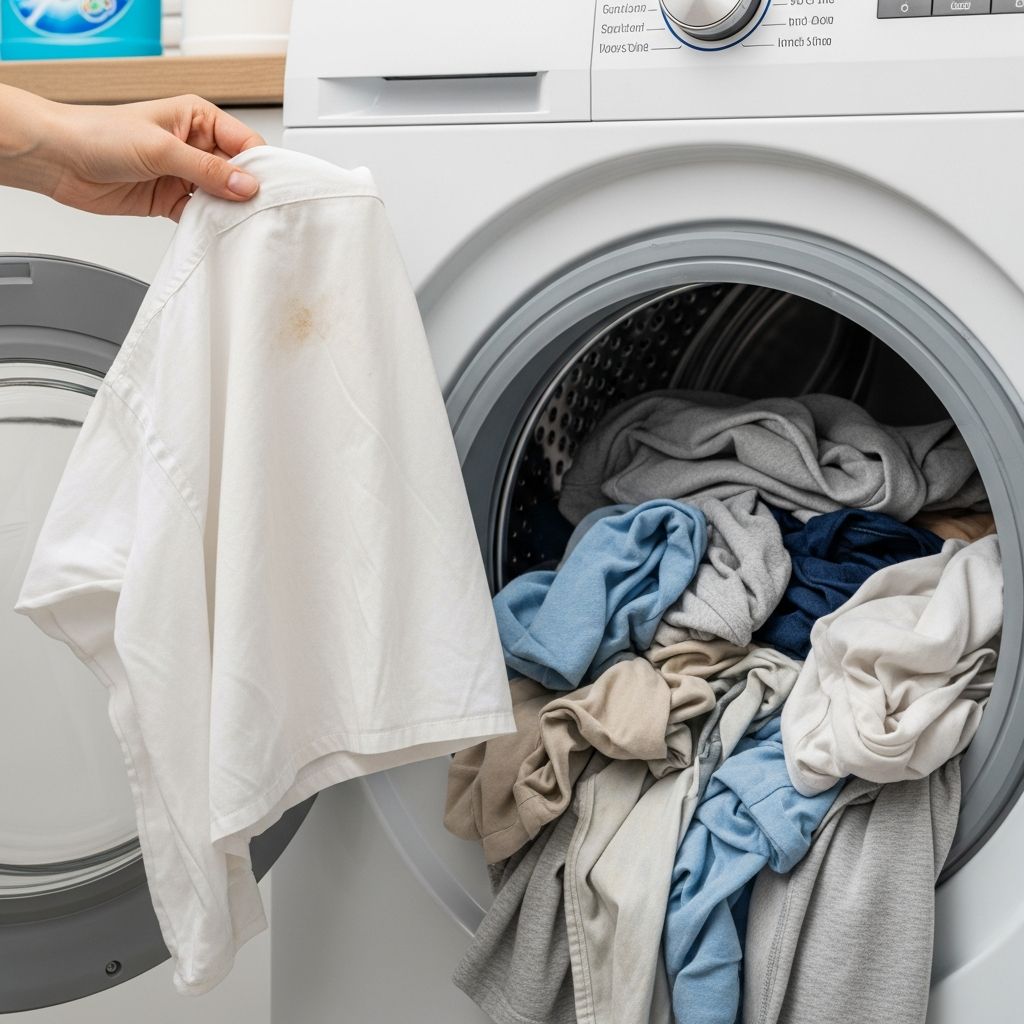
When you open the washing machine and find clothes still stained, dingy, or smelling off, it can be frustrating and confusing. In most homes, this problem has a few repeatable causes: incorrect loading, detergent mistakes, poor cycle choices, or a washer that needs cleaning or repair. Addressing these issues step by step almost always restores good cleaning performance.
Table of Contents
- Signs Your Clothes Are Not Coming Out Properly Clean
- Common Reasons Clothes Do Not Come Out Clean
- Water Temperature and Wash Settings
- Detergent Type, Quality, and Dosage Problems
- Overloading and Poor Loading Habits
- Dirty Washing Machine and Internal Build-up
- Mechanical or System Issues with the Washer
- Step-by-Step Troubleshooting Checklist
- Pre-treating Stains and Sorting Laundry Correctly
- Preventive Maintenance for Long-Term Performance
- Frequently Asked Questions (FAQs)
- Conclusion
Signs Your Clothes Are Not Coming Out Properly Clean
Before adjusting your laundry routine, it helps to recognize the patterns that indicate a cleaning problem rather than a one-off bad load. Common signs include:
- Visible dirt, mud, or grime still on fabrics after a full cycle.
- Stains (such as oil, sweat, or food) barely faded or unchanged.
- White or light fabrics looking grey, dull, or streaked.
- Powdery detergent marks or residues on dark clothes.
- Musty, sour, or damp smells on supposedly clean laundry.
- Clothes feeling stiff or sticky instead of fresh and soft.
When these issues appear regularly across different loads, your washing process or machine likely needs attention.
Common Reasons Clothes Do Not Come Out Clean
Manufacturers and laundry professionals consistently highlight a handful of root causes when a washer is not cleaning properly.
| Cause Category | Typical Symptoms | Primary Fix |
|---|---|---|
| Incorrect water temperature | Grease not removed, dingy whites | Match temp to fabric and soil level |
| Wrong type or amount of detergent | Residue, odors, or poor stain removal | Use correct HE detergent and dose accurately |
| Overloading and poor loading | Uneven cleaning, dry patches on clothes | Load the drum loosely, about 2/3–3/4 full |
| Dirty or blocked washer components | Odors, residue, grey sludge, bad rinsing | Clean drum, filter, gasket, and detergent drawer regularly |
| Cycle or program mismatch | Heavy soils still present, delicate items damaged | Select cycles based on fabric type and soil level |
| Mechanical or heating fault | Cold wash on hot setting, poor rinsing, standing water | Inspect heater, pump, or call a technician |
Water Temperature and Wash Settings
Water temperature has a direct impact on how well detergent dissolves and how effectively stains are removed. If your washer is not heating correctly, cleaning performance drops noticeably.
Typical Water Temperature Guidelines
- Cold water (20–30 °C): suitable for lightly soiled clothes, bright colors, and delicate fabrics.
- Warm water (30–40 °C): everyday loads with moderate soil and mixed fabrics.
- Hot water (50–60 °C or above): heavily soiled items, towels, bed linens, and garments that can tolerate heat.
If stains persist despite correct detergent and loading, check whether:
- The chosen program actually heats the water to the expected temperature.
- The heating element or thermostat is functioning; a non-heating washer drastically reduces cleaning power.
- You are following care labels so that items requiring warmer water are not washed on cold cycles by mistake.
Modern washers often default to lower temperatures for energy savings. For stubborn dirt, switching from a quick cold wash to a longer warm or hot program can significantly improve results.
Detergent Type, Quality, and Dosage Problems
Detergent mistakes are among the most common reasons for clothes not coming out clean. Both using too much and too little detergent can cause problems.
Using the Wrong Type of Detergent
- High-efficiency (HE) machines require HE-labeled detergent, which is formulated to produce fewer suds and rinse cleanly.
- Using standard detergent in an HE washer creates excess foam, leading to residue and poor rinsing.
- Some low-quality detergents contain fillers that accumulate in fabrics and machines, trapping dirt and odor.
Overdosing Detergent
- Too much detergent leaves a film on clothing fibers that can trap soil and bacteria.
- Residue may appear as white streaks on dark clothes or a stiff, sticky feel after drying.
- Excess suds can prevent proper mechanical agitation and effective rinsing.
Using Too Little Detergent
- Under-dosing may not fully remove body oils, sweat, or heavy soils, leading to lingering odors and visible dirt.
- Heavily soiled loads, large loads, or hard water require slightly more detergent within manufacturer guidelines.
Detergent Drawer and Line Blockages
A blocked dispenser tray or detergent line can prevent the product from even reaching the drum, leaving clothes nearly washed in plain water. Symptoms include undissolved detergent left in the drawer and consistently poor cleaning despite correct dose.
To address detergent issues:
- Confirm you are using the correct detergent type for your machine (especially HE or non-HE).
- Follow the detergent packaging dose for load size and soil level; avoid guessing or over-pouring.
- Clean the detergent drawer and compartments to remove clumps, mold, or residue.
Overloading and Poor Loading Habits
How you load the drum greatly affects whether water and detergent can circulate freely around each garment. Overloading is repeatedly identified by manufacturers as a key cause of poor cleaning.
Why Overloading Reduces Cleaning Performance
- Items pack together into a single heavy mass, especially with bed linen, jeans, and towels.
- Detergent and water cannot reach all surfaces, leaving dry or barely wetted areas.
- Mechanical action (the rubbing of fabrics against each other) is reduced when there is no space to move.
As a rule of thumb, the drum should be filled loosely, usually about two-thirds to three-quarters full, leaving space for garments to move. For top loaders with an agitator, avoid wrapping items tightly around the agitator.
Sorting Errors
Mixing incompatible fabrics and soil levels can also contribute to clothes not coming out clean. For example:
- Heavily soiled workwear washed with lightly worn shirts may not come properly clean.
- Large absorbent items like towels can restrict movement and coverage for smaller garments.
- Delicates placed on a heavy-duty cycle can be damaged before heavy stains are removed from other items.
Sorting by color, fabric type, and soil level allows you to choose the right cycle and load size each time.
Dirty Washing Machine and Internal Build-up
Even when used correctly, washing machines accumulate detergent residue, fabric lint, and microbial growth over time. This build-up can transfer back onto clothing as a grey film, specks, or unpleasant odors.
Where Build-up Commonly Hides
- Rubber door gasket on front-loading machines, trapping moisture, lint, and detergent sludge.
- Detergent dispenser drawer and its housing, where powder and softener dry into crusts.
- Inner drum crevices and, in some designs, the agitator.
- The filter and drain pump area, which can be partially blocked by coins, hair, or lint.
Impact on Cleaning Performance
- Bacteria and mildew in the drum cause musty, sour-smelling clothes even after a full cycle.
- Blocked filters or pumps reduce drainage and rinsing quality, leaving detergent and soil behind.
- Excess residue can interfere with proper sensor operation and water levels.
Cleaning the Washing Machine
Manufacturers recommend periodic cleaning of the machine to restore performance:
- Run a dedicated “Clean Washer” or maintenance cycle about once a month, often with a washer cleaner product.
- Alternatively, run an empty hot cycle with a suitable cleaning agent to break down residue.
- Remove and rinse the detergent drawer, cleaning away any dried product or mold.
- Wipe the door gasket, glass, and accessible drum areas with a cloth.
- Clean the filter and check for foreign objects blocking the pump.
Consistent cleaning improves both odor and visible cleaning performance.
Mechanical or System Issues with the Washer
If correct usage and cleaning do not solve the problem, your washing machine might have a mechanical or system fault.
Common Performance-Related Faults
- Heating element failure: machine never reaches the set water temperature, severely reducing stain removal.
- Defective sensors or control calibration: water levels may be incorrect; some manufacturers use a clean cycle to recalibrate.
- Blocked or failing drain pump: water remains in the drum or drains too slowly, leading to poor rinsing and residue.
- Cracked or damaged drum or unbalanced movement: may affect agitation and create noise, though these are less common causes of poor cleaning.
Whirlpool, for example, advises running a Clean Washer cycle to recalibrate controls and restore factory-set water levels if clothes are not coming clean. If the machine still underperforms after maintenance, a professional inspection may be needed.
Step-by-Step Troubleshooting Checklist
When clothes are not coming out clean, work systematically through the following steps:
- Check your loading
- Is the drum only about two-thirds to three-quarters full?
- Can clothes move freely, or do they appear packed tightly?
- Verify detergent usage
- Are you using an HE detergent in an HE machine?
- Are you measuring according to load size and soil level, not guessing?
- Is the detergent drawer clean and free of blockages?
- Review cycle and temperature settings
- Does your soil level and fabric type match the program you selected?
- For heavily soiled items, use a longer, warmer cycle where care labels allow.
- Clean the washer thoroughly
- Run a Clean Washer or maintenance cycle.
- Clean the filter, pump area, door gasket, and detergent drawer.
- Observe a test load
- Wash a small, normally soiled load after cleaning the machine.
- Check for improved rinsing, fewer odors, and better stain removal.
- Investigate potential faults
- If water never feels warm on a hot cycle, the heater may be faulty.
- If water remains in the drum or draining is slow, inspect the pump and hose.
- If built-in recalibration cycles are available, run them as per manual instructions.
Pre-treating Stains and Sorting Laundry Correctly
Even a perfectly functioning machine cannot remove every type of stain without additional help. Pre-treatment and smart sorting significantly raise your chances of a clean result.
Why Pre-treatment Matters
- Oil, grease, blood, and set-in stains often need a stain remover or liquid detergent rubbed in before washing.
- Allowing a short dwell time before starting the cycle helps loosen tough soils.
- Heavily soiled items benefit from a pre-wash or soak cycle when available.
Effective Sorting Practices
- Separate whites, darks, and bright colors to prevent color transfer and dinginess.
- Group by fabric weight: wash towels and heavy cottons apart from lightweight synthetics.
- Separate heavily soiled garments (workwear, sports kit) from lightly worn clothing to target treatment more accurately.
- Pay attention to care labels and match cycle settings to recommended temperatures and spin speeds.
Pre-treatment and proper sorting work alongside machine adjustments to ensure consistently clean results.
Preventive Maintenance for Long-Term Performance
Once your washer is cleaning well again, a few regular habits help keep it that way and avoid recurring problems.
Ongoing Washer Care
- Run a Clean Washer or maintenance cycle about once a month, especially in HE and front-load machines.
- Leave the door and detergent drawer slightly open between uses to allow airflow and prevent mildew growth.
- Wipe the door gasket and drum regularly to remove lint, hair, and visible residue.
- Clean the filter and check the pump area periodically for coins, hairpins, and other obstructions.
Good Daily Laundry Habits
- Remove clothes from the washer soon after the cycle finishes; do not leave wet laundry inside for many hours, as this encourages bacterial growth and odors.
- Measure detergent instead of pouring by eye, and adjust for water hardness if necessary.
- Avoid constant use of very short “quick wash” cycles for heavily soiled items; they often lack time for full cleaning.
- Inspect garments before washing and pre-treat stains promptly to prevent setting.
Consistent maintenance and mindful usage protect your investment and maintain cleaning quality over the long term.
Frequently Asked Questions (FAQs)
Q1: Why do my clothes smell bad even though they look clean?
Lingering sour or musty smells are usually caused by bacterial buildup in the washer, leaving wet clothes in the drum too long, or detergent residue trapped in fabrics. Cleaning the machine, using the correct detergent dose, and removing clothes promptly typically eliminates these odors.
Q2: Why are there white marks or streaks on my dark clothes after washing?
White streaks often come from undissolved detergent or excess product that has not rinsed away. Overdosing detergent, washing in very cold water, or a blocked dispenser drawer can all contribute. Reducing detergent, using a warm rinse where appropriate, and cleaning the drawer usually helps.
Q3: Can overloading damage my washing machine as well as reduce cleaning?
Yes. Regular heavy overloading not only prevents clothes from coming clean but also puts extra strain on the motor, bearings, and suspension system, potentially shortening the machine’s lifespan. Loading to a sensible level protects both garments and equipment.
Q4: How often should I clean the washing machine filter?
Frequency depends on usage and the types of items you wash, but checking and cleaning the filter every few months is a practical starting point. If you notice drainage issues, incomplete rinsing, or frequent small objects in loads, inspect the filter sooner.
Q5: Does running a Clean Washer cycle really make a difference?
Manufacturers like Whirlpool recommend a Clean Washer cycle about once a month to remove build-up and recalibrate controls, especially water levels. Regularly using this function improves cleaning results and helps prevent odors and residue problems.
Conclusion
Clothes that do not come out clean from the washing machine are usually the result of a combination of everyday habits and gradual machine buildup rather than a single dramatic failure. Loading too much laundry, misusing detergent, selecting unsuitable cycles, and neglecting washer cleaning all reduce cleaning performance over time.
By working through the main factors one by one—load size, detergent type and dosage, water temperature, cycle selection, and internal cleanliness—you can identify which adjustments matter most in your home. Simple steps like cleaning the detergent drawer and filter, running a regular maintenance cycle, measuring detergent accurately, and avoiding overloading restore the conditions your washer needs to work effectively.
Once these fundamentals are in place, your machine can reliably remove everyday dirt, stains, and odors, and you gain a repeatable routine that keeps both your clothing and your washer in better condition for years to come.
Similar Articles







Read full bio of Sneha Tete