
Common Bread Machine Mistakes and How to Avoid Them for Better Loaves
Learn the most common bread machine mistakes and the simple fixes that turn dense, sunken loaves into consistent, bakery-style bread.
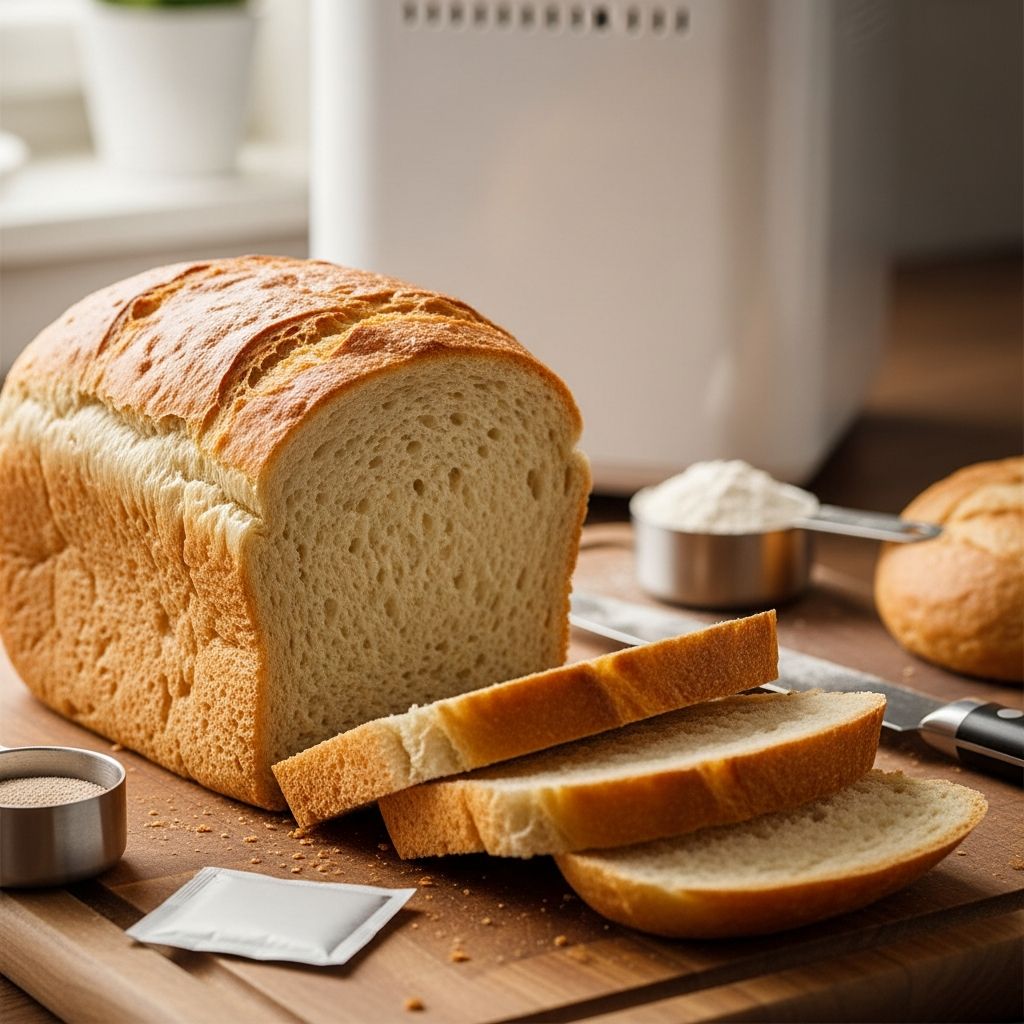
Common Bread Machine Mistakes and How to Avoid Them
Bread machines can turn simple ingredients into fresh, homemade loaves with minimal effort. Yet many users end up with dense, sunken, or oddly shaped bread because of a handful of recurring mistakes. Understanding these problems and their causes is the fastest route to consistent, bakery-style bread from your machine.
Table of Contents
- Understanding Bread Machine Baking
- Ingredient Mistakes
- Measurement and Liquid Errors
- Yeast and Rising Problems
- Texture and Crumb Issues
- Crust Color and Browning Problems
- Shape and Appearance Problems
- Machine Setup and Usage Mistakes
- Environmental Factors: Humidity and Altitude
- Quick Troubleshooting Table
- Best Practices for Consistently Good Bread
- Frequently Asked Questions (FAQs)
- Conclusion
Understanding Bread Machine Baking
A bread machine automates mixing, kneading, proofing, and baking in one pan. Most models follow a similar cycle:
- Initial mixing and kneading
- First rise (proof)
- Punch down or brief knead
- Final rise
- Baking
Because you are not handling the dough by hand, small errors in ingredients, measurements, or setup show up clearly in the final loaf. Professional troubleshooting charts list common issues such as mushroom tops, sunken centers, raw centers, coarse holes, flat loaves, and dense texture, and almost all trace back to a few key variables: flour type, liquid quantity, yeast performance, salt and sugar balance, and pan capacity.
Ingredient Mistakes
Using the right ingredients in the right form is essential. Several frequent errors involve flour, yeast, salt, sugar, and fats.
Using the Wrong Flour
All-purpose flour often produces loaves that are shorter, heavier, or prone to collapsing compared with bread flour in a bread machine. Bread flour has higher protein, which creates stronger gluten and better structure.
How to avoid this mistake:
- Use bread flour or high-protein flour for most basic and sandwich breads.
- If using all-purpose flour, expect a shorter loaf and reduce liquids slightly to help structure.
- Avoid low-protein pastry or cake flour in bread machine loaves.
Using the Wrong Type of Yeast
Bread machines may require specific yeast types for certain cycles. Using fast-rising or bread machine yeast in place of active dry yeast can cause the dough to overproof and collapse, especially on long cycles.
How to avoid this mistake:
- Use active dry yeast for full, standard cycles, unless the manual specifies otherwise.
- Use instant or bread machine yeast for rapid or quick-bake cycles.
- Do not substitute one type for another without adjusting the amount and timing.
Expired or Weak Yeast
Old or improperly stored yeast may fail to produce enough gas, giving flat, dense bread that does not rise or only rises partially.
How to avoid this mistake:
- Check yeast expiration dates regularly.
- Store yeast in a cool, dry place, or refrigerate or freeze according to package directions.
- When in doubt, proof a small amount of yeast in warm water with a pinch of sugar; if it foams within minutes, it is still active.
Leaving Out Salt or Sugar
Salt helps control yeast activity and strengthens gluten. Skipping it can lead to coarse, open texture or mushroom-shaped loaves. Sugar or other sweeteners feed the yeast; omitting them in some recipes can cause poor rise and heavy texture.
How to avoid this mistake:
- Always include the salt listed in the recipe; do not omit it entirely.
- If reducing salt for dietary reasons, do it gradually and expect changes in rise.
- Include at least a small amount of sweetener when the recipe calls for it to support yeast activity.
Incorrect Fats and Add-ins
Too much fat, sugar, or heavy add-ins (nuts, dried fruit, cheese) can weigh down the dough, leading to dense or collapsed loaves. Adding them at the wrong time can also interfere with gluten development.
How to avoid this mistake:
- Start with tested recipes for enriched or fruit breads.
- Use the dedicated dispenser or add-ins signal if your machine has one.
- Do not drastically increase sugar, butter, or add-ins without adjusting the recipe.
Measurement and Liquid Errors
Even with the right ingredients, inaccurate amounts are one of the most common bread machine problems. Troubleshooting guides consistently point to too much flour, too much liquid, or poor measuring as root causes for odd shapes and textures.
Too Much Flour
Excess flour can cause lopsided loaves, gnarly, knotted tops, and short, dense bread. Dry dough cannot stretch and rise properly.
How to recognize it:
- Dough looks shaggy, stiff, and dry during kneading.
- Flour clings to the outside of the dough ball and is not incorporated.
How to fix and prevent it:
- Check dough 10–15 minutes into kneading.
- Add water 1 tablespoon at a time until the dough forms a cohesive, slightly tacky ball that pulls away from the pan.
- Measure flour carefully using the scoop-and-level method or a kitchen scale.
Too Much Liquid
Excess liquid can cause mushroom tops, sunken centers, raw or gummy centers, and large irregular holes in the crumb.
How to recognize it:
- Dough spreads out and does not hold a ball shape.
- Finished bread may collapse during or after baking.
How to fix and prevent it:
- Start recipes at the lower end of the suggested water range and add more only if needed.
- During kneading, add small amounts of flour (1 tablespoon at a time) until the dough forms a smooth ball.
- When humid, reduce liquid by about 1 tablespoon per loaf as many technical charts suggest.
Not Checking the Dough During Kneading
Many problems can be caught and corrected early by simply looking at the dough in the first kneading cycle. Experienced users still open the lid to check and adjust, even with familiar recipes.
Best practice:
- Open the lid during the first knead period (this does not harm the machine).
- Look for a soft, elastic ball that briefly sticks to the sides, then pulls cleanly away.
- Adjust with minor additions of flour or water as needed.
Yeast and Rising Problems
Poor rise, overexpansion, and collapse are among the most discouraging bread machine failures. Professional troubleshooting tables repeatedly note yeast, salt, sugar, and temperature as key variables.
Flat Loaf or No Rise
Technical resources list several reasons for a flat loaf: yeast left out, expired yeast, liquid too hot, too much salt, missing sweetener, or yeast that got wet too early when using a timer.
How to avoid this mistake:
- Double-check that yeast is added every time.
- Use liquids at a moderate temperature; overly hot liquid can kill yeast.
- Keep salt away from direct contact with yeast when layering ingredients.
- When using a delay timer, place yeast on top of dry ingredients and protect it from early contact with liquids.
Collapsed or Sunken Loaf
A loaf that rises well then sinks during baking is often due to too much yeast, too much liquid, weak flour, or too little salt. Humid weather and high altitude can make this more likely.
How to avoid this mistake:
- Measure yeast accurately; if the loaf consistently collapses, reduce yeast by 1/4–1/2 teaspoon per loaf.
- Reduce liquid slightly (about 1 tablespoon) if dough seems very soft or in humid weather.
- Use bread flour with adequate protein content.
- Do not omit or significantly reduce salt unless you are prepared for a higher, less stable rise.
Mushroom-Shaped Top
A very domed or mushroom-shaped top is typically a sign of too much yeast or water, or not enough salt to restrain the rise. Some troubleshooting charts list it alongside high humidity as a contributing factor.
How to avoid this mistake:
- Check yeast measurements and reduce slightly if needed.
- Start with a bit less water next time and adjust during kneading.
- Confirm that you are using the recommended amount of salt.
Texture and Crumb Issues
Bread texture can range from light and airy to heavy and gummy. Troubleshooting guides identify common patterns and their likely causes.
Open, Coarse, or Holey Texture
Bread with very large holes or a coarse, “Swiss cheese” crumb often results from too much liquid, too much yeast, or salt left out. Many references directly connect these factors to open crumb problems.
How to avoid this mistake:
- Measure water accurately and avoid making the dough excessively soft.
- Do not exceed the recipe amount of yeast.
- Always include some salt to moderate yeast activity.
Heavy, Dense Texture
Dense, brick-like loaves can come from too much flour, not enough yeast, or using low-protein flour. Technical guides and home-baking resources both highlight these causes.
How to avoid this mistake:
- Use bread flour for stronger gluten structure.
- Measure flour carefully and avoid packing it into the cup.
- Confirm that yeast is fresh and present in the full amount.
Sticky or Gummy Interior
A loaf that looks done on the outside but is sticky or raw in the center may contain too much liquid, may have been removed too soon, or may have experienced an incomplete bake due to power loss or machine malfunction.
How to avoid this mistake:
- Reduce liquid slightly if raw centers are a recurring issue.
- Allow bread to complete the full cycle and then cool at least 15–30 minutes before slicing.
- If the machine stops mid-cycle due to power problems, it is usually best to start over with a new batch.
Crust Color and Browning Problems
Many bread machines offer light, medium, and dark crust settings. Troubleshooting charts connect dark or thick crusts to using the darkest setting or overly long bake times.
Crust Too Dark or Burned
Common causes include selecting the dark crust setting, baking too long, or rarely, a malfunctioning heater.
How to avoid this mistake:
- Choose light or medium crust settings for most loaves.
- If the machine consistently over-browns, stop the bake a few minutes early and check doneness.
- Consult service support if there are signs of malfunction or burning odor without visible spills.
Crust Too Pale
Some machines naturally brown less, especially with low-sugar dough. Because most heating elements are at the bottom, browning can be uneven.
How to improve browning:
- Use the medium or dark crust setting if the loaf is consistently too pale.
- Slightly increase sugar or other browning-promoting ingredients in the recipe.
- Ensure the loaf finishes the full bake time before removing.
Shape and Appearance Problems
Even tasty bread can look unappealing if the loaf is lopsided, wrinkled, or torn. Many of these cosmetic problems relate to dough balance and handling during rise.
Lopsided or Misshapen Loaf
Lopsided loaves may result from too much flour, not enough liquid, too small a recipe for the pan, or dough that has not been reshaped before the final rise.
How to avoid this mistake:
- Ensure the recipe size matches the machine capacity; some machines require a minimum loaf size.
- Adjust flour and water so the dough forms a balanced ball during kneading.
- Before the final rise, briefly open the lid, smooth and center the dough to create a more even shape.
Wrinkled or Collapsed Top After Baking
Wrinkles may appear if bread is removed from the pan too soon or collapses as it cools, particularly when the interior is underbaked.
How to avoid this mistake:
- Allow the loaf to sit in the pan for a short time at the end of the cycle so structure can set.
- Cool bread on a rack for at least 15–30 minutes before slicing.
Machine Setup and Usage Mistakes
A number of failures occur not because of ingredients, but because the machine is not set up or started correctly. Troubleshooting charts repeatedly note forgotten kneading blades, incorrect programs, and overfilled pans as root causes.
Forgetting the Kneading Blade
If the kneading blade is missing or worn out, ingredients may remain unmixed and the loaf will not form correctly.
How to avoid this mistake:
- Check that the kneading blade is installed before adding ingredients.
- If the blade no longer engages the shaft, replace it with a new one.
Choosing the Wrong Program
Using a rapid or specialty cycle when a standard cycle is needed can affect kneading time, rise time, and final texture. Some recipes are not suited to quick cycles.
How to avoid this mistake:
- Match the recipe to the correct program (basic, whole wheat, rapid, dough, etc.).
- Use rapid cycles only with recipes designed for shorter rise times.
Overfilling the Pan
Putting more dough than the pan can hold can cause mushrooming, collapse, or overflowing dough and burning odors.
How to avoid this mistake:
- Check your machine’s maximum loaf size and use recipes that match it.
- Do not exceed the stated flour or total dough capacity in the manual.
Spills and Burning Odors
Burning smells during operation often come from ingredients spilled outside the pan onto the heating element or from a leaking pan.
How to avoid this mistake:
- Carefully add ingredients directly into the pan, not around it.
- If the pan leaks, replace it before using the machine again.
Environmental Factors: Humidity and Altitude
Professional troubleshooting sheets specifically mention warm, humid weather and high altitude as contributors to rising and collapsing problems.
Humidity
In humid climates, flour absorbs moisture from the air, effectively increasing liquid in the dough and promoting overproofing or sticky dough.
How to adjust:
- Reduce recipe liquid by about 1 tablespoon per loaf when humidity is high.
- Monitor dough and correct with small additions of flour if it appears too soft.
High Altitude
At high elevations, bread can rise too quickly and collapse because lower air pressure allows gas bubbles to expand more.
How to adjust:
- Follow any specific high-altitude instructions in your machine manual.
- Reduce yeast slightly and reduce liquid by about 1 tablespoon.
- Increase salt a little within taste limits to help restrain the rise.
Quick Troubleshooting Table
| Problem | Likely Causes | Key Fixes |
|---|---|---|
| Flat or no-rise loaf | Yeast omitted or expired; liquid too hot; too much salt; no sweetener | Check yeast freshness; use moderate liquid temperature; measure salt; include sugar or sweetener |
| Collapsed or sunken loaf | Too much yeast; too much liquid; weak flour; high humidity or altitude | Reduce yeast and liquid slightly; use bread flour; follow high-humidity or altitude adjustments |
| Mushroom-shaped top | Excess yeast or water; not enough salt | Lower yeast amount; reduce water a little; ensure proper salt quantity |
| Dense, heavy loaf | Too much flour; not enough yeast; low-protein flour | Measure flour carefully; verify yeast amount and freshness; switch to bread flour |
| Coarse, holey texture | Too much water; too much yeast; salt omitted | Reduce liquid; measure yeast accurately; include salt |
| Dark or thick crust | Dark crust setting; long bake time | Use light or medium crust setting; check doneness earlier |
| Ingredients not mixed | Kneading blade missing or worn; machine not started | Install or replace blade; confirm you pressed the start button |
Best Practices for Consistently Good Bread
When you combine the insights from multiple troubleshooting guides and experienced users, several habits stand out as especially effective:
- Use bread flour and the correct type of yeast for the selected cycle.
- Measure ingredients accurately, ideally by weight.
- Check dough 10–15 minutes into kneading and adjust flour or water as needed.
- Match recipe size to your machine’s loaf capacity.
- Keep the kneading blade installed and in good condition.
- Account for humidity and altitude by making small liquid and yeast adjustments.
- Allow the loaf to cool before slicing for better texture and easier cutting.
Frequently Asked Questions (FAQs)
Why does my bread machine loaf always come out dense?
Dense loaves are often caused by too much flour, not enough yeast, weak flour with low protein, or old yeast. Measure flour carefully, use bread flour instead of all-purpose, and confirm that your yeast is fresh and added in the full amount.
Is it okay to open the lid during the bread machine cycle?
Yes, it is generally fine to open the lid during the kneading stages. Many experienced bakers recommend checking the dough ball and adjusting flour or water early in the cycle. Avoid opening the lid during the final rise and early baking, when heat loss can affect the rise.
How can I stop my bread from collapsing in the machine?
Reduce yeast and liquid slightly, use bread flour, and make sure you are not overfilling the pan. In humid or high-altitude conditions, follow the machine manual’s special instructions and consider cutting back yeast by 1/4–1/2 teaspoon and liquid by about 1 tablespoon.
Why does my bread have large holes inside?
Very large holes usually indicate too much liquid, too much yeast, or missing salt. Adjust water and yeast down slightly and be sure to include salt as written in the recipe.
How do I know if I have the right dough consistency?
During the first knead, the dough should gather into a smooth, elastic ball that lightly sticks to the sides of the pan before pulling away. If it looks too wet and spread out, add flour a tablespoon at a time. If it looks dry and crumbly, add water a tablespoon at a time, allowing the machine to knead between each adjustment.
Conclusion
Most bread machine problems trace back to a few controllable factors: ingredient quality, accurate measurements, dough consistency, and choosing the correct program for your recipe. Technical troubleshooting charts and experienced bakers consistently highlight the same patterns: too much or too little liquid, inaccurate yeast amounts, weak flour, and environmental conditions such as humidity and altitude.
By checking your dough early in the cycle, respecting your machine’s capacity, and making small, deliberate adjustments to yeast, liquid, and flour, you can transform unpredictable results into reliable, high-quality loaves. With these common mistakes in mind and a willingness to make minor tweaks, your bread machine becomes a dependable tool for producing bread that looks and tastes the way you intended.
Similar Articles








Read full bio of Sneha Tete