How Carpet Cleaners Affect Indoor Air Quality in Homes and Workplaces
Understand how different carpet cleaning methods and products can either improve or harm the air quality inside your home or workplace.
How Carpet Cleaners Affect Indoor Air Quality
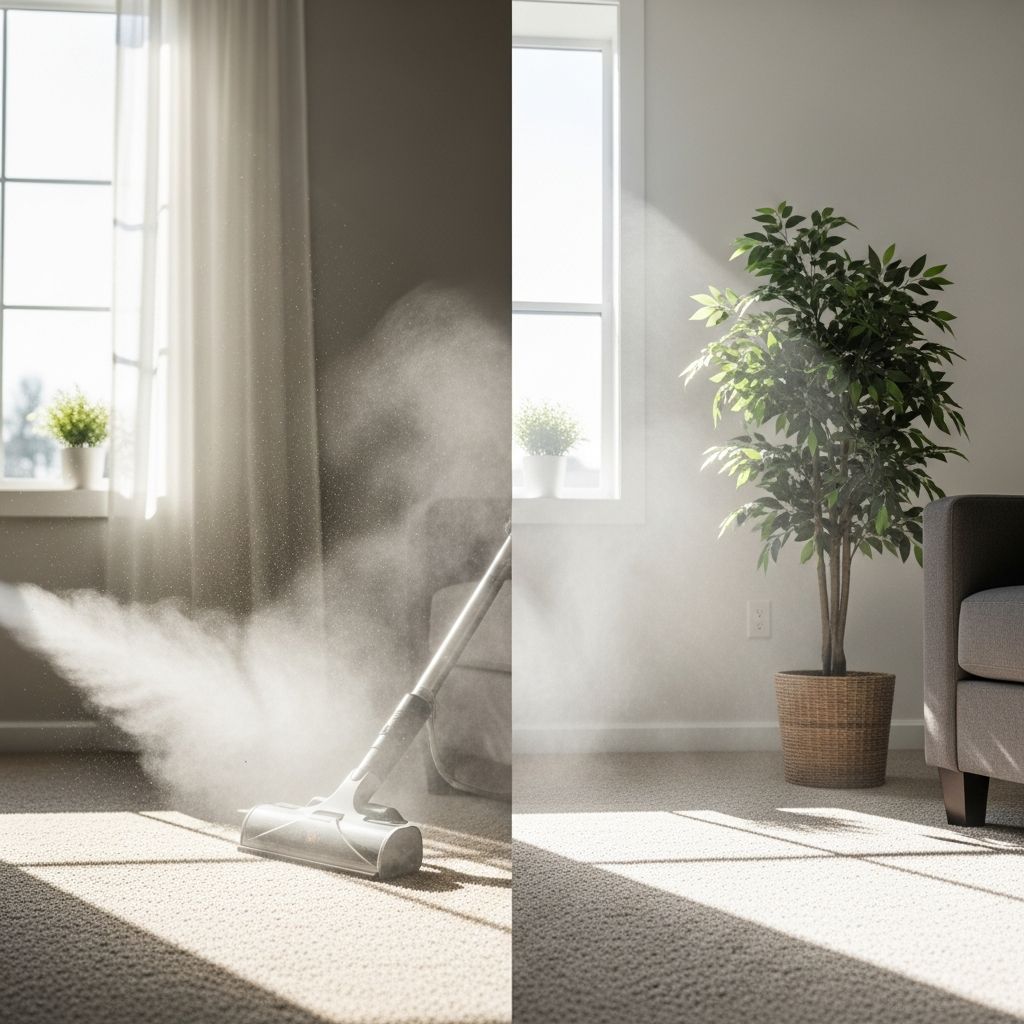
Carpets are more than just a soft surface underfoot. They act as a reservoir for dust, allergens, pet dander, particles, and microorganisms, all of which can influence indoor air quality and health. When we clean carpets, we do more than refresh the look of a room; we can either significantly improve or unintentionally worsen the air that people breathe.
This article explains how carpet cleaning products and methods affect indoor air quality, the potential health implications, and practical steps for choosing safer cleaners and cleaning practices in homes and workplaces.
Table of Contents
- The Role of Carpets in Indoor Air Quality
- What Are Carpet Cleaners and How Do They Work?
- Positive Effects of Carpet Cleaning on Indoor Air Quality
- Potential Risks: How Carpet Cleaners Can Harm Indoor Air Quality
- Carpet Cleaning Methods and Their IAQ Impact
- Chemicals, VOCs, and Fragrances in Carpet Cleaners
- Moisture, Drying, and Mold Growth
- Best Practices for Healthier Carpet Cleaning
- Homes vs. Commercial Buildings: What Changes?
- Decision Guide: Choosing Carpet Cleaners with IAQ in Mind
- Frequently Asked Questions (FAQs)
- Conclusion
The Role of Carpets in Indoor Air Quality
Carpets interact closely with indoor air. Research shows that carpeted floors act as a reservoir for dust, allergens, and microbiological material, often accumulating more pollutants than smooth floors.
Key ways carpets affect indoor air quality include:
- Particle trapping: Carpets trap dust, pollen, pet dander, and other particles, reducing their immediate presence in the air.
- Resuspension: Walking, vacuuming, or playing on carpets can resuspend these particles into the air, increasing exposure.
- Microbial reservoir: Carpets can harbor dust mites, bacteria, and mold spores, particularly if they remain damp.
- VOC emissions: New carpets and some cleaning agents emit volatile organic compounds (VOCs), which can affect air quality and cause irritation.
Because carpets tend to hide dirt and contamination, effective and regular cleaning is essential but must be done in a way that supports, rather than harms, indoor air quality.
What Are Carpet Cleaners and How Do They Work?
The term carpet cleaners can refer to both the chemical products used to clean carpets and the equipment or methods used to apply them.
Chemical carpet cleaning products
Common categories include:
- Detergent-based shampoos and extraction solutions
- Spot removers and stain removers (often solvent-based)
- Disinfectants or sanitizing agents targeting bacteria and microbes
- Deodorizers and fragrance additives
- Low-moisture or encapsulation polymers
These products work by loosening, dissolving, or encapsulating soil and contaminants so they can be extracted by vacuuming or rinsing.
Carpet cleaning equipment and processes
- Vacuum cleaners (including HEPA-filtered models)
- Hot water extraction machines (often called steam cleaners)
- Bonnet or pad systems for surface cleaning
- Dry compound applicators
From an indoor air quality perspective, the critical factors are:
- How effectively pollutants are removed from the carpet
- Whether the process adds new pollutants (VOCs, fragrances, residues)
- Moisture left in the carpet and how quickly it dries
- The amount of dust or aerosols resuspended during cleaning
Positive Effects of Carpet Cleaning on Indoor Air Quality
When done correctly, carpet cleaning can significantly improve indoor air quality.
Removal of dust, allergens, and particles
Studies presented to allergist organizations indicate that effectively cleaned carpets can trap and hold allergens and, after cleaning, show a meaningful reduction in allergens both in the carpet and in the surrounding air. Regular cleaning can reduce levels of:
- House dust mite allergens
- Pet dander (cat, dog)
- Pollen particles tracked in from outdoors
- Fine dust and soil
This can benefit people with asthma, allergies, or other respiratory sensitivities.
Reduction of bacteria and germs
Carpets can harbor bacteria and other microorganisms brought in on shoes, pets, and spills. Professional cleaning with appropriate heat, detergents, and in some cases disinfectants can:
- Lower bacterial loads in carpet fibers
- Reduce the risk of illness from pathogenic organisms
- Improve hygiene in high-traffic or commercial environments
Control of odors and perceived air quality
Trapped contaminants and moisture can cause musty or stale odors. Effective cleaning removes odor-causing residues and microbes, leading to:
- Fresher-smelling indoor spaces
- Improved perceived air quality and comfort
- Better sleep and fewer nighttime allergy symptoms for sensitive individuals
Reduced VOCs from new carpets over time
New carpets and their adhesives can emit VOCs, especially soon after installation. Over time, professional cleaning can help break down and remove some of these residues, contributing to reduced VOC emissions and improved long-term indoor air quality.
Potential Risks: How Carpet Cleaners Can Harm Indoor Air Quality
While cleaning is essential, certain carpet cleaners and practices can introduce new indoor air problems.
Chemical off-gassing and VOC emissions
Many conventional carpet cleaning products contain:
- Solvents and surfactants that emit VOCs
- Strong synthetic fragrances
- Preservatives and antimicrobial agents
These can contribute to eye, nose, and throat irritation, headaches, and exacerbation of respiratory symptoms in sensitive individuals.
Allergic and irritant reactions
Residues left in carpets after cleaning may cause:
- Skin and respiratory irritation
- Allergic reactions in people with chemical sensitivities
- Increased symptoms if carpets are not thoroughly rinsed and dried
Inadequate drying and microbial growth
If carpets remain damp after cleaning, they can become a primary source of microbial growth and mold, which is strongly associated with poor indoor air quality and adverse health effects.
- High humidity and residual moisture encourage mold and mildew.
- Mold can release spores and microbial VOCs into indoor air, worsening respiratory problems.
Resuspension of dust during cleaning
Aggressive agitation or poor-quality vacuuming without effective filtration can increase airborne dust and allergen levels during and shortly after cleaning. This is especially relevant for:
- Vacuum cleaners without HEPA filters
- High-speed machines that disturb surface dust
- Poor containment of extracted soil
Carpet Cleaning Methods and Their IAQ Impact
Different cleaning methods have different indoor air quality profiles. The table below summarizes key points.
| Method | How It Works | IAQ Benefits | IAQ Risks |
|---|---|---|---|
| Regular vacuuming (HEPA) | Removes loose dust and debris from surface | Reduces dust and allergen load; HEPA limits particle release | Poor filters can blow fine dust back into air |
| Hot water extraction | Detergent + hot water sprayed and extracted | Deep cleaning; effective removal of allergens and bacteria | Over-wetting can cause mold; chemical VOCs if products are harsh |
| Dry or low-moisture cleaning | Minimal water; compounds or encapsulation | Reduced drying time; lower mold risk if done correctly | Chemical residues or dust from compounds if poorly removed |
| Bonnet/pad cleaning | Rotating pad cleans surface | Quick surface appearance improvement | Mainly cosmetic; may leave deeper contamination and chemicals |
Research indicates that professionally executed cleaning, including vacuuming, agitation, cleaning agent application, and hot water extraction, can significantly reduce allergen levels both in carpets and indoor air.
Chemicals, VOCs, and Fragrances in Carpet Cleaners
The chemical composition of carpet cleaners strongly affects how they influence indoor air quality.
Volatile organic compounds (VOCs)
VOCs can evaporate into indoor air and contribute to irritation and, in some cases, longer-term health concerns. Sources include:
- Solvents used in stain removers and spot treatments
- Glycol ethers and other additives in extraction detergents
- Fragrance blends designed to mask odors
Fragrances and sensory impact
Strong fragrances may give a sense of cleanliness but can aggravate asthma and sensitivities in many occupants. Fragrance-free or low-fragrance products are often better for indoor air quality, especially in schools, healthcare settings, and homes with sensitive individuals.
Residue and re-soiling
Products that leave sticky residues can attract more dirt, forcing more frequent cleaning and ongoing exposure to chemicals and dust. Selecting low-residue formulas and ensuring proper rinsing helps minimize this risk.
Moisture, Drying, and Mold Growth
Moisture management is one of the most critical links between carpet cleaning and indoor air quality.
- Spills, flooding, or over-wetting during cleaning can saturate the carpet and underlying padding.
- If carpets remain damp, they can become a primary source of mold and microbial growth, often resulting in adverse health effects.
Guidance from environmental and health agencies emphasizes that:
- Carpets must be dried quickly and thoroughly after cleaning.
- Persistent dampness under carpets can require removal and replacement to fully resolve mold problems.
Therefore, any carpet cleaning method that uses water must balance thorough cleaning with effective extraction and rapid drying.
Best Practices for Healthier Carpet Cleaning
To maximize benefits and reduce risks to indoor air quality, consider the following evidence-informed best practices.
1. Maintain a consistent cleaning schedule
- Frequent vacuuming with a well-maintained, HEPA-filtered vacuum reduces the buildup of dust and allergens.
- Periodic professional deep cleaning removes embedded contaminants that regular vacuuming often misses.
2. Choose low-emission, IAQ-conscious cleaning products
- Prefer low-VOC, fragrance-free, or fragrance-light carpet detergents and spot cleaners.
- Review product labels for unnecessary solvents, heavy fragrances, and harsh preservatives.
- Where available, choose products that are certified by credible environmental or indoor air quality labeling programs.
3. Control moisture carefully
- Avoid over-wetting carpets during cleaning; follow equipment guidelines.
- Use strong extraction and air movement (fans, HVAC, dehumidifiers) to speed drying.
- Address spills and leaks immediately to prevent water from soaking through to the padding.
4. Optimize ventilation during and after cleaning
- Open windows or increase mechanical ventilation when using carpet cleaners with noticeable odors or VOCs.
- Run the HVAC system with clean filters during and after professional cleaning to help remove airborne particles and vapors.
5. Match the method to occupant sensitivity
- In homes with asthma, allergies, or chemical sensitivities, communicate these concerns to professional cleaners in advance.
- Request low-VOC products and thorough rinsing of detergents.
- Schedule cleaning when vulnerable occupants (infants, elderly, those with severe asthma) can be away during the most intensive phase.
Homes vs. Commercial Buildings: What Changes?
The basic principles are the same in homes and commercial spaces, but the scale and usage patterns differ.
Residential settings
- Carpets often cover living rooms, bedrooms, and hallways where people spend long periods.
- Indoor air quality issues particularly affect young children, elderly family members, and individuals with allergies or asthma.
- Pets and daily household activity can significantly increase the load of dander, hair, and tracked-in soil.
Commercial and office environments
- Carpets in offices act as large filters for dust and debris from heavy foot traffic.
- When carpets become saturated with pollutants, they can release particles back into the air, contributing to poor indoor air quality and occupant symptoms.
- Regular, professionally planned maintenance (vacuuming, periodic deep cleaning) can improve air circulation and support HVAC efficiency.
Decision Guide: Choosing Carpet Cleaners with IAQ in Mind
Use this short framework to guide decisions about carpet cleaning and indoor air quality.
- Step 1: Identify occupants’ needs
Are there people with asthma, allergies, or chemical sensitivities? If yes, prioritize low-VOC, fragrance-free products and thorough moisture control. - Step 2: Assess current carpet condition
Are carpets visibly dirty, musty, or showing signs of dampness or mold? Severe moisture problems may require more than cleaning, such as removal of affected materials. - Step 3: Select method and products
For routine maintenance, HEPA vacuuming plus periodic professional hot water extraction using low-emission detergents is often effective for IAQ. - Step 4: Plan for ventilation and drying
Ensure good airflow and fast drying immediately after cleaning to prevent mold and reduce exposure to chemicals. - Step 5: Monitor and adjust
Notice whether symptoms improve after changing cleaning methods or products, and adjust frequency and product choice accordingly.
Frequently Asked Questions (FAQs)
Q1: Do carpets always make indoor air quality worse?
A: Not necessarily. Carpets can both trap and release pollutants. Studies indicate that well-maintained and effectively cleaned carpets can be a viable choice even for asthma and allergy sufferers, because they can reduce airborne allergens when properly cleaned and maintained. Poorly maintained, damp, or heavily soiled carpets, however, are associated with increased dust, microorganisms, and symptoms.
Q2: Can carpet cleaning help with allergy and asthma symptoms?
A: Yes, when done correctly. Removing dust, pet dander, and mite allergens from carpets and the surrounding air through effective vacuuming and professional cleaning can reduce triggers for allergy and asthma. However, harsh chemicals, fragrances, or poor drying can counteract these benefits for sensitive individuals.
Q3: Are steam cleaners safe for indoor air quality?
A: Hot water extraction often called steam cleaning can be very effective for deep soil and allergen removal. Its impact on air quality depends on the detergents used and how well the carpet is dried afterward. Over-wetting or inadequate drying can promote mold growth, while strong chemicals can increase VOCs.
Q4: How often should carpets be professionally cleaned for good indoor air quality?
A: Frequency depends on foot traffic, presence of pets, and occupant sensitivity. Many experts recommend professional deep cleaning every 12 to 18 months for typical homes, and more often in high-traffic or commercial spaces. Regular vacuuming in between is essential to prevent buildup of pollutants.
Q5: What should I look for in a professional carpet cleaning service?
A: From an indoor air quality perspective, ask about:
- Their cleaning method (e.g., hot water extraction, low-moisture)
- The types of detergents and whether low-VOC or fragrance-free options are available
- Their approach to moisture control and drying time
- Use of HEPA filtration on vacuums and equipment
Conclusion
Carpet cleaners have a direct and meaningful impact on indoor air quality. Effective, well-chosen cleaning methods and products remove dust, allergens, bacteria, and odors, supporting healthier indoor environments. At the same time, inappropriate chemicals, over-wetting, and poor drying can introduce VOCs, foster mold growth, and worsen symptoms for sensitive occupants.
The balance lies in viewing carpets and their maintenance as part of an overall indoor air quality strategy. That includes regular HEPA vacuuming, periodic deep cleaning with low-emission products, careful moisture management, and adequate ventilation. Considering the needs of the people who live or work in the space helps guide choices about cleaning frequency, methods, and detergents.
A thoughtful, informed approach to carpet cleaning treats carpets not just as floor coverings but as dynamic filters within the indoor environment. When maintained with indoor air quality in mind, carpets can contribute to a cleaner, more comfortable, and healthier space for everyone.
Similar Articles



Read full bio of Sneha Tete