Managing Odors and Residual Flavors in Ice Cream Makers When Changing Recipes
Keep homemade ice cream tasting clean and true to flavor when switching recipes in the same machine.
Introduction
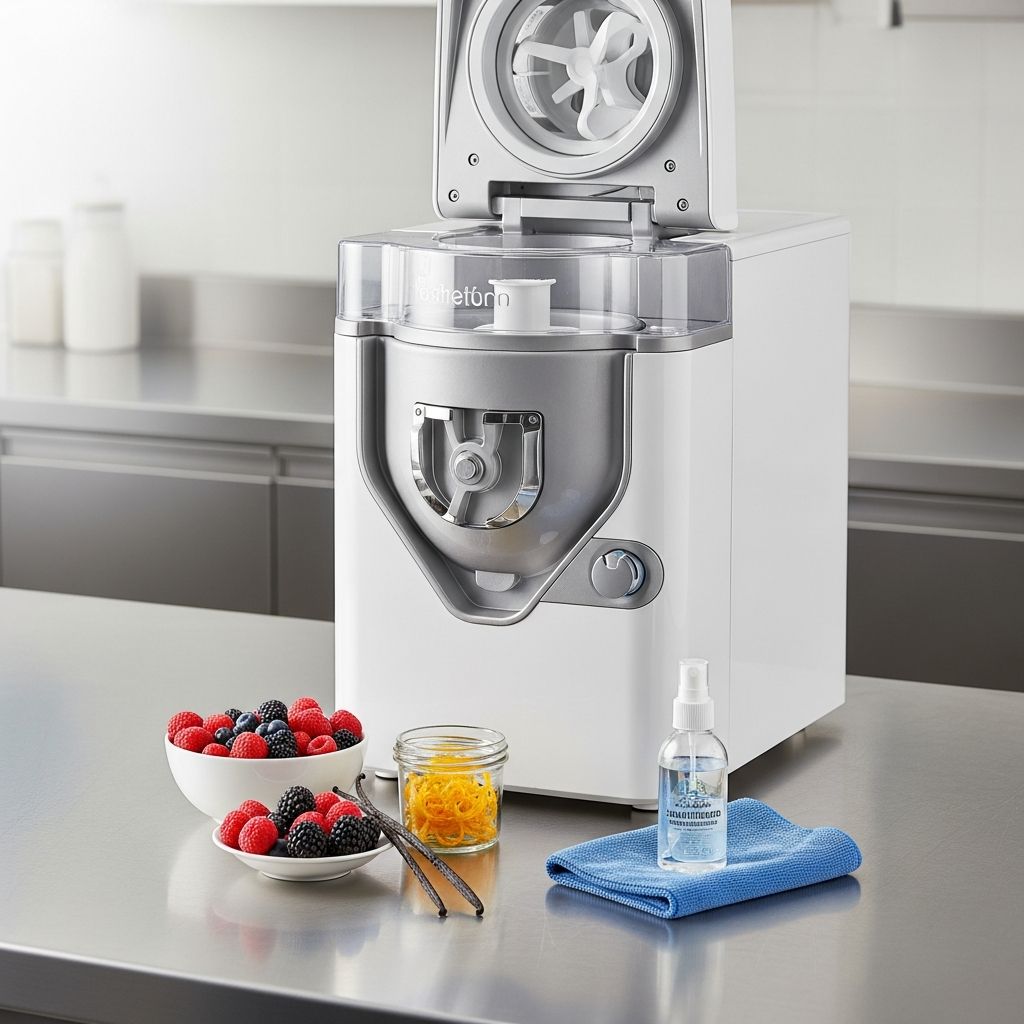
Switching from mint-chocolate chip to vanilla bean, or from spicy chai to delicate strawberry, is one of the pleasures of making ice cream at home. Yet many home cooks discover that their new batch is subtly tainted by the previous flavor. Lingering odors and residual flavors in ice cream makers come from fats, sugars, and aromatic compounds that stick to machine parts, especially in hidden crevices. Managing these residues is essential if you want each recipe to taste clean, balanced, and true to its intended profile.
This guide explains why odors and flavors linger, how different ice cream maker designs affect cleanup, and provides detailed, step-by-step methods to clean and maintain your machine so you can confidently switch recipes without unwanted flavor carryover.
Table of Contents
- Common Causes of Odors and Residual Flavors
- How Ice Cream Maker Design Affects Flavor Carryover
- Quick Cleaning Between Batches of Similar Flavors
- Full Cleaning When Changing Recipes Completely
- Deep Cleaning to Remove Stubborn Smells and Flavors
- Managing Strong Ingredients and Allergen Cross-Contact
- Preventative Habits to Keep Odors Away
- Troubleshooting Persistent Odors and Off-Flavors
- Frequently Asked Questions (FAQs)
- Conclusion
Common Causes of Odors and Residual Flavors
Odors and unwanted flavors rarely appear out of nowhere. They usually result from a mix of fat buildup, incomplete cleaning, and storage practices.
Butterfat and Sugar Residues
Dairy-based ice cream mixes are rich in butterfat and sugars, which can cling to surfaces and form a thin film on the bowl, dasher, lid, seals, and dispensing parts. Over time this film can oxidize or trap strong aromas, creating a faint but noticeable aftertaste in new batches. Commercial trainers and manufacturers highlight that butterfat residue particularly collects in corners, seams, and around scraper blades, requiring focused cleaning rather than just rinsing with water.
Flavor Compounds from Strong Ingredients
Some ingredients carry especially persistent aromas and essential oils, including:
- Mint and peppermint extracts
- Spices such as cinnamon, cardamom, clove, and ginger
- Chocolate and cocoa powder
- Roasted nuts and nut butters
- Coffee, espresso, and tea concentrates
- Alcohols (rum, bourbon, liqueurs) and flavoring oils
These compounds dissolve into fats and can be absorbed by plastic surfaces or gaskets, making them harder to remove than water-soluble ingredients.
Microbial Activity and Rancidity
When dairy residue is left on or inside machine parts, it can sour or turn rancid, leading to a stale or sour smell that transfers to new batches. Food safety experts emphasize that any remaining residue also increases the risk of bacterial growth if the machine is left assembled and closed while still damp.
Storage and Airflow Issues
Storing an ice cream maker while it is sealed, damp, or in an area with strong ambient odors (such as near onions, grilling equipment, or cleaning chemicals) can allow unwanted smells to absorb into plastic parts and rubber seals. Proper drying and ventilation are crucial to prevent this.
How Ice Cream Maker Design Affects Flavor Carryover
Different ice cream makers have different cleaning needs. Understanding where residues tend to hide in each design helps you target your cleaning strategy.
| Type of Ice Cream Maker | Typical Residue Hotspots | Flavor Carryover Risk |
|---|---|---|
| Removable freezer bowl (home countertop models) | Dasher blades, underside of bowl, center pin, plastic seals, lid grooves | Moderate; easy to control with regular washing and attention to seals and pins |
| Compressor machine (built-in refrigeration) | Fixed bowl surface, dasher shaft, hard-to-reach corners, dispensing spout | Higher; requires careful manual cleaning of interior barrel and door assemblies |
| Old-fashioned bucket makers (manual or electric with canister) | Canister seams, dasher, lid edges; brine bucket rarely contacts mix | Low to moderate; mainly inside canister and moving parts |
| Multi-function machines (e.g., creamy-style processors) | Drive spindles, lid housings, hidden recesses around blades and knobs | Moderate to high; hidden gunk can cause stubborn odors without periodic deep cleaning |
Many manufacturers note that removable parts like dashers and bowls can be washed with warm, soapy water after each use. Some designs benefit from occasional disassembly of seals or internal fittings to remove fine deposits of butterfat and sugar.
Quick Cleaning Between Batches of Similar Flavors
If you are moving from a mild chocolate to dark chocolate, or vanilla to cookies-and-cream, you may only need a quick clean to prevent flavor muddling.
When a Quick Clean Is Enough
A quick clean is usually acceptable when:
- Both recipes share similar base ingredients (e.g., dairy, vanilla, chocolate).
- The previous flavor did not use strong aromatics like mint, coffee, or heavy spices.
- No allergens are changing (for example, both contain or both exclude nuts).
- You are producing multiple batches back-to-back within a short time.
Quick Cleaning Steps
Use this approach when you are staying within the same flavor family:
- Immediately after extracting the first batch, scrape out as much ice cream as possible to reduce residue.
- Run a brief rinse cycle if your machine supports it, or rinse the bowl and dasher with cool to lukewarm water until no visible mix remains.
- Follow with a quick wash in warm, mildly soapy water, focusing on corners, scraper blades, and the center pin area where residue often accumulates.
- Rinse thoroughly and dry quickly with a lint-free towel so the bowl can be re-chilled if needed.
This level of cleaning helps minimize subtle carryover while allowing efficient back-to-back production.
Full Cleaning When Changing Recipes Completely
When you are switching from a strong flavor to a delicate one, or when allergens change, a thorough cleaning is required to avoid both sensory and safety issues.
When to Perform a Full Cleaning
Plan a full cleaning when:
- Switching from strong or aromatic flavors (mint, coffee, chai, boozy flavors) to subtle flavors (vanilla bean, fresh fruit sorbet).
- Changing allergen profiles (for example, from nut-containing to nut-free, or dairy to plant-based mixes).
- You notice any lingering smell as soon as you open the machine, even if it looks clean.
- It has been more than a few uses since the last comprehensive clean.
Step-by-Step Full Cleaning Procedure
This general method applies to most home and small commercial machines. Always consult your manual to confirm which parts are removable and dishwasher-safe.
- Disassemble all removable parts. Remove the bowl, dasher, lid, seals, spouts, and any detachable door or faceplate. For compressor or soft-serve units, fully remove the dasher and door assembly as recommended.
- Pre-rinse in cool water. Rinse visible residue from all parts in cool or lukewarm water to prevent proteins from setting.
- Wash with warm, soapy water. Use food-safe dish soap and a soft sponge or microfiber cloth. Clean carefully around blades, gaskets, and the inside of the bowl. Avoid abrasive pads that can scratch surfaces and trap more residue later.
- Use small brushes for crevices. Clean tight corners, inner seams, and the center pin area with bottle brushes, straw brushes, or cotton swabs, as recommended by technicians for removing butterfat residue.
- Rinse thoroughly. Remove all soap to prevent off-flavors and film formation.
- Sanitize if recommended. For high-use or commercial-style machines, follow a wash–rinse–sanitize cycle with an approved food-grade sanitizer, as taught in food safety training.
- Air-dry completely. Set parts on a clean rack or towel until fully dry. Avoid reassembling while still damp to prevent musty odors and microbial growth.
- Wipe and dry the main body. Clean any splashes or spills on the machine’s exterior with a damp cloth and mild detergent, then wipe dry.
Once everything is dry and odor-free, you can reassemble and prepare for the next recipe with minimal risk of flavor carryover.
Deep Cleaning to Remove Stubborn Smells and Flavors
If a machine has been stored for a long time, if residues have built up over months, or if strong flavors like garlic (from shared kitchen use) or mint seem permanent, a more intensive approach is needed.
Signs You Need a Deep Clean
- Noticeable smell when you open the machine, even after a standard wash.
- Visible film, discoloration, or greasy feel on parts.
- Persistent ghost flavors in new batches despite routine cleaning.
- Machine has not been fully disassembled and cleaned in several weeks of frequent use.
Deep Cleaning Method
Adapt the following process to your specific machine, guided by the manufacturer’s instructions:
- Perform a complete teardown. Remove every part that the manual allows, including internal seals, plastic collars, and any panels that expose hidden spaces. Some home bowls have removable seals on the underside that benefit from periodic cleaning and sterilizing.
- Soak removable parts. Soak bowls (if allowed), dashers, lids, seals, and smaller pieces in warm, soapy water for 15–30 minutes to loosen fatty deposits. Avoid soaking electrical or motorized components.
- Use a gentle scrub and targeted brushes. Scrub each part thoroughly, paying attention to grooves, threads, hinges, and connections. Use narrow brushes to reach inside recesses and behind seals where hidden gunk often collects.
- Use deodorizing agents safely. To neutralize odors, you can:
- Prepare a solution of baking soda in warm water and use it as a mild abrasive and deodorizer on non-porous parts.
- Use diluted white vinegar (follow manufacturer guidance) to help dissolve mineral deposits and deodorize stainless steel or certain plastics.
- Rinse thoroughly after using any of these to remove lingering taste.
- Sterilize key parts if permitted. Some manufacturers recommend pouring boiling water over removable seals and gears to sterilize and flush out fat residues. Always confirm your machine can tolerate high temperatures before doing this.
- Dry fully in open air. Leave parts separated and exposed to air in a clean, odor-free area until dry. Keeping the machine body open overnight after a full clean can also help dissipate trapped odors.
After a deep clean, test with a neutral batch such as plain sweet cream or vanilla to confirm that no ghost flavors remain.
Managing Strong Ingredients and Allergen Cross-Contact
Some recipes are more likely than others to leave a mark on your machine. Managing strong flavors and allergens thoughtfully reduces problems when changing recipes.
High-Impact Flavor Categories
Plan extra cleaning when using:
- Mint and herbs: Leaves and extracts can leave a lingering cool, grassy aroma.
- Spiced bases: Chai, pumpkin spice, or mulled flavors carry potent essential oils.
- Coffee and tea: Strongly roasted or concentrated brews can stain and leave a bitter residue.
- Nut-based recipes: Nut oils cling to surfaces and may affect both flavor and allergen safety.
- Alcohol-heavy recipes: Flavoring spirits can carry intense aromatic compounds.
Allergen Considerations
If anyone consuming your ice cream has allergies or intolerances, treat recipe changes with the same seriousness as a professional food service environment:
- Schedule allergen-containing recipes at the end of a session so the machine can be fully cleaned afterward.
- Use a full wash–rinse–sanitize cycle when switching from nut, egg, gluten-containing add-ins, or dairy to allergen-free recipes.
- Use separate utensils, storage containers, and mixing bowls where possible.
- Consider maintaining a dedicated bowl or dasher for frequent allergen-free production if space and budget allow.
Preventative Habits to Keep Odors Away
Good daily habits will reduce the need for frequent deep cleaning and keep flavors from overlapping.
Daily and Routine Maintenance
- Clean the machine after every use, not just when you notice a problem. Manufacturers repeatedly stress that regular cleaning is key to performance and hygiene.
- Rinse and wash removable parts as soon as possible, before residues dry and harden.
- Follow any recommended daily or periodic maintenance routines for your model, including cleaning interior barrels and condenser areas where spills or splashes may occur.
Drying and Storage
- Allow parts to air-dry fully before reassembly to prevent musty smells.
- Store bowls and lids in a clean, low-odor environment; avoid areas with strong food aromas or chemical smells.
- For freezer bowls, store them in a protective bag or cover once dry to limit odor absorption from the freezer.
- Leave compressor machines slightly open or vented when not in use so moisture can escape, as recommended for food safety and quality.
Avoiding Damage During Cleaning
To maintain the machine’s surfaces and prevent new odor traps from forming:
- Avoid abrasive scouring pads that scratch plastic or metal.
- Do not submerge the motor base or any electrical components in water.
- Use only cleaning agents permitted by the manufacturer; harsh chemicals can degrade seals and plastics over time.
Troubleshooting Persistent Odors and Off-Flavors
Sometimes, despite reasonable care, flavors still overlap. Use this troubleshooting list to trace the source.
Checklist for Residual Flavors
- Is residue visible? Inspect the bowl, dasher, seals, and underside fittings under bright light for films or discoloration.
- Did you clean all hidden areas? Check behind seals, inside shaft openings, around dispensing spouts, and under removable collars.
- Is the freezer bowl odor-free? Smell the bowl when dry; if it smells like the last recipe, repeat a baking-soda or vinegar-based cleaning (if compatible with the material).
- Are storage conditions contributing? Ensure the machine is not stored near strong-smelling foods or chemicals, and that parts were fully dry before storage.
- Have plastic parts absorbed odor? Over time, some plastics absorb potent flavors; if severe, replacing a gasket, lid, or bowl may be necessary.
Using a Neutral Test Batch
After cleaning, churn a small batch of neutral base, such as lightly sweetened milk or cream without flavorings. Taste carefully for any stray notes:
- If the test batch tastes clean, you can proceed with delicate flavors.
- If you detect past flavors, repeat a deep cleaning, focusing on suspected trouble spots.
Frequently Asked Questions (FAQs)
Q: How often should I deep clean my ice cream maker?
For frequent home use, a thorough deep clean every few weeks is usually adequate, along with full cleaning between very different recipes. For heavier or commercial-style use, follow the manufacturer’s guidance and consider a more frequent wash–rinse–sanitize routine.
Q: Can I put my ice cream maker bowl in the dishwasher?
Many freezer bowls are not dishwasher-safe and should not be exposed to high heat or harsh detergents, which can damage the freezing fluid chamber or seals. Always check the manual; some guides specifically warn that the bowl must be hand-washed and carefully dried.
Q: What is the best way to remove a mint or coffee smell?
First, perform a complete wash with warm, soapy water. Then, if allowed for your materials, use a baking soda paste or a diluted vinegar rinse on the bowl and plastic parts, followed by thorough rinsing and air-drying. A neutral test batch can confirm success.
Q: Why does my new batch taste slightly sour?
A sour taste often indicates leftover dairy that has begun to spoil inside the machine or on parts that were not fully cleaned and dried. Perform a deep cleaning, including any hidden areas, and ensure all parts are thoroughly dried before reassembly.
Q: Is it necessary to sanitize at home, or is washing enough?
For typical home use, thorough washing and drying are generally sufficient to manage flavors and odors. Sanitizing solutions are more critical when the machine is used frequently, shared among many people, or when there are high food safety concerns. Always follow manufacturer and local food safety guidance.
Conclusion
Managing odors and residual flavors in an ice cream maker comes down to understanding where fats and aromatic compounds accumulate, cleaning methodically after each use, and scheduling deeper maintenance when recipes or allergens change. Attention to seals, corners, and hidden components matters as much as washing the visible bowl and dasher, especially in modern compressor and multi-function machines.
By combining prompt, thorough cleaning with sensible storage and occasional deep cleaning, you can maintain a neutral, odor-free machine that faithfully expresses each new recipe. That consistency is what transforms a series of home experiments into reliably delicious ice creams, sorbets, and frozen desserts across every flavor you choose to create.
Similar Articles





Read full bio of medha deb