Planning a Budget for Buying and Running a Home Ice Cream Maker
Learn how to budget smartly for the purchase, operation, and long-term ownership of a home ice cream maker.
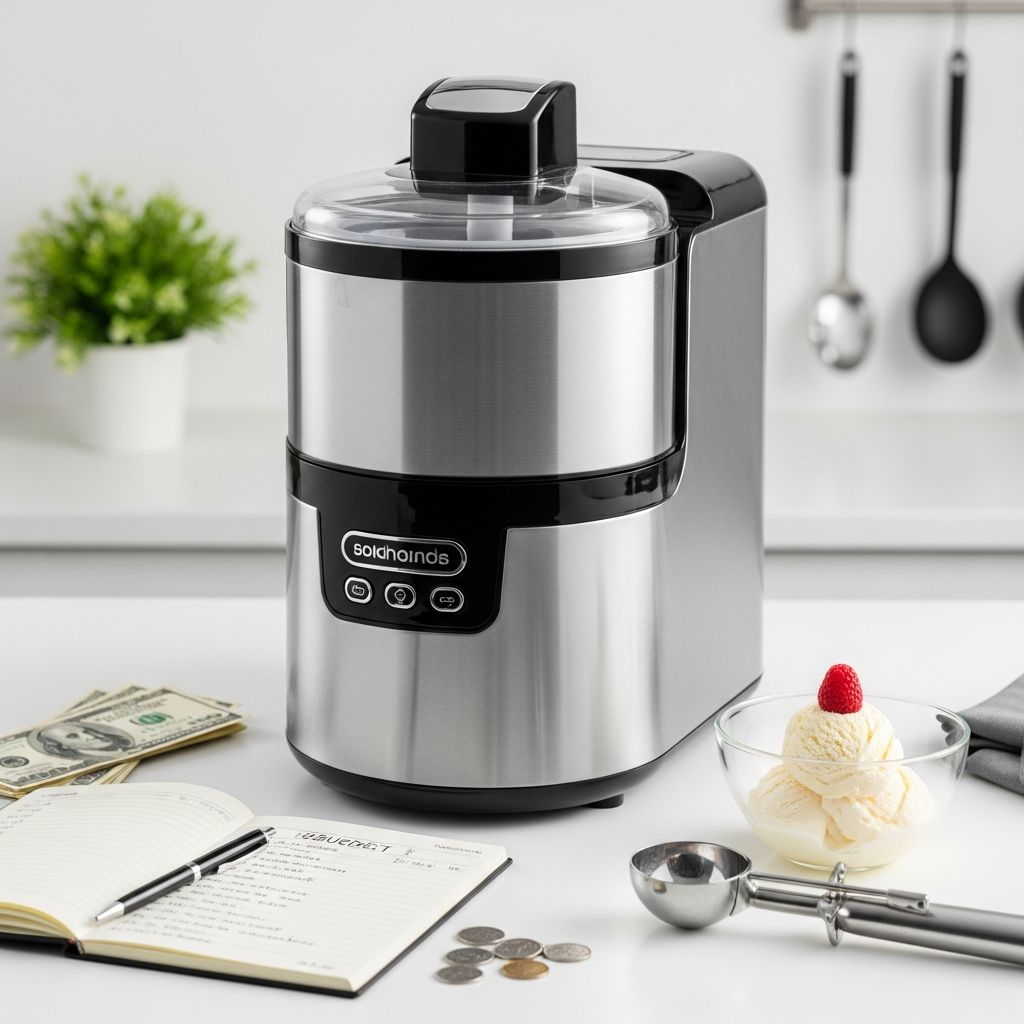
Owning a home ice cream maker can turn your kitchen into a small dessert lab, but before you start churning, it is important to understand the full financial picture. From the machine’s upfront cost to ongoing spending on ingredients, electricity, and maintenance, a thoughtful budget helps you enjoy homemade ice cream without financial surprises.
Table of Contents
- Why Budgeting for a Home Ice Cream Maker Matters
- Understanding Types of Home Ice Cream Makers and Price Ranges
- Key Upfront Costs to Include in Your Budget
- Ongoing Running Costs: What You Will Spend Over Time
- Hidden and Overlooked Costs
- Comparing Homemade Ice Cream vs Store-Bought Costs
- How to Set a Realistic Budget Step by Step
- Money-Saving Strategies When Owning an Ice Cream Maker
- Example Budget Scenarios
- Frequently Asked Questions (FAQs)
- Conclusion
Why Budgeting for a Home Ice Cream Maker Matters
A home ice cream maker is more than a one-time purchase. It is a small system that comes with ongoing costs and practical constraints. Budgeting ahead of time helps you choose the right type of machine, avoid overspending, and ensure that you can actually afford to use it regularly instead of letting it gather dust.
Several factors influence the total cost of ownership:
- Upfront price of the machine
- Accessories and storage containers
- Ingredients for each batch
- Electricity and freezer space needs
- Maintenance, repairs, or replacement down the line
By mapping these out in advance, you can decide whether a basic, mid-range, or high-end model makes sense for your usage and household budget.
Understanding Types of Home Ice Cream Makers and Price Ranges
Home ice cream makers fall into three main categories, each with different upfront and running costs.
1. Manual and Simple Electric Models
These include hand-crank machines and basic countertop electric models without a built-in freezer. They are the most affordable way to get started.
- Typical capacity: about 1 to 2 quarts
- Uses ice and rock salt or a pre-frozen bowl
- Lower purchase price, but more manual work or planning
These models can be attractive if your budget is tight and you only plan to make ice cream occasionally.
2. Freezer-Bowl Electric Machines
Freezer-bowl machines use a removable insulated bowl that you freeze for many hours before churning. Popular mid-range machines in this category are commonly recommended as good value options for beginners.
- Mid-range upfront cost
- Require freezer space for the bowl
- Usually limited to one batch per day unless you buy extra bowls
Well-known models in this class often deliver very good ice cream quality without the premium price tag of built-in compressor machines.
3. Compressor (Self-Refrigerating) Ice Cream Makers
Compressor machines have an internal refrigeration unit and can chill the mix as they churn. Guides to home ice cream makers consistently describe these as more convenient and flexible, but significantly more expensive.
- High upfront investment
- No need to pre-freeze a bowl
- Can produce multiple batches back-to-back
- Higher electricity use while running
Within compressor models, there is a further split between domestic and prosumer or semi-professional machines. Premium brands like Lello Musso are praised for excellent texture and build quality but sit at the very top of the price range for home users.
Typical Price Bands
| Type of machine | Approximate price band (USD) | Budget suitability |
|---|---|---|
| Manual / simple electric | Low to lower-mid range | Good for tight budgets and occasional use |
| Freezer-bowl electric | Lower-mid to mid range | Best balance of cost and quality for most households |
| Domestic compressor | Mid to high range | Suitable if convenience and frequent use justify cost |
| Prosumer / premium compressor | High to very high | For enthusiasts and small food businesses |
Key Upfront Costs to Include in Your Budget
When planning your budget, treat the purchase of the ice cream maker as one part of a small project. Add the following items to your initial cost estimate.
1. Cost of the Machine Itself
The biggest single expense is the appliance. Guides that compare ice cream makers emphasize that entry-level freezer bowl models can be relatively inexpensive while compressor machines, especially premium ones, cost several times more.
When comparing models, consider:
- Capacity (quarts or liters per batch)
- Build quality and durability
- Warranty length and terms
- Space on your countertop or in storage
2. Accessories and Extra Bowls
Some useful accessories may not come with the machine:
- Extra freezer bowls (to make multiple flavors per day with freezer-bowl machines)
- Spatulas and scoops for extraction and serving
- Reusable plastic or glass containers with lids for storage
- Thermometers or kitchen scales if you plan to follow precise recipes
Factor these into your first-month budget to avoid small but cumulative surprises.
3. Delivery, Protection Plans, and Warranty Extensions
If you are buying online, include shipping or delivery charges. Some retailers also offer optional extended warranties or protection plans, especially for more expensive compressor machines. Assess whether the cost of extra coverage is justified compared with the price of the machine and the standard manufacturer’s warranty.
4. Kitchen Space Adjustments
Space has a cost even if you do not see it directly on a receipt. You may need:
- Extra shelving or a small cart to hold the machine
- Reorganizing pantry or cabinet space for ingredients
- Freezer space for freezer-bowl inserts and stored ice cream
If you have a very small kitchen, you might end up choosing a smaller, cheaper machine because the indirect cost of lost space for other appliances is high.
Ongoing Running Costs: What You Will Spend Over Time
Once the machine is in your kitchen, the real financial picture comes from recurring costs. These are typically modest per batch but add up over a year if you make ice cream often.
1. Ingredient Costs per Batch
A standard custard-style ice cream usually calls for cream, milk, sugar, eggs, and flavorings such as vanilla, chocolate, or fruit. Ingredient costs vary by region and quality level, but you can estimate a typical batch cost by listing each item.
- Dairy base (cream and milk)
- Sweeteners (sugar, honey, or alternatives)
- Egg yolks for custard-style recipes
- Flavorings (vanilla extract, cocoa, fruit purées, coffee, nuts, chocolate chips)
- Stabilizers or emulsifiers if you choose to use them
Premium ingredients such as high-end chocolate, pistachios, or real vanilla beans can easily double or triple the cost per batch compared with simpler flavors.
2. Electricity and Energy Use
Electricity costs depend on your local rates and type of machine:
- Freezer-bowl and basic electric machines typically run their motors for 20 to 40 minutes at a time.
- Compressor machines power both a motor and a refrigeration unit for each batch, leading to higher consumption but still modest in absolute terms.
While the energy use per batch is usually small compared with large appliances, frequent churning and the need for freezer space for storage and pre-frozen bowls do influence your overall household energy usage.
3. Cleaning and Maintenance
Most machines require cleaning after every batch. Some compressor machines may occasionally need deeper cleaning of removable parts such as the bowl base.
Include the cost of:
- Mild dish soap and cleaning brushes or cloths
- Occasional replacement of gaskets, paddles, or bowls if they wear or break
- Descaling or careful cleaning routines if recommended by the manufacturer
These costs are not large per month, but a realistic budget should not ignore the periodic need to replace small parts or pay for repairs, especially for older or hard-worked machines.
4. Storage and Freezer Costs
Homemade ice cream needs space in your freezer. If your freezer is already crowded, you may end up discarding other items more often or considering a larger freezer in the future, which has its own cost and energy use. Freezer-bowl models also occupy valuable freezer space between uses.
Hidden and Overlooked Costs
Some costs are easy to miss when you are excited about buying a new appliance.
- Time cost: Preparing custards, chilling mixes, churning, and cleaning all take time. If your schedule is very busy, the “cost” of your time may push you toward simpler no-cook recipes or less frequent use.
- Experimentation waste: In the learning phase, a few batches may not turn out well. The ingredients for failed experiments should be considered part of your startup budget.
- Upgrades: If you start with a very inexpensive machine and later upgrade to a mid-range or premium compressor, the total you spend over several years may exceed the cost of choosing a well-matched machine from the beginning.
- Hosting and entertaining: Once friends and family know you make excellent ice cream, you may host more often, increasing overall food costs, even if the ice cream itself is relatively inexpensive.
Comparing Homemade Ice Cream vs Store-Bought Costs
One way to justify a budget for an ice cream maker is to compare the cost of homemade servings with store-bought ice cream.
Consider:
- Price per liter or quart of good-quality ice cream at your local store
- Average cost of ingredients per homemade batch at the same volume
- Amount of ice cream your household eats each month
- How often you would realistically use the machine
If you consume ice cream frequently and enjoy experimenting with flavors, the machine may pay for itself over time when compared with buying premium pints. If you only eat ice cream occasionally, the financial case is weaker, and your budget should focus on keeping upfront costs low rather than expecting long-term savings.
How to Set a Realistic Budget Step by Step
Use this step-by-step framework to define a budget that suits your needs.
Step 1: Clarify Your Usage Pattern
Ask yourself a few questions:
- How many times per month do you expect to make ice cream?
- Do you want to make multiple flavors in one day?
- How important are texture and speed compared with cost?
- Do you plan to use the machine for gelato, sorbet, and frozen yogurt as well?
Heavy use and a desire for multiple back-to-back batches often push you toward compressor machines, while occasional use may be better served by a freezer-bowl model or simple electric machine.
Step 2: Set a Maximum Upfront Spending Limit
Look at your broader household budget and decide how much you can allocate without straining other priorities. Consider the total of:
- Machine price
- Tax and delivery
- Initial accessories and containers
- First month of ingredients
This total forms your “startup budget” for home ice cream making.
Step 3: Estimate Monthly Running Costs
To estimate ongoing costs, choose a typical month and do the following:
- Decide how many batches you will make that month.
- Multiply batches by average ingredient cost per batch.
- Add a small amount for electricity, cleaning supplies, and occasional part replacement.
Even if the monthly total is modest, having an estimate helps you understand the long-term impact on your grocery and utility budget.
Step 4: Match Machine Type to Budget and Usage
With your usage pattern and budget clear, match them to the appropriate category of machine.
- If you have a small budget and low usage, a basic freezer-bowl or manual machine is usually sufficient.
- If you have a moderate budget and moderate to high usage, a mid-range freezer-bowl or affordable compressor model may provide the best balance.
- If you are enthusiastic, make ice cream very often, and can allocate a high upfront budget, a premium compressor machine offers durability and top-tier results.
Step 5: Review Long-Term Value
Before finalizing your budget, review:
- Expected lifespan of the machine given your usage
- Warranty coverage and manufacturer reputation
- Resale or gifting potential if your needs change
This helps you avoid very cheap machines that might fail quickly under regular use or very expensive machines that exceed your actual needs.
Money-Saving Strategies When Owning an Ice Cream Maker
Once you have chosen a machine, smart habits can keep the running costs low.
- Buy ingredients in bulk: Staples like sugar, vanilla, and cocoa can be purchased in larger quantities to reduce unit cost.
- Use seasonal produce: Making fruit-based flavors when fruits are in season lowers costs and improves flavor.
- Optimize batch size: Run full or near-full batches so that energy and time are used efficiently.
- Protect the machine: Follow cleaning and use instructions to avoid damage and premature failure.
- Plan flavor experiments: Start with small test batches when using expensive ingredients to reduce the risk of waste.
- Share with family or friends: Splitting ingredient costs for gatherings can lower your personal out-of-pocket spending.
Example Budget Scenarios
The numbers below are illustrative, not universal, but they show how different budgets lead to different choices.
Example 1: Occasional Treat on a Tight Budget
- Usage: 1 batch every 2 to 3 weeks
- Machine type: Simple freezer-bowl or manual model
- Startup budget: Machine plus basic containers and ingredients
- Monthly running cost: A few batches of basic flavors using affordable ingredients
This scenario prioritizes low upfront cost and simple operation. You are unlikely to justify a compressor machine here, especially given the limited use.
Example 2: Family of Ice Cream Fans
- Usage: 2 to 4 batches per month, sometimes more in summer
- Machine type: Mid-range freezer-bowl or an affordable compressor model depending on budget
- Startup budget: Machine, extra bowl or storage containers, initial ingredients for several flavors
- Monthly running cost: Regular purchase of dairy and flavorings, modest electricity and cleaning supplies
This household can reasonably invest in a mid-range machine that balances cost and convenience, particularly if they make ice cream instead of buying several pints per week at the store.
Example 3: Serious Enthusiast or Aspiring Small Seller
- Usage: Multiple batches per week, often back-to-back
- Machine type: Higher-end compressor or prosumer machine with robust build and capacity
- Startup budget: Significant, including machine, containers, tools, and large ingredient stock
- Monthly running cost: Frequent dairy and specialty ingredients, higher electricity use, and more intensive maintenance
Here, the upfront cost is high, but so is the level of use. Premium machines with strong motors and solid construction are often recommended in reviews for these users because they produce excellent texture and handle heavy workloads more reliably.
Frequently Asked Questions (FAQs)
How much should I expect to spend on my first home ice cream maker?
You can start with a simple model at a relatively low price, but many reviews recommend mid-range freezer-bowl machines as the best value balance of cost and performance for most new users. If your budget allows and you plan frequent use, an affordable compressor model may be worthwhile.
Are compressor ice cream makers worth the higher upfront cost?
Compressor machines are consistently described as more convenient because they do not require pre-frozen bowls and can make multiple batches back-to-back. They are often worth the cost if you make ice cream regularly and prioritize texture and flexibility, but for occasional users a freezer-bowl model usually provides better value.
What is the main ongoing cost after I buy the machine?
Ingredients are the primary recurring expense. Premium add-ins like nuts, chocolate, and real vanilla quickly increase per-batch costs, while simple flavors based on dairy and sugar remain relatively inexpensive. Electricity and cleaning costs are usually modest compared with ingredients.
Do I need extra bowls or accessories right away?
Extra bowls are mainly useful for freezer-bowl machines if you want more than one batch per day. Basic accessories like scoops and storage containers are helpful but can often be added gradually as your usage patterns become clear.
Can a home ice cream maker save money compared with store-bought ice cream?
It can, especially if you typically buy premium brands and your household eats ice cream frequently. When you spread the machine’s cost over many batches and use reasonably priced ingredients, the per-serving cost is often lower than high-end store-bought ice cream, though not always lower than discount brands.
Conclusion
Planning a budget for buying and running a home ice cream maker means looking beyond the initial price tag and considering the full lifecycle of the appliance. The right budget accounts for the type of machine that fits your usage, the accessories you truly need, and the ingredient and energy costs that come with every batch.
For most households, a solid mid-range freezer-bowl model delivers excellent results without a large financial commitment, while compressor machines make sense for frequent makers who value convenience and are prepared for higher upfront costs. Matching your machine choice to how often you will use it and how much you are comfortable spending each month helps ensure that your ice cream maker becomes a well-loved tool instead of an expensive gadget you rarely touch.
A thoughtful budget lets you enjoy experimenting with flavors, serving family and friends, and refining your recipes, all while staying aligned with your financial priorities and kitchen space. With clear expectations and realistic planning, homemade ice cream can be an affordable and sustainable pleasure.
Similar Articles






Read full bio of Sneha Tete