Using Popcorn Makers in Small Apartments or Dorm Rooms: Space, Ventilation, and Smell Management
Practical ways to enjoy fresh popcorn in tight spaces while controlling heat, odors, and clutter
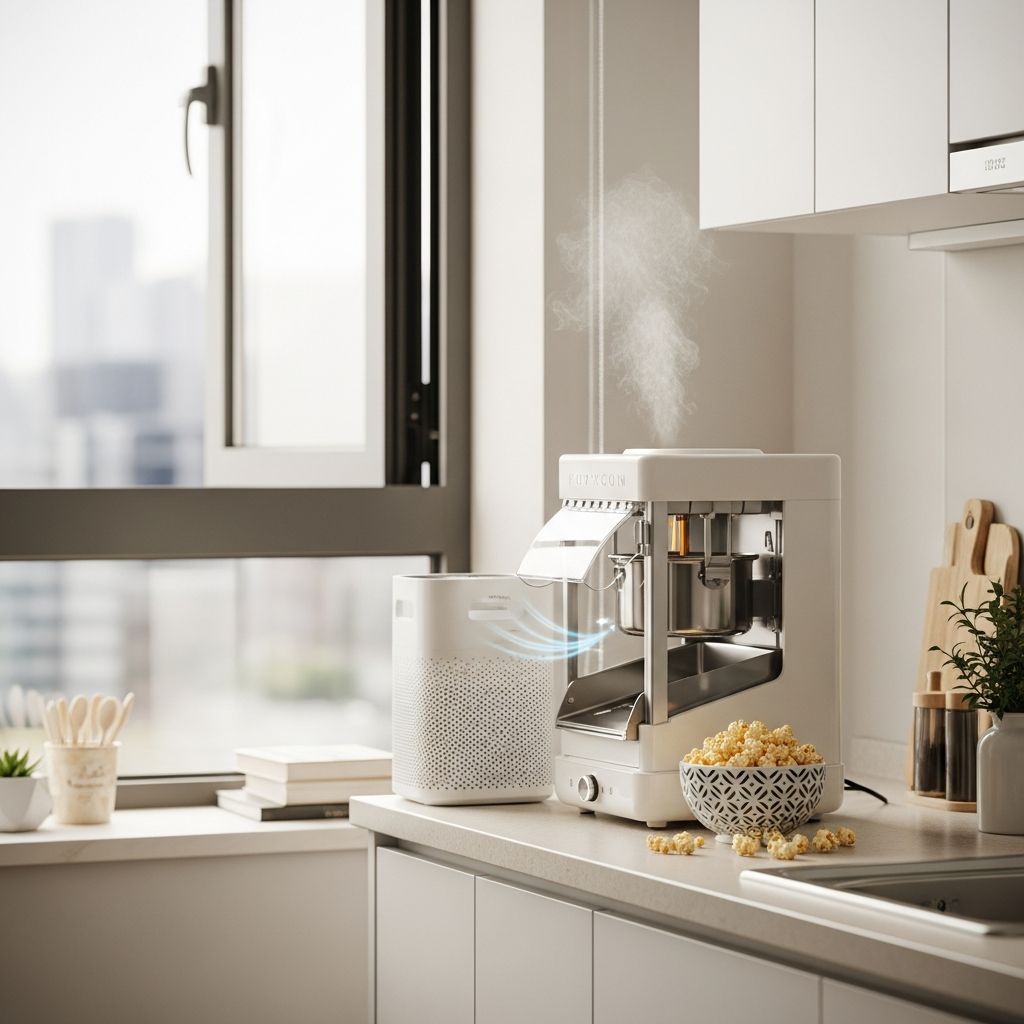
Using Popcorn Makers in Small Apartments or Dorm Rooms
Popcorn makers are a fun, affordable way to bring movie night into a small apartment or dorm room, but they also introduce challenges: limited counter space, poor ventilation, and smells that can linger in a compact area. Choosing the right type of machine and using it thoughtfully can help you enjoy fresh popcorn without overwhelming your living space.
Table of Contents
- Benefits of Popcorn Makers in Small Spaces
- Types of Popcorn Makers and Their Suitability
- Space Planning in Apartments and Dorm Rooms
- Ventilation Strategies for Small Rooms
- Smell Management and Odor Control
- Safety, Dorm Policies, and Fire Regulations
- Cleaning, Maintenance, and Storage
- Comparison of Popcorn Maker Types for Small Spaces
- Step-by-Step Setup Guide for Tight Spaces
- Frequently Asked Questions (FAQs)
- Conclusion
Benefits of Popcorn Makers in Small Spaces
Even in very small living areas, a popcorn maker can be one of the most practical appliances you own. Modern air-pop and compact tabletop machines are specifically marketed as ideal for apartments, dorms, and RVs because of their small footprint and simple operation.
Key benefits include:
- Space efficiency: Many air poppers and mini machines are designed as compact countertop units with cord wrap or hidden cords for easy storage.
- Healthier snacking: Air-pop models use hot air instead of oil, reducing calories and grease while still providing a satisfying snack.
- Budget-friendly: Bulk popcorn kernels are cheaper than microwave bags, making this an economical option for students and renters.
- Social value: Fresh popcorn is a low-cost way to host friends for movie nights or game sessions without needing a full kitchen.
Types of Popcorn Makers and Their Suitability
Before thinking about ventilation and smell management, it helps to understand how different popcorn makers work and what they bring into a small room: heat, steam, oil, or lingering aroma.
1. Hot Air Popcorn Makers
Hot air poppers use a heating element and forced air to pop kernels without oil. Brands market them as mini and mighty, explicitly highlighting their suitability for dorms, apartments, and RVs.
Characteristics:
- Use hot air instead of oil, resulting in less grease and typically less lingering odor.
- Compact countertop size, often around 12 to 13 inches tall, and light enough to store in a cabinet when not in use.
- Often include a measuring cap that doubles as a butter melting tray, allowing optional flavor without heavy oil.
Pros for small spaces:
- Minimal smoke and splatter.
- Easy to clean; usually just a quick wipe.
- Smaller smell footprint compared to oil-based machines.
Cons:
- Popcorn can be drier unless you add butter or seasoning after popping.
- The popping chute must be positioned so the popcorn does not fly onto the floor.
2. Tabletop Kettle Popcorn Makers
Tabletop kettle makers are scaled-down versions of theater-style machines, using an internal kettle with oil to pop the corn. Products with stainless steel kettles and built-in stirring systems can produce about 16 cups in a few minutes.
Characteristics:
- Use oil in a metal kettle, creating a richer, more traditional movie-theater flavor.
- Often include warm lights, vented windows, and warming decks to keep popcorn hot.
- Available with smaller kettles (2.5 oz, 4 oz, 6 oz, 8 oz) that dictate batch size and suitability.
Pros for small spaces:
- High flavor and aroma, ideal for movie-night atmosphere.
- Some tabletop units are designed to sit on a counter and be stored when not in use.
Cons:
- Produce more steam, oil vapor, and lingering smells.
- Require more cleaning, particularly the kettle and interior walls.
- Larger footprint and higher heat output, so they are best in slightly bigger apartments rather than very tight dorms.
3. Popcorn Carts and Large Machines
Full-sized popcorn carts and large-capacity machines are designed for man caves, basements, school events, or commercial settings, producing multiple gallons of popcorn in minutes.
In very small apartments and dorm rooms, these are generally not practical due to:
- Space requirements for carts and storage.
- Higher heat and odor output from larger kettles (8–16 oz).
- Potential conflicts with building or dorm fire regulations.
They are better suited to dedicated entertainment rooms or larger shared living areas.
Space Planning in Apartments and Dorm Rooms
Thoughtful placement can make a popcorn maker feel integrated rather than intrusive, even when counter space is minimal.
Choosing the Right Size
Guides for home popcorn machines recommend kettle sizes based on usage, which can be adapted to small-space living.
- If you live alone or with one roommate, a small machine that produces up to about 4 quarts at a time is usually sufficient.
- Machines with 4–6 oz kettles are often recommended for small home theaters and modest entertaining, while 8 oz and above are intended for larger crowds.
- Air poppers that produce around 16 cups per batch are enough for a few people and take up little room.
Countertop Placement
To avoid clutter and heat buildup:
- Place the machine on a stable, heat-resistant countertop or table.
- Allow clearance behind and above the machine so vents are not blocked.
- Avoid placing the unit directly under low cabinets, especially for oil-based machines that produce steam.
Some people build dedicated niches or recessed shelves for popcorn makers in home theaters, showing that a fixed location can work well if it includes efficient support, ventilation, and lighting.
Storage Solutions
When space is at a premium, the ability to put appliances away matters.
- Look for units that emphasize compact size and built-in cord wrap or hidden cords.
- Store the machine on top of a fridge, in a closet, or in an under-bed bin when not in use.
- Keep kernels, oil, and bowls in a small bin, so everything is portable and can be brought out together.
Ventilation Strategies for Small Rooms
Good ventilation is the main difference between pleasant popcorn nights and a room that smells greasy for days. Air poppers generate hot air and steam, while kettle units add oil vapor and stronger aroma, making airflow important in both cases.
Use Existing Ventilation
- Near a window: Whenever possible, set up the machine next to an open window and aim the vent or steam in that direction.
- Kitchen exhaust fan: If you have a stovetop vent, use the popcorn maker on the counter directly below it to pull smells and steam out of the room.
- Bathroom fan: In very small studios or dorms without kitchen vents, running a strong bathroom fan nearby can help move air through the space.
Create Airflow
- Use a small desk fan to push air toward a window or away from your sleeping area.
- Keep interior doors open, when allowed, so smells do not concentrate in one tiny room.
- Avoid running the machine in completely enclosed corners, which trap heat and odors.
Heat Considerations
Popcorn makers add localized heat, which can be noticeable in small rooms.
- Limit back-to-back batches in a dorm room to prevent overheating.
- Let the machine cool between uses and do not cover vents while it is still hot.
- Position the machine away from sensitive electronics or items that can warp from heat.
Smell Management and Odor Control
Popcorn smell can be pleasant during movie night but unwelcome the next morning, especially when rooms are tiny and shared. Air poppers tend to produce milder odors because they use no oil, while kettle machines create stronger, more persistent aromas due to oil and butter.
Before Popping
- Choose air-pop when possible: Air poppers reduce oily residue and smoke risk, making them better for smell control in tight quarters.
- Use neutral oils: If you use an oil-based machine, choose light, high-smoke-point oils; flavored oils can have stronger odors.
- Prepare the room: Open windows and start fans before turning on the machine so airflow is established.
During Popping
- Stay nearby to prevent burning, which causes the strongest and most persistent smell.
- Use the recommended amount of kernels and oil so they do not overflow or scorch.
- Keep the popcorn bowl close to the chute so popped corn does not fall onto hot surfaces and burn.
After Popping
- Clean promptly: Wipe the inside surfaces and kettle once they are cool, removing oil that can go rancid and smell over time.
- Store buttered popcorn in closed containers: Leaving open bowls out overnight can permeate soft furnishings.
- Air out fabrics: If you have curtains or bedding near the popcorn area, open windows for a while and let fabrics breathe.
Additional Odor-Reduction Tips
- Use bowls with lids or silicone covers when transporting popcorn through hallways.
- Place a small bowl of baking soda or activated charcoal in the room to absorb residual odors.
- Avoid using heavy artificial scents immediately; masking odors can create an overpowering mix instead of reducing them.
Safety, Dorm Policies, and Fire Regulations
Safety is critical when using heating appliances in confined living spaces. Many brands emphasize their appliances as suitable for apartments and dorms, but final approval always depends on building and dorm policies.
Dorm Rules and Building Policies
- Check dorm handbooks or building regulations for rules on small appliances, especially those with heating elements.
- Some dorms allow hot air popcorn makers but restrict devices that use oil, open heating coils, or high wattage.
- Use only grounded, undamaged outlets and avoid overloading power strips.
Fire Safety Practices
- Never leave the popcorn maker unattended while it is operating.
- Keep flammable objects such as paper towels, plastic bags, and curtains away from the unit.
- Use the machine only on stable, level surfaces to prevent tipping.
- Allow adequate cooling time before moving or storing the unit, especially kettle-based machines.
Cleaning, Maintenance, and Storage
Keeping a popcorn maker clean is essential for odor control and for maintaining performance. Machines designed for small spaces often emphasize simple cleanup and removable parts for easy maintenance.п>
Cleaning Air Popcorn Makers
- Unplug and let the unit cool completely.
- Wipe the interior chute and exterior with a damp cloth.
- Clean the butter-melting tray or measuring cap with warm, soapy water.
- Avoid immersing the base in water or using abrasive cleaners.
Cleaning Kettle Popcorn Makers
- Turn off, unplug, and allow the kettle and interior to cool.
- Wipe any oil residue inside the housing and on the glass or plastic panels.
- Follow the manufacturer’s instructions for cleaning the kettle; many recommend mild detergent and soft cloths.
- Empty the kernel drawer or interior tray where unpopped kernels collect, if your model has one.
Storage in Tight Spaces
- Use the built-in cord wrap or hidden cord channel if available, so the appliance is easier to pack away.
- Store kernels in airtight containers to prevent pests and keep them fresh.
- Designate a small “snack box” or crate for the machine, bowls, seasonings, and scoop so everything stays together and portable.
Comparison of Popcorn Maker Types for Small Spaces
| Feature | Hot Air Popper | Tabletop Kettle Maker |
|---|---|---|
| Typical Capacity per Batch | Up to ~16 cups | About 16 cups for small 2.5 oz kettles; more for 4–6 oz |
| Space Requirements | Compact countertop footprint, easy to store | Larger footprint; more suited to small apartments than dorms |
| Odor Level | Mild; fewer lingering smells since no oil is required | Stronger movie-theater aroma due to oil and butter |
| Cleaning Effort | Low; mostly wiping and washing small accessories | Higher; kettle and interior need regular degreasing |
| Best Use Case | Dorm rooms, very small apartments, low-odor environments | Small apartments, home theaters, frequent movie nights |
Step-by-Step Setup Guide for Tight Spaces
For small apartments or dorm rooms, a simple routine can keep popcorn nights convenient, safe, and low-odor.
Step 1: Check Rules and Choose a Model
- Verify that your dorm or building allows the type of machine you plan to use, especially if it uses oil.
- For maximum compatibility with rules and smell control, start with a compact air-pop model marketed for dorms or apartments.
Step 2: Plan a Popping Zone
- Select a sturdy surface near a window or under a kitchen exhaust fan.
- Ensure access to an outlet without stretching cords across walkways.
- Clear flammable items away from the immediate area.
Step 3: Prepare for Ventilation and Smell Management
- Open windows or turn on available exhaust fans before you start.
- Set up a small fan if needed to help direct steam and smell outward.
- Have a lid-ready bowl for the popped corn to minimize exposure when carrying it.
Step 4: Measure and Pop
- Use the provided measuring cap for kernels so you do not overfill the machine.
- If using oil, measure carefully according to manufacturer guidelines to avoid excessive smoke.
- Start the machine and stay nearby, listening for the popping to slow before shutting it off.
Step 5: Immediate Cleanup
- Once cool, wipe any residue from the chute, kettle, or interior walls.
- Wash removable trays, caps, and butter cups promptly.
- Empty unpopped kernels from any drawers or trays.
Step 6: Storage and Odor Check
- Wrap or hide the cord and place the unit in its storage location.
- Store leftovers in sealed containers.
- Check for lingering odors and continue ventilating until the room smells neutral.
Frequently Asked Questions (FAQs)
Q1: Is a popcorn maker allowed in most dorm rooms?
Policies vary by institution. Some dorms allow small appliances like air-pop popcorn makers, especially those marketed for dorm use, but may restrict oil-based or high-wattage machines. Always check your housing contract or ask a resident advisor before using any popcorn maker.
Q2: Will a popcorn maker set off the smoke detector in a small room?
Properly used popcorn makers should not generate significant smoke. However, burning kernels or oil can trigger detectors, especially in small spaces. To reduce risk, use the recommended kernel and oil quantities, stay nearby while popping, and ensure good ventilation.
Q3: Which type of popcorn maker smells the least?
Hot air poppers generally produce the least lingering odor because they do not require oil, and the popcorn has fewer greasy vapors. Kettle-type machines create stronger, more persistent smells due to oil and butter, which can cling to surfaces.
Q4: How big of a popcorn machine do I need for a studio apartment?
Machines that produce around 4 quarts or up to about 16 cups per batch are usually sufficient for a studio or one-bedroom apartment. Larger kettles (8 oz and above) are better suited for frequent entertaining or larger homes.
Q5: How can I keep popcorn from getting stale in a small room?
Store leftover popcorn in airtight containers or resealable bags once it cools. This not only preserves crispness but also helps limit popcorn smells from spreading into bedding or clothing.
Conclusion
Using a popcorn maker in a small apartment or dorm room is entirely feasible when you choose a space-efficient machine, respect safety rules, and plan for ventilation and odor control. Compact air poppers marketed specifically for dorms and apartments offer a strong balance of convenience, low odor, and easy storage, while small tabletop kettle machines are better suited to slightly larger apartments and dedicated movie areas.
The key is to match the type and size of popcorn maker to your living situation, taking into account available counter space, access to windows or exhaust fans, and any dorm or building restrictions on heating appliances. With a simple routine that includes pre-ventilation, attentive popping, prompt cleaning, and thoughtful storage, you can enjoy fresh popcorn on a regular basis without turning your limited living area into a permanent snack-scented zone.
By balancing fun, practicality, and safety, small-space residents can make popcorn a comfortable part of everyday life instead of an occasional treat that disrupts their environment.
Similar Articles




Read full bio of medha deb