
Pre-Use Checklist for a New Ice Cream Maker: Unboxing, Cleaning, and First Test Runs
Step-by-step pre-use checklist to unbox, clean, assemble, and test your new ice cream maker safely and effectively.
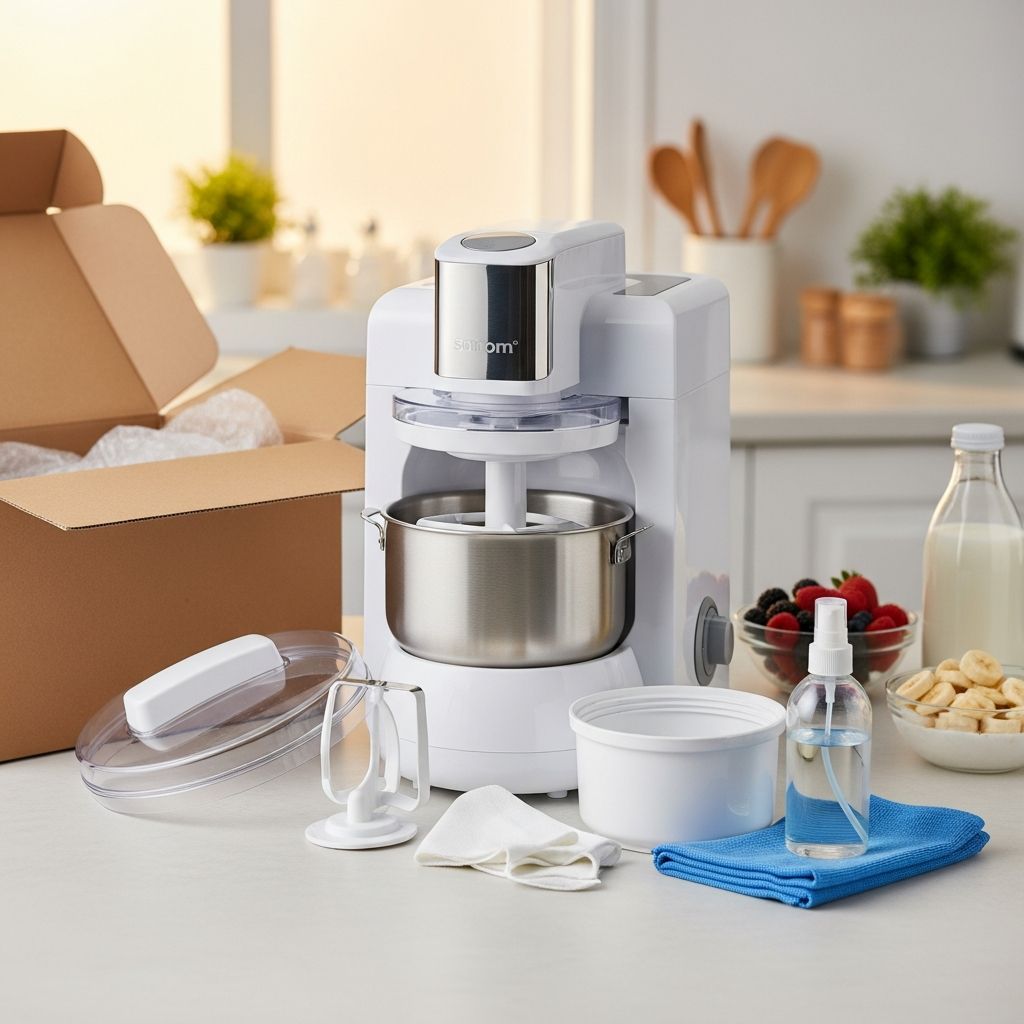
Pre-Use Checklist for a New Ice Cream Maker: Unboxing, Cleaning, and Test Runs
Bringing home a new ice cream maker is exciting, but using it straight out of the box is not a good idea. A careful pre-use checklist ensures your first batch is safe to eat, the machine runs smoothly, and you avoid avoidable damage or warranty issues. This guide walks you step by step through unboxing, cleaning, assembling, and test-running your new ice cream maker for the best possible start.
Table of Contents
- Understanding Your Ice Cream Maker Type
- Unboxing and Initial Inspection Checklist
- First Deep Cleaning Before Use
- Assembly and Setup Steps
- Pre-chilling and Freezing Requirements
- Sanitizing Before Adding Ice Cream Mix
- Test Run with Water or Cleaning Solution
- First Ice Cream Test Batch Checklist
- Safety Checks and Operating Tips
- Troubleshooting Common First-Use Issues
- Frequently Asked Questions (FAQs)
- Conclusion
Understanding Your Ice Cream Maker Type
Different ice cream makers have slightly different pre-use steps. The first item on your checklist is to identify the type of machine you bought and understand its basic requirements.
| Type of Ice Cream Maker | Key Features | Pre-Use Focus |
|---|---|---|
| Freezer bowl / canister style (home electric) | Removable bowl with coolant inside; must be frozen for 12–24 hours before use | Thorough cleaning and complete pre-freezing of bowl; do not immerse motor base in water |
| Compressor (self-freezing) machine | Built-in compressor chills mix; usually larger and heavier | Cleaning of hopper and parts; ensuring ventilation and level placement |
| Soft-serve or commercial-style machine | Hoppers, freezing cylinders, dispensing handles, O-rings, augers | Disassembly, wash, sanitize, lubricate seals and O-rings; test wash cycle |
| Stand mixer attachment bowls | Freeze bowl and dasher attach to mixer; mixer motor powers churning | Hand-washing freezer bowl and drive parts; pre-freeze according to manual; assemble only when ready to churn |
Locate your user manual and read the “Before first use” and “Safety” sections carefully. Many manufacturers emphasize that parts like the freeze bowl should be washed by hand and never put in the dishwasher, and that you must not pour mix into the bowl until assembly is complete and the motor is running.
Unboxing and Initial Inspection Checklist
Before you clean or test anything, confirm that the machine and all parts are present and in good condition.
Unboxing Steps
- Open the box carefully so you do not damage the manual or small parts stored in cardboard inserts or plastic bags.
- Remove all packaging, tape, plastic films, and protective stickers from external and internal surfaces.
- Check that all listed components in the parts diagram are included (bowl, lid, paddles/dasher, motor base, hoppers, dispensing handles, drip tray, condiment containers, O-rings, augers, or drive assemblies depending on model).
- Inspect the power cord and plug for damage, kinks, or exposed wires.
- Examine plastic and metal parts for cracks, warping, or sharp edges that could cut or break during use.
- Verify any removable seals and O-rings are present and not dry, cracked, or misshapen.
Initial Placement and Environment
Where you place the machine affects both safety and performance.
- Set the unit on a stable, level countertop that can support its weight when full.
- Leave adequate space around the sides and back for ventilation, especially with compressor and soft-serve machines to avoid overheating.
- Keep the machine away from sinks or direct water spray. The motor base should never be immersed in water.
- Avoid direct sunlight or hot appliances nearby (ovens, stoves), which warm the air around the machine and reduce freezing efficiency.
First Deep Cleaning Before Use
Even brand-new ice cream makers can have factory dust, lubricant traces, and packaging residue. Most manufacturers require a thorough cleaning and sanitizing before the first time you add ice cream mix.
General Cleaning Principles
- Unplug the machine before any cleaning, disassembly, or reassembly.
- Never immerse the motor base or compressor section in water. Wipe with a damp cloth only.
- Use warm water with a mild dish soap to wash food-contact parts such as bowls, paddles, lids, hoppers, and dispensing assemblies.
- Avoid abrasive cleaners, metal scouring pads, or harsh chemicals that can scratch or damage coatings and seals.
Step-by-Step First Wash
- Disassemble all removable parts as described in the manual. For soft-serve style units, this includes the dispenser door, handle, piston, O-rings, auger, and gaskets.
- Prepare a basin or sink with warm, soapy water.
- Wash the freezer bowl or canister by hand using a soft cloth or sponge. Do not submerge parts that are labeled as non-immersible.
- Wash paddles, dashers, lids, hoppers, condiment containers, drip tray, and dispensing arms thoroughly, paying extra attention to crevices and dispensing chutes that can trap residue.
- Rinse all parts with clean water to remove soap residues.
- Air-dry or dry thoroughly with a clean, lint-free towel. Make sure no moisture remains in hidden areas where bacteria can grow.
- Wipe the exterior of the base with a damp cloth and then dry.
Assembly and Setup Steps
After cleaning and drying, you are ready to assemble the machine for a dry fit and to become familiar with its components.
Typical Assembly Checklist
- Install any drip trays on the base beneath the dispenser.
- Insert any condiment containers or topping holders if your model includes them, making sure they sit firmly in their slots.
- Fit the mixing paddle or dasher onto the drive shaft or into the designated hole in the lid, ensuring it clicks into place where required.
- Place the freezer bowl or canister into the base or onto the mixer as instructed. For stand mixer attachments, the bowl must sit on the bowl-clamping plate and lock into position.
- Attach the lid securely so that it locks or snaps into place, often with tabs that must align with notches.
- On soft-serve machines, reassemble the dispenser door, handle, pistons, and auger in the correct order, ensuring O-rings are seated properly and not twisted.
Do a quick manual check: move the paddle by hand (if allowed by the design) to feel whether it spins freely. Ensure the lid and bowl are stable and the machine does not rock or wobble.
Pre-chilling and Freezing Requirements
For most home ice cream makers, proper pre-chilling of components and ingredients is critical for a successful first batch.
Freezer Bowl or Canister Machines
- Freeze the bowl for the duration specified in the manual, commonly 12–24 hours, until the coolant inside is completely solid. Some manuals stress that the canister must be used immediately after removal from the freezer because it begins to thaw at room temperature.
- Place the bowl upright and ensure your freezer temperature is cold enough (usually around -18 °C or 0 °F or below for best results).
- Do not expose the frozen bowl to hot water or extreme temperature changes that can damage the sealed coolant chamber.
Compressor Machines
- Some compressor machines benefit from a short “pre-cool” cycle before adding mix, using the built-in refrigeration system to chill the chamber.
- Keep the machine upright for several hours if it has been transported or tilted, allowing any compressor oil to settle before first use (a common requirement for refrigeration appliances).
Chilling the Ice Cream Base
- Prepare your ice cream mixture in advance and chill it in the refrigerator for several hours before churning. A cold mix freezes faster and improves texture.
- Shake or stir any liquid mixes that have been stored for more than a day to re-distribute ingredients before adding them to the machine.
Sanitizing Before Adding Ice Cream Mix
Cleaning removes visible residues; sanitizing reduces microorganisms to safer levels. Many commercial and soft-serve style machines explicitly require a sanitizing step before each day’s first use. This is good practice even for home machines, especially if they have complex internal parts.
Sanitizing Steps
- After cleaning and reassembling, prepare a food-safe sanitizer solution according to manufacturer or sanitizer instructions (for example, mixing the recommended sanitizer powder with cold water).
- Pour the sanitizer into the hopper, canister, or bowl, making sure it contacts all food-contact surfaces.
- Run the machine in wash or churn mode for several minutes to circulate the solution through internal parts. Commercial instructions often recommend about 3 minutes.
- Place a bucket under the dispenser or outlet and open the handle to drain the sanitizer completely.
- Dispose of the used sanitizer according to the product guidelines.
Some manufacturers recommend a final rinse with clean water after sanitizing, while others instruct you to drain the sanitizer and allow the machine to air dry before adding mix. Always follow your specific machine’s instructions.
Test Run with Water or Cleaning Solution
Before sacrificing ingredients on your first batch, it is useful to perform a test run with water or weak cleaning solution to confirm that the assembly is correct and there are no leaks or abnormal noises.
Why a Test Run Matters
- Verifies that the paddle rotates correctly and does not scrape excessively.
- Confirms that seals, O-rings, and gaskets are seated and there are no leaks from the hopper, cylinder, or dispenser.
- Allows you to check for unusual vibration or noise that may signal improper assembly.
- Flushes any remaining manufacturing residues or lingering soap out of the system.
Basic Test Run Procedure
- Fill the bowl or hopper with clean, cold water to the minimum indicated fill level, but do not exceed the maximum capacity line.
- Turn on the machine in wash or churn mode. For stand mixer attachments, start the mixer on the recommended low speed before adding liquid, if required.
- Observe the paddle motion and watch for drips around the dispenser, base, or seams.
- Open the dispenser handle briefly to confirm water flows smoothly and the handle returns to the closed position without sticking.
- Turn off the machine, drain the water completely, and dry visible surfaces.
First Ice Cream Test Batch Checklist
Once you are confident that everything is clean, sanitized, and assembled correctly, you can proceed with a small test batch of ice cream. Many service guides recommend discarding the first run of product to remove any remaining cleaning solution or residues.
Pre-Run Checks
- Confirm that the freezer bowl or internal chamber is properly chilled.
- Verify that the machine is plugged into a grounded outlet as specified in the manual.
- Measure a small amount of ice cream mix, enough for a test but not a full batch, to minimize waste if you choose to discard the first product.
Churning the First Batch
- Start the machine running before you pour the cold mix into the bowl. Several manuals emphasize that pouring mix into a stationary frozen bowl can cause the paddle to freeze in place.
- Slowly pour the mixture through the designated opening or feeder, staying below the maximum fill line to allow for expansion as air is incorporated.
- Monitor the machine during churning. Many electric models change rotation or slow down when the mixture becomes thick enough, signaling the ice cream is ready.
- For soft-serve or commercial units, test the dispense by pulling the handle and observing product flow and texture.
- For a first test, discard the initial portion of ice cream to ensure any residual cleaner or sanitizer is removed from the system.
Post-Test Cleaning
- After the test batch, drain any remaining mix, then rinse and wash parts following the cleaning steps again.
- Inspect blades, paddles, and seals for any unusual wear or residue.
- Allow parts to dry thoroughly if you are not immediately making another batch.
Safety Checks and Operating Tips
Following safety guidelines protects both you and your machine.
Electrical and Mechanical Safety
- Only use grounded outlets and avoid extension cords unless absolutely necessary and properly rated.
- Keep cords away from hot surfaces and from areas where they could be pulled or tripped over.
- Never insert utensils, fingers, or tools into the bowl or dispensing area while the machine is running.
- Turn the machine off and unplug it before disassembling or clearing jams.
Food Safety
- Use fresh ingredients and store dairy products at safe refrigerator temperatures before and after churning.
- Do not leave mix sitting in the machine for extended periods at room temperature; some soft-serve machines have standby cooling modes to keep mix chilled.
- Follow recommended cleaning and sanitizing intervals to prevent bacterial buildup and off-flavors.
Troubleshooting Common First-Use Issues
If your first attempts are not perfect, a few common issues are easy to correct once you know what to look for.
Ice Cream Not Thickening
- Freezer bowl not fully frozen or not cold enough; ensure it froze for the full recommended time and that your freezer is at the correct temperature.
- Ice cream base too warm; always chill in the refrigerator before churning.
- Overfilling the bowl; leave headspace for expansion and efficient freezing.
Excessive Noise or Vibration
- Machine placed on an uneven surface; reposition on a level countertop.
- Paddle not seated correctly on the drive shaft or misaligned lid; disassemble and reassemble according to the instructions.
Leaks Around the Dispenser or Bowl
- O-rings or seals missing, worn, or installed incorrectly; inspect, reposition, or replace as needed.
- Dispenser door bolts or handle assemblies not tightened fully on soft-serve machines.
Frequently Asked Questions (FAQs)
Q: Do I really need to clean a brand-new ice cream maker before using it?
Yes. Manufacturers of both home and commercial machines explicitly state that all food-contact parts must be thoroughly washed, and often sanitized, before the first use to remove dust, residues, and potential contaminants.
Q: How long should I freeze the bowl before making ice cream?
Most freezer bowl and stand mixer attachment bowls must be frozen for 12–24 hours, or until the coolant inside is completely solid. Manuals note that the bowl should be used immediately after removal from the freezer because it starts to thaw at room temperature.
Q: Why do manuals say to start the machine before pouring in the mix?
Starting the machine first prevents the paddle from freezing to the bowl. When mix is poured into a very cold, stationary bowl, it can lock the paddle in place, potentially stressing the motor. Several manufacturer guides emphasize this sequence.
Q: Should I discard the first batch of ice cream?
Many maintenance and cleaning guides recommend discarding at least the first portion of the first batch after cleaning or sanitizing to ensure any residual cleaning solution is fully flushed from the system. For home use, a small test batch is a practical way to confirm everything is working properly.
Q: How often do I need to sanitize my ice cream maker?
For soft-serve and commercial machines, sanitizing is generally required before the first use of each day and whenever the machine is cleaned. For home machines, sanitizing before first use and periodically afterward is a good practice, particularly if the machine has complex internal parts or is used frequently.
Conclusion
A thoughtful pre-use checklist for a new ice cream maker lays the foundation for safe, reliable, and enjoyable operation. Unboxing with care, inspecting components, performing a full first wash, and sanitizing key parts ensure that only clean, safe surfaces touch your ingredients.
Taking the extra time to properly assemble the machine, fully pre-freeze bowls where required, and run a short test cycle with water or a small batch of mix allows you to catch leaks, misaligned seals, and assembly errors before they waste ingredients or strain the motor. Paying attention to details such as starting the machine before pouring in mix, maintaining proper ventilation, and following manufacturer guidance on cleaning and sanitizing keeps your new ice cream maker running smoothly over the long term.
With these steps in place, your first real batch becomes a confirmation rather than an experiment. The result is consistent texture, better flavor, fewer mechanical issues, and a safer experience every time you make ice cream at home.
Similar Articles





Read full bio of Sneha Tete