
Recognizing Early Warning Signs of Water Heater Trouble Before Failure
Learn how to spot subtle and serious warning signs in your water heater before minor issues turn into costly, inconvenient failures.
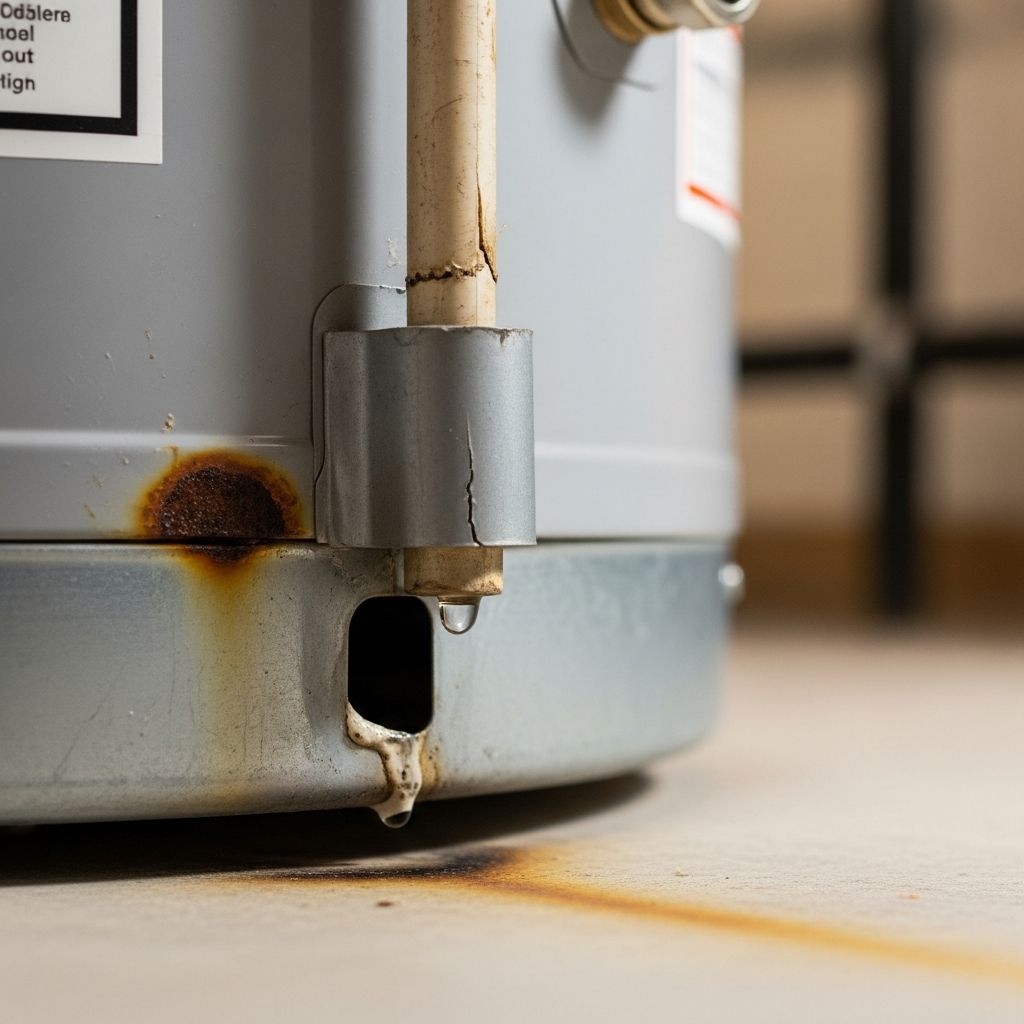
Recognizing Signs of Trouble in a Water Heater Before Failures Happen
A water heater rarely fails without sending you advance warning. Long before you wake up to a cold shower, a flooded utility room, or a safety hazard, your system will show subtle and not-so-subtle signs that something is going wrong. Learning to recognize these signals early allows you to plan repairs or replacement instead of reacting to a surprise emergency.
This guide explains the most common warning signs of water heater trouble, what each symptom usually means, the potential risks of ignoring them, and the basic checks you can safely perform before calling a professional.
Table of Contents
- How Water Heaters Typically Fail Over Time
- Age and Expected Lifespan of a Water Heater
- Warning Sign 1: Lukewarm, Inconsistent, or No Hot Water
- Warning Sign 2: Rusty, Discolored, or Gritty Hot Water
- Warning Sign 3: Foul Odors or Metallic Taste in Hot Water
- Warning Sign 4: Popping, Banging, or Rumbling Noises
- Warning Sign 5: Leaks, Moisture, or Corrosion Around the Tank
- Warning Sign 6: Fluctuating Water Pressure
- Warning Sign 7: Electrical or Gas-Related Problems
- Warning Sign 8: Problems with the Temperature and Pressure Relief Valve
- Warning Sign 9: Rising Energy Bills and Poor Efficiency
- Simple DIY Checks Before Calling a Professional
- Risks of Ignoring Early Warning Signs
- Prevention: Maintenance Habits to Extend Water Heater Life
- When to Repair and When to Replace Your Water Heater
- Conclusion
- Frequently Asked Questions (FAQs)
How Water Heaters Typically Fail Over Time
Both tank-style and tankless water heaters slowly wear out through a combination of heat, pressure, water chemistry, and mineral buildup. In traditional tank heaters, the steel tank is protected by an anode rod that corrodes instead of the tank. As the rod is consumed, the tank becomes more vulnerable to rust and leaks. Sediment from hard water settles at the bottom, forming an insulating layer that forces the heater to work harder and overheat.
Gas units rely on burners and vents; electric units use one or more heating elements and thermostats. Any of these components can weaken with age, leading to temperature problems, noises, or power issues long before the system completely fails.
Age and Expected Lifespan of a Water Heater
While age alone does not guarantee failure, it is an important context when you notice other warning signs.
- Typical tank-style water heater lifespan: about 8 to 12 years, depending on water quality and maintenance.
- Tankless water heater lifespan: often 15 to 20 years with proper care.
- Units nearing or past these ranges are more likely to show multiple symptoms at once, signaling the need to plan for replacement.
You can usually find the manufacture date on the rating plate or serial number label on the side of the unit. Knowing the age helps you decide how aggressively to address any problems you observe.
Warning Sign 1: Lukewarm, Inconsistent, or No Hot Water
Changes in water temperature are often the first symptoms homeowners notice when a water heater is in trouble.
Lukewarm or Inconsistent Temperatures
If your water is not getting as hot as it used to, or the temperature swings from hot to cool during a shower, several issues may be involved.
- A failing heating element or burner no longer heats water effectively.
- A faulty thermostat misreads water temperature and shuts off too early.
- Sediment buildup reduces the effective volume of the tank and insulates water from the heat source, causing slower heating.
- A damaged dip tube allows cold water to mix with hot water near the top of the tank, creating inconsistent temperatures.
Complete Loss of Hot Water
If you suddenly have no hot water at all, the problem is more urgent.
- Gas heaters may have a blown-out pilot light, gas valve failure, or burner issues.
- Electric heaters may have tripped breakers, failed heating elements, or wiring problems.
A total loss of hot water usually calls for prompt professional diagnosis, especially if you have already confirmed that the breaker and gas supply appear normal.
Warning Sign 2: Rusty, Discolored, or Gritty Hot Water
Changes in water appearance are some of the clearest indicators that internal corrosion or sediment buildup is becoming severe.
- Brown, orange, or reddish water often signals rust inside the tank or aging pipes.
- Cloudy water with visible sediment or grit points to heavy mineral and sediment accumulation.
- Discoloration present only in hot water, not cold, usually implicates the water heater rather than the main supply lines.
In many tank-type units, the anode rod sacrifices itself to protect the tank from rust. Once it is consumed, corrosion attacks the tank walls. At this stage, replacement is often more practical than repair, because internal tank rust usually cannot be reversed.
Warning Sign 3: Foul Odors or Metallic Taste in Hot Water
Unusual smells or tastes associated with hot water can be both unpleasant and revealing.
- A rotten egg or sulfur smell may result from a chemical reaction between the anode rod and naturally occurring bacteria in the water.
- A metallic or bitter taste may suggest mineral deposits, corrosion, or degrading metal components in the tank or hot water piping.
While some odor issues can be corrected by disinfecting the system or replacing the anode rod, persistent smells or tastes combined with other symptoms may indicate deeper corrosion problems.
Warning Sign 4: Popping, Banging, or Rumbling Noises
A healthy water heater does make some sound during operation, but loud or new noises are usually a red flag.
- Popping or crackling: Often caused by water trapped under layers of hardened sediment, suddenly boiling and bursting through.
- Rumbling or banging: Heavy sediment shifts and moves as water heats and expands, knocking against the tank.
- High-pitched whining: On electric models, mineral deposits on heating elements may cause unusual sounds as they overheat.
These noises are a warning that the tank has accumulated significant sediment. This insulation layer forces the burner or elements to run longer and hotter, accelerating wear, raising energy costs, and increasing the risk of overheating and premature tank failure.
Warning Sign 5: Leaks, Moisture, or Corrosion Around the Tank
Any water where it should not be deserves immediate attention.
- Puddles around the base of the heater may come from a cracked tank, loose fittings, or a leaking drain or temperature and pressure relief line.
- Moisture on the exterior surface may be condensation but can also signal small leaks.
- Visible rust streaks, corrosion around connections, or bulging areas of the tank indicate structural weakening.
Once a tank starts leaking due to internal corrosion, repair is rarely reliable. A failed tank can release a large volume of water quickly, potentially flooding nearby rooms and causing expensive damage. It is safer to arrange replacement as soon as a tank leak is confirmed.
Warning Sign 6: Fluctuating Water Pressure
Changes in water pressure on the hot side only can also signal problems within the heater.
- Declining hot water pressure may result from sediment buildup restricting flow inside the tank, blockages in valves, or mineral deposits in hot water lines.
- Sudden spikes in pressure can indicate thermostat or control problems causing overheating, or issues related to the temperature and pressure relief valve.
Low but stable pressure may simply be an annoyance, but unstable pressure combined with very hot water is a safety concern and should be investigated promptly.
Warning Sign 7: Electrical or Gas-Related Problems
Because water heaters combine heat, water, and either gas or electricity, any sign of trouble with their power source should be taken seriously.
For Electric Water Heaters
- Frequent tripping of the circuit breaker when the heater runs may mean a shorted heating element or faulty wiring.
- Burning smells, scorch marks on wiring, or warm electrical panels are urgent safety warnings.
For Gas Water Heaters
- A pilot light that will not stay lit can indicate a problem with the gas valve, thermocouple, or combustion air supply.
- Yellow or flickering flames, soot, or backdrafting exhaust are signs of poor combustion and potential carbon monoxide risk.
In all such cases, it is wise to shut off power or gas to the unit and contact a qualified technician. Do not attempt repairs on live gas or electrical components if you are not trained.
Warning Sign 8: Problems with the Temperature and Pressure Relief Valve
The temperature and pressure relief (TPR) valve is a vital safety device on tank-style heaters. It opens automatically to release water if temperature or pressure inside the tank becomes dangerously high.
- A constantly dripping TPR discharge pipe might indicate excessive pressure, overheating, or a failing valve.
- No water flow at all when properly testing the valve may mean it is stuck or blocked by mineral deposits and corrosion.
A malfunctioning TPR valve removes a critical safety margin. In extreme cases, unchecked pressure and overheating can cause the tank to rupture or violently fail. Any suspicion of TPR valve failure should be evaluated by a professional as soon as possible.
Warning Sign 9: Rising Energy Bills and Poor Efficiency
A water heater nearing the end of its service life often becomes noticeably less efficient.
- It takes longer than it used to for water to heat up.
- You run out of hot water more quickly, even with similar usage patterns.
- Your gas or electric bills rise without a change in household behavior.
Much of this inefficiency is due to sediment buildup, worn components, and aging insulation. While flushing and minor repairs can sometimes recover performance, a consistently inefficient older unit may be more economical to replace.
Simple DIY Checks Before Calling a Professional
There are several basic visual and functional checks most homeowners can safely perform. If at any point you feel unsure, stop and seek expert help.
- Inspect around the base of the heater for water, moisture, or rust streaks.
- Listen during a heating cycle for popping, rumbling, or banging sounds.
- Check the thermostat setting; many units recommend around 120 degrees Fahrenheit for safety and efficiency.
- Carefully test the TPR valve according to the manufacturer’s instructions, ensuring some water discharges and the valve reseats without continuous leaking.
- For electric units, confirm that the dedicated breaker is on and not repeatedly tripping.
- For gas units, observe the flame if safely visible; it should generally be steady and mostly blue.
These checks help you describe the problem more clearly to a technician and may reveal simple issues such as a mis-set thermostat or tripped breaker. Avoid opening electrical compartments, disassembling gas controls, or loosening sealed connections unless you are fully qualified to do so.
Risks of Ignoring Early Warning Signs
Overlooking or postponing action when you notice water heater trouble can turn a manageable repair into a major expense and risk.
| Ignored Warning Sign | Possible Consequences |
|---|---|
| Small leak around base of tank | Sudden tank rupture, flooding, damage to flooring, walls, and belongings |
| Persistent popping and rumbling noises | Accelerated wear, overheating, higher utility bills, premature failure |
| Rusty or discolored hot water | Internal corrosion, tank failure, staining of fixtures and laundry |
| Faulty TPR valve or extreme water temperature | Risk of scalding, excessive pressure, and in worst cases, explosive tank failure |
| Frequent electrical or gas control issues | Fire risk, electric shock, gas leaks, or carbon monoxide hazards |
Prevention: Maintenance Habits to Extend Water Heater Life
Regular maintenance reduces many of the conditions that lead to water heater failure and makes warning signs easier to spot.
- Drain and flush some or all of the water from the tank periodically to remove sediment, especially in areas with hard water.
- Inspect the anode rod according to manufacturer guidance; replacing it when worn can significantly extend tank life.
- Check the TPR valve annually to confirm proper operation and freedom from blockage.
- Keep the area around the heater clear of clutter, especially flammable materials near gas units.
- Schedule professional inspections if your heater is older, noisy, or showing any of the warning signs discussed earlier.
These preventive steps are relatively simple compared with the disruption of a failed heater, major water damage, or a safety incident.
When to Repair and When to Replace Your Water Heater
Deciding whether to repair or replace a troubled water heater depends on age, condition, and the nature of the problem.
- Repair may be practical when the unit is relatively young, the tank is sound, and the issue is limited to replaceable parts such as thermostats, heating elements, gas valves, or the anode rod.
- Replacement is usually recommended if the tank is leaking, heavily corroded, very noisy despite flushing, or older than its expected service life and needing frequent repairs.
In many cases, the cost of repeated service calls and higher energy use on an aging unit approaches or exceeds the investment in a new, more efficient heater. Factoring in safety, reliability, and running costs helps determine the most sensible long-term choice.
Conclusion
A water heater almost never fails without warning. Small but persistent changes such as lukewarm water, strange noises, discolored hot water, or a damp area around the tank are all early indicators that something inside the heater is no longer working as it should.
By understanding what these warning signs mean and paying attention to how your system sounds, looks, and performs, you can move from reacting to breakdowns toward planning thoughtful repairs or timely replacement. Considering the age of the unit, the severity of the symptoms, and the potential safety risks helps you make a calm, informed decision instead of an urgent one made during a cold shower or a household flood.
Informed observation, backed by basic maintenance and professional help when needed, is the most reliable way to keep your water heater operating safely and to catch trouble long before true failure happens.
Frequently Asked Questions (FAQs)
How often should I flush my water heater to prevent problems?
Many manufacturers recommend flushing a tank-style water heater at least once a year, and more frequently in areas with hard water. Regular flushing helps remove sediment that causes noise, inefficiency, and overheating.
Is it dangerous if my water heater makes loud popping noises?
Loud popping or rumbling is usually caused by trapped water boiling under sediment. While the heater may still operate, this condition stresses the tank, wastes energy, and can shorten its life. It is not an emergency by itself but should be addressed with maintenance or professional inspection.
What should I do if I see water around the base of the heater?
First, try to determine whether the water comes from condensation, nearby plumbing, or the heater itself. If the leak appears to come from the tank or its fittings, shutting off power or gas and the water supply to the heater, then contacting a professional promptly, is the safest approach.
Can a failing water heater really explode?
Catastrophic tank failures are rare but possible, especially if pressure builds and the temperature and pressure relief valve is not functioning correctly. Maintaining a working TPR valve and addressing overheating or unusual pressure issues greatly reduces this risk.
How do I know if my water heater is simply too old to keep repairing?
If your heater is near or beyond its typical life expectancy, has visible corrosion or a history of leaks, and needs increasingly frequent repairs, it is usually more sensible to plan for replacement rather than continuing to invest in short-term fixes.
Similar Articles






Read full bio of Sneha Tete