How to Remove Old or Set-In Carpet Stains with Advanced Cleaning Techniques
Learn expert-level, advanced carpet cleaning methods to lift old, set-in stains, restore fibers, and prevent reappearing spots.
How to Remove Old or Set-In Stains with Advanced Carpet Cleaning Techniques
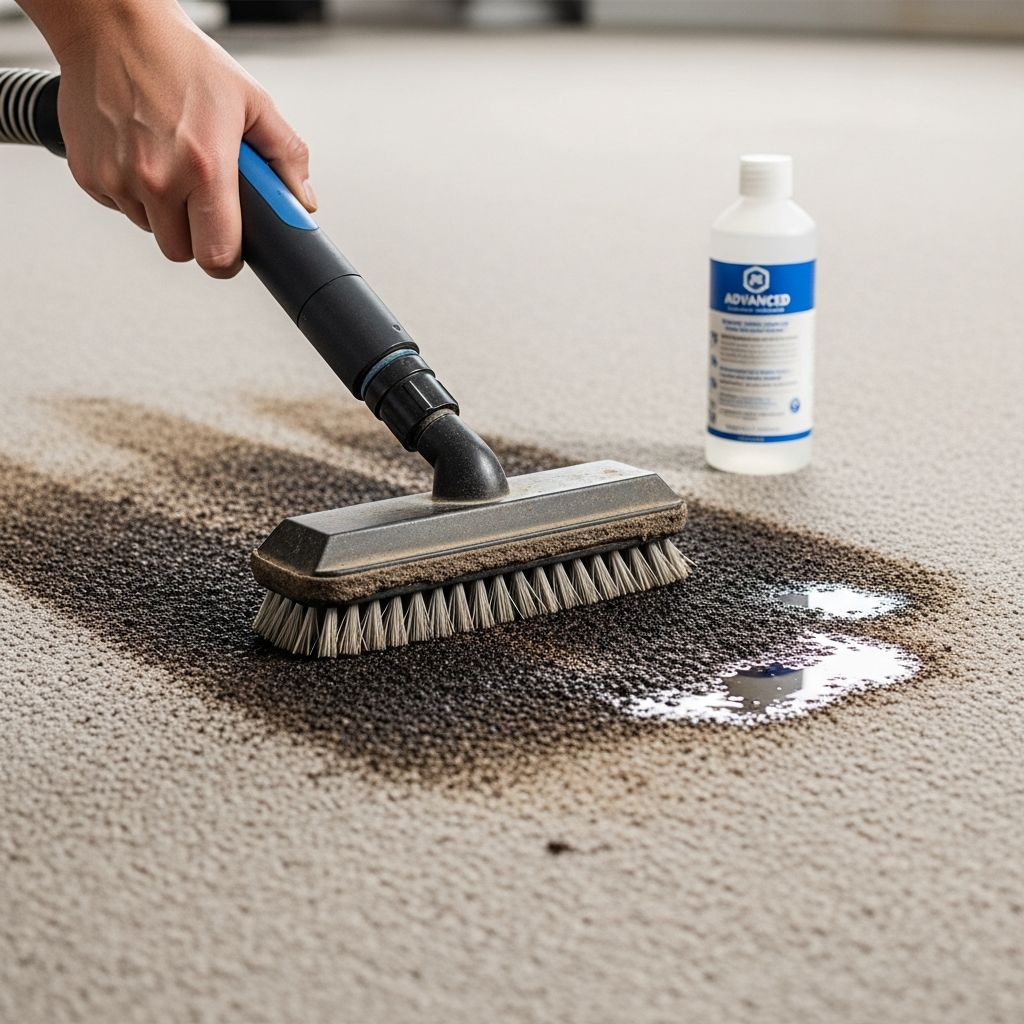
Old or set-in stains are among the toughest carpet problems homeowners face. Once liquids or soils have dried and bonded to carpet fibers, simple soap-and-water or basic spot removers rarely work. Advanced carpet cleaning techniques, however, can break down these stubborn residues, lift them from deep within the pile, and restore both appearance and hygiene when used correctly.
Table of Contents
- Understanding Old and Set-In Carpet Stains
- Initial Assessment and Preparation
- Core Principles of Advanced Stain Removal
- DIY Advanced Techniques for Old Stains
- Machine-Based Deep Cleaning Methods
- Preventing and Fixing Reappearing Stains
- Stain-Specific Advanced Strategies
- Safety, Carpet Protection, and When to Call a Pro
- Frequently Asked Questions (FAQs)
- Conclusion
Understanding Old and Set-In Carpet Stains
Old or set-in stains are marks that have remained on the carpet long enough for the spilled substance to dry, oxidize, or bond with the fibers and backing. Over time, soil can migrate deeper into the pile and pad, making them more difficult to remove.
Common examples include:
- Dried coffee, tea, or red wine rings
- Old pet urine spots with lingering odor and discoloration
- Grease or oil that has darkened traffic areas
- Dried mud or tracked-in soil embedded near entrances
- Reappearing stains that return after normal cleaning
These stains often require multi-step, advanced approaches because:
- The staining agents have penetrated backing and sometimes padding.
- They may have chemically changed (oxidized, set by heat, or reacted with previous cleaners).
- Residual detergent from earlier attempts can attract new soil, making stains appear worse.
Initial Assessment and Preparation
Before using advanced carpet cleaning techniques, a short assessment helps you choose the right methods and avoid damage.
1. Identify Carpet Fiber Type
The fiber determines how much heat, moisture, and chemistry the carpet can tolerate.
- Nylon: Durable and responds well to hot water extraction and many stain removers.
- Polyester/olefin: Resists water-based stains but can hold oily soils; may need stronger degreasers.
- Wool: Natural, more sensitive to high pH cleaners and high heat; needs gentle, wool-safe products.
2. Identify the Stain Category
Even if the exact spill is unknown, grouping it by type helps you select the right chemistry:
| Stain Category | Examples | Typical Advanced Approach |
|---|---|---|
| Water-soluble | Coffee, tea, soda, latex paint | Rinse, neutral detergent, sometimes oxidizers |
| Oil/grease-based | Cooking oil, makeup, motor oil | Solvent-based spotter or enzyme degreaser |
| Protein-based | Blood, milk, egg, pet urine | Enzyme cleaners, cool water, controlled heat |
| Dye-based/tannin | Wine, juice, coffee, tea | Specialty tannin removers, hydrogen peroxide blends |
3. Essential Preparation Steps
- Vacuum thoroughly: Remove dry soil first to keep it from turning into mud and embedding further.
- Test cleaners: Always test any advanced solution on an inconspicuous spot for colorfastness.
- Gather tools: White lint-free towels, a soft brush, a wet/dry vacuum or carpet extractor if available, spray bottles, and protective gloves.
Core Principles of Advanced Stain Removal
Expert carpet cleaners rely on a few core principles that dramatically increase success with old or set-in stains.
Blot, Do Not Scrub
Rubbing can distort fibers and push stains deeper. Blotting leverages capillary action to pull the stain upward while preserving the pile shape. Professional organizations emphasize blotting as a best practice for all carpet stain work.
Use the Right Chemistry
- Mild detergent solutions for general water-soluble stains.
- Enzyme-based cleaners for protein and pet stains, which break down organic residues at a molecular level.
- Oxidizing agents such as dilute hydrogen peroxide blends for dye-based discoloration on light carpets.
- Solvent or dry cleaning spotters for oily and greasy stains, applied sparingly and ventilated well.
Control Moisture and Drying
When targeting old stains, it is easy to over-wet the carpet. Excess moisture can cause:
- Wicking, where stains reappear as soil from the backing rises to the surface.
- Extended drying times that risk mold, mildew, or odor.
- Damage to the backing or wood subfloors.
Advanced techniques always pair cleaning with effective extraction and airflow to speed drying.
DIY Advanced Techniques for Old Stains
The following methods go beyond simple spot cleaning and are suitable for many old, set-in stains when done carefully.
1. Deep Blotting and Detergent Flush
This method is a foundational step for many old water-soluble stains.
- Lightly dampen the area with warm water to rehydrate the stain without soaking the backing.
- Apply a solution of mild dish detergent and warm water using a spray bottle.
- Allow a 5–10 minute dwell time so the solution can penetrate and loosen the soil.
- Blot with a clean white towel, working from the outer edge toward the center.
- Rinse by lightly spraying plain water and blotting again to remove detergent residues.
- Place dry towels over the damp area and weight them with a heavy object to pull out remaining moisture.
2. Baking Soda and Vinegar Reaction for Deep Residues
A popular, more advanced household method for old or odorous stains uses a controlled chemical reaction.
- Sprinkle a thin, even layer of baking soda over the stained area.
- Mix equal parts white vinegar and water in a spray bottle.
- Spray the solution over the baking soda. It will fizz as it reacts and helps lift residues.
- Let the mixture sit until completely dry. This may take several hours.
- Vacuum thoroughly to remove dried powder and loosened soil.
This technique is especially useful for older stains with embedded odors or light organic residues.
3. Enzyme-Based Treatment for Old Pet and Protein Stains
For old pet urine, vomit, milk, or other protein-based stains, standard cleaners often fail because dried proteins bind strongly to fibers. Enzyme cleaners digest these residues.
- Blot any remaining surface residue, then lightly pre-dampen the area with cool water.
- Apply an enzyme-based carpet or pet stain remover generously, following product directions.
- Allow ample dwell time, often 10–30 minutes, or longer for severe old stains.
- Blot thoroughly and, if possible, use a wet/dry vacuum to extract moisture from deeper in the pile.
- Repeat if necessary, then allow to fully dry and re-assess both stain visibility and odor.
4. Controlled Oxidation for Light-Colored Carpets
Dye-based stains like coffee, tea, and red wine can leave yellow or brown shadows even after basic cleaning. On light, colorfast carpets, carefully used oxidizers may help.
- Use a low-strength hydrogen peroxide-based carpet spotter designed for fabrics.
- Test an inconspicuous area first to ensure no bleaching of carpet dye.
- Apply sparingly to the stain and allow it to work according to product directions.
- Blot and, if recommended, rinse and extract.
Always keep oxidation under control; overuse can weaken fibers or lighten surrounding areas.
5. Targeted Solvent Treatment for Old Grease and Oil
Old oily spots often attract dust and darken high-traffic lanes. Solvent-based stain removers or dry-spotters can break the bond between oil and fiber.
- Apply a small amount of solvent cleaner or a dry-solvent spotter directly to the stained fibers.
- Blot immediately with a white towel; do not over-saturate.
- Once the oil is loosened and removed, follow with a mild detergent rinse and blot again.
- Ensure good ventilation when using any solvent product.
Machine-Based Deep Cleaning Methods
Some old or widespread stains penetrate beyond what manual blotting can reach. In these cases, machine-based cleaning provides the depth and flushing action needed.
1. Hot Water Extraction (Steam Cleaning)
Hot water extraction, often called steam cleaning, is a top professional method for deep-set stains. A machine injects hot water and cleaning solution deep into the carpet, then immediately extracts the solution along with dissolved soil.
- Advantages: Reaches into padding and backing, removes embedded dirt and allergens, and is effective on many old stains.
- Best uses: Large stained areas, traffic lanes, or carpets with multiple old spots.
- Tips for DIY machines: Use recommended solutions, make multiple vacuum-only passes after wet passes, and avoid over-wetting.
2. Portable Carpet Spotting Machines
Compact spot extractors or consumer carpet machines are useful for localized old stains.
- Pre-treat with an appropriate spotter (enzyme, detergent, oxidizer, or solvent, as needed).
- Allow dwell time, then use the machine to inject clean water and extract the solution and loosened soil.
- Repeat cycles until the extracted water appears clearer.
3. Dry Extraction Compounds
Dry extraction compounds (often powder-based) offer a low-moisture option, helpful for reappearing stains or moisture-sensitive carpets.
- Lightly spread the compound over the stained area.
- Gently massage or brush it into the fibers so it can absorb staining materials.
- Let it sit for 30–60 minutes, or as directed.
- Vacuum thoroughly to remove both the compound and absorbed soil.
This method is particularly useful when repeated wet cleaning has failed or when you want to minimize drying time.
4. Encapsulation Cleaning (Often Professional)
Encapsulation uses a special detergent that surrounds soil particles and dries into crystals. Once dry, normal vacuuming removes the encapsulated soil.
- Strengths: Effective for high-traffic areas and commercial carpet; quick drying times.
- Limitations: Usually part of professional maintenance systems, best for surface and moderate soil rather than severe pet urine or heavy grease.
Preventing and Fixing Reappearing Stains
Reappearing or wicking stains are common with old spills that soaked deeply. After surface cleaning, remaining residue in the backing or pad can migrate back to the surface as the carpet dries.
Why Stains Reappear
- Original spill penetrated into pad or subfloor.
- Cleaning added moisture without fully extracting it.
- Detergent residues attracted fresh soil.
Advanced Approaches to Stop Wicking
- Weighted blotting: After cleaning, place a stack of white towels over the area, add a heavy object, and leave for several hours to pull up deep moisture and residue.
- Targeted deep extraction: Use a spot extractor or wet/dry vacuum to pull moisture from the base of the fibers after treatment.
- Dry extraction compounds: Apply powder-type products that absorb soil and then vacuum thoroughly.
Stain-Specific Advanced Strategies
While general techniques work for many old stains, certain spill types benefit from more customized approaches.
Old Coffee and Tea Stains
- Flush with warm water and mild detergent, then blot.
- If a brown shadow remains, use a tannin or coffee-specific stain remover or a low-strength oxidizing cleaner safe for carpet.
- Rinse, extract thoroughly, and dry quickly.
Old Red Wine Stains
- Dampen the area and apply a mixture of hydrogen peroxide and a few drops of dish soap on light, colorfast carpets.
- Allow dwell time, then blot and rinse.
- For very stubborn stains, professional wine removal products or in-home expert treatment may be needed.
Old Pet Urine Stains and Odors
- Use enzyme-based cleaners designed for pet urine to break down uric acid and proteins.
- Consider multiple applications with extended dwell time for old spots.
- In severe cases where urine has soaked into the pad and subfloor, professional remediation or pad replacement may be the only complete solution.
Old Grease and Oil Spots
- Begin with a dry solvent or specialty grease remover applied sparingly.
- Blot thoroughly, then follow with a detergent rinse and extraction to remove residues.
- Repeat cycles rather than using large amounts of solvent at once.
Ink and Pigmented Stains
- Apply isopropyl rubbing alcohol to a white towel and gently blot the ink, transferring color from carpet to cloth.
- Avoid pouring alcohol directly onto the carpet; this helps control spread.
- Follow with a mild detergent rinse and thorough blotting or extraction.
Safety, Carpet Protection, and When to Call a Pro
Advanced stain removal often involves strong chemistry and more aggressive techniques. Protecting your health and your carpet is essential.
Safety Tips
- Wear gloves when handling chemical stain removers or solvents.
- Keep the area well ventilated, especially when using ammonia, peroxide blends, or solvent-based products.
- Never mix cleaners such as bleach and ammonia; dangerous fumes can result.
Protecting Carpet Integrity
- Always test in a hidden area before full application.
- Avoid high-pH or harsh chemicals on wool or delicate fibers.
- Limit heat and aggressive brushing, which can distort or fray pile.
- Rinse out detergents thoroughly so they do not attract future soil.
When Professional Help Is Recommended
- Large areas affected by old stains or heavy traffic lanes.
- Persistent pet urine odor despite enzyme treatments.
- Delicate or expensive carpets such as wool, silk blends, or custom rugs.
- Reappearing stains that have not responded to careful DIY deep cleaning.
Professionals bring industrial-grade hot water extraction machines, encapsulation systems, advanced spotting agents, and the experience to select the right method for each stain.
Frequently Asked Questions (FAQs)
Can old carpet stains really be removed completely?
Many old stains can be significantly lightened or fully removed with the right combination of chemistry, agitation, and extraction. However, if a spill has permanently discolored the fibers or damaged the backing, complete restoration may not be possible and patching or replacement may be required.
How many times can I treat the same old stain?
Multiple gentle treatments are usually better than one aggressive attempt. As long as you avoid harsh scrubbing, over-wetting, and untested strong chemicals, repeating a safe process two or three times is common for stubborn old stains.
Is steam cleaning safe for all carpets with old stains?
Hot water extraction is safe for most synthetic carpets when properly done, but may not be suitable for some natural fibers like wool without specialized products and settings. Always check manufacturer guidelines or consult a professional for delicate materials.
Why do stains smell worse after I start cleaning them?
Rehydrating old spills, especially pet urine or organic matter, can temporarily release trapped odors. Effective enzyme or oxidizing treatments followed by thorough extraction and drying typically resolve the smell as the residues are broken down and removed.
How can I prevent future stains from setting in?
Act quickly on spills, blot instead of scrubbing, use appropriate cleaners, and rinse and dry thoroughly. Regular vacuuming and periodic professional cleaning remove embedded soil that can bond with new spills and become permanent stains.
Conclusion
Removing old or set-in carpet stains requires more than basic spot cleaning. By understanding stain types, respecting the limitations of your carpet fibers, and using advanced techniques such as enzyme treatments, controlled oxidation, dry extraction compounds, and hot water extraction, you can dramatically improve the appearance of even long-standing problem areas.
The most effective strategies balance the right chemistry with careful moisture control and thorough extraction, minimizing both damage and the risk of reappearing stains. For severe contamination, delicate fibers, or stains that persist despite careful effort, professional carpet cleaning provides additional tools and expertise that can extend the life and appearance of your flooring.
Thoughtful stain assessment, methodical treatment, and attention to drying and residue removal are the key elements that turn advanced carpet cleaning techniques into reliable solutions for old, set-in stains.
Similar Articles




Read full bio of medha deb