Key Signs Your Air Purifier Is Not Working Effectively At Home
Learn the clearest warning signs that your air purifier is underperforming and how to restore clean indoor air quickly and safely.
Introduction
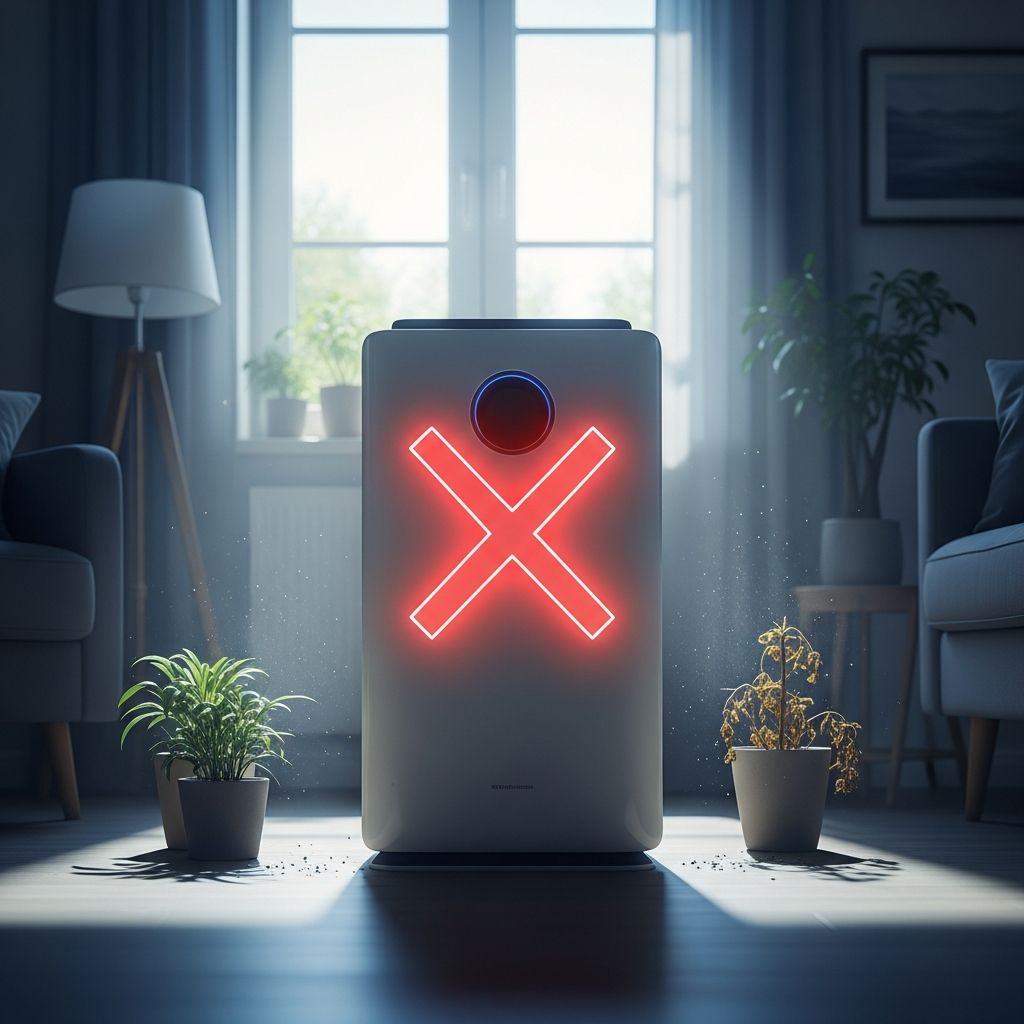
Air purifiers are designed to quietly remove dust, allergens, smoke, and odors so you can breathe cleaner indoor air. But over time, filters clog, components wear out, or the unit may be used incorrectly, all of which can make it far less effective than you expect.
Recognizing the early signs that your air purifier is not working effectively helps you protect your health, avoid wasted electricity, and decide whether to clean, repair, or replace the device.
Table of Contents
- Visible Signs Your Air Purifier Is Not Cleaning the Air
- Health and Comfort Symptoms You May Notice
- Changes in Sound, Smell, and Airflow
- Common Technical Reasons Your Purifier Underperforms
- Room Size, Placement, and Usage Problems
- Simple Ways to Test If Your Air Purifier Is Working
- When to Repair and When to Replace Your Air Purifier
- Prevention Tips to Keep Your Purifier Effective
- Frequently Asked Questions (FAQs)
- Conclusion
Visible Signs Your Air Purifier Is Not Cleaning the Air
Certain visible clues around your home strongly suggest your air purifier is not capturing particles the way it should.
1. Dust Builds Up Quickly on Surfaces
One of the most obvious signs of poor performance is that dust settles on furniture, electronics, and shelves soon after cleaning. A working purifier should noticeably slow the rate of dust buildup.
- Fine dust appears on tables and screens within a day or two of cleaning.
- HVAC vents and nearby grilles collect dust and debris.
- Dust patterns do not improve even when the purifier runs for many hours.
2. Filters Look Clean When They Should Be Dirty
An effective purifier pulls particles onto its filters, so filters gradually darken or discolor. If they remain almost spotless after weeks or months of use, that can indicate poor air movement or filtration.
- Filter service indicator never changes or stays in the “new” zone even after long use.
- Pre-filters show no lint, hair, or visible dust.
- HEPA or main filters look nearly as white as when first installed.
In contrast, if filters are excessively dirty very quickly, that can show the purifier is working but placed in a highly polluted area, and they may be overdue for replacement or cleaning.
3. Vents and Grilles Are Dirty While Filters Stay Clean
If supply vents or the purifier’s exhaust grille are dusty but the internal filter is not, particles may be bypassing the filter or the filter is not seated correctly.
- Dust accumulates at the purifier’s outlet vents.
- There are visible gaps around the filter frame.
- Filters are misaligned, damaged, or not locked in place.
Health and Comfort Symptoms You May Notice
Beyond visible dust, how you feel indoors can reveal whether the purifier is doing its job.
4. Allergy and Asthma Symptoms Worsen Indoors
Working air purifiers often reduce allergy, asthma, and respiratory symptoms by lowering airborne allergens and irritants. If the opposite happens, it may be underperforming.
- More sneezing, congestion, or itchy eyes at home than outdoors.
- Increased asthma flare-ups or need for rescue medication when inside.
- Headaches or throat irritation that ease when leaving the house.
5. Odors Linger Far Longer Than They Should
Persistent odors indicate that gasses and odor-causing particles are not being removed effectively, especially if you have a carbon or other gas-phase filter installed.
- Cooking smells linger for hours or days.
- Pet or litter box odors are noticeable even near a running purifier.
- Smoke, musty, or chemical smells remain despite regular use.
6. Indoor Air Feels Stale or Irritating
Even without a strong odor, you might notice that the air feels heavy or stale, or that occupants complain of general discomfort.
- Dry or scratchy throat after spending time in the room.
- General feeling of low air freshness even with the purifier on.
- More frequent dust-induced coughing or irritation.
Changes in Sound, Smell, and Airflow
Mechanical and airflow changes are powerful clues about a purifier’s condition.
7. Unusual Noises or Sudden Increase in Sound
Most air purifiers produce a consistent, low fan noise in normal operation. Changes in sound can reveal clogs or mechanical wear.
- Loud humming, buzzing, grinding, or rattling sounds.
- Fan running harder or louder than usual, especially at the same setting.
- Noise that starts suddenly after a filter should have been changed.
Loud, unusual noises may indicate bearing problems, unbalanced fans, or a motor straining against a clogged filter, all of which can reduce effectiveness and may justify repair or replacement.
8. Weak or Inconsistent Airflow
Healthy air circulation is essential for effective purification. If little air seems to move through the unit, it cannot filter properly.
- Very weak airflow at the outlet even on high speed.
- Airflow that starts strong then drops sharply after a short time.
- Signs of blocked intake, such as filters covered in debris or objects pressed against the inlet.
9. Strange or Harsh Smells Coming From the Purifier
A purifier should not produce strong chemical or burning odors. These smells may point to overheating components, off-gassing plastic, or ozone generation in some models.
- Electrical or burning smell when the unit runs.
- Sharp, chlorine-like scent potentially indicating ozone from certain technologies.
- Moldy or musty smell coming directly from the purifier, suggesting internal contamination.
Common Technical Reasons Your Purifier Underperforms
Several technical or design-related issues can cause your air purifier to run without actually cleaning effectively.
10. Clogged or Dirty Filters
By far the most common cause of poor performance is neglected filter maintenance. Clogged filters block airflow and reduce filtration efficiency.
- Filter change schedule has not been followed.
- Pre-filters are covered in pet hair, lint, and dust.
- HEPA or main filters are dark gray or black and visibly overloaded.
Replacing or cleaning filters according to the manufacturer’s instructions typically restores much of the lost performance.
11. Filter Indicator Lights Ignored or Malfunctioning
Many purifiers use service indicator lights to show when filters are nearing the end of their life.
| Indicator Behavior | What It May Mean |
|---|---|
| Light turns red or flashes | Filter likely needs cleaning or replacement. |
| Light never changes over months of use | Indicator may be faulty or not reset after last filter change. |
| Light stays on even after new filter | Reset process not completed or internal sensor issue. |
Always reset filter indicators as directed after installing a new filter and contact support if the light behaves abnormally.
12. Low-Quality or Incompatible Filters
Using non-genuine or incorrect filters can reduce purification efficiency or allow air to bypass the filtration media entirely.
- Thin, loosely fitting filters that do not match the original design.
- Aftermarket filters without proper seals around the edges.
- Carbon filters so light or sparse they provide minimal odor control.
13. Power Problems and Control Errors
Sometimes, the purifier simply is not receiving steady power or is not set correctly.
- Unit turns off unexpectedly or fails to start, indicating possible power or internal faults.
- Run mode or fan speed set incorrectly (for example, sleep mode when stronger cleaning is needed).
- Timer settings switch the purifier off earlier than intended.
Room Size, Placement, and Usage Problems
Even a perfectly functioning air purifier can perform poorly if it is used in the wrong way or in the wrong environment.
14. Purifier Too Small for the Room
Each air purifier is designed for a certain maximum room size or Clean Air Delivery Rate (CADR). Using an undersized unit in a large room greatly limits effectiveness.
- Room area exceeds the purifier’s rated coverage.
- Air quality does not improve even when filters and settings are correct.
- Dust and odors persist, especially in corners and distant areas of the room.
15. Incorrect Placement and Blocked Airflow
Placement near obstacles or tight corners can trap airflow, preventing the device from circulating air through the entire space.
- Purifier placed flush against a wall, under heavy furniture, or behind curtains.
- Objects placed on top of the unit blocking exhaust vents.
- Intake grilles located too close to walls or corners where air is stagnant.
16. Running on Too Low a Setting
Very low fan speeds may be too weak to handle serious pollution, especially during allergy season, cooking, or wildfire smoke events.
- Purifier kept on low or sleep mode all day while windows are open and pollutants enter.
- No temporary increase to higher settings when pollution spikes.
- Air remains stuffy even though the unit is technically on.
17. Poor General Room Conditions
Certain conditions make purification difficult, even with a good device.
- Windows and doors left open, constantly introducing outdoor pollutants.
- Heavy, continuous pollution sources such as indoor smoking or frequent high-heat cooking.
- Uncontrolled humidity that can promote mold and odor issues.
Simple Ways to Test If Your Air Purifier Is Working
Besides noticing signs and symptoms, you can use basic checks and tools to confirm performance.
Basic At-Home Checks
- Hand test for airflow: Place your hand near the outlet to feel for a steady stream of air at each fan speed.
- Visual filter check: Open the unit (after unplugging it) and inspect pre-filters and HEPA filters for dust accumulation and physical damage.
- Noise comparison: Listen for major changes in sound level compared to when the purifier was new.
- Odor reduction test: Introduce a mild, localized odor (for example, cooking) and note how quickly it fades with the purifier on higher speed.
Using Air Quality Meters and Professional Tests
For more objective data, consider measurement tools.
- Consumer air quality monitors: Compare particle or VOC readings with the purifier off versus running on high for a set period.
- Purifiers with built-in sensors: Use on-board air quality indicators to see if readings improve over time.
- Professional indoor air quality testing: HVAC or IAQ specialists can measure pollutants and assess whether your current system is adequate.
When to Repair and When to Replace Your Air Purifier
Once you confirm that the purifier is not working effectively, you need to decide whether to repair it or invest in a new unit.
When Repair May Be Enough
- Issues clearly related to dirty or old filters that have not been replaced on schedule.
- Blocked intake or exhaust grilles caused by dust, pet hair, or furniture placement.
- Incorrect settings, timer problems, or a filter indicator that just needs resetting.
Many of these problems can be solved with routine maintenance, a thorough cleaning, and correct operation.
When Replacement Is More Practical
- Purifier is more than a decade old and begins making unusual humming or buzzing sounds.
- Major internal components such as the fan motor fail or overheat.
- The unit consumes excessive electricity without noticeably improving air quality.
- Your home’s room sizes or air quality needs have changed, making the current unit undersized or outdated.
Prevention Tips to Keep Your Purifier Effective
Consistent habits help you avoid most performance issues and extend the life of your air purifier.
- Follow the manufacturer’s schedule for filter replacement or cleaning.
- Use genuine or high-quality compatible filters designed for your model.
- Place the purifier where airflow is open on all sides, away from tight corners or obstructions.
- Match the purifier’s capacity (CADR and coverage area) to the size of the room.
- Increase fan speed during heavy pollution events and then lower it for maintenance mode.
- Keep windows and doors closed as much as practical when you expect the purifier to control indoor pollutants.
- Schedule occasional professional indoor air quality evaluations if you have ongoing respiratory issues.
Frequently Asked Questions (FAQs)
Q1: How long should it take to notice cleaner air from a working purifier?
In a properly sized room, many purifiers can noticeably reduce dust and odors within a few hours on a higher fan setting, though full improvement may take several air changes over multiple hours.
Q2: Can a purifier make air quality worse?
Most mechanical HEPA purifiers do not worsen air quality, but neglected units with moldy filters or certain technologies that emit ozone can create new problems if not maintained or selected carefully.
Q3: How often should I replace my air purifier filters?
Typical replacement frequency ranges from every 3 to 12 months depending on filter type, model, and pollution levels, but you should always follow the specific schedule in your manual and any filter service indicators on the device.
Q4: Is one purifier enough for my whole house?
Many portable purifiers are designed for a single room, not an entire home. For multiple rooms or large open-plan spaces, you may need several units or a whole-house air purification system integrated with your HVAC.
Q5: Does running the purifier 24/7 damage it?
Most residential air purifiers are built for continuous operation, and running them consistently can actually improve overall air quality; just ensure filters are changed regularly and vents stay unobstructed.
Conclusion
Subtle clues like faster dust buildup, lingering odors, worsening allergy symptoms, and unusual fan noise are often the first signs that your air purifier is no longer working effectively. Checking filter condition, airflow strength, and room suitability helps you pinpoint whether the problem lies with maintenance, placement, or the unit itself.
By comparing how your home looks, smells, and feels with and without the purifier running, and by using indicators or simple air quality tools, you can verify whether it is delivering the clean air you expect. When cleaning, filter changes, and setting adjustments do not restore performance, it may be more efficient and healthier to replace an aging or undersized unit with one matched to your current indoor environment.
Paying steady attention to these signs and addressing issues promptly allows your air purifier to remain a reliable part of a broader strategy for maintaining healthy, comfortable indoor air.
Similar Articles




Read full bio of Sneha Tete