
Strange Noises From a Water Heater: Popping, Rumbling, and Hissing Explained
Understand popping, rumbling, and hissing water heater noises so you can separate normal sounds from warning signs of damage or failure.
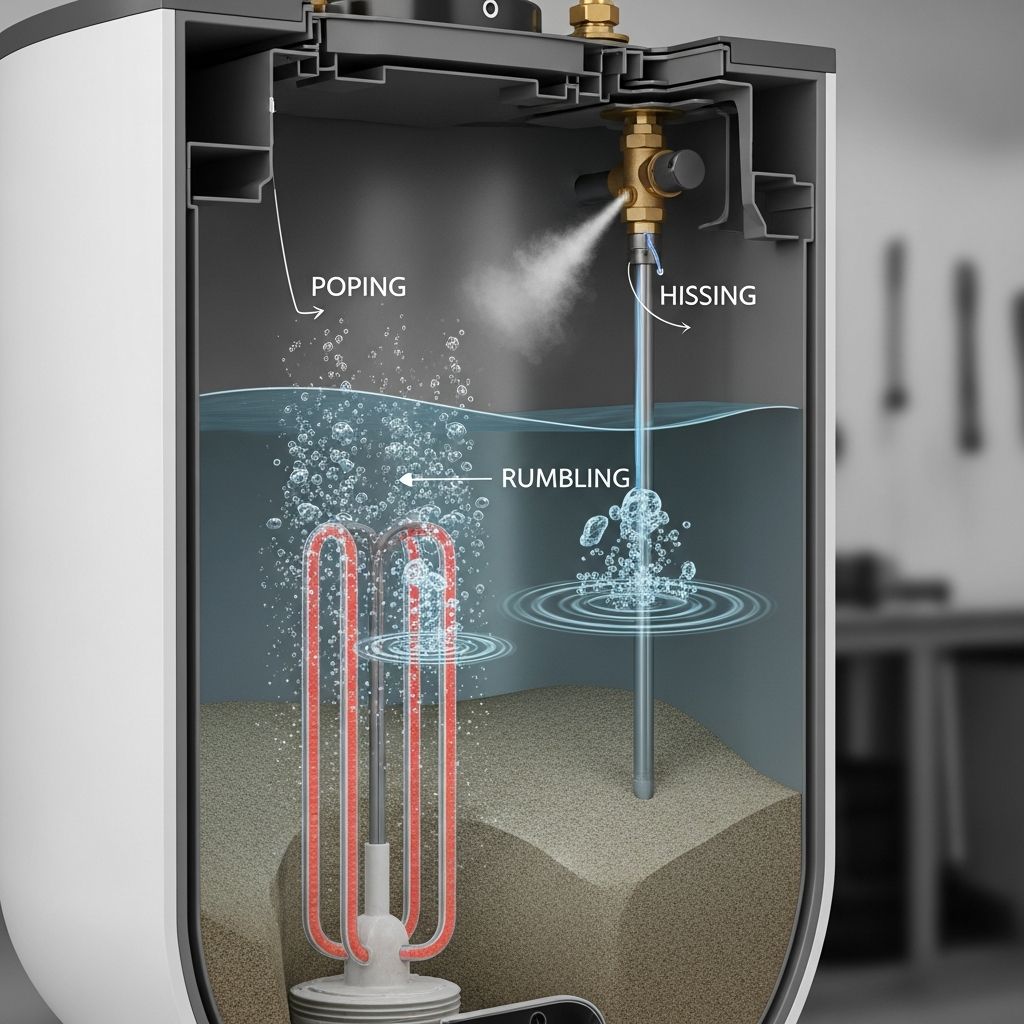
Strange noises from a water heater can be unsettling, especially when they sound like popping, rumbling, or hissing inside the tank. While some sounds are harmless side effects of heating water, others warn of sediment buildup, leaks, or pressure issues that can shorten the unit’s life or create safety risks.
This guide explains what the most common water heater noises mean, what typically causes them, and how to decide whether basic maintenance or professional repair is needed.
Table of Contents
- Why Water Heaters Make Noise
- Popping Noises: Boiling and Sediment Buildup
- Rumbling Noises: Heavy Sediment and Aging Tanks
- Hissing and Sizzling: Leaks and Heating Elements
- Other Common Water Heater Sounds
- Step-by-Step: Diagnosing Strange Noises Safely
- Preventing Noisy Water Heater Problems
- When Noise Means It Is Time to Replace the Heater
- Frequently Asked Questions (FAQs)
- Conclusion
Why Water Heaters Make Noise
Every storage-tank water heater heats cold water, releases air, and expands and contracts metal components, so some level of noise is normal. However, persistent or very loud sounds often point to specific problems.
Typical reasons for noise in a water heater
- Sediment and mineral buildup at the bottom of the tank or on heating elements, especially in hard-water areas.
- Water boiling beneath sediment, creating steam bubbles that burst and cause popping or rumbling.
- Loose or vibrating parts, such as heating elements or internal components, causing humming or rattling.
- Water pressure changes or restrictions in valves, leading to banging, screeching, or whistling.
- Moisture or leaks contacting hot components and producing hissing or sizzling sounds.
Understanding which sound you hear is the first step toward identifying the cause and the safest response.
Popping Noises: Boiling and Sediment Buildup
A popping noise is one of the most common complaints from homeowners with storage-tank water heaters. It often sounds like a pot of water boiling or small fireworks inside the tank.
What popping usually means
Most experts link persistent popping to sediment buildup at the bottom of the tank. As water is heated, steam bubbles become trapped under this layer of mineral deposits and then suddenly escape, producing a popping or crackling sound.
| Noise Type | Common Cause | Typical Severity |
|---|---|---|
| Popping | Sediment and mineral buildup trapping steam bubbles. | Moderate; often a maintenance issue, but can shorten tank life. |
| Light cracking | Condensation dripping on gas burner; sometimes normal. | Low to moderate; monitor for excess moisture or leaks. |
Risks of ignoring popping noises
- Reduced efficiency because the burner or element must heat through a layer of sediment.
- Higher energy bills due to longer heating cycles.
- Increased stress on the tank, which can accelerate corrosion and tank failure over time.
What to do about popping noises
- Schedule a tank flush: A professional plumber can drain and flush the tank to remove built-up sediment through the drain valve.
- Consider water treatment: In hard-water regions, a water softener or filtration system can reduce mineral buildup that contributes to popping.
- Inspect the anode rod: Replacing a worn anode rod can slow down rust and sediment formation inside the tank.
Occasional light popping right after installation or after the heater has been off for a while may not be serious. Persistent, loud popping is a signal that maintenance is overdue.
Rumbling Noises: Heavy Sediment and Aging Tanks
Rumbling sounds can resemble gravel shifting inside the tank or a low, rolling thunder when the burner or elements are heating.
Why rumbling happens
Rumbling typically indicates that sediment buildup has become more severe and is disrupting the movement of hot water in the tank.
- As water heats, it expands and pushes through the layer of sediment, creating vibrations and rumbling noises.
- These mini “explosions” of water moving past sediment can become louder as buildup grows thicker.
Signs this is a rumbling-sediment issue
- Noise is most noticeable while the burner or elements are actively heating.
- Hot water may not last as long as it used to, indicating reduced tank capacity due to sediment.
- You may see cloudy water or mineral flakes from hot taps, suggesting high mineral content.
How to respond to rumbling noises
- Have the tank inspected and flushed: A plumber can determine whether flushing will be effective or if the buildup is too advanced.
- Evaluate the heater’s age: Severe rumbling in an older water heater may indicate it is nearing the end of its life, making replacement more practical than repeated flushing.
- Monitor for leaks: Long-term sediment-related overheating can weaken the tank shell, increasing leak risk.
Ongoing rumbling after a thorough flush can be a strong sign that the tank is heavily damaged internally and may soon need replacement.
Hissing and Sizzling: Leaks and Heating Elements
Hissing or sizzling noises are often sharper and more focused than popping or rumbling. They may sound like water evaporating on a hot pan or air escaping under pressure.
Common causes of hissing sounds
- Water dripping onto hot components, such as an electric heating element or gas burner, causing immediate evaporation and a hissing noise.
- Condensation or moisture buildup inside the burner area of a gas or oil water heater, especially if water is pooling at the base.
- Obstructions on an electric heating element, such as limescale or sediment, which can cause persistent crackling and hissing as the element heats.
Why persistent hissing can be serious
- It may indicate an active leak near valves, fittings, or the tank itself, which can lead to water damage.
- Water contacting electrical components is a shock and fire hazard.
- For gas units, excess moisture around the burner can interfere with safe combustion and may signal a leak nearby.
Steps to take if you hear hissing
- Look for visible leaks near the inlet and outlet valves, the temperature and pressure (T&P) relief valve, and nearby water lines.
- If you see pooling water, shut off power or gas and the water supply, then call a licensed plumber promptly.
- Do not open electrical panels or attempt internal repairs on electric heaters yourself. Persistent hissing in these units should be evaluated by a professional.
Occasional soft sizzling in an electric heater may occur as elements heat, but frequent or loud hissing combined with moisture is a warning sign that should not be ignored.
Other Common Water Heater Sounds
While popping, rumbling, and hissing are the most frequently reported noises, several other sounds can help diagnose problems.
Banging or knocking
- Often linked to water hammer, which is a sudden change in water flow when a valve closes, causing pipes to bang.
- May also be related to heavy sediment causing mini-explosions inside the tank.
- Solutions can include securing loose pipes, installing water hammer arrestors, or adjusting pressure.
Humming
- Frequently caused by a vibrating electric heating element or loosening parts that resonate as water flows around them.
- Sometimes corrected by tightening the heating element or other fasteners.
- In gas models, humming can also signal combustion air inlet issues, which should be checked by a professional.
Screeching or whistling
- High-pitched noises like a tea kettle usually mean valves are partially closed or loose, restricting water flow and letting air escape.
- Often tied to the inlet valve, outlet valve, or T&P relief valve.
- A plumber can adjust or replace faulty valves and verify that system pressure is within safe limits.
Step-by-Step: Diagnosing Strange Noises Safely
Because water heaters involve both high temperature and, in many cases, gas or high-voltage electricity, safety is critical when investigating noises.
1. Identify the sound and when it occurs
- Note whether the noise is popping, rumbling, or hissing, or another type such as banging or whistling.
- Observe if it happens only during heating cycles, throughout the day, or when you open or close taps.
2. Check visible components (without disassembly)
- Look for leaks, corrosion, or water stains around the heater base and piping.
- Inspect the inlet and outlet valves, and the T&P valve area for moisture.
- Listen near the tank to find the general area of the noise, but do not remove covers or panels on gas or electric units.
3. Consider recent changes
- New or worsening noises after plumbing work could indicate changed water pressure or new valve restrictions.
- Hard water history or missed annual maintenance increases the likelihood of sediment-related popping and rumbling.
4. Decide when to call a professional
Expert help is strongly recommended when:
- The noise is loud, persistent, or getting worse despite normal operation.
- You find visible leaks, pooling water, or heavy rust around the unit.
- There is a burning smell, signs of scorching, or any concern about gas or electrical issues.
- The heater is older and has a long history of sediment issues.
Preventing Noisy Water Heater Problems
Most noise-related issues can be reduced or avoided with routine maintenance and attention to water quality.
Key preventive steps
- Annual flushing of the tank to remove sediment and mineral deposits, especially in hard-water areas.
- Periodic inspection of the anode rod and replacement when it is heavily corroded, to slow rust and sediment formation.
- Checking valves and pressure to ensure the inlet valve, outlet valve, and T&P relief valve are operating correctly and not restricting flow.
- Monitoring water quality and considering water softeners or filtration if local water is very hard.
Benefits of preventive maintenance
- Quieter operation with fewer popping, rumbling, or hissing sounds.
- Improved energy efficiency and faster recovery times.
- Extended service life of the heater and reduced likelihood of catastrophic tank failure.
When Noise Means It Is Time to Replace the Heater
Not every noisy heater can or should be repaired. In some cases, ongoing sounds are signals that the unit has reached the end of its useful life.
Warning signs replacement may be wiser than repair
- The heater is near or past its typical life expectancy (commonly 8–12 years for many tank-style units, depending on model and maintenance history).
- Heavy popping and rumbling persist even after thorough flushing, suggesting extensive internal scaling.
- There are signs of tank wall thinning, rust, or repeated leaks that repairs cannot fully resolve.
- Multiple components (valves, elements, gas controls) are failing in a short time span.
When sediment has significantly reduced capacity or compromised the tank, replacing the unit is often more cost-effective and safer than repeated short-term fixes.
Frequently Asked Questions (FAQs)
Why does my water heater sound like it is popping popcorn?
This is usually due to sediment buildup at the bottom of the tank. As water heats, steam bubbles form beneath the sediment and burst, making popping sounds. Flushing the tank and addressing hard water can often reduce or eliminate this noise.
Is a rumbling water heater dangerous?
Rumbling typically indicates significant sediment accumulation. While not immediately dangerous by itself, it can force the heater to work harder, raise energy use, and increase wear on the tank, which may eventually lead to leaks or failure if left unaddressed. A professional inspection is recommended.
My electric water heater hisses when it heats. Is that normal?
Occasional soft hissing can occur, but persistent hissing may mean water is contacting the heating elements or that limescale is obstructing them. If the sound is frequent or loud, or if you see moisture, have a plumber inspect it promptly to rule out leaks and electrical hazards.
How often should I flush my water heater to prevent noise?
Many professionals recommend flushing a tank-style water heater about once a year, and more often in areas with hard water or when you notice popping and rumbling noises. Your specific schedule may vary depending on local water conditions and manufacturer guidance.
Can I fix noisy valves or water hammer myself?
You can sometimes reduce noise by fully opening partially closed valves and ensuring shut-off valves are not restricting flow, but diagnosing water hammer and pressure issues is often best left to a plumber. Improper adjustments can worsen noise or stress plumbing.
Conclusion
Popping, rumbling, and hissing noises from a water heater are more than annoyances; they are useful clues about what is happening inside the tank. Popping and rumbling usually signal sediment buildup that traps steam and disrupts water flow, while hissing often points toward leaks or moisture contacting hot components.
By paying attention to when these sounds occur and how they change over time, you can distinguish between normal operation and early signs of trouble. Pairing that awareness with regular maintenance, such as annual flushing, valve checks, and water quality management, goes a long way toward quieter operation, better efficiency, and longer equipment life.
When noises are loud, persistent, or accompanied by leaks, rust, or performance problems, involving a qualified plumber helps ensure that any underlying issues are addressed safely and effectively.
Similar Articles






Read full bio of medha deb