
Troubleshooting Ice Cream That Sticks to the Sides or Dasher in Any Machine
Identify and solve the key mechanical, mix, and technique issues that cause ice cream to stick to the sides or dasher while churning.
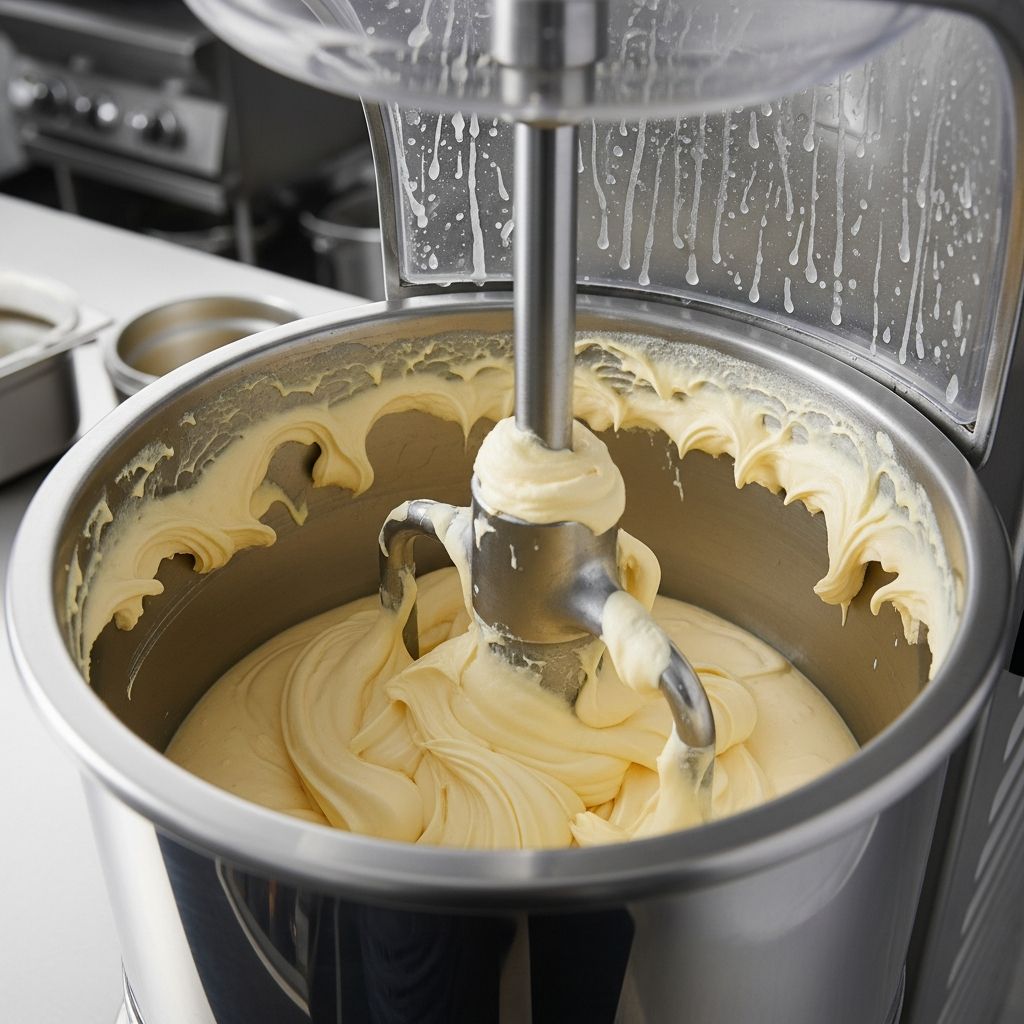
Troubleshooting Ice Cream That Sticks Excessively to the Sides or Dasher
Ice cream that clings stubbornly to the freezer bowl, cylinder walls, or dasher is more than an annoyance. It slows production, stresses the machine, creates inconsistent texture, and can even trigger overload or freeze-up faults in commercial soft-serve and batch freezers. Understanding why this happens and how to fix it will help you protect your equipment, improve texture, and streamline your workflow whether you are using a home ice cream maker or a commercial machine.
Table of Contents
- Recognizing the Symptoms of Excessive Sticking
- Mechanical and Assembly Causes
- Mix Formulation and Ingredient Issues
- Temperature, Pre-chilling, and Churn Time Problems
- Common Operating and Handling Errors
- Differences: Commercial vs. Home Ice Cream Makers
- Step-by-Step Diagnostic Checklist
- Preventive Maintenance and Best Practices
- Frequently Asked Questions (FAQs)
- Conclusion
Recognizing the Symptoms of Excessive Sticking
Ice cream naturally freezes against cold surfaces and is scraped off by the dasher, beater blades, or scraper blades. Problems start when the product freezes faster than it can be scraped, or when the scraping action is compromised. Typical symptoms include:
- Thick, icy layers of frozen mix cemented to the cylinder wall or freezer bowl that scraper blades cannot remove easily.
- The dasher or auger struggling to turn, slowing down, or stopping as the product hardens against the sides.
- Overload or freeze-up warnings, motor overload trips, or auger shutdowns in commercial soft-serve machines.
- Uneven texture: one part of the batch is very hard and icy at the wall, while the center remains soft or partially liquid.
- Difficulty extracting or dispensing product, with thick, stuck ice cream around the edges that will not release.
If you see these symptoms, the root cause typically lies in one of three areas: mechanical/assembly issues, mix formulation, or temperature and operating technique.
Mechanical and Assembly Causes
Before adjusting recipes, verify that your machine’s mechanical components are configured and working correctly. Many sticking issues are actually scraping issues: the blades are not contacting the walls correctly, or the agitator is incorrectly installed.
1. Worn or Misaligned Scraper Blades and Dashers
In both batch freezers and soft-serve machines, scraper blades or beater blades are designed to remove frozen ice cream from the cylinder wall as it forms. If they are worn, bent, or installed incorrectly, ice cream accumulates and sticks.
- Inspect blades for wear: rounded edges, cracks, or missing segments reduce scraping efficiency.
- Ensure blades are firmly seated in the beater or dasher and oriented according to the manual.
- Replace blades when they no longer sit flush against the cylinder wall or bowl.
2. Incorrect Auger or Dasher Installation
In commercial soft-serve machines, an incorrectly installed auger (beater) can cause freeze-up, poor scraping, and product sticking.
- Check that the auger is fully inserted into the drive shaft and locked into place.
- Confirm the beater shaft or dasher is not reversed or misaligned after cleaning and reassembly.
- Verify all springs, flights, and support parts are installed as shown in the parts diagram, so the beater sits at the correct distance from the wall.
3. Low Overrun or Inadequate Mixing
Overrun is the amount of air incorporated into the ice cream. If the overrun is very low, the mix may freeze into a dense mass against the walls that is difficult for the dasher to move or scrape.
- In soft-serve machines, check pump or overrun settings and ensure air regulators, o-rings, and check balls are functioning correctly.
- For batch freezers, verify that the dasher or paddle is spinning at the correct speed and not slipping.
4. Machine Freeze-Up and Starved Cylinders
When the mix level drops too low and the cylinder is starved, parts of the metal surface are exposed without sufficient mix to absorb cold, leading to localized overfreezing and sticking.
- Monitor hopper and cylinder levels; refill before the low-level indicator triggers a starved cylinder freeze-up.
- Ensure the machine is not left running with nearly empty mix, as this encourages heavy buildup on the walls.
5. Refrigeration and Power Issues
Improper refrigeration can indirectly contribute to sticking by creating very cold spots or inconsistent freezing.
- Low refrigerant or a malfunctioning compressor can cause uneven freezing patterns in the cylinder.
- Dirty condensers, blocked airflow, or weak cooling can lead to certain zones freezing too hard while others remain soft.
- Low voltage supply or tripped overload protectors can cause intermittent operation and partial refreezing that promotes sticking.
Mix Formulation and Ingredient Issues
Even with a perfectly assembled machine, an unbalanced mix can cling to surfaces and resist proper scraping. Texture, fat levels, solids, and stabilizers all influence how easily ice cream releases from metal surfaces.
1. Incorrect Fat and Solids Balance
A mix that is too lean or too rich can both cause sticking, though in different ways.
- Low-fat or low-solids mixes may freeze into harder, icier layers that adhere more strongly to the walls, especially if the temperature is very low.
- Excess fat without sufficient emulsifiers can cause greasy, smeared layers that coat the walls instead of churning cleanly.
Use a balanced ice cream mix with appropriate fat and milk-solids-not-fat for your machine type. Many commercial suppliers provide formulations tuned for soft-serve or batch freezing.
2. Sugar Levels and Freezing Point
Sugar lowers the freezing point of the mix. If sugar is too low, the mix may freeze too hard against the bowl; if too high, it may stay sticky and smear instead of releasing.
- Too little sugar can create overly hard ice cream at normal operating temperatures.
- Too much sugar leads to a taffy-like texture that drags on the walls and dasher.
3. Stabilizers, Emulsifiers, and Over-Gelling
Many commercial mixes contain stabilizers and emulsifiers to improve body and melting resistance. When overused or combined improperly, they can make the mix excessively thick, gummy, or gel-like, causing it to cling to surfaces.
- Observe the mix before freezing: it should be fluid, not gluey or stringy.
- Avoid heavy-handed additions of gums or thickeners to powdered bases.
- If switching mix brands, re-evaluate your batch size and freezing time: some stabilized mixes set much faster and can stick more readily if over-frozen.
4. Powdered Mix Issues: Clumping and Residues
Improperly dissolved powdered mixes can create undissolved particles that stick to internal surfaces and interfere with smooth scraping.
- Always fully dissolve powdered mix, allow proper hydration time, and strain out lumps if necessary.
- Residues of crystallized sugar or milk powder around valves and cylinders can contribute to rough surfaces that grab the ice cream.
Temperature, Pre-chilling, and Churn Time Problems
Temperature control is a major factor in sticking. Ice cream should freeze quickly and evenly, but not so aggressively that it bonds to the surfaces before the dasher can scrape it off.
1. Insufficient Pre-chilling of Mix
Warm mix placed directly into the machine forces longer freezing times. The walls and dasher are exposed to prolonged freezing action, increasing ice build-up and sticking.
- Always pre-chill liquid mix in the refrigerator to near serving temperature before freezing.
- In soft-serve machines, use mix that is already chilled to the appropriate range recommended by the manufacturer.
2. Overfreezing and Churning Too Long
Running the machine long after the ice cream has reached its ideal consistency is a classic cause of excessive sticking. The product continues to freeze and dry out against the sides, while the center stiffens and stresses the motor.
- Monitor the texture and volume of your ice cream during churning. When texture stops changing and volume stops increasing, allow a short additional time and then stop.
- Do not leave machines running unattended for extended periods.
3. Overly Aggressive or Uneven Cooling
If the freezer temperature is set too low or the refrigeration cycle is not matched to the mix, the walls may become substantially colder than needed, causing sharp ice buildup.
- In commercial units, verify viscosity or hardness settings and adjust so product reaches target consistency without overhardening.
- Confirm that the glycol or water circulation system (for remote or water-cooled units) is operating correctly for even temperature distribution.
Common Operating and Handling Errors
Even experienced operators can develop habits that encourage sticking and freeze-up. Addressing these simple errors often resolves the issue without major repairs.
1. Overfilling or Underfilling the Machine
The amount of mix in the machine affects how it freezes and how the dasher engages the product.
- Overfilling can restrict movement, causing dense packing against the sides.
- Underfilling can starve the cylinder, create exposed cold surfaces, and concentrate ice buildup near the wall.
- Always operate within the manufacturer’s recommended fill range.
2. Infrequent Cleaning and Lubrication
Residue from previous batches and insufficient lubrication can create rough, sticky surfaces and drag against the dasher.
- Clean cylinders, bowls, and all contact surfaces as recommended by the manufacturer, including spigots and seals.
- Lubricate moving parts, o-rings, and seals with food-grade lubricant where specified.
- Remove scale or buildup that may alter the smoothness of the metal surface.
3. Ignoring Early Warning Signs
Machines often signal trouble long before a full freeze-up occurs.
- Pay attention to unusual noises, higher vibration, or slowing of the dasher or auger.
- If the drive motor overload trips or the auger kicks out, allow the unit to cool down and investigate sticking or overhard product before restarting.
Differences: Commercial vs. Home Ice Cream Makers
While the physics of freezing are similar, the way you troubleshoot sticking differs slightly between commercial and home machines.
| Aspect | Commercial Soft-Serve / Batch Freezer | Home Ice Cream Maker |
|---|---|---|
| Main sticking causes | Worn scraper blades, incorrect auger installation, starved cylinders, low overrun, refrigeration misadjustment. | Overchurning, warm mix, under-chilled bowl, too-hard freezing, thick or over-stabilized mix. |
| Typical symptoms | Motor overloads, drive belt issues, error codes, uneven dispensing, heavy buildup. | Paddle stops turning, very hard ring of ice cream on the wall, center still soft, difficulty scooping. |
| Key adjustments | Viscosity settings, overrun and pump pressure, refrigerant and condenser cleaning, blade replacement. | Shorter churn time, better pre-chilling, adjusting sugar/fat ratio, ensuring bowl is fully frozen. |
Step-by-Step Diagnostic Checklist
Use this step-by-step process when your ice cream is sticking excessively to the sides or dasher.
Step 1: Check Mechanical Assembly
- Verify the auger or dasher is correctly installed and locked into the drive.
- Inspect scraper or beater blades for wear, cracks, or misalignment.
- Confirm all o-rings, springs, and support parts are present and correctly positioned.
Step 2: Evaluate Mix Condition
- Ensure the mix is fully dissolved, smooth, and not excessively thick or gummy.
- Check formula: appropriate fat and solids, balanced sugar, and reasonable stabilizer levels.
- If using a new mix brand, try a smaller test batch and monitor freezing behavior.
Step 3: Verify Temperatures and Pre-chilling
- Confirm the mix is properly pre-chilled before entering the freezing cylinder.
- For home machines with a freezer bowl, confirm the bowl has been frozen for the full recommended time.
- Check machine settings for freezing temperature or viscosity where adjustable.
Step 4: Observe the Churning Cycle
- Watch the product texture: stop the cycle shortly after texture and volume stabilize to avoid overfreezing.
- Listen for strain on the motor or unusual noises; these indicate the product is hardening too far against the walls.
- Ensure fill level is within the recommended range to avoid starving or overpacking the cylinder.
Step 5: Inspect Refrigeration and Power (Commercial Units)
- Check for error codes related to overheating, sensor faults, or motor overload.
- Inspect condenser cleanliness and verify proper airflow.
- If the unit freezes slowly, runs excessively, or shows uneven hardening, have a technician check refrigerant charge and compressor performance.
Preventive Maintenance and Best Practices
Preventing sticking is easier than addressing a full freeze-up or a seized dasher. Integrate these practices into your routine.
1. Routine Cleaning and Inspection
- Clean cylinders, valves, and hoppers according to recommended schedules to prevent residue buildup.
- Inspect scraper blades, o-rings, and seals regularly and replace worn components before failures occur.
- Lubricate parts as required with food-safe lubricant to reduce friction and surface drag.
2. Proper Mix Management
- Use high-quality, well-balanced mixes designed for your specific machine (soft-serve vs. batch freezer).
- Pre-chill and hold mix within the safe temperature range to reduce freezing times and sticking risk.
- Avoid frequent switching between very different mix formulations without re-evaluating viscosity and operating settings.
3. Equipment Care and Refrigeration Health
- Keep condensers and air intakes clean to maintain stable cooling performance.
- Address unusual noises, vibrations, or performance changes early to avoid severe freeze-up conditions.
- Schedule periodic professional service for refrigerant, compressor, and control system checks on commercial units.
Frequently Asked Questions (FAQs)
Why does my home ice cream maker form a solid ring of ice cream on the sides?
In home machines, this usually means the bowl is very cold, the mix is warm, and the batch has been churned too long. The mix freezes quickly against the walls, while the dasher cannot scrape it off fast enough, leading to a hard ring and a softer center. Shortening churn time and pre-chilling the mix typically helps, along with checking that the paddle fits correctly.
What should I check first when a commercial soft-serve machine freezes up and the auger stops?
First, switch the unit off and allow it to rest so the overload can reset if it has tripped. Then check mix level (avoid a starved cylinder), inspect scraper blades and auger installation, and review viscosity or hardness settings. If the issue persists, refrigeration performance or low refrigerant may need to be assessed by a technician.
Can the type of mix cause my ice cream to stick more?
Yes. Mixes that are very low in fat or sugar can freeze very hard against the walls, while mixes with excessive stabilizers or high sugar can become gummy and smear, both of which contribute to sticking. Choosing a balanced formulation and following the manufacturer’s guidelines for that mix type is important.
Why does my machine dispense unevenly, with thick product stuck in the barrel?
Uneven dispensing can result from partial freeze-up in the cylinder, where product hardens along the walls and resists movement toward the spigot. This is often linked to worn scraper blades, incorrect overrun or pump settings, or inconsistent refrigeration performance.
How often should I replace scraper blades or beaters?
Replacement frequency depends on usage and the manufacturer’s recommendations, but blades should be replaced whenever you notice reduced scraping efficiency, visible wear, or textural problems such as heavy sticking or uneven hardening. Regular inspection is the best way to determine timing.
Conclusion
Excessive sticking of ice cream to the sides or dasher is rarely a single-issue problem. It usually reflects the interaction of mechanical setup, mix formulation, and operating technique. By systematically checking assembly, blades, and auger alignment, verifying that your mix is balanced and properly pre-chilled, and managing churn time and fill levels, you can greatly reduce the likelihood of hard, immovable rings of ice cream or stress on the drive system.
Commercial operators benefit from consistent maintenance, clean refrigeration components, and appropriate viscosity and overrun settings, while home users see the biggest gains from careful pre-chilling and avoiding overchurning. In both cases, paying attention to early warning signs—changes in motor sound, texture, or freezing time—helps catch problems before they lead to full freeze-up.
When troubleshooting becomes part of your regular practice rather than an emergency response, your equipment lasts longer and your ice cream texture becomes more consistent, making every batch easier to produce and more enjoyable to serve.
Similar Articles







Read full bio of Sneha Tete