
Typical Lifespan of Storage Tank Water Heaters and Key Factors That Affect It
Understand how long storage tank water heaters usually last and the real-world factors that extend or shorten their lifespan.
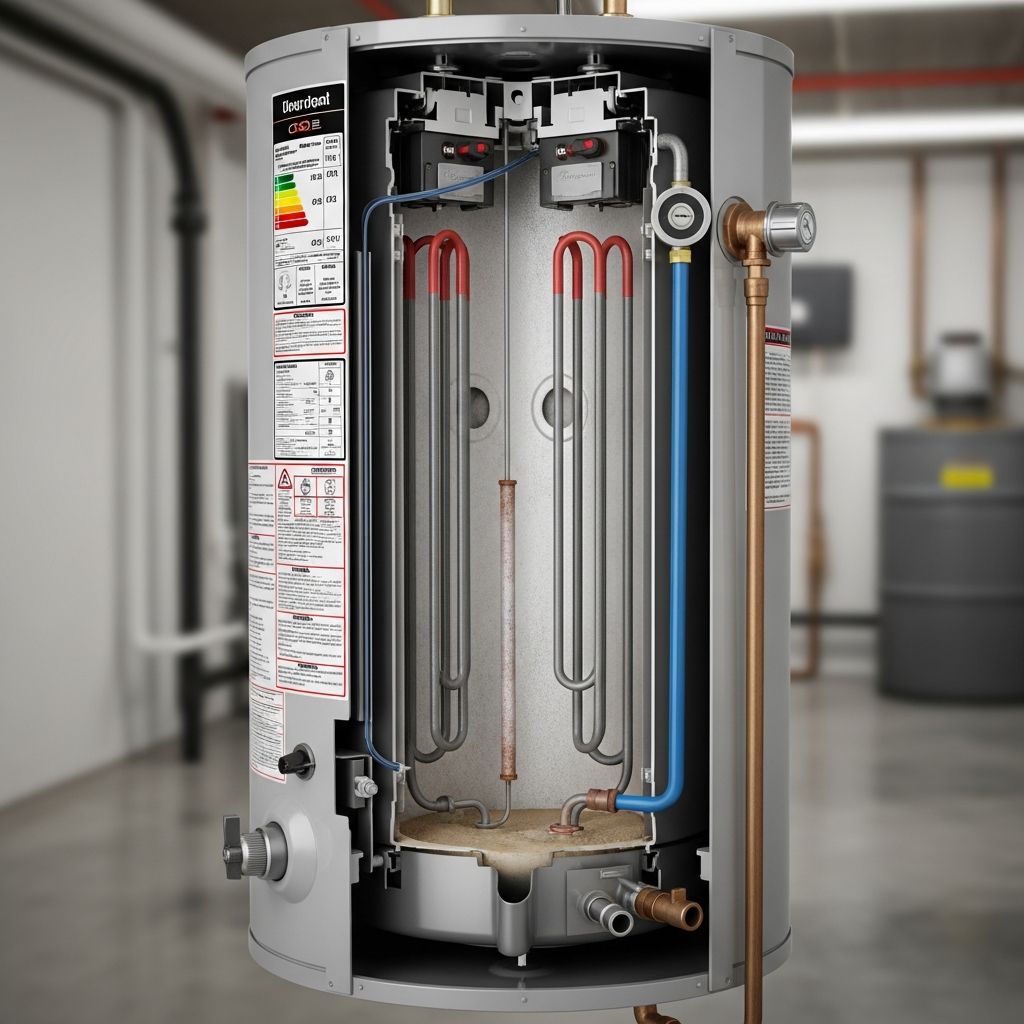
Typical Lifespan of Storage Tank Water Heaters and What Affects It
Storage tank water heaters are among the most common hot water systems in homes, but many owners are unsure how long they should last or what truly determines their lifespan. Understanding these points helps you plan replacements, avoid surprise failures, and get the most value from your equipment.
Most residential storage tank water heaters last about 8 to 12 years when properly installed and maintained, although some fail sooner and others can run well past the 12-year mark under ideal conditions. Gas units are often at the lower end of that range, while electric models sometimes last a bit longer.
Table of Contents
- Overview: How Long Storage Tank Water Heaters Typically Last
- Gas vs. Electric Tank Heaters: Lifespan Differences
- Key Factors That Affect Lifespan
- Essential Maintenance to Extend Service Life
- Warning Signs Your Tank Water Heater Is Near the End
- Storage Tank vs. Tankless Lifespan Comparison
- Replacement Decision Guide by Age and Condition
- Frequently Asked Questions (FAQs)
- Conclusion
Overview: How Long Storage Tank Water Heaters Typically Last
The typical lifespan of a residential storage tank water heater is generally reported as:
- About 7 to 13 years across a wide range of homes and conditions.
- Most commonly 8 to 12 years for standard units.
- With good water quality and regular maintenance, some tank heaters can operate beyond 12 years, but this is less common.
These ranges assume typical residential usage and at least basic maintenance, such as occasional flushing and inspection. Poor water quality, lack of upkeep, and aggressive operating conditions can push the lifespan toward the lower end or even below it.
Gas vs. Electric Tank Heaters: Lifespan Differences
Fuel type influences how long a storage tank water heater is likely to last because of operating temperatures, design, and component wear.
| Type of Storage Tank Heater | Typical Lifespan | Notes |
|---|---|---|
| Gas storage-tank water heater | About 8 to 12 years | Shortest average life due to higher operating temperatures and combustion-related wear. |
| Electric storage-tank water heater | About 12 to 15 years in many cases | Often lasts a bit longer than gas because there is no burner and fewer combustion byproducts. |
Regardless of fuel type, the main long-term failure risk is tank corrosion and leakage, which is driven by water chemistry, sediment, and the condition of the anode rod.
Key Factors That Affect Lifespan
While manufacturers give general life expectancy ranges, real-world lifespan is strongly shaped by several interacting factors.
Water Quality and Hardness
Water quality is one of the most important determinants of how long a storage tank heater lasts.
- Hard water (high mineral content) leads to sediment buildup inside the tank.
- Sediment insulates the water from the heat source, forcing the heater to run hotter and longer, which accelerates wear and energy use.
- Mineral deposits can also damage heating elements and contribute to noise (popping, rumbling) as water boils under sediment layers.
- Highly corrosive water or water with certain chemical imbalances can attack the tank’s lining and shorten its life.
In hard-water areas, neglecting sediment control often moves a heater toward the lower end of the 7–13 year range, or even earlier failure.
Anode Rod Condition
Most storage tank heaters contain an anode rod, a sacrificial metal rod designed to corrode instead of the tank walls.
- The anode rod typically lasts about 3 to 5 years under normal conditions.
- In hard-water areas, the rod may be consumed faster and require more frequent replacement.
- Once the anode rod is mostly depleted, the tank itself begins to corrode, leading to internal rust and eventual leaks.
Regularly checking and replacing the anode rod can significantly extend tank life, while ignoring it often results in premature failure.
Installation Quality
The way a water heater is installed also affects how long it will last.
- Improper venting, support, or piping can place physical and thermal stress on the unit.
- Incorrect temperature and pressure (T&P) relief valve installation can create safety risks and stress the tank.
- Use of incompatible materials or poor joints may lead to leaks that accelerate corrosion around fittings.
A well-installed heater that meets code is less likely to suffer from recurring stress and leaks, improving its chance of reaching or exceeding its expected lifespan.
Operating Temperature and Usage Patterns
How the heater is operated day to day has a direct impact on wear.
- Higher thermostat settings (very hot water) stress the tank and components more, making corrosion and sediment issues worse.
- High demand households with many occupants or constant hot water use cause more frequent heating cycles and faster wear.
- Frequent temperature adjustments and short-cycling can also shorten component life.
Moderate, stable temperature settings and steady usage patterns tend to be easier on the tank and extend its useful life.
Routine Maintenance (or Lack of It)
Regular maintenance is one of the clearest dividing lines between water heaters that fail early and those that run for many years.
- Annual draining and flushing of the tank removes sediment that would otherwise build up, reduce efficiency, and promote corrosion.
- Periodic inspection and replacement of the anode rod prevents the tank from becoming the primary corrosion target.
- Professional checkups can catch issues like partial leaks, failing valves, or burner issues before they cause major damage.
Manufacturers’ average lifespans assume at least yearly maintenance; skipping it often leads to problems well before the 8–12 year mark, especially for gas tank water heaters.
Model Quality and Design
Not all tank heaters are built the same. The quality of manufacturing and materials also matters.
- Higher quality tanks may feature thicker steel, better glass linings, and superior anode rods.
- Some premium or specialty models are designed with extended-life features to resist corrosion longer.
- Lower cost units can still perform adequately but may require stricter maintenance to reach the upper end of their life range.
Essential Maintenance to Extend Service Life
Proper maintenance can be the difference between replacing a tank at 6–8 years versus 12 or more. The following steps are widely recommended to maximize lifespan.
1. Annual Tank Flushing
Flushing removes sediment that settles at the bottom of the tank, a major source of energy waste and internal damage.
- Turn off power or gas supply and let water cool according to manufacturer instructions.
- Connect a hose to the drain valve and discharge to a safe location.
- Open the valve and drain until water runs mostly clear, then refill and restore power.
In areas with very hard water, flushing may be needed more than once per year to keep buildup under control.
2. Inspecting and Replacing the Anode Rod
Checking the anode rod every one to two years and replacing it when heavily corroded is critical for protecting the tank.
- If the anode rod is reduced to a thin wire or heavily pitted along most of its length, replacement is recommended.
- This relatively low-cost part can add several years to the life of the tank when maintained consistently.
3. Monitoring Temperature Settings
Setting the thermostat to a reasonable level reduces stress on the system.
- Overly high settings increase scald risk, accelerate corrosion, and encourage more mineral precipitation.
- A moderate setting, consistent with safety guidelines, is generally easier on the tank and still provides adequate hot water.
4. Visual and Functional Checks
Regularly looking for signs of trouble helps you intervene before small issues become major failures.
- Check around the base for moisture or rust spots.
- Listen for new popping, banging, or rumbling sounds that may indicate heavy sediment.
- Ensure the T&P relief valve is unobstructed and appears intact.
Warning Signs Your Tank Water Heater Is Near the End
Even well-maintained heaters eventually fail. Recognizing early warning signs allows you to plan a replacement before a catastrophic leak or total loss of hot water.
- Age: If your tank is 10 years or older and has never had major service, it is approaching replacement age, especially if it is gas-fired.
- Rusty or discolored hot water: Can indicate internal corrosion, especially if the issue appears only in hot water and not cold.
- Strange noises: Persistent rumbling, banging, or popping often means substantial sediment, which stresses the tank and burner.
- Reduced hot water volume: A noticeable drop in available hot water can indicate sediment, failing elements, or other age-related issues.
- Leaks around the tank: Any leak from the tank body itself usually means internal corrosion and almost always calls for full replacement.
- Frequent repairs: Recurring component failures in an older heater are often a signal that the whole system is reaching the end of its useful life.
Storage Tank vs. Tankless Lifespan Comparison
Many homeowners compare storage tank heaters with tankless models when facing replacement, especially in terms of longevity.
| System Type | Typical Lifespan | Key Maintenance |
|---|---|---|
| Storage tank water heater | About 8–12 years; some 7–13 years depending on conditions | Annual flushing, anode rod inspection, general checks. |
| Tankless water heater | About 20–25 years or more with good maintenance; often about double a tank unit’s life | Descaling and cleaning of heat exchanger, especially in hard-water areas. |
Storage tank heaters have lower upfront cost but shorter service life, while tankless units typically demand a larger initial investment with longer lifespans and different maintenance needs.
Replacement Decision Guide by Age and Condition
Besides simple age, you can use a combination of signs and risk tolerance to decide whether to repair or replace a tank water heater.
- Under 6 years old
- Minor issues and no tank leaks usually justify repair, especially if under warranty.
- Continue or begin regular maintenance to protect the investment.
- 6–10 years old
- Evaluate the cost of any repair versus remaining expected life.
- If the unit has been poorly maintained, consider proactive replacement before major leaks.
- 10–12+ years old
- Any significant repair on an older tank often makes less sense economically.
- Signs such as rumbling, rust, or minor leakage suggest replacement is the safer choice.
Frequently Asked Questions (FAQs)
How long do storage tank water heaters usually last?
Most storage tank water heaters last roughly 8 to 12 years, with some models ranging from about 7 to 13 years depending on water quality, usage, and maintenance.
Do gas or electric tank heaters last longer?
Gas storage-tank heaters typically have the shortest lifespan at about 8 to 12 years, while electric tank heaters can often last around 12 to 15 years under similar conditions.
What is the biggest factor that shortens a water heater’s life?
Hard water and the resulting sediment buildup, combined with neglecting maintenance like flushing and anode rod replacement, are among the biggest factors that shorten tank life.
Can regular maintenance really extend the lifespan?
Yes. Annual flushing, periodic anode rod replacement, and reasonable temperature settings can significantly reduce corrosion and mechanical stress, helping many units reach or exceed their expected lifespan.
When should a storage tank water heater definitely be replaced?
A tank should be replaced when it develops leaks from the tank body, shows significant rust contamination of hot water, or reaches 10–12+ years of age with signs of decline, such as frequent repairs or loud rumbling.
Conclusion
Storage tank water heaters are designed to provide reliable hot water for close to a decade or more, with typical lifespans clustering around 8 to 12 years for most homes. Gas-fired tanks tend toward the shorter end, while electric models can sometimes run longer.
The true life of any single unit, however, depends heavily on water quality, the condition of the anode rod, operating temperature, usage intensity, and whether basic maintenance is carried out. Households that consistently flush the tank, inspect and replace the anode rod, and maintain moderate settings often see their systems last longer and perform more efficiently over time.
Thinking about a water heater’s lifespan as a combination of design limits and owner care provides a practical framework for decisions. By monitoring age and warning signs, investing modestly in maintenance, and planning replacement before catastrophic failure, you can balance cost, reliability, and risk in a way that fits your home and comfort expectations.
Similar Articles






Read full bio of medha deb