Understanding Warranty Coverage and Service Options for Home Ice Cream Makers
Learn how home ice cream maker warranties work, what they cover, and the best ways to access repairs, replacements, and support.
Introduction
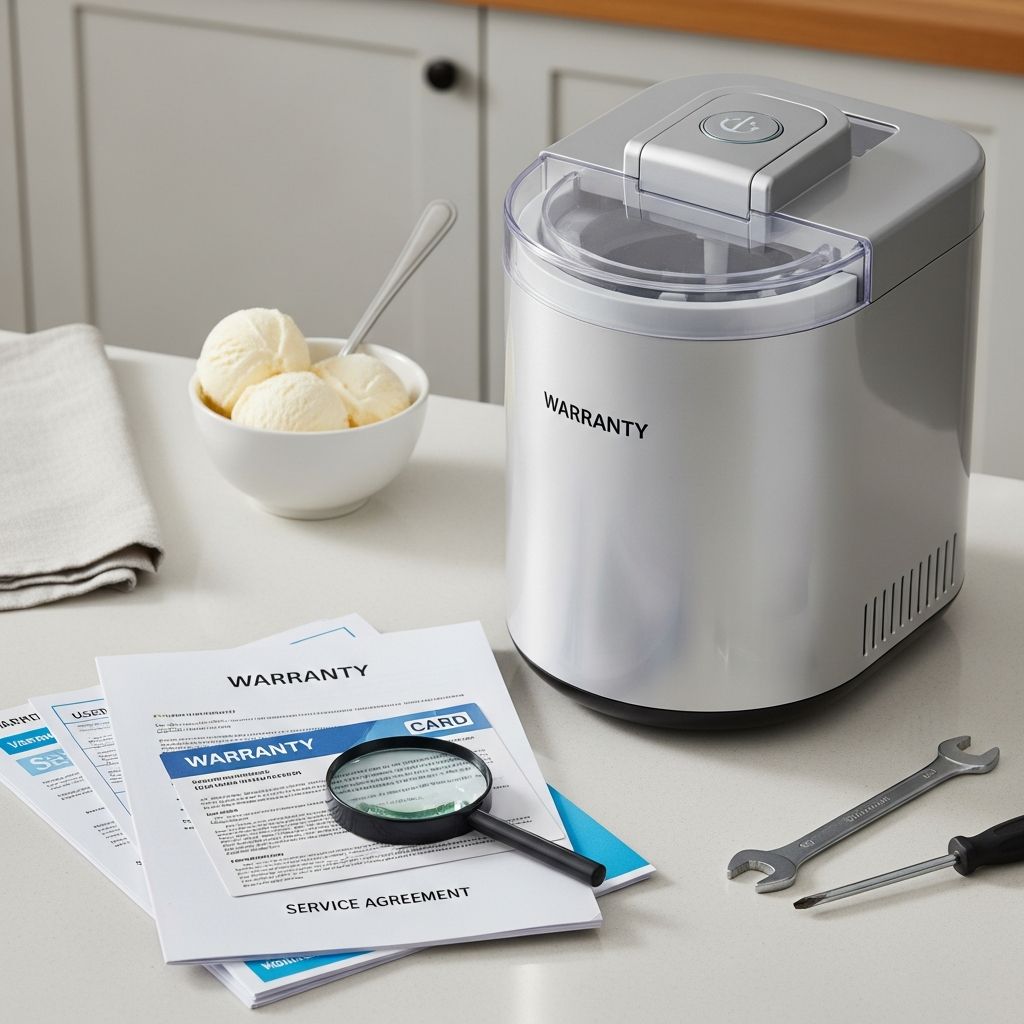
Buying a home ice cream maker is an investment in convenience, creativity, and fun desserts. Yet many owners focus on features and recipes, and only skim the warranty card that arrives in the box. Understanding warranty coverage and service options is crucial if your machine stops churning, the motor fails, or parts crack sooner than expected. A clear grasp of how warranties work, what is covered, and how to access service can save you time, money, and frustration.
This article explains the most common warranty terms for home ice cream makers, how different brands handle defects, what typically voids coverage, and which service paths you can use when something goes wrong. It also offers practical tips to protect your rights as a consumer and keep your ice cream maker running smoothly for as long as possible.
Table of Contents
- Warranty Basics for Home Ice Cream Makers
- Types of Warranty Coverage
- What Is Typically Covered
- Common Exclusions and Limitations
- Examples of Warranty Terms by Brand
- Service Options When Something Goes Wrong
- How to File a Warranty Claim Effectively
- How Maintenance and Use Affect Warranty Rights
- Comparison Table: Key Warranty Features
- Frequently Asked Questions (FAQs)
- Conclusion
Warranty Basics for Home Ice Cream Makers
A warranty is a manufacturer’s or seller’s promise that your ice cream maker will be free from defects in materials and workmanship for a specific period, provided you use it under normal home conditions. Most warranties for home ice cream makers are described as limited, meaning they cover only certain types of problems under defined conditions.
Key ideas to understand at the outset include:
- The warranty period usually ranges from one to three years for home units, depending on the brand and model.
- Coverage generally applies only to defects in materials and workmanship and not to wear, abuse, or misuse.
- Most warranties are for personal, family, or household use and exclude commercial or institutional use.
- The warranty is often limited to the original consumer purchaser and is not transferable to subsequent owners.
Understanding these basics helps you read your specific warranty document with the right expectations and recognize what the manufacturer is, and is not, promising.
Types of Warranty Coverage
While each manufacturer uses its own wording, most home ice cream maker warranties fall into a few common categories.
Limited Manufacturer Warranty
A limited manufacturer warranty is the standard protection offered with most home ice cream makers. It typically promises that the appliance will be free of defects in materials and workmanship for a set period, and that the company will repair or replace the unit at its discretion if a qualifying defect appears.
Important characteristics include:
- Applies only to normal home use, not commercial use.
- Usually excludes consumable parts and normal wear.
- May require you to pay shipping or handling to and from a service center, even if the repair itself is free.
Time-Limited Coverage
The length of time the warranty applies is central to your protection. Typical timeframes for home ice cream makers are:
- One-year limited warranty from the date of original purchase for many small kitchen appliances under brands such as Elite Gourmet and Nostalgia.
- Three-year limited warranty for some higher-end models, such as the Cuisinart ICE-70 electronic ice cream maker under normal home use.
- One-year coverage for newer countertop frozen treat machines like certain pod-based frozen treat systems.
Even within the same brand, different models can have different warranty periods, so checking your exact model is essential.
Part-Specific or Component Warranties
Some companies offer additional coverage for specific components, such as compressors or motors, though this is more common in larger or commercial units than in small home machines. However, for home units you may occasionally see extended coverage on key mechanical parts or an additional short period for replacement parts installed during warranty service.
Extended and Retailer Warranties
In addition to the manufacturer’s warranty, retailers or third-party providers sometimes sell extended service plans. These can offer:
- Longer coverage periods than the manufacturer’s warranty.
- Broader protection that may include accidental damage or power surge issues.
- Simplified replacement options instead of repair.
Extended plans have their own terms and exclusions, and they do not override the manufacturer’s original limitations; they operate alongside them. Reading both sets of conditions is important before deciding whether the added cost is worthwhile.
What Is Typically Covered
While the details vary by brand, there are consistent patterns in what home ice cream maker warranties usually cover.
Defects in Materials and Workmanship
Coverage focuses on problems that arise because something was wrong with the appliance at the time of manufacture or assembly. Examples include:
- Motors that fail prematurely under normal use.
- Control panels or switches that stop functioning correctly.
- Structural defects in the base, lid, or mixing paddle that are not caused by impact or misuse.
Brands such as Cuisinart and Nostalgia explicitly frame their coverage around freedom from defects under normal home use during the stated warranty period.
Repair, Replacement, or Refund
If your appliance qualifies for warranty service, the manufacturer’s typical remedies include:
- Repair of the defective appliance at an authorized service location.
- Replacement with a new or refurbished unit if repair is considered impractical.
- Refund of the purchase price in some cases, particularly for certain brands that explicitly mention this option.
Many policies describe these as the sole and exclusive remedies available under the warranty.
Coverage of Replacement Parts
When parts are replaced under warranty, some brands extend a short additional warranty to the repaired or replacement product. For example, certain small-appliance warranties cover a repaired or replacement product for the remaining balance of the original one-year period plus an additional month. Other policies specify that replacement parts are covered for a set period, such as 90 days or the remainder of the original warranty, whichever is longer, in some residential equipment contexts.
Common Exclusions and Limitations
To avoid surprises, it is crucial to understand what your warranty does not cover. Exclusions appear in every warranty document and can significantly affect whether a particular problem qualifies.
Improper Use or Installation
Most manufacturers disclaim responsibility for damage caused by:
- Using the appliance for commercial purposes instead of home use.
- Not following the operating or installation instructions.
- Using incompatible accessories or unauthorized parts.
For instance, policies for ice-related equipment often specify that modifications by anyone other than authorized service technicians or the use of non-approved parts voids coverage for subsequent issues.
Normal Wear and Cosmetic Damage
Warranties usually do not cover:
- Normal wear and tear on components over time.
- Surface scratches, discoloration, or other cosmetic issues that do not affect function.
- Minor imperfections that do not materially impair performance.
This means that slightly faded markings or small surface blemishes on the freezer bowl or housing are unlikely to qualify for free repair.
Accidents and External Events
Damage caused by accidents, misuse, or external events is commonly excluded, such as:
- Dropping the appliance or physical impact.
- Fire, flooding, or other natural events.
- Shipping damage when not handled through the manufacturer’s instructions.
- Improper voltage, power surges, or use with non-compatible electrical systems, unless an extended plan explicitly includes these.
Geographic and Ownership Limits
Many small appliance warranties:
- Apply only to products purchased and used within specific territories, such as the 50 U.S. states and the District of Columbia.
- Are valid only for the original purchaser and cannot be transferred.
- Do not cover remanufactured or refurbished merchandise under standard terms.
These limitations matter if you buy a used or imported ice cream maker or move countries.
Examples of Warranty Terms by Brand
To make these concepts more concrete, it helps to look at how specific brands describe warranty coverage for home ice cream makers and similar small appliances.
Cuisinart Home Ice Cream Makers
For its ICE-70 electronic ice cream maker, Cuisinart offers a limited three-year warranty that guarantees the product will be free of defects in materials and workmanship under normal home use from the date of original purchase. The warranty is available to consumers only and is not intended for retailers or commercial purchasers.
Cuisinart:
- Recommends online product registration but still requires proof of purchase for warranty benefits.
- Offers to repair or, if necessary, replace the product if it proves defective during the warranty period.
- Provides customer service via a toll-free number and a mailing address for warranty service requests.
Elite Gourmet and Similar Small Appliance Brands
Small kitchen appliances under the Elite Gourmet and related labels typically carry a one-year limited warranty to the original purchaser, covering manufacturing defects under normal use and conditions. Retail stores that sell these products are not allowed to modify or alter the warranty terms.
If a defect is found during the warranty period, the company, at its sole discretion, will repair or replace the product. The repaired or replacement product remains under warranty for the remaining time on the original one-year period plus an additional month.
Nostalgia Ice Cream and Frozen Treat Appliances
Appliances sold under the Nostalgia brand typically include a one-year warranty stating that the product will be free of defects in material and workmanship under normal home use, as long as it is operated and maintained according to the instructions. The company may repair or replace the defective product or issue a refund as the sole and exclusive remedy.
Other Home Frozen Treat Makers
Some newer countertop frozen treat machines specify a straightforward one-year warranty on the machine, with replacement or repair options similar to other small appliances. While details differ, these products follow the same basic pattern: limited, time-bound coverage for defects, excluding misuse and wear.
Service Options When Something Goes Wrong
If your ice cream maker stops working correctly, you typically have several paths to resolution. The best choice depends on whether the unit is still under warranty, the severity of the issue, and the manufacturer’s procedures.
Manufacturer Warranty Service
During the warranty period, the first recommended step is usually to contact the manufacturer’s customer service team. Typical steps include:
- Calling a toll-free customer service number or using an online contact form.
- Providing model and serial numbers, proof of purchase, and a description of the problem.
- Following instructions to ship the appliance to a service center or to work with a local authorized servicer.
Some brands emphasize that if the product is serviced by someone other than an authorized service center, the servicer should contact the manufacturer to ensure correct parts are used and warranty status is maintained.
Authorized Service Centers and Technicians
For more complex appliances or specialized components, manufacturers may require that diagnosis and repair be performed by authorized technicians. This approach is common in commercial ice equipment and, to a lesser degree, in higher-end consumer appliances.
Working with authorized service helps ensure:
- Correct parts and procedures are used.
- Repairs are recognized as valid under the warranty.
- Your remaining warranty is preserved rather than voided by unauthorized work.
Retailer Returns and Exchanges
When problems appear soon after purchase, many retailers allow returns or exchanges within their own return window, sometimes faster than going through the manufacturer. However, retailers cannot change or override the manufacturer’s written warranty terms. After the store’s return period expires, warranty remedies revert to the manufacturer’s policies.
Out-of-Warranty Repair or Replacement
Once the warranty period ends, you still have options, though they will generally be at your own expense:
- Paying for repair by an appliance technician, if the cost makes sense compared with replacement.
- Ordering replacement parts such as paddles, lids, or freezer bowls if available.
- Replacing the entire unit if repair parts are unavailable or uneconomical.
Some manufacturers provide support or sell parts even after the official warranty window closes, but this is voluntary and varies by brand.
How to File a Warranty Claim Effectively
Filing a warranty claim is more successful when you prepare properly and follow the company’s outlined process closely.
Keep Documentation and Registration
- Save your original proof of purchase showing the date, retailer, and model number; manufacturers often require this to confirm warranty eligibility.
- Record the model and serial numbers from the bottom or back of the appliance.
- Consider registering your product promptly on the manufacturer’s website, where offered, for easier support later, even though registration usually does not replace the need for proof of purchase.
Contact Customer Service First
Before shipping your appliance or seeking outside repair, contact the manufacturer’s customer service line or email address. Provide:
- Your name and contact details.
- Model number, serial number, and purchase date.
- A clear description of the issue and when it occurs.
The representative can confirm whether the problem is likely covered under warranty and provide specific instructions for next steps, such as shipping or local service options.
Follow Shipping and Service Instructions
Manufacturers may instruct you to send the defective product to a particular address or to bring it to an authorized service center. Common requirements include:
- Packing the appliance securely to avoid shipping damage.
- Including a copy of your proof of purchase and a note describing the problem.
- Paying any required shipping or handling fees, if specified in the warranty document.
Following these directions closely reduces the risk of delays, disputes, or denial of coverage based on improper handling.
How Maintenance and Use Affect Warranty Rights
Your everyday handling of the ice cream maker can influence whether a future problem is considered a covered defect or excluded as misuse or neglect.
Adhering to Operating Instructions
Warranty terms often state that coverage applies only when the appliance is operated and maintained according to the instructions. This includes:
- Using recommended ingredient quantities and avoiding overfilling the bowl.
- Not running the machine for longer than the specified cycle times.
- Allowing adequate rest periods between batches, if directed.
- Using the appliance only with the correct household voltage.
If a failure can reasonably be linked to ignoring instructions, the manufacturer may classify it as misuse and decline coverage.
Routine Cleaning and Care
Some issues, particularly with ice-related equipment, are considered preventable through regular maintenance and therefore not covered under warranty. For home ice cream makers, this can include:
- Not cleaning the mixing paddle, lid, and bowl properly between uses.
- Allowing residue to build up around seals and moving parts.
- Exposing components to dishwashers or harsh cleaners when the manual warns against it.
Keeping the appliance clean and following recommended care routines not only extends its life but also preserves your ability to claim a defect if a legitimate problem develops.
Using Authorized Parts and Service
Many manufacturers state that using unauthorized parts, modifying the appliance, or having repairs done by non-authorized service providers may void warranty coverage for subsequent issues. While some minor repairs are simple enough for owners, any work that alters the motor, wiring, or core structure may be risky from a warranty perspective.
Comparison Table: Key Warranty Features
The table below summarizes typical differences in warranty features among home ice cream maker brands and similar small appliance products. Always verify specific terms for your model.
| Aspect | Shorter Coverage Models | Longer Coverage Models |
|---|---|---|
| Typical warranty length | 1 year limited warranty from purchase date | 3 years limited warranty from purchase date for select models |
| Scope of coverage | Defects in materials and workmanship under normal home use | Same scope, sometimes with broader support channels |
| Remedy options | Repair or replacement; some include possible refund | Repair or replacement; refund less commonly mentioned |
| Eligibility | Original consumer purchaser; typically non-transferable | Original consumer purchaser; also non-transferable |
| Territory | Often limited to purchases and use within defined regions, such as the U.S. | Similar territorial limits; check specific policy |
| Exclusions | Misuse, improper installation, normal wear, accidents, unauthorized repairs | Same general exclusions; emphasis on using authorized service |
Frequently Asked Questions (FAQs)
Q1: Is a three-year warranty always better than a one-year warranty?
Longer warranties can be valuable, but only if you understand the exclusions and how easy it is to obtain service. A three-year limited warranty on a home ice cream maker offers more time during which defects in materials and workmanship will be addressed, but it still may not cover misuse, wear, or certain types of damage. Comparing both the length and the details of coverage is the best approach.
Q2: Does product registration replace the need for a receipt?
No. Manufacturers that offer online registration still typically require original proof of purchase to confirm your warranty start date and eligibility. Registration can speed up support and help the company contact you with safety information, but you should always keep your receipt or an electronic copy.
Q3: What happens if I use my home ice cream maker in a small cafe or food truck?
Most home appliance warranties are restricted to household or consumer use and exclude commercial or institutional use. If you use a home ice cream maker in a business environment and it fails, the manufacturer may deny warranty service on the basis that the product was used outside its intended scope.
Q4: Are shipping costs covered under the warranty?
Policies vary. Some manufacturers cover only the cost of repair or replacement, while the consumer is responsible for shipping or handling charges to the service center. The specific warranty document will explain whether you must pay these costs.
Q5: Can I have my local repair shop fix my ice cream maker under warranty?
In many cases, warranty coverage requires that service be performed either by the manufacturer or an authorized service center. If another servicer works on the appliance without coordination, it can complicate or void warranty protection. When in doubt, contact the manufacturer’s customer service line first and ask about approved options in your area.
Conclusion
Understanding warranty coverage for home ice cream makers is as important as comparing features like capacity or motor power. Most warranties are limited, time-bound promises to repair or replace units that fail due to defects in materials or workmanship under normal home use. They do not typically cover damage from misuse, commercial use, accidents, or normal wear and tear, and they almost always apply only to the original purchaser within specific geographic regions.
A thoughtful approach involves reading the warranty document for your exact model, keeping proof of purchase, following the operating instructions closely, and contacting the manufacturer before seeking outside repairs. Knowing how to file a claim, which service channels are available, and what kinds of remedies—repair, replacement, or refund—you can reasonably expect allows you to respond calmly and effectively if a problem arises.
By pairing careful maintenance with an informed understanding of warranty and service options, you can extend the useful life of your home ice cream maker and address unexpected issues with clear expectations about your rights and the manufacturer’s responsibilities.
Similar Articles





Read full bio of Sneha Tete