Using an Ice Cream Maker for Single Batches vs Multiple Back-to-Back Batches
Understand how your ice cream maker handles single batches versus multiple back-to-back batches and what it means for texture, timing, and reliability.
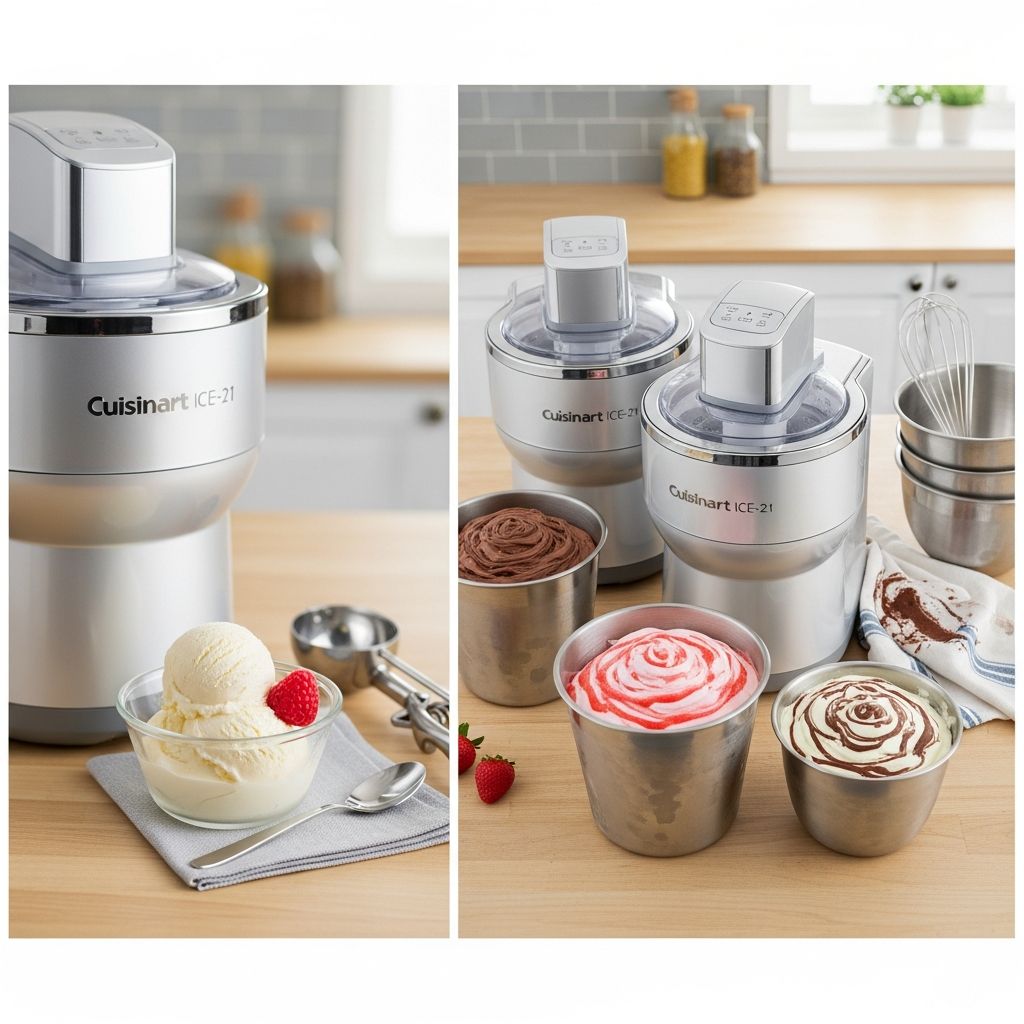
Ice cream makers are designed around batch production: you pour in a chilled mix, churn and freeze for a set time, then empty the machine before starting again. How easily you can run single batches versus multiple back-to-back batches depends heavily on the type of ice cream maker, its cooling system, and its capacity.
Understanding these differences helps you plan whether you can serve a small family dessert, cater a party, or run a small business without overworking your machine or compromising texture and food safety.
Table of Contents
- Overview: Single Batches vs Back-to-Back Batches
- Ice Cream Maker Types and Their Limits
- Using an Ice Cream Maker for Single Batches
- Using an Ice Cream Maker for Multiple Back-to-Back Batches
- Capacity, Batch Size, and Production Planning
- Texture and Quality Differences Between First and Later Batches
- Cooling, Maintenance, and Machine Stress
- Home vs Commercial Machines: What Changes?
- Best Practices and Step-by-Step Workflows
- Frequently Asked Questions (FAQs)
- Conclusion
Overview: Single Batches vs Back-to-Back Batches
In ice cream making, a single batch is one full churn-and-freeze cycle of the machine, followed by unloading and cleaning. A back-to-back batch means running another full batch immediately after or with only minimal pause.
Key differences include:
- Cooling capacity – whether the machine can keep the freezing surface cold enough for consecutive batches without fully re-chilling.
- Workflow – how often you must pause to freeze a bowl, rest a compressor, or clean parts.
- Texture consistency – whether later batches churn as firmly as the first, or end up as a softer slurry if the machine warms up.
Most home machines are optimized for one batch at a time, while many commercial batch freezers are explicitly engineered to run multiple batches per hour.
Ice Cream Maker Types and Their Limits
The biggest factor in single versus back-to-back batch performance is the cooling system. There are three main categories for home and small commercial use.
Freezer-Bowl Ice Cream Makers
These machines rely on a removable insulated bowl that contains sealed refrigerant. You pre-freeze the bowl in your freezer for 12–24 hours before churning.
- Advantages:
- Lower cost compared with compressor machines.
- Compact and easy to store.
- Limitations for back-to-back batches:
- The refrigerant warms during the first batch and cannot usually freeze a second batch immediately.
- Attempting a second batch right away often yields a semi-frozen, slushy mixture rather than proper ice cream.
- Typically limited to one batch per day per bowl unless you own extra bowls.
Users who need multiple batches often buy additional bowls and keep them pre-frozen, swapping between them for consecutive batches.
Compressor (Self-Refrigerating) Ice Cream Makers
Compressor machines include a built-in refrigeration unit, similar to a tiny freezer, to continuously cool the bowl while churning.
- Advantages:
- No need to pre-freeze a bowl; you can start a batch any time.
- Capable of several batches or different flavors in one day by washing and reusing the bowl.
- More suitable for back-to-back production because the compressor can re-cool between batches.
- Limitations:
- Higher cost than freezer-bowl models.
- May need short rest periods between batches to protect the compressor and maintain performance, depending on model.
For most home users who routinely want multiple flavors in one day, a compressor machine is the most practical option for back-to-back batches.
Commercial Batch Freezers
Commercial batch freezers are designed for shops and high-volume operations and can produce significantly more ice cream per hour.
- Available as countertop or floor models, with capacities ranging from a few quarts up to dozens of quarts per batch.
- Often rated in barrel volume and in batches or gallons per hour to indicate back-to-back capacity.
- Can run many consecutive batches when operated within the manufacturer’s batch size and timing guidelines.
Larger commercial units may also be single barrel or double barrel, allowing one or two batches (or flavors) to be produced in parallel, dramatically increasing throughput.
Using an Ice Cream Maker for Single Batches
Single-batch use is straightforward and is the default design point for most consumer machines.
Core Steps for a Single Batch
- Chill the mix thoroughly (ideally 4–12 hours) so the machine does not need to remove excessive heat.
- Pre-chill equipment:
- Freezer-bowl: freeze the bowl for at least the manufacturer’s recommended time (often 24 hours).
- Compressor: some users briefly pre-chill the empty bowl with the machine running before adding the mix.
- Stay within the recommended fill volume (often 60–75 percent of the bowl’s listed capacity) to allow for overrun and even freezing.
- Churn until thick and soft-serve like, then transfer promptly to the freezer for hardening.
Benefits of Single-Batch Operation
- Machine always starts fully cold and unstressed.
- Most consistent texture, especially with freezer-bowl machines.
- Simple cleaning and planning; no need to coordinate overlapping mixes.
Using an Ice Cream Maker for Multiple Back-to-Back Batches
Back-to-back batch use is more demanding on any machine because the freezing system must repeatedly pull heat out of room-temperature or refrigerator-cold mix without fully warming up.
Freezer-Bowl Machines and Back-to-Back Batches
For freezer-bowl machines, the batch limit is essentially the bowl’s stored cold capacity.
- Most bowls produce one effective batch per full freeze, after which the bowl warms enough that a second run will freeze very slowly or not at all.
- Trying to churn a second batch immediately often results in a cold, semi-liquid mixture rather than proper ice cream.
- To make multiple batches in a day, users typically:
- Purchase extra bowls and keep them all frozen.
- Run one batch per bowl, then refreeze the used bowls for at least 12–24 hours.
Community reports confirm that while some users can squeeze out a second, smaller batch if the first one was brief and the bowl started extremely cold, results are inconsistent and depend heavily on freezer strength and room temperature.
Compressor Machines and Back-to-Back Batches
Compressor machines are built for multiple batches on the same day and perform much better for back-to-back production.
- After finishing a batch, you can remove the ice cream, wash and dry the bowl and dasher, and immediately start another batch because the compressor re-cools the bowl.
- Most consumer units can comfortably handle several batches in sequence, though the exact number depends on compressor power and batch size.
- Manufacturers sometimes recommend a short rest or cool-down between long runs to preserve compressor life.
This makes compressor machines ideal for days when you want multiple flavors (e.g., vanilla, chocolate, sorbet) made fresh within a few hours.
Commercial Batch Freezers and Continuous Production
Commercial batch freezers are explicitly engineered for repeated cycles.
- Rated by barrel size and often by how many quarts or liters of finished product they can produce per hour.
- Operators routinely run multiple back-to-back batches, focusing on managing batch size and mix temperature rather than worrying about bowl re-freezing.
- Double-barrel units can run two batches in parallel or double output of a single flavor, effectively increasing back-to-back capacity.
Within their design limits, these machines can run through rush periods with many consecutive batches, provided they are cleaned and maintained correctly.
Capacity, Batch Size, and Production Planning
Whether running one or many batches, understanding the relationship between machine capacity, batch size, and demand is crucial.
| Machine Type | Typical Batch Capacity | Practical Batches per Day | Best Use Case |
|---|---|---|---|
| Home freezer-bowl | 1–1.5 quarts per bowl | 1 batch per frozen bowl (more with extra bowls) | Occasional home use, small gatherings |
| Home compressor | About 1–2 quarts per batch | Several batches per day with cleaning between | Frequent home use, multiple flavors in one day |
| Commercial countertop batch freezer | 2–6 quarts per batch | Multiple batches per hour, depending on model | Small shops, cafes, specialty desserts |
| Commercial floor model batch freezer | Up to 37 quarts or more per batch | High volumes; many batches per hour | Ice cream shops, high-demand operations |
When deciding between single large batches and several smaller batches, consider:
- Demand during peak times – high demand may justify larger machines or back-to-back runs of the same flavor.
- Flavor variety – many flavors often require multiple small batches rather than a few large ones.
- Storage space – if freezer space is limited, smaller, more frequent batches can reduce the need for bulk storage.
Texture and Quality Differences Between First and Later Batches
Running multiple batches in a row can affect ice crystal size and air incorporation, especially if cooling performance changes over time.
Freezer-Bowl Machines
- The first batch typically achieves the best texture because the bowl is at its coldest.
- If a second batch is attempted without full re-freezing, churn time increases and the mix may never fully freeze, yielding larger ice crystals and a grainier mouthfeel.
- Some users report acceptable second batches only when the second batch volume is reduced and mix is very cold, but consistency is not guaranteed.
Compressor and Commercial Machines
- Because the refrigeration system is active, later batches can match the first batch in texture, as long as the compressor can keep up with the load.
- Over time, if machines are pushed beyond rated batch size or not allowed any recovery, the mixture may freeze more slowly, slightly affecting overrun and smoothness.
- Proper pre-chilling of mix and adherence to capacity guidelines help maintain consistent quality over many batches.
Cooling, Maintenance, and Machine Stress
Back-to-back batches place additional thermal and mechanical stress on ice cream makers.
Cooling and Rest Periods
- Freezer-bowl units: must be fully refrozen between batches; skipping this step risks poor results and long-term loss of bowl performance.
- Compressor units: may benefit from short rest periods after several heavy batches to prevent overheating and prolong compressor life.
- Commercial machines: usually designed to dissipate heat efficiently but still depend on appropriate ventilation and not exceeding recommended batch throughput.
Cleaning Between Batches
- When changing flavors, thorough cleaning prevents cross-contamination of tastes and allergens.
- Single-flavor back-to-back runs can sometimes be separated only by a quick rinse, but this should comply with hygiene standards, especially in commercial settings.
- Commercial operators often schedule cleaning breaks between sets of batches or flavor changes.
Home vs Commercial Machines: What Changes?
Home and commercial machines are built to very different duty cycles.
Home Machines
- Freezer-bowl models are best for occasional single batches; multiple back-to-back batches require multiple bowls and freezer space.
- Compressor models offer more flexibility and are better for hobbyists who frequently host guests or experiment with many flavors in one day.
- Home users can often accept small waits between batches as part of the cooking process.
Commercial Batch Freezers
- Built for continuous or high-frequency batch production, with robust parts and higher cooling capacity.
- Models are chosen based on expected peak demand, batch size, and desired number of flavors.
- Double-barrel freezers allow simultaneous batches or flavors, effectively offering built-in back-to-back capacity.
Best Practices and Step-by-Step Workflows
Whether producing one or many batches, a few structured workflows help protect your machine and produce consistently smooth ice cream.
Single-Batch Workflow (Any Machine Type)
- Prepare and chill your mix thoroughly in the refrigerator.
- Ensure your bowl (or compressor machine) is fully cold.
- Assemble the machine and start it running before pouring in the mix to prevent immediate freezing to the walls.
- Churn until the mixture thickens to soft-serve consistency, following the typical time for your model.
- Transfer to a chilled container and move to the freezer to harden.
- Clean all components once they return to room temperature.
Back-to-Back Workflow with Freezer-Bowl Machines
- Purchase and pre-freeze at least two bowls for multiple batches in a day.
- Keep each bowl in the coldest part of the freezer for 12–24 hours before use.
- Run one batch per bowl; avoid attempting a second batch on the same bowl without refreezing.
- Store finished ice cream while swapping in the next frozen bowl and adding new mix.
Back-to-Back Workflow with Compressor Machines
- Prepare multiple batches of mix in advance and chill them all.
- Run the first batch to completion and transfer ice cream to the freezer.
- Wash and dry the bowl and dasher promptly.
- Restart the compressor and allow a brief pre-cool, if recommended, then add the next chilled mix.
- Monitor machine temperature and performance; if it begins to struggle, add a short rest period.
Back-to-Back Workflow with Commercial Batch Freezers
- Determine your target production per hour and choose batch sizes within the machine’s rated range.
- Stage mixes in chilled containers near the machine.
- Run sequential batches, emptying the machine completely between cycles.
- Plan flavor order to minimize intensive cleaning (e.g., vanilla before stronger flavors).
- Follow the manufacturer’s recommended cleaning and maintenance schedule.
Frequently Asked Questions (FAQs)
Can I make two batches in a row with a freezer-bowl ice cream maker?
In most cases, no. Freezer-bowl machines are usually limited to one batch per fully frozen bowl because the refrigerant warms during use and cannot freeze a second batch properly until re-frozen. To make more than one batch in a day, you generally need multiple pre-frozen bowls.
How many back-to-back batches can a compressor ice cream maker handle?
Compressor machines can typically manage several consecutive batches in a day, as the built-in refrigeration cools the bowl again between cycles. The exact number depends on batch size, ambient temperature, and unit power; always consult your machine’s guidelines.
Does making batches back-to-back affect ice cream texture?
It can. If the freezing surface is not cold enough for later batches, freezing slows down, and ice crystals can grow larger, resulting in a grainier texture. Compressor and commercial machines maintain quality better than freezer-bowl models in repeated use because they can re-cool actively.
Is it better to buy a larger machine or make multiple small batches?
Testing of larger home machines has found trade-offs in performance and convenience; some testers recommend buying extra canisters for smaller machines to facilitate multiple batches instead of relying on a single large machine. Your choice should balance budget, storage, and how often you need big volumes versus flavor variety.
What is the difference between single-barrel and double-barrel batch freezers for back-to-back use?
Single-barrel freezers handle one batch at a time, while double-barrel units can run two flavors or two batches in parallel, effectively doubling capacity and variety. Both are capable of multiple back-to-back runs as long as they are used within their rated batch sizes and output per hour.
Conclusion
Using an ice cream maker for single batches is straightforward for nearly every machine type, but consistently producing multiple back-to-back batches depends on the way your machine is cooled and how much ice cream you need. Freezer-bowl machines excel at occasional single batches yet are fundamentally limited to one batch per frozen bowl, while compressor and commercial batch freezers are designed to handle repeated cycles when used within their capacity and maintenance guidelines.
Once you understand your particular machine’s cooling system, batch capacity, and recommended operating pattern, you can decide whether to scale up with extra bowls, upgrade to a compressor model, or invest in a commercial batch freezer. Matching your batch strategy to your equipment and demand allows you to balance texture, reliability, and effort, whether you are making one special dessert or a full day’s worth of flavors.
Similar Articles




Read full bio of Sneha Tete