Washable vs Disposable Air Filters: Pros, Cons, Performance, and Long-Term Costs
Compare washable and disposable air filters by filtration quality, maintenance, cost of ownership, and environmental impact to choose wisely.
Washable vs Disposable Air Filters: Pros, Cons, and Long-Term Costs
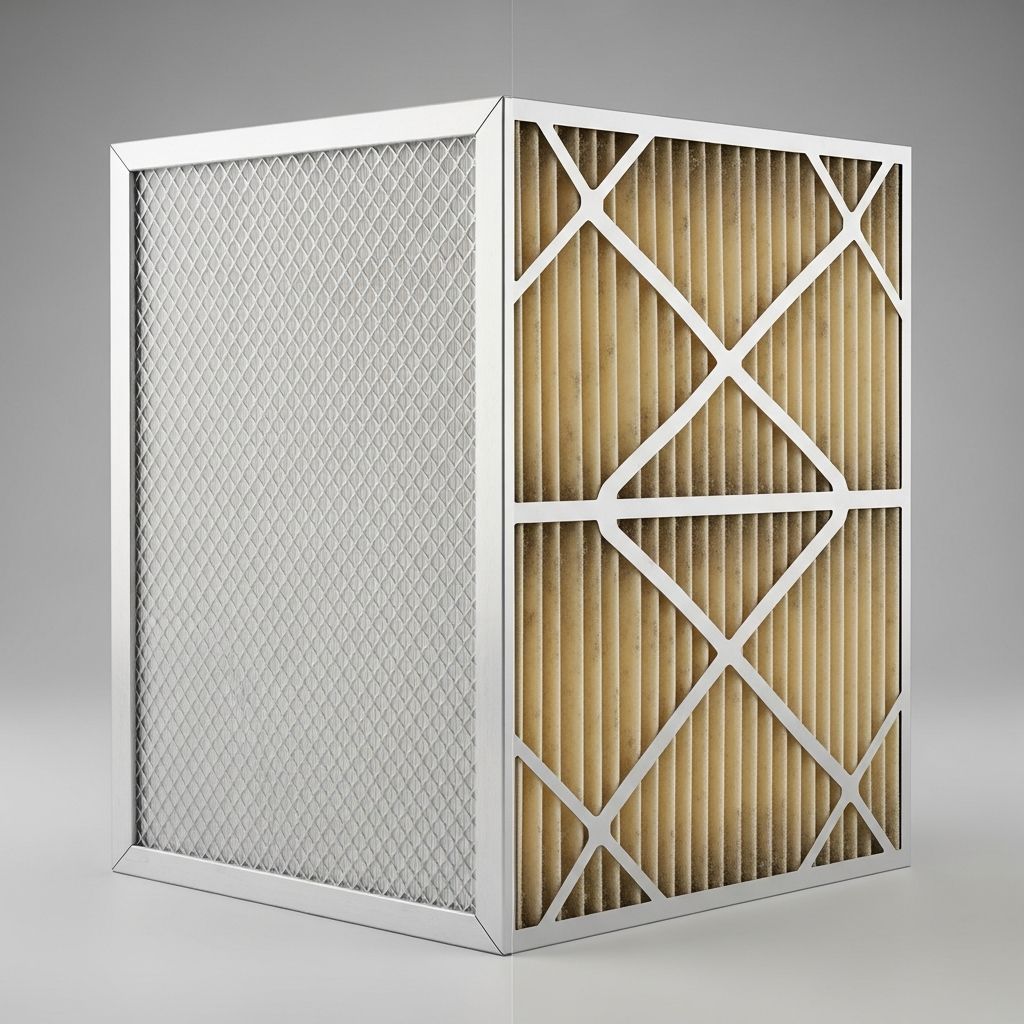
Choosing between washable and disposable air filters affects your indoor air quality, HVAC performance, ongoing expenses, and environmental footprint. Each filter type comes with trade-offs in efficiency, maintenance effort, and overall cost of ownership. Understanding these differences helps you make a decision that fits your health needs, budget, and values.
Table of Contents
- Overview: How Air Filters Work
- Key Differences Between Washable and Disposable Filters
- Pros of Washable Air Filters
- Cons of Washable Air Filters
- Pros of Disposable Air Filters
- Cons of Disposable Air Filters
- Efficiency and Performance Comparison
- Long-Term Cost Comparison
- Health and Environmental Considerations
- Maintenance and Care Requirements
- Decision Guide: Which Filter Is Right for You?
- Frequently Asked Questions (FAQs)
- Conclusion
Overview: How Air Filters Work
Air filters are installed in HVAC systems, furnaces, and air purifiers to trap particles as air moves through the system. Their primary goals are:
- Protecting HVAC components from dust and debris buildup
- Improving indoor air quality by capturing pollutants
- Maintaining efficient airflow and system performance
Filters use a fibrous or mesh material to mechanically trap particles. Disposable filters are designed to be replaced after they fill with debris, while washable filters are built from more durable media that can be rinsed and reused multiple times.
A common measure of filter performance is the Minimum Efficiency Reporting Value (MERV). Higher MERV ratings indicate better capture of smaller particles, but very high ratings can increase airflow resistance if the system is not designed for them.
Key Differences Between Washable and Disposable Filters
The core distinctions between washable and disposable air filters involve construction, lifespan, maintenance needs, and filtration performance.
| Feature | Washable Air Filters | Disposable Air Filters |
|---|---|---|
| Typical materials | Aluminum mesh, synthetic fibers, electrostatic media | Paper, fiberglass, pleated synthetic media |
| Lifespan | About 5–10 years with proper care | About 1–3 months for HVAC, 6–12 months in many purifiers |
| Upfront cost | Higher per filter | Lower per filter |
| Ongoing cost | Low, mainly time and cleaning supplies | Continuous replacement purchases |
| Filtration efficiency | Often low to moderate (commonly MERV 1–4) | Moderate to high (many options in MERV 4–12 and HEPA) |
| Maintenance effort | Regular washing, rinsing, and drying | Quick replacement in a few minutes |
| Environmental impact | Less landfill waste over product life | More material discarded over time |
Pros of Washable Air Filters
Washable filters can be a strong choice for homeowners focused on long-term savings and reduced waste.
1. Long Lifespan and Durability
Washable air filters are built from sturdy materials such as aluminum mesh or synthetic fibers, allowing them to last anywhere from about five to ten years when maintained correctly. This multi-year lifespan means a single filter can serve through dozens of cleaning cycles.
2. Lower Long-Term Costs
Although washable filters cost more upfront, they often pay for themselves over several years of use. Instead of buying a new disposable filter every one to three months, you continue using the same unit and only invest time and small amounts of water or mild detergent for cleaning.
3. Reduced Environmental Impact
Because washable filters are reused for years, they significantly cut down on the volume of filter media that ends up in landfills. Reducing the frequency of discarded filters aligns well with sustainability goals and lowers household waste.
4. Straightforward Cleaning Process
Most washable filters can be maintained with simple steps:
- Remove the filter from the HVAC unit or purifier
- Vacuum or shake off loose debris
- Rinse thoroughly with water, sometimes with mild detergent
- Allow to dry completely before reinstallation
When done regularly, cleaning usually takes only a few minutes of active work, followed by drying time.
Cons of Washable Air Filters
The advantages of washable filters come with some important limitations that may be critical for people with allergies or high air quality requirements.
1. Lower Filtration Efficiency
Many washable filters carry relatively low MERV ratings (often in the 1–4 range), meaning they are effective for larger particles like dust and lint but generally less effective for smaller particles such as pollen, mold spores, smoke, and fine pet dander. This can limit their usefulness in homes where occupants have asthma or strong sensitivities to airborne allergens.
2. Risk of Mold and Mildew
If a washable filter is reinstalled before it is completely dry, trapped moisture can encourage mold growth within the filter material. Mold spores can then circulate through the home, degrading indoor air quality. Allowing sufficient drying time is essential to avoid this risk.
3. Time and Effort
Compared with simply sliding in a new disposable filter, maintaining a washable filter takes more hands-on effort. You must schedule periodic cleanings, rinse the filter thoroughly, and wait for it to dry. For some homeowners, the added routine becomes inconvenient over time.
4. Potential Performance Degradation Over Time
Repeated washing can gradually wear down filter media, slightly altering its structure or creating small tears. If cleaning is too aggressive or detergents are harsh, the filter may lose efficiency faster and need replacement sooner than its maximum lifespan.
Pros of Disposable Air Filters
Disposable filters remain the standard choice in many homes because of their convenience and high filtration performance options.
1. Higher Filtration Performance
Disposable filters are available across a wide range of MERV ratings, with many household products in the MERV 4–12 range. Higher-rated pleated filters can capture a large share of fine particles such as pollen, dust mites, some bacteria, and smoke, often removing up to a very high percentage of larger airborne pollutants. For air purifiers, disposable HEPA and activated carbon filters are considered the gold standard for removing fine particles and odors.
2. Convenience and Ease of Use
Changing a disposable filter generally takes only a few minutes: slide out the old filter and insert a new one. There is no drying time, no rinsing, and no cleanup beyond discarding the used filter. This simplicity makes it easier for homeowners to stick to recommended replacement schedules.
3. Consistent Performance When Replaced on Schedule
A fresh disposable filter provides predictable filtration performance because the media is new and clean. As long as you replace filters at the recommended interval, your HVAC system or air purifier maintains stable airflow and air quality.
4. Wide Availability and Options
Disposable filters are produced in many sizes, thicknesses, and performance levels, making it easy to match your system and your indoor air quality priorities. You can select lower-cost basic filters or upgrade to higher-efficiency models if your system supports them.
Cons of Disposable Air Filters
Despite their advantages, disposable filters involve ongoing expenses and environmental drawbacks.
1. Recurring Replacement Costs
Disposable filters are cheaper per unit but must be replaced frequently. Many HVAC filters need replacement every one to three months, and some air purifier filters every six to twelve months. Over the life of a home or system, this creates a continuous cost line in your budget.
2. Environmental Impact and Waste
Used disposable filters typically cannot be recycled because they contain trapped contaminants and mixed materials. They go directly to landfills, adding to household waste. High-efficiency filters with thicker media generate even more material over time.
3. Risk of Neglect
Because replacing a filter requires purchasing a new one, some homeowners delay the task, allowing filters to remain in place long after they are clogged. Overused disposable filters restrict airflow, reduce efficiency, and can stress HVAC components.
Efficiency and Performance Comparison
When comparing washable and disposable air filters, filtration performance is often the deciding factor, especially for occupants with respiratory issues.
- Washable filters generally provide basic mechanical filtration that is adequate for protecting equipment and capturing coarse dust.
- Disposable pleated filters commonly offer higher MERV ratings, capturing a larger share of fine particulate matter.
- In air purifiers, disposable HEPA and activated carbon filters are specifically engineered for high-efficiency particle and gas removal, which washable media typically cannot match.
For households with allergies, pets, or exposure to smoke and pollution, disposable high-efficiency filters usually deliver noticeably cleaner air. For homes where the main goal is system protection and moderate dust control, a washable filter may be sufficient.
Long-Term Cost Comparison
Looking at cost over several years provides a clearer picture than focusing only on the upfront price of each filter type.
Example 5-Year Cost Scenario (One HVAC System)
- Assume a washable filter costs more initially but lasts 5–10 years with proper care.
- Assume a typical disposable filter costs modestly per unit and is replaced every 2–3 months.
Over five years, a household might purchase many disposable filters for a single system, while a washable filter would be purchased once and maintained. Even when you factor in occasional cleaning supplies and time, the total cash outlay for washable filters is often lower. However, if you need high-end, high-MERV or HEPA-level filtration, the superior performance of quality disposable filters may justify their ongoing cost.
Health and Environmental Considerations
Health and Indoor Air Quality
For people with asthma, allergies, or other respiratory conditions, filter choice can meaningfully influence comfort:
- High-efficiency disposable filters can substantially reduce airborne pollen, dust mites, pet dander, and some bacteria.
- Washable filters may leave more fine particles in circulation, which can affect sensitive individuals.
- Mold risk increases if washable filters are reinstalled while still damp.
In environments with heavy pollution or wildfire smoke, disposable HEPA-level filters often provide the best protection for indoor air quality.
Environmental Impact
From an environmental perspective, washable filters reduce landfill waste because they are reused for years instead of discarded every few months. Fewer filter shipments also mean lower packaging and transportation impacts. Disposable filters, by contrast, generate a steady stream of waste and require ongoing manufacturing and distribution. The trade-off is that disposable filters may provide better air quality for households that need high-efficiency filtration.
Maintenance and Care Requirements
Maintaining Washable Filters
To keep washable filters effective and safe, you should:
- Inspect them about once a month for dirt and debris buildup.
- Vacuum, rinse, or soak them according to manufacturer instructions.
- Use mild detergent if needed, avoiding harsh chemicals that can damage media.
- Allow at least 20–30 minutes, or longer if needed, for thorough drying.
- Ensure they are completely dry before reinstallation to prevent mold growth.
Maintaining Disposable Filters
Disposable filter maintenance mainly involves replacement:
- Check the filter monthly, especially during peak heating or cooling seasons.
- Replace according to manufacturer guidelines, often every 1–3 months for HVAC and 6–12 months for many air purifiers.
- Write the installation date on the frame as a reminder.
- Store spare filters in a clean, dry place to avoid damage before use.
Keeping either filter type clean and in good condition supports efficient airflow, stabilizes energy use, and prolongs the life of HVAC equipment.
Decision Guide: Which Filter Is Right for You?
The choice between washable and disposable air filters comes down to your priorities in cost, air quality, convenience, and sustainability.
Choose Washable Filters If:
- You want to minimize long-term filter purchase costs.
- Your household does not have severe allergy or asthma concerns.
- You are willing to commit to regular washing and full drying.
- You prioritize reducing waste and environmental impact.
- Your HVAC system is compatible with washable or electrostatic filters.
Choose Disposable Filters If:
- You need higher filtration performance for allergies, pets, or smoke.
- You prefer quick, low-effort maintenance and predictable results.
- You are comfortable with ongoing replacement costs.
- You want access to specific filter technologies such as HEPA or activated carbon.
Hybrid Approaches
Some systems and air purifiers use a hybrid strategy, pairing a washable pre-filter with a disposable HEPA or high-MERV filter. The washable layer captures large particles and hair, extending the life of the disposable core. This approach can balance cost savings with strong air cleaning performance.
Frequently Asked Questions (FAQs)
Q1: Are washable air filters as effective as disposable filters?
Washable air filters are usually effective at capturing larger particles like dust and lint but typically do not match the fine-particle filtration of high-MERV disposable or HEPA filters. For general system protection, they are often adequate, but for allergy relief or smoke, disposable high-efficiency filters usually perform better.
Q2: How often should I clean a washable air filter?
Most washable filters should be checked monthly and cleaned whenever they appear visibly dirty or as recommended by the manufacturer. In homes with pets, heavy dust, or high HVAC usage, more frequent cleaning may be necessary to maintain airflow and performance.
Q3: How often should I replace a disposable air filter?
For typical residential HVAC systems, disposable filters are commonly replaced every one to three months. Air purifiers may specify different intervals, often every six to twelve months, depending on the filter model, usage level, and air quality conditions.
Q4: Can all HVAC systems use washable filters?
Not every system is designed for washable or electrostatic filters. Before switching, you should verify compatibility with your system specifications or consult a qualified HVAC professional. Using an inappropriate filter can affect airflow and system performance.
Q5: Which option is better for the environment?
Washable filters generally produce less solid waste over their lifespan because the same filter is reused many times. Disposable filters, while often made of relatively simple materials, create more landfill volume due to frequent replacement. The environmental choice must also be weighed against the health benefits of higher-efficiency filtration when needed.
Conclusion
Washable and disposable air filters each offer distinct advantages, and the better option depends on what matters most in your home. Washable filters stand out for their long service life, lower long-term costs, and reduced environmental impact, as long as you are prepared to keep them clean and completely dry between uses. They are well suited to households seeking basic dust control and system protection without specialized air quality needs.
Disposable filters, on the other hand, excel in filtration performance and convenience. With a wide range of MERV and HEPA options, they are often the preferred choice for households managing allergies, asthma, pets, or smoke. Their main trade-offs are recurring costs and greater waste generation, both of which are manageable for many users in exchange for better air cleaning.
An informed decision starts with assessing your HVAC system’s compatibility, your indoor air quality requirements, and your willingness to commit time to maintenance. By weighing performance, cost, and environmental considerations together, you can select the filter strategy that best supports your comfort, health, and long-term budget.
Similar Articles



Read full bio of Sneha Tete