
Water Heater Not Turning On or Staying On: Power, Thermostat, and Pilot Light Basics
Understand why your water heater will not turn on or stay on by checking power, thermostats, and pilot light fundamentals.
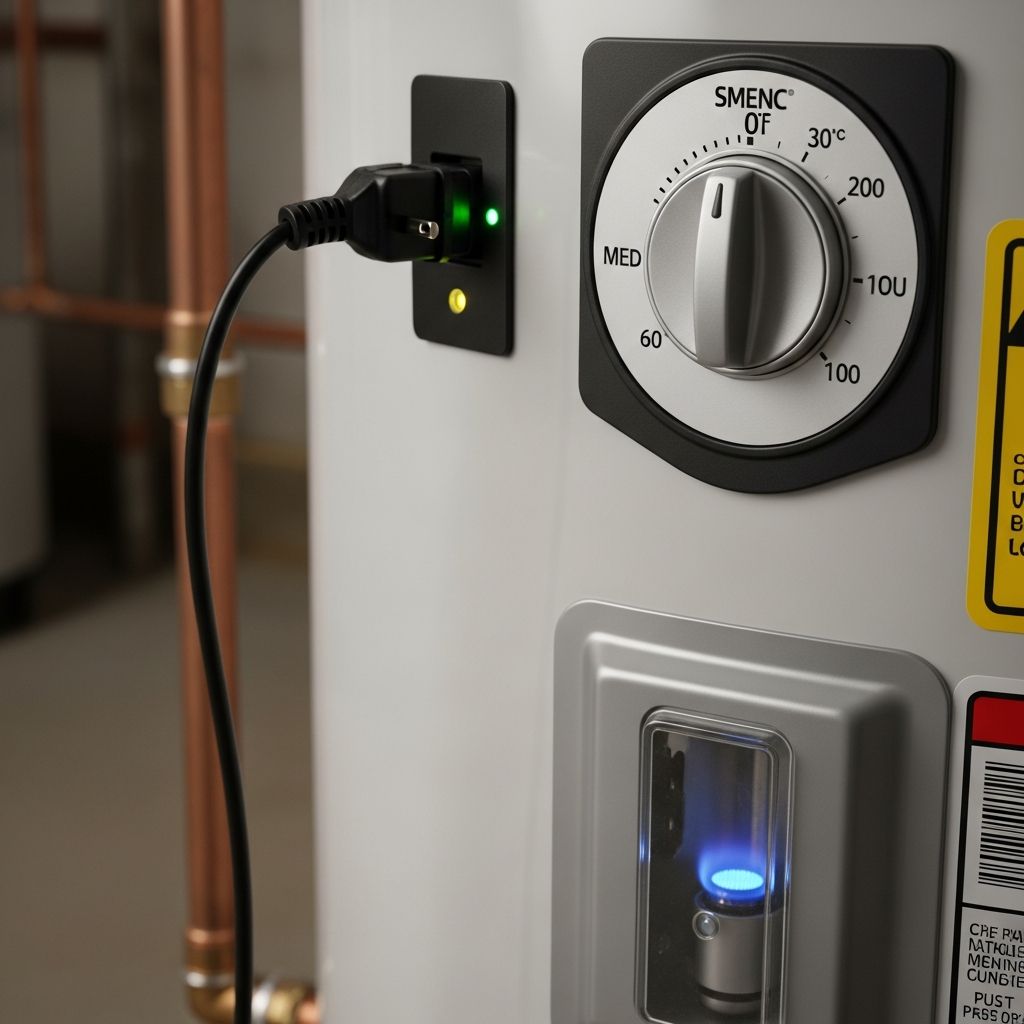
Water Heater Not Turning On or Staying On: Core Basics
When a water heater will not turn on or keeps shutting off, the root cause is usually related to three core systems: electrical or gas power supply, thermostat controls, or the igniting system such as the pilot light or electronic ignition. Understanding how these pieces work together helps you diagnose problems quickly and decide when to call a professional for safe repairs.
Electric water heaters depend on a stable electrical supply, working thermostats, and intact heating elements. Gas water heaters rely on a steady gas supply, a functioning pilot light or electronic ignition, and safety devices like thermocouples or flame sensors. When any of these fail or detect unsafe conditions, the heater may refuse to start or will shut down frequently.
Table of Contents
- How Water Heaters Are Supposed to Work
- Initial Safety Steps Before Troubleshooting
- Checking Power Supply: Electric and Gas
- Thermostat Basics and Common Failures
- Pilot Light and Ignition Problems (Gas Heaters)
- Other Issues That Stop Heaters from Staying On
- Troubleshooting Steps by Heater Type
- When to Call a Professional
- Frequently Asked Questions (FAQs)
- Conclusion
How Water Heaters Are Supposed to Work
Both electric and gas water heaters follow the same basic principle: cold water enters the tank, is heated to a set temperature, and is then delivered to your plumbing system as needed. The differences lie in how they generate heat and how they control and monitor safety.
| Feature | Electric Water Heater | Gas Water Heater |
|---|---|---|
| Heat Source | Electrical resistance heating elements inside the tank | Gas burner at the bottom of the tank using natural gas or propane |
| Control | Upper and lower thermostats cycle power to elements | Gas control valve, thermostat, and safety sensors |
| Ignition | Not applicable (no flame) | Pilot light or electronic igniter starts the burner flame |
| Common No-Heat Causes | Tripped breaker, bad thermostat, burned-out elements, tripped reset | Extinguished pilot, gas supply issue, blocked vent, failed thermocouple |
If your heater is not turning on or staying on, the goal is to find which part of this chain has failed: is it getting fuel or power, is it receiving the correct command from a thermostat, and is it able to maintain safe operation.
Initial Safety Steps Before Troubleshooting
Before touching a water heater, prioritize safety. Water heaters contain high voltage electricity, gas, and hot water under pressure.
- Turn off power to electric heaters at the service panel by switching off the dedicated breaker.
- For gas heaters, set the gas control knob to the off position and close the gas shutoff valve if necessary.
- Allow hot water time to cool before draining or opening any parts to avoid scalding.
- Never work on gas lines or major wiring unless you are qualified; call a licensed technician if you are unsure.
Once these steps are taken, you can proceed with basic checks that are generally safe for homeowners.
Checking Power Supply: Electric and Gas
Power problems are among the most common reasons a water heater will not turn on. The unit cannot heat if it is not receiving electricity or gas.
Electric Water Heater Power Checks
An electric water heater typically runs on a 240-volt dedicated circuit. If the heater is completely dead and not producing any hot water, start by confirming power.
- Check the main electrical panel for a tripped circuit breaker. If the water heater breaker is in the middle or off position, turn it fully off and then back on to reset.
- Some systems also have an emergency shutoff switch near the heater; verify this switch is on.
- Many electric heaters have a high-limit safety reset button (often red) on the upper thermostat. If tripped, the heater will stop heating. Press this reset; a clear click suggests it was tripped and is now reset.
- If the breaker repeatedly trips or the reset button will not stay engaged, this indicates a deeper electrical fault or overheating problem that needs professional diagnosis.
A technician may then test for voltage at the thermostat terminals and to each heating element to confirm power is reaching the unit and is correctly distributed.
Gas Water Heater Gas Supply Checks
For gas heaters, no ignition or the burner refusing to stay lit often indicates a gas supply or pilot light issue.
- Ensure the main gas shutoff valve supplying the heater is fully open; the handle should be in line with the pipe.
- Verify your household gas supply is working by checking other gas appliances, like a stove or furnace, if they are on the same line.
- On newer units with electronic gas valves, status lights may blink error codes when ignition fails or gas pressure is low. These codes can be looked up on the unit label or manual for diagnostic guidance.
- If you smell gas, do not attempt further troubleshooting. Leave the area and contact your gas utility or an emergency service immediately.
If gas supply and power checks look normal but the heater still does not stay on, the next place to look is the control and safety components, starting with thermostats.
Thermostat Basics and Common Failures
The thermostat senses water temperature and tells the heater when to turn on or off. Incorrect settings or failed thermostats are a frequent cause of no heat or inconsistent heating.
Typical Temperature Settings
Most residential thermostats are set between 120°F and 140°F. Settings significantly below this range may result in lukewarm water or the impression that the heater is not working properly. Adjusting the temperature slightly within this safe range can often solve minor comfort issues.
Electric Water Heater Thermostats
Standard electric tank heaters usually have two thermostats, upper and lower, that work together to heat the tank evenly.
- If the upper thermostat fails, the heater may not turn on at all because it controls power to the lower thermostat and elements.
- If the lower thermostat fails, you may get a small amount of hot water that quickly turns cold because only the top of the tank heats.
- A tripped high-limit switch on the upper thermostat stops all heating until manually reset.
Technicians test thermostats by checking for voltage across their terminals and verifying that they open and close as temperature changes. A misaligned or loose thermostat may not sense tank temperature properly and should be re-seated firmly against the tank surface.
Gas Water Heater Thermostats
Gas models use a thermostat integrated into the gas control valve. You usually see a dial labeled with temperature settings or simple hot, warm, and hot plus markings.
- If the thermostat fails, the burner may not ignite at all or may shut off prematurely.
- Some gas controls include a resettable thermal switch that trips if temperatures exceed safe limits; this must be checked and reset by following the manufacturer’s instructions.
- Persistent problems with a gas control valve or thermostat assembly typically require replacement by a qualified technician, as they are safety-critical components.
Pilot Light and Ignition Problems (Gas Heaters)
On many gas water heaters, the pilot light is the small flame that ignites the main burner when the thermostat calls for heat. If the pilot will not stay lit, the heater will not turn on or keep running.
Common Pilot Light Issues
- Extinguished pilot flame: Caused by drafts, interruptions in gas supply, or a dirty pilot orifice.
- Faulty thermocouple or thermopile: These devices sense the pilot flame. If they fail or become dirty, they stop sending the signal that allows gas to flow to the burner, shutting the system down for safety.
- Clogged or dirty components: Dust, corrosion, or spider webs in the burner or pilot assembly can reduce flame quality and cause repeated shutdowns.
Relighting the Pilot Safely
You should always follow the lighting instructions printed on your specific water heater, but the general steps include:
- Turn the gas control knob to the off position and wait several minutes to clear any residual gas.
- Turn the knob to pilot and press it down to start gas flow to the pilot.
- Use the built-in igniter or a long lighter as directed to light the pilot flame.
- Hold the knob down for a specified time so the thermocouple heats and begins generating a signal.
- Release the knob and verify the pilot remains lit before turning the control to the on position.
If the pilot goes out again within minutes or hours, there may be an issue with the thermocouple, thermopile, or gas control valve that requires professional service.
Other Issues That Stop Heaters from Staying On
Beyond power, thermostat, and pilot light problems, several additional components and conditions can cause a heater to shut off or fail to maintain hot water.
Heating Element Failure (Electric)
Electric heating elements wear out over time or can be damaged by sediment buildup and overheating. If an element fails, the heater may partially or completely stop producing hot water.
- Plumbers or skilled homeowners remove access covers and insulation, then test elements with a multimeter for proper resistance, typically between about 10 and 30 ohms.
- A reading near zero or infinite resistance indicates a failed element that needs replacement.
- Elements can also short to ground, causing breakers to trip repeatedly.
Tripped Safety Switches and TPR Valve Issues
Water heaters include multiple safety devices by design. When they detect unsafe conditions, they can stop the heater from staying on.
- High-temperature limit switches trip when temperatures exceed safe levels, cutting power until manually reset.
- Temperature and pressure relief (TPR) valves release water if pressure or temperature becomes dangerously high; a malfunctioning valve or overheating problem can trigger shutdowns.
Persistent activation of these safety devices signals a serious underlying problem such as overheating, thermostat failure, or pressure issues that must be addressed quickly.
Sediment Buildup and Flow Problems
Over time, minerals in the water form sediment at the bottom of the tank, reducing efficiency and affecting temperature control.
- On gas heaters, thick sediment can insulate the water from the burner, causing the burner to run longer and potentially overheat components, which may trigger thermal switches.
- On electric heaters, sediment can surround lower elements, leading to localized overheating and early element failure.
- Routine draining and flushing of a portion of the tank helps manage sediment and maintain stable operation.
A partially closed cold water supply valve can also mimic heater failure by limiting the amount of hot water reaching the home, so verifying that valves are fully open is important in troubleshooting.
Troubleshooting Steps by Heater Type
While each manufacturer has unique details, a systematic approach works well for most units. Start with simple checks and move toward more technical diagnosis as needed.
Step-by-Step: Electric Water Heater Not Turning On
- Confirm the hot water faucet truly has no hot water and not just lukewarm water that runs out quickly.
- Check the breaker in the electrical panel and reset if tripped.
- Verify any local shutoff switch near the heater is on.
- Turn off power and remove access panels to press the thermostat reset button. If it clicks, it had tripped.
- If the reset button trips repeatedly, inspect for possible thermostat failure, element issues, or overheating, and consider calling a professional.
- With power off, test heating elements with a multimeter for proper resistance and for grounds.
- If elements and thermostats test good but there is still no heat, deeper electrical issues such as wiring or control problems are likely and require expert diagnosis.
Step-by-Step: Gas Water Heater Not Staying On
- Verify the gas shutoff valve is fully open and other gas appliances are operating normally.
- Check that the thermostat is set to an appropriate temperature rather than on vacation or pilot-only mode.
- Inspect the status light on electronic gas valves for error codes, and reference the diagnostic chart on the unit.
- Attempt to relight the pilot according to the manufacturer’s instructions if it has gone out.
- If the pilot will not stay lit, the thermocouple, thermopile, or gas control valve may be faulty or dirty.
- Look for signs of restricted combustion air or blocked vents, such as soot, unusual flames, or repeated burner shutdown.
- For advanced troubleshooting of sensors, gas pressure, or electronic controls, contact a licensed technician, as improper handling can create safety hazards.
When to Call a Professional
Some basic checks are reasonable for homeowners, but several conditions indicate that professional service is the safest and most efficient option.
- Repeatedly tripping breakers, blown fuses, or burning smells from the heater.
- Persistent pilot light failure after following correct relighting procedures.
- Visible leaks from the tank, TPR valve, or plumbing connections around the heater.
- Signs of overheating, such as scorching on the unit, very hot exterior surfaces, or continuous TPR valve discharge.
- Unfamiliarity or discomfort working with gas or high-voltage electrical equipment.
Manufacturers and service resources provide detailed troubleshooting charts covering scenarios like no hot water, insufficient hot water, water too hot, and unusual noises that can help professionals quickly isolate issues.
Frequently Asked Questions (FAQs)
Q: Why does my water heater reset button keep tripping?
A: The reset button on an electric water heater trips when the water becomes too hot or there is an electrical fault. Common causes include a failed thermostat stuck in the on position, shorted heating elements, loose wiring, or severe sediment causing overheating. Constant tripping should be evaluated by a professional.
Q: My gas water heater pilot light will not stay lit. What is the most likely cause?
A: If the pilot lights but will not stay lit after you release the control knob, a faulty or dirty thermocouple or thermopile is often the culprit. These sensors must detect adequate flame to keep gas flowing. Replacement or cleaning is usually required and is best done by a qualified technician.
Q: Can a bad thermostat prevent my water heater from turning on at all?
A: Yes. On electric heaters, a failed upper thermostat can stop power from reaching the lower thermostat and both elements, resulting in no hot water. On gas models, a failed gas control thermostat can block burner ignition. In either case, professional replacement is typically needed.
Q: How often should I flush my water heater to prevent shutdowns?
A: Many experts recommend flushing at least a few gallons from the tank once or twice a year to control sediment buildup. In areas with very hard water, more frequent flushing may be beneficial to help protect thermostats, burners, and elements from overheating issues.
Q: Is it dangerous to keep resetting my water heater when it shuts off?
A: Repeatedly resetting the heater without finding the cause is not recommended. Safety devices trip for a reason, such as overheating, electrical faults, or combustion problems. Continuing to reset could bypass warning signs of a serious issue, so persistent trips should be inspected by a professional.
Conclusion
When a water heater will not turn on or will not stay on, the most common problem areas are the power supply, thermostat controls, and pilot or ignition system. Carefully checking breakers, reset buttons, gas valves, thermostat settings, and pilot light status often reveals whether the problem is simple or calls for expert repair.
Electric heaters depend on sound wiring, accurate thermostats, and intact heating elements, while gas units rely on a stable gas supply, properly functioning pilots or igniters, and responsive safety sensors. Routine maintenance, such as flushing sediment and periodically inspecting valves and controls, helps prevent many shutdown issues before they become serious.
A thoughtful approach balances basic homeowner checks with a clear understanding of where professional expertise is essential. Paying attention to warning signs, respecting safety devices, and addressing small issues early is the best way to keep your water heater reliable, efficient, and safe over the long term.
Similar Articles






Read full bio of medha deb