
Why Your Air Conditioner Is Not Cooling Enough: Causes and First Fixes
Understand the most common reasons an AC underperforms and learn safe first troubleshooting steps before calling an HVAC technician.
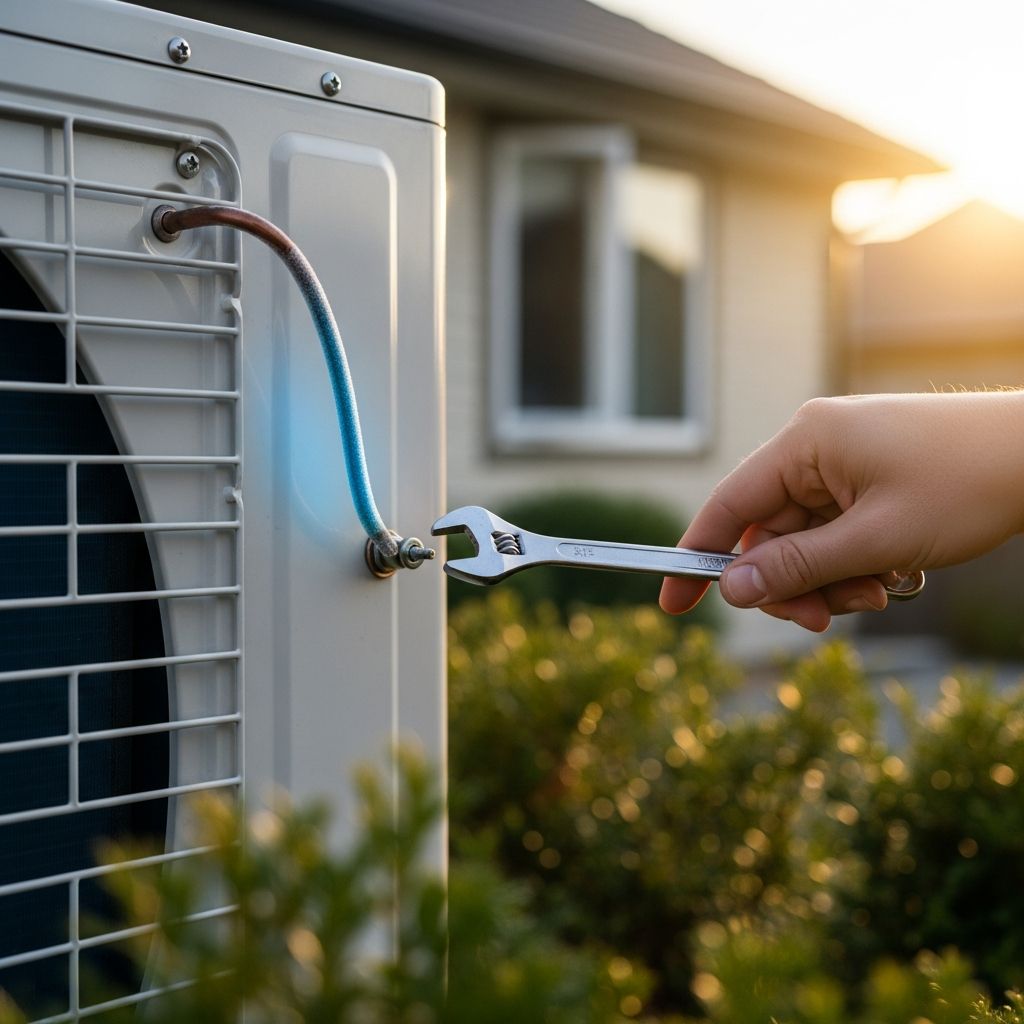
Why Your Air Conditioner Is Not Cooling Enough
When your air conditioner is running but the house still feels warm and uncomfortable, it can be both frustrating and worrying. In many cases, the cause is a relatively simple issue you can identify or even resolve yourself, while other times it points to a deeper mechanical or refrigerant problem that requires a certified HVAC technician.
This guide explains the most common reasons an air conditioner is not cooling enough and outlines safe, practical first troubleshooting steps you can take before scheduling professional service.
Table of Contents
- How a Central Air Conditioner Cools Your Home
- Quick Checklist Before You Start
- 1. Thermostat Issues and Incorrect Settings
- 2. Dirty or Clogged Air Filter
- 3. Blocked Vents, Returns, or Duct Problems
- 4. Dirty Condenser or Evaporator Coils
- 5. Low Refrigerant or Refrigerant Leak
- 6. Outdoor Condenser Fan Problems
- 7. Failing Compressor or Major Component Issues
- 8. Frozen Evaporator Coil and Drainage Issues
- 9. Improper Installation or Wrong-Sized System
- When to Stop Troubleshooting and Call a Professional
- Preventive Maintenance Tips to Avoid Cooling Problems
- Frequently Asked Questions (FAQs)
- Conclusion
How a Central Air Conditioner Cools Your Home
Understanding the basics of how your system works helps you connect symptoms to likely causes. In a typical split-system central air conditioner:
- The indoor unit contains the evaporator coil and air handler or furnace blower. Warm indoor air passes over the cold evaporator coil, where heat and humidity are removed.
- The outdoor unit contains the compressor, condenser coil, and condenser fan. Heat absorbed indoors is released to the outside air through the condenser coil.
- Refrigerant circulates between these coils, continuously absorbing heat inside and rejecting it outside.
- A thermostat monitors indoor temperature and signals the system to start or stop cooling.
Anything that interferes with airflow, heat transfer, refrigerant flow, or control signals can lead to poor cooling performance.
Quick Checklist Before You Start
Before diving into specific causes, take these initial safety and setup steps:
- Verify the thermostat is powered, on, and set correctly for cooling.
- Ensure the main AC circuit breaker and any outdoor disconnect switches are on.
- Listen: is the indoor blower running, the outdoor unit running, or both?
- Check for unusual smells, buzzing, grinding, or visible smoke. If present, turn the system off and call a professional.
- Never open sealed electrical panels, handle refrigerant, or attempt internal component repairs yourself.
1. Thermostat Issues and Incorrect Settings
The thermostat is often the simplest and most overlooked reason for an AC that is not cooling properly.
Common Causes
- Thermostat is set to Heat instead of Cool.
- Fan is set to On instead of Auto, so the blower runs without active cooling and can blow warm air between cycles.
- Set temperature is too high to trigger cooling.
- Dead or weak thermostat batteries.
- Thermostat placed in a poor location (direct sun, near appliances, drafty areas) that misreads room temperature.
First Troubleshooting Steps
- Confirm mode is set to Cool and the set point is a few degrees below the current room temperature (for example, 72°F when the room is 78°F).
- Set the fan to Auto so it only runs during active cooling cycles.
- Replace thermostat batteries if it has a battery compartment.
- If the display is blank or unresponsive after replacing batteries and checking power, the thermostat itself may need replacement by a professional.
2. Dirty or Clogged Air Filter
A dirty air filter is one of the most common and easily fixable causes of poor cooling. When the filter is clogged, airflow through the system drops, making it harder to move enough air across the evaporator coil.
Symptoms of a Dirty Air Filter
- Weak airflow from supply vents.
- Some rooms feel stuffy or warmer than others.
- System runs for long periods without reaching the set temperature.
- Visible dust buildup on the filter surface.
Risks of Ignoring a Dirty Filter
- Reduced cooling capacity and higher energy bills.
- Evaporator coil can get too cold and freeze, further reducing cooling.
- Increased strain on blower motor and other components.
First Troubleshooting Steps
- Turn the system Off at the thermostat.
- Locate the filter (typically in a return grille, filter slot near the air handler, or inside the furnace cabinet).
- Remove the filter and check for dirt and blockage.
- Replace disposable filters with a new filter of the same size and airflow rating or clean reusable filters as directed by the manufacturer.
- Turn the system back on and monitor airflow and cooling performance.
3. Blocked Vents, Returns, or Duct Problems
Even with a clean filter, your AC cannot cool effectively if cooled air cannot circulate freely through the ducts and vents.
Common Causes
- Supply vents blocked by furniture, rugs, or curtains.
- Closed registers in some rooms, which can increase static pressure and reduce overall airflow.
- Return air grilles blocked by furniture or storage boxes.
- Duct damage, disconnections, or air leaks, especially in attics or crawl spaces.
First Troubleshooting Steps
- Walk through the home and make sure all supply and return vents are open and unobstructed.
- Open closed registers; closing too many can increase system strain and reduce cooling.
- Look for obvious duct issues in accessible areas: crushed flexible ducts, disconnected joints, or large gaps (do not enter unsafe spaces).
- If you suspect hidden duct leaks or poor airflow to entire sections of the house, schedule a professional duct inspection.
4. Dirty Condenser or Evaporator Coils
Your air conditioner relies on clean coils to transfer heat efficiently. Dirt and debris on either the indoor evaporator coil or outdoor condenser coil act like insulation, blocking heat transfer and reducing cooling capacity.
Dirty Outdoor Condenser Coil
- Located in the outdoor unit.
- Can be clogged by dirt, grass clippings, leaves, cottonwood fluff, or nearby landscaping.
Symptoms
- Outdoor unit runs constantly and feels very hot to the touch.
- House cools very slowly or not at all on hot days.
First Troubleshooting Steps for the Outdoor Unit
- Turn power off at the thermostat and at the outdoor disconnect or breaker for safety.
- Remove leaves, branches, and debris around the unit; keep at least 2–3 feet of clearance on all sides.
- Gently rinse the coil fins with a garden hose from the inside out if accessible, avoiding high pressure that can bend fins.
- Do not use harsh chemicals or open sealed panels; deeper cleaning should be done by a technician.
Dirty Indoor Evaporator Coil
The indoor coil can also accumulate dust, pet hair, or biological growth, especially if filters have been neglected.
- Symptoms can include poor cooling, coil freezing, and water leaks near the indoor unit.
- Access is often behind panels or within the air handler, and cleaning typically requires professional tools and training.
If you suspect a dirty evaporator coil, the safest first step is to replace the air filter and call an HVAC professional for inspection and cleaning.
5. Low Refrigerant or Refrigerant Leak
Refrigerant is the working fluid that moves heat from inside to outside. If the system is low on refrigerant, usually due to a leak, it will struggle to cool your home effectively.
Common Signs of Low Refrigerant
- AC runs for long periods but never reaches the set temperature.
- Air from vents feels cool but not cold, even after a long runtime.
- Ice forming on the refrigerant lines or evaporator coil.
- Hissing or bubbling noises near lines or coils (possible leak).
- Higher indoor humidity and clammy air.
Important Safety and Legal Notes
- Refrigerant systems are sealed; if the level is low, there is likely a leak that must be located and repaired.
- Handling refrigerant requires specialized equipment, certification, and adherence to environmental regulations.
First Troubleshooting Steps
- Check the air filter and airflow first; restricted airflow can mimic some signs of low refrigerant.
- Look for visible ice buildup on copper lines or the indoor coil. If present, turn the system off and allow it to thaw completely to prevent damage.
- If symptoms persist, contact a licensed HVAC technician to measure refrigerant pressures, locate leaks, and recharge the system as needed.
6. Outdoor Condenser Fan Problems
The condenser fan in the outdoor unit draws air across the condenser coil to expel heat. If the fan is not running or is running weakly, heat cannot be removed effectively and cooling suffers.
Common Causes
- Failed or failing fan motor.
- Defective capacitor that helps the fan start.
- Debris obstructing the fan blades.
Symptoms
- Outdoor unit makes a humming sound but the fan does not spin.
- Fan starts, then stops, or runs very slowly.
- Outdoor unit becomes excessively hot during operation.
First Troubleshooting Steps
- Turn the system Off immediately if the compressor is running but the fan is not, to prevent compressor damage.
- With power off at the breaker, visually inspect for debris blocking the fan and remove it carefully.
- Do not push-start the fan with objects or replace fan motors or capacitors yourself; these steps should be left to professionals for safety.
7. Failing Compressor or Major Component Issues
The compressor is the heart of your AC system, pressurizing refrigerant and driving the cooling cycle. Compressor problems often show up as severely reduced or no cooling.
Possible Causes
- Age-related wear and tear.
- Electrical issues or burnout.
- Operating for long periods with low refrigerant, dirty coils, or poor airflow.
Symptoms
- Outdoor unit hums but does not start properly, or starts and quickly shuts off.
- Breaker trips repeatedly when AC starts.
- No cooling despite both indoor and outdoor fans appearing to run.
First Troubleshooting Steps
- Reset a tripped breaker once only. If it trips again, turn the system off and call a professional.
- Ensure coils are clean and airflow is not restricted, as these conditions can stress the compressor.
- Compressor diagnosis and replacement are not DIY tasks; they require a qualified technician and can sometimes warrant system replacement rather than repair.
8. Frozen Evaporator Coil and Drainage Issues
A frozen evaporator coil significantly reduces cooling because air cannot effectively pass over the coil. It often results from poor airflow or refrigerant problems.
Common Causes of a Frozen Coil
- Very dirty air filter or blocked return vents.
- Dirty evaporator coil.
- Low refrigerant level or leak.
Symptoms
- Little or no air coming from vents, even though the blower is on.
- Visible ice on the refrigerant lines or indoor coil compartment.
- Water leaking around the indoor unit as the ice melts.
First Troubleshooting Steps
- Turn the thermostat to Off and set the fan to On to help thaw the coil faster.
- Replace the air filter and ensure all vents and returns are open and unobstructed.
- Allow several hours for all ice to melt before restarting in Cool mode.
- If the coil freezes again, call an HVAC technician to test refrigerant levels and inspect the coil.
9. Improper Installation or Wrong-Sized System
Even when all components are working, your AC may still struggle to cool if it was installed incorrectly or is not properly sized for your home.
Common Issues
- Undersized system: Cannot keep up on hot days, runs almost constantly, and never reaches the set temperature.
- Oversized system: Short-cycles, cools the air quickly but does not run long enough to dehumidify properly, leaving the home cool but clammy.
- Improperly installed or leaky ducts that dump cool air into attics or crawl spaces rather than living areas.
First Troubleshooting Steps
- Consider whether the problem has existed since installation. Chronic issues from day one can indicate sizing or installation problems.
- Look for unusually high energy bills combined with poor comfort.
- Have a professional perform a load calculation and inspect ductwork for leaks or poor design.
When to Stop Troubleshooting and Call a Professional
Some issues are appropriate for basic homeowner troubleshooting, while others require expert tools and training.
| Situation | DIY-Friendly? | Recommended Action |
|---|---|---|
| Checking thermostat settings, replacing batteries | Yes | Verify mode, setpoint, and fan setting; replace batteries if needed. |
| Replacing air filters, opening vents, clearing debris | Yes | Inspect and correct airflow restrictions, replace dirty filters. |
| Light cleaning around outdoor unit | Yes | Turn power off and gently clean around the condenser; avoid opening panels. |
| Refrigerant leaks or low refrigerant | No | Call a licensed HVAC technician to locate leaks and recharge. |
| Frozen coil that refreezes repeatedly | Partially | Replace filter and thaw once; if problem returns, call a professional. |
| Electrical issues, tripping breakers, compressor or fan motor failures | No | Turn system off and schedule professional diagnosis. |
Preventive Maintenance Tips to Avoid Cooling Problems
Many common cooling problems can be reduced or prevented with routine maintenance and good operating habits.
- Change or clean filters regularly: Typically every 1–3 months, or more frequently in dusty homes or with pets.
- Keep outdoor unit clear: Maintain at least 2–3 feet of clearance and trim vegetation around the condenser.
- Schedule professional maintenance: Annual tune-ups allow technicians to check refrigerant levels, clean coils, inspect electrical components, and catch small problems early.
- Use reasonable thermostat settings: Avoid extreme temperature swings that cause excessive cycling.
- Seal and insulate ducts and your home: Proper sealing, weatherstripping, and insulation reduce the load on your AC and improve comfort.
Frequently Asked Questions (FAQs)
Why is my AC running but not cooling the house enough?
Common causes include incorrect thermostat settings, dirty air filters, blocked vents, dirty coils, low refrigerant, or issues with the condenser fan or compressor. Start with simple checks: thermostat mode, filter, and airflow.
How can I tell if my air conditioner is low on refrigerant?
Signs can include long run times with poor cooling, ice on refrigerant lines or the evaporator coil, and higher indoor humidity. Only a technician with proper gauges can confirm refrigerant levels and locate leaks.
Is it safe to run my AC if the evaporator coil is frozen?
No. Running the system with a frozen coil can damage the compressor. Turn the system off, let it thaw completely, replace the filter, and restore airflow. If it freezes again, schedule professional service.
How often should I replace my AC filter to avoid cooling problems?
Most homes should replace or clean filters every 1–3 months. Homes with pets, smokers, or high dust levels may need more frequent changes.
When should I replace my air conditioner instead of repairing it?
If your system is older (often 10–15 years or more), needs frequent repairs, or has major issues such as a failing compressor combined with high energy bills and poor performance, a technician may recommend replacement after evaluating the system.
Conclusion
An air conditioner that is not cooling enough can stem from a wide range of causes, from something as simple as an incorrect thermostat setting or a clogged air filter to more complex issues like refrigerant leaks, failing fans, or compressor damage. Starting with basic, safe checks allows you to rule out common, low-cost problems and sometimes restore normal cooling without specialized tools.
Once you have confirmed that settings, filters, airflow, and visible cleanliness are in good order, any remaining symptoms point more strongly toward issues that require professional attention. Paying attention to how your system behaves, documenting changes, and communicating clear observations to an HVAC technician will make diagnosis more accurate and efficient.
Over the long term, consistent filter changes, keeping the outdoor unit clear, and scheduling periodic professional maintenance significantly reduce the chances of sudden cooling failures. A thoughtful approach that combines simple homeowner care with timely expert service helps your air conditioner maintain comfort, efficiency, and reliability throughout the hottest days of the year.
Similar Articles





Read full bio of medha deb