
Why Your Air Conditioner Smells Bad: Common Odors, Causes, and Fixes
Understand what different AC odors mean, what causes them, and high-level steps to restore clean, fresh indoor air.
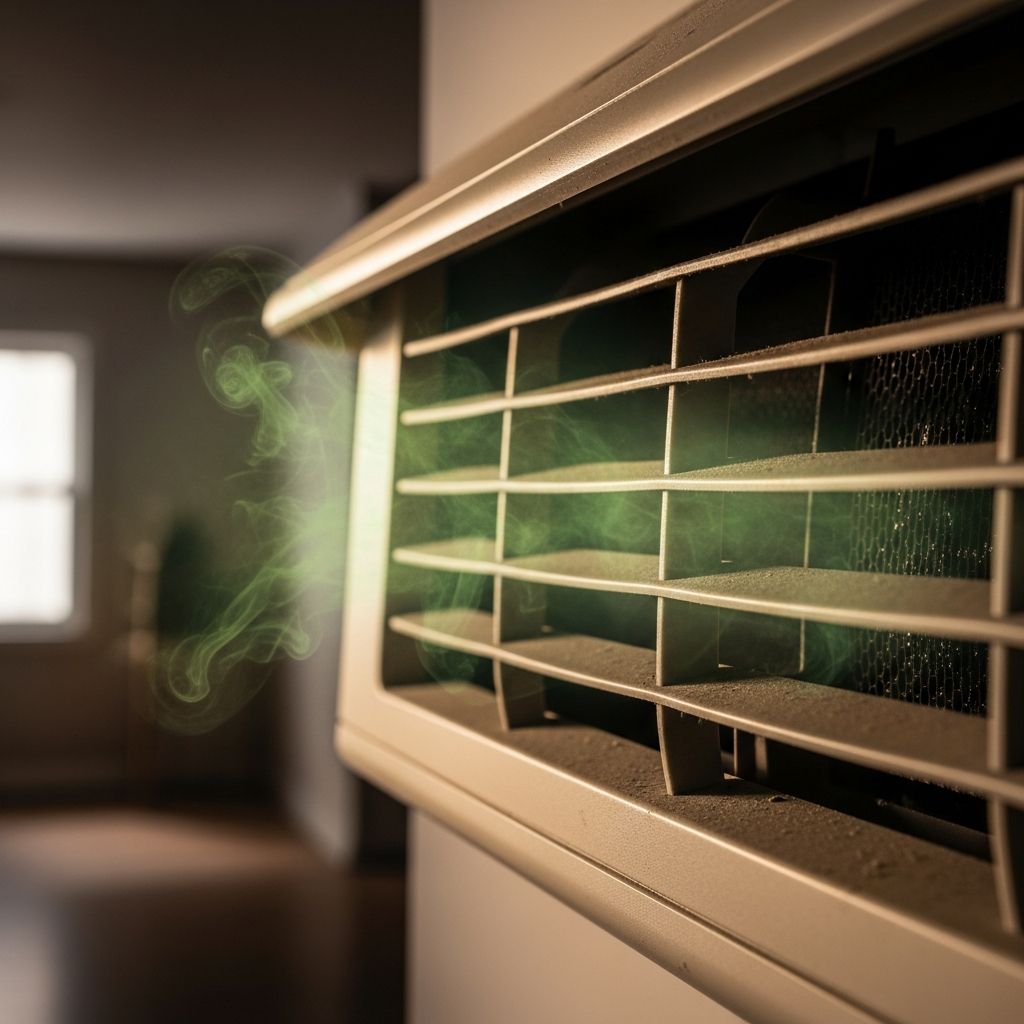
Why Your Air Conditioner Smells Bad: Common Odors, Causes, and High-Level Fixes
When your air conditioner starts to smell bad, it is usually a warning sign that something inside the system or your home’s air distribution is not working as it should. Common AC odors can point to issues like mold growth, dirty filters, electrical problems, or even a dangerous gas or refrigerant leak.
Understanding what different smells mean helps you decide whether you can address the issue with simple maintenance or need urgent professional repair. It also protects your health by preventing long-term exposure to mold, chemicals, or combustion byproducts circulating in your indoor air.
Table of Contents
- How Smell Relates to AC Performance and Safety
- Common Air Conditioner Odors and What They Mean
- Causes by AC Component or Area
- Health Risks Associated With AC Odors
- High-Level Fixes and When to Call a Professional
- Prevention Tips to Keep Your AC Smelling Fresh
- Frequently Asked Questions (FAQs)
- Conclusion
How Smell Relates to AC Performance and Safety
Bad smells from your air conditioner are more than a nuisance; they are often an early indicator of mechanical, moisture, or contamination problems in the system.
- Performance impact: Odors from dirty filters, clogged drain lines, or mold-covered coils almost always accompany reduced airflow, poor cooling, and higher energy use.
- Moisture and microbial growth: Modern high-efficiency ACs remove a lot of humidity, which creates more condensation. If that moisture does not drain properly, it becomes a breeding ground for mold, mildew, and bacteria, leading to musty or dirty sock smells.
- Safety concerns: Burning, chemical, or gas-like smells can signal dangerous conditions such as electrical overheating, refrigerant leaks, or even natural gas leaks near the HVAC system.
Because smells often appear before a full failure, paying attention to odors gives you a chance to correct problems early and protect indoor air quality.
Common Air Conditioner Odors and What They Mean
Different AC smells usually correspond to specific issues. The table below summarizes the most frequently reported odors, their typical causes, and urgency level.
| Odor Description | Likely Cause | Health / Safety Concern | Urgency |
|---|---|---|---|
| Musty, moldy, old basement | Mold or mildew in coils, drain pan, ducts, or filter | Can aggravate allergies, asthma, respiratory issues | High, but not usually an emergency |
| Dirty socks, gym bag | Bacterial growth on evaporator coil (“dirty sock syndrome”) | Unpleasant and may worsen air quality | Moderate to high; schedule service |
| Rotten eggs, dead animal | Dead rodent in duct, or possible gas-related issue | Potential gas leak; biological contamination | Immediate if gas is suspected |
| Chemical or sweet, like solvent or coolant | Refrigerant leak or chemical fumes drawn into return air | Possible refrigerant exposure; system damage | High; turn off and call a pro |
| Exhaust fumes | Overheating parts, refrigerant, or nearby combustibles | Possible toxic fumes; fire risk | High; stop using system |
| Burning plastic, burning rubber, or electrical | Overheated wiring, motor, or component failure | Fire hazard; inhalation of fumes | Emergency; shut off power |
| Cigarette or stale smoke | Tobacco residue in ducts and filters | Poor indoor air quality, lingering odors | Low to moderate |
| Stale water, swampy | Blocked condensate drain line or full drain pan | Promotes mold and bacteria growth | Moderate |
| Feet, strong sour odor | Very dirty, clogged unit with standing water and debris | Unhygienic conditions, poor air quality | Moderate to high |
1. Musty or Moldy Smell
A musty or moldy odor is one of the most common AC complaints. It usually indicates mold or mildew growing where moisture collects, such as on the evaporator coils, in the drain pan, or inside ductwork.
- Thrives in humid climates and in systems with poor drainage or long off-cycles.
- Often accompanied by allergy flare-ups, headaches, or an “old basement” smell throughout the house.
- Can be worsened by dirty air filters and dust buildup in vents.
2. Dirty Socks or Gym Bag Smell
This smell is so specific that technicians often call it “dirty sock syndrome.” It is usually caused by bacterial growth on the cold, damp evaporator coil.
- More common when systems rapidly switch between heating and cooling, especially in spring and fall.
- Linked to excess moisture that lingers on coils and in high-efficiency systems that remove more humidity.
3. Rotten Eggs or Dead Animal Smell
A strong rotten egg odor can be caused by a dead rodent or other small animal decomposing inside the ductwork or near the indoor unit.
- May occur when animals crawl into ducts or outdoor units seeking shelter, then become trapped.
- Rotten egg smells can also be associated with gas leaks; utilities sometimes add a sulfur-like odorant to natural gas for detection.
If the smell resembles gas or is very strong, treat it as a potential gas leak: ventilate the home and contact your gas company or emergency services.
4. Chemical, Sweet, or Refrigerant-Like Smell
A chemical or slightly sweet smell from your AC can indicate a refrigerant leak or chemicals being pulled into the return duct.
- Refrigerant leaks reduce cooling performance and can damage the compressor over time.
- Some refrigerants have a faintly sweet or chloroform-like odor.
- Other chemical smells can come from cleaning agents, paints, or solvents stored near the air handler and drawn into the system.
If you suspect refrigerant, stop running the system and schedule professional service.
5. Exhaust Fumes or Gasoline-Like Odor
Because central air conditioners do not have exhaust like a car, any exhaust fumes smell indicates something abnormal.
- May be related to a refrigerant issue, overheating parts, or nearby combustion appliances venting improperly.
- Can signal that fluids or chemicals are leaking and being distributed through ductwork.
This type of odor should be treated as a possible safety risk and investigated promptly.
6. Burning Plastic, Rubber, or Electrical Smell
A burning smell from an air conditioner is a potential emergency. It often comes from overheated wiring, a failing motor, or another electrical component inside the indoor or outdoor unit.
- Can smell like burning plastic, rubber, or hot metal and insulation.
- May be accompanied by unusual noises, tripped breakers, or visible smoke.
Turn off power at the thermostat and breaker panel and contact an HVAC professional immediately.
7. Cigarette Smoke or Stale Tobacco Odor
If someone has smoked regularly indoors, the air conditioner can absorb and recirculate that smell.
- Tobacco residue clings to filters, coils, and duct interiors.
- When the system runs, it redistributes these odors through the home, even after smoking stops.
8. Stale Water or Swampy Smell
A stale water or swampy odor usually points to a blocked condensate drain line or a full, dirty drain pan.
- Standing water allows bacteria, algae, and mold to grow, generating unpleasant odors.
- Condensate lines can become clogged with sludge, mold, or debris over time.
9. Strong Feet or Sour Smell
When an AC “smells like feet,” it is often a sign of a very dirty, clogged system with persistent moisture.
- Usually begins with poor drainage and pooled water mixed with dirt and organic debris.
- Creates ideal conditions for bacterial growth and powerful sour odors.
Main Causes Grouped by AC Component or Area
Smells usually trace back to specific parts of the HVAC system. Understanding these areas helps focus inspection and high-level fixes.
Evaporator Coil
- Collects condensation as warm indoor air passes over it.
- Can harbor mold, mildew, and bacteria when always damp, causing musty or dirty sock smells.
- Dust and organic debris on the coil provide food sources for microbial growth.
Condensate Drain Pan and Drain Line
- Capture and remove water that drips off the evaporator coil.
- When clogged, water stagnates, leading to swampy, stale water, or sour odors.
- Sludge, algae, and mold easily form in neglected pans and lines.
Air Filters and Return Air Path
- Dirty or overloaded filters trap moisture, dust, and organic particles that feed odor-causing microbes.
- Filters saturated with smoke, pet dander, or household chemicals continually recirculate those smells.
Ductwork
- Can accumulate dust, pet hair, and moisture, allowing mold to grow and dead animals to decompose inside.
- Leaks in ducts may draw in attic, crawl space, or garage odors like chemicals or exhaust fumes.
Electrical and Mechanical Components
- Motors, capacitors, wiring, and control boards can overheat or fail, producing burning or gunpowder-like smells.
- Failed electronics may release sharp, acrid odors and pose fire risks.
Refrigerant Circuit
- Leaks in coils, lines, or connections can create chemical or sweet-smelling odors.
- Refrigerant issues usually coincide with reduced cooling and possibly ice on the lines or coil.
Health Risks Associated With AC Odors
Bad AC smells are not just unpleasant; they may carry real health implications, particularly for children, older adults, and people with respiratory conditions.
- Mold and mildew spores: Can trigger allergies, asthma attacks, sinus irritation, coughing, and headaches.
- Bacteria and biofilms: Growth on coils and in drain pans can degrade indoor air quality and cause respiratory discomfort.
- Refrigerant exposure: High levels may cause dizziness, nausea, or irritation; chronic system leaks also contribute to environmental harm.
- Burning plastics or electrical fumes: May release irritants and toxic compounds that are unsafe to inhale, especially in tightly sealed homes.
- Decomposing animals: Can harbor bacteria and pathogens that circulate through ducts.
High-Level Fixes and When to Call a Professional
While some odor issues improve with simple maintenance, others require immediate professional attention. Use the guidelines below as a high-level framework, not a replacement for expert diagnosis.
Issues You Can Often Address Yourself
- Replace air filters regularly: Swap disposable filters every one to three months, or more often in dusty or high-use environments.
- Visually check and clean accessible areas: Gently dust supply vents and return grilles; remove visible debris that might block airflow.
- Clear minor condensate line blockages: If you can safely access the condensate line, some homeowners use a wet/dry vacuum at the outside outlet to remove clogs, or a small amount of approved cleaning solution in the drain pan. Ensure power is off before working around the unit.
- Remove obvious sources near returns: Move strong chemicals, paints, gasoline, or cleaners away from return vents and the air handler so their fumes are not drawn into the system.
Problems That Require Professional Service
- Persistent musty or dirty sock smells: Usually require deep cleaning of the evaporator coil, drain pan, and possibly ductwork, using specialized tools and approved disinfectants.
- Chemical, sweet, or refrigerant-like odors: Refrigerant work must be handled by licensed HVAC professionals who can locate and repair leaks, then recharge the system safely.
- Burning, electrical, or exhaust smells: Turn off the system immediately and call a professional to inspect wiring, motors, and other components for overheating or failure.
- Suspected dead animal in ducts: A pro can locate and remove the animal, then assess if duct cleaning or sanitizing is needed.
- Gas-like or strong rotten egg odor: If you suspect a gas leak, leave the home, ventilate if safe to do so, and contact the gas company or emergency services before calling HVAC.
Prevention Tips to Keep Your AC Smelling Fresh
Most AC odor problems can be reduced or avoided with consistent maintenance and good moisture control.
- Schedule annual professional maintenance: A preventive visit usually includes checking refrigerant levels, inspecting electrical components, cleaning coils, and verifying proper drainage, all of which reduce odor risk.
- Replace or clean filters on schedule: Use filters recommended for your system, and keep a reminder to replace them regularly.
- Keep condensate systems clear: Ensure the drain pan is not full and the drain line is not leaking or clogged; your technician can add preventive treatments during maintenance.
- Manage humidity: In very humid regions, consider dehumidification strategies or verifying your system is correctly sized and balanced to avoid constant dampness in coils and ducts.
- Seal and insulate ducts: Properly sealed ducts are less likely to draw in attic, crawl space, or garage odors and moisture.
- Keep return area clean: Do not store chemicals, paints, or fuel containers near the indoor unit or return vents.
Frequently Asked Questions (FAQs)
Why does my AC smell musty only when it first turns on?
When the system first starts, air pushes across coils and ducts that may contain settled moisture and mold spores, releasing a brief musty burst. As airflow continues, the smell may fade, but it still indicates microbial growth in coils, drain pans, or ductwork that should be addressed.
Is a musty AC smell dangerous?
Musty smells usually come from mold or mildew, which can aggravate asthma, allergies, and respiratory irritation, especially for sensitive individuals. While not typically an immediate emergency, it is important to correct the underlying moisture and cleanliness issues to protect long-term indoor air quality.
Can I run my AC if it smells like chemicals or refrigerant?
Running an AC that smells like chemicals or has a sweet, coolant-like odor is not recommended. Refrigerant leaks reduce system performance, can damage components, and may pose health and environmental risks. Turn off the system and arrange for a licensed HVAC technician to inspect it.
How often should I have my AC professionally cleaned to prevent odors?
Most experts recommend at least one professional maintenance visit per year, often before the cooling season. In very humid climates or in homes with past odor issues, more frequent inspections or targeted coil and drain cleaning may be helpful.
Why does my AC smell like feet or dirty socks even after changing the filter?
If the filter is clean but the odor persists, the source is likely bacterial growth on the evaporator coil or in the drain system, not just in the filter. This is a hallmark of dirty sock syndrome and generally requires professional coil cleaning and moisture control to eliminate.
Conclusion
Bad smells from your air conditioner are direct clues about what is happening inside the system and in your home’s air pathways. Musty and dirty sock odors commonly point to moisture and microbial growth on coils, in drain pans, or in ductwork, while burning, chemical, or gas-like smells indicate more urgent electrical or refrigerant issues that demand immediate attention.
Decoding these odors allows you to prioritize the right response: routine maintenance and cleaning for mold-related smells, prompt professional diagnosis for refrigerant and electrical problems, and emergency action if you suspect gas or burning components. Combining regular filter changes, annual professional service, moisture control, and awareness of new or changing odors helps maintain both system performance and healthy indoor air.
A thoughtful, informed approach treats unusual smells as early warning signals rather than mere annoyances. By recognizing common odor patterns and responding appropriately, you reduce health risks, extend equipment life, and keep your home more comfortable and safe throughout the cooling season.
Similar Articles






Read full bio of Sneha Tete