
Why Your Air Conditioner Turns On and Off Frequently: Short Cycling Explained in Detail
Understand why your AC keeps turning on and off, what short cycling really is, and how to stop it before it causes costly damage.
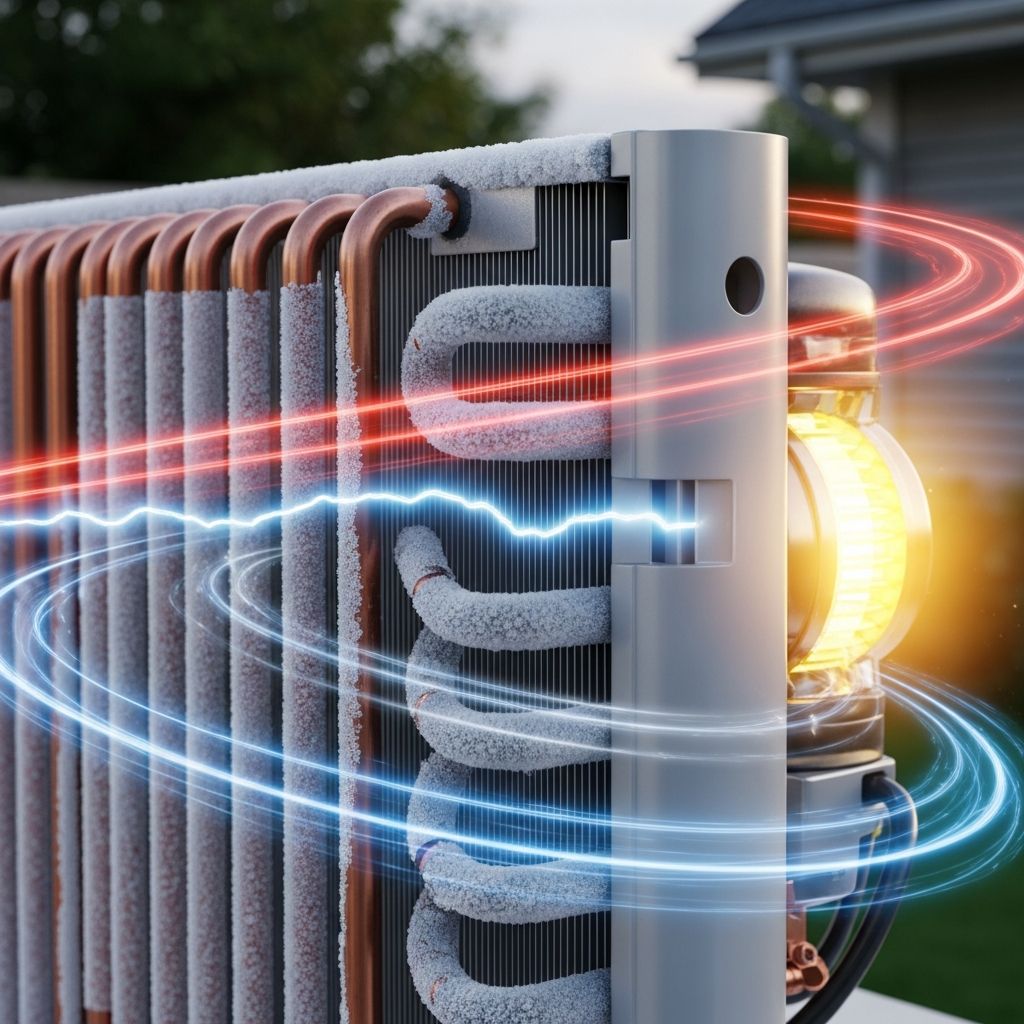
Why Your Air Conditioner Turns On and Off Frequently: Short Cycling Explained
When your air conditioner keeps turning on and off every few minutes, it is more than just an annoyance. This pattern, known as short cycling, points to an underlying problem that can drive up your energy bills, reduce comfort, and significantly shorten the life of your HVAC system. Understanding what short cycling is, why it happens, and how to fix it is essential for protecting both your home comfort and your investment in cooling equipment.
Table of Contents
- What Is AC Short Cycling?
- Why Short Cycling Is a Serious Problem
- Common Signs Your AC Is Short Cycling
- Major Causes of AC Short Cycling
- How to Diagnose Short Cycling at Home
- DIY Fixes and Maintenance Steps
- When to Call an HVAC Professional
- How to Prevent Short Cycling in the Future
- Frequently Asked Questions
- Conclusion
What Is AC Short Cycling?
Short cycling occurs when an air conditioner starts up, runs for only a brief period, and then shuts down before completing a normal cooling cycle, only to restart again shortly afterward. Typical AC cooling cycles last around 10 to 20 minutes, depending on outdoor temperature and system sizing. With short cycling, the system may run for less than 10 minutes, sometimes as little as 2 to 5 minutes, and repeat this pattern throughout the day.
This rapid on-off behavior usually means the system is either overheating, being shut down by a safety control, or quickly reaching and losing the thermostat setpoint because of sizing or control issues. Instead of operating steadily and efficiently, the unit spends most of its time starting up and shutting down, which is when it uses the most power and experiences the greatest mechanical stress.
Why Short Cycling Is a Serious Problem
Short cycling should never be ignored. Even if your home seems cool enough, the repeated starts and stops can quietly damage the system and waste energy. Key consequences include:
- Higher energy bills – Compressors draw the most current at startup. Frequent restarts mean the system consumes more energy than it would in longer, steady cycles.
- Increased wear and tear – Motors, compressors, contactors, and capacitors are all stressed every time the system starts. Rapid cycling accelerates mechanical and electrical wear, leading to more frequent and costly repairs.
- Poor temperature control – Because the system never runs long enough to stabilize indoor temperature, you may notice some rooms are too warm while others feel chilly.
- Inadequate humidity removal – Air conditioners need continuous run time to effectively remove moisture from the air. Short cycles cool the air quickly but do not dehumidify well, leaving your home cool yet clammy.
- Potential safety and reliability issues – Conditions that trigger short cycling, such as frozen coils, low refrigerant, or overheating, can progress into major system failures if not corrected.
Common Signs Your AC Is Short Cycling
Many homeowners first notice short cycling through sound or discomfort rather than by watching a clock. Typical indicators include:
- The outdoor unit or indoor blower turns on and off every few minutes.
- The system seems to run constantly, but always in short bursts instead of steady runs.
- Some rooms never reach the desired temperature, or temperatures fluctuate frequently.
- Indoor humidity feels high even when the thermostat shows the correct temperature.
- You hear the compressor start and stop repeatedly, sometimes accompanied by clicking from relays or contactors.
- Your energy bills are increasing without any clear change in weather or thermostat settings.
If you suspect short cycling, it is helpful to observe one or two complete cycles. Note how long the system runs before shutting off, how long it stays off, and whether it ever achieves a longer, steady cooling period.
Major Causes of AC Short Cycling
Short cycling is a symptom, not a single problem. Multiple issues can create the same behavior, ranging from simple maintenance tasks to serious mechanical or design faults. The most common causes include:
| Cause | How It Triggers Short Cycling | Typical Severity |
|---|---|---|
| Clogged air filter | Restricts airflow, causes overheating or coil icing, forcing the system to shut down early. | Low to medium; usually a simple DIY fix. |
| Low refrigerant / leak | Disrupts heat transfer, can cause pressure imbalances and coil freezing, leading to safety shutdowns. | High; requires professional repair. |
| Oversized AC unit | Cools space very quickly, reaches setpoint too fast, then restarts as temperature drifts. | High; often only solved by replacement. |
| Miscalibrated or poorly placed thermostat | Incorrect temperature readings cause the system to cycle rapidly on small changes. | Low to medium; often fixable with adjustments or replacement. |
| Frozen or dirty evaporator coil | Blocks airflow and heat absorption, pushing the system into repeated shutdowns as ice forms and melts. | Medium to high; may be maintenance or deeper issue. |
| Electrical or control problems | Faulty wiring, capacitors, relays, or control board interrupt normal run cycles. | Medium to high; professional diagnosis required. |
Clogged or Dirty Air Filter
A dirty air filter is one of the most common and easily fixable causes of short cycling. When the filter is clogged with dust, pet hair, and other debris, it restricts airflow through the system. Restricted airflow can cause the evaporator coil to get too cold and ice over, or it can make the system overheat. In either case, built-in safety controls may shut the system down prematurely. Once the unit cools or the ice partially melts, it restarts, and the cycle repeats.
Regularly inspecting and replacing filters is not only essential for indoor air quality but also critical for stable, efficient system operation.
Low Refrigerant Level or Refrigerant Leaks
Refrigerant is the working fluid that carries heat from inside your home to the outdoors. When refrigerant levels are low due to a leak or improper charging, pressure conditions inside the system change. This can lead to poor cooling performance, compressor overheating, or ice buildup on the evaporator coil. Pressure switches and safety controls may then shut the system down to prevent damage, causing it to restart after a short rest period.
Because refrigerant is a regulated substance and improper handling can damage the system, this is not a DIY repair. A qualified technician must locate the leak, repair it, and correctly recharge the system.
Oversized or Undersized Air Conditioner
System sizing has a major impact on cycle length. An oversized air conditioner has more capacity than your home actually needs. It cools the indoor air very quickly and satisfies the thermostat before the system has had time to circulate air thoroughly or remove enough humidity. As soon as the temperature drifts slightly upward, the thermostat calls again for cooling, and the system turns back on. This leads to frequent, short bursts of operation instead of longer, more efficient cycles.
An undersized unit is less likely to short cycle; it generally runs almost constantly while struggling to reach the set temperature. However, certain control or safety shutdowns can still create short bursts of operation in severely undersized or stressed systems.
Unfortunately, when short cycling is caused by improper sizing, there is usually no simple fix. Long-term resolution may require replacing the system with one correctly sized using a professional load calculation.
Miscalibrated, Faulty, or Poorly Located Thermostat
The thermostat is the control brain of your cooling system. If it is miscalibrated, malfunctioning, or placed in a poor location, it can cause short cycling even when the rest of the system is healthy.
- Miscalibration – The thermostat may think your home is at the set temperature when it is not, shutting off the system too early.
- Poor placement – If the thermostat is near a supply vent, in direct sunlight, near exterior doors, or in an unusually hot or cool hallway, it will sense temperatures that do not represent the rest of the house. This can lead to rapid on-off cycles.
- Electrical or sensor issues – Loose wiring, aging components, or failed internal sensors can cause intermittent operation.
Sometimes, relocating the thermostat or upgrading to a modern, properly calibrated model can significantly improve cycle length and comfort.
Frozen or Dirty Evaporator Coil
The evaporator coil, typically located inside the indoor air handler, is responsible for absorbing heat from your indoor air. If the coil is coated in dirt, dust, or microbial growth, or if it freezes over with ice, its ability to transfer heat is drastically reduced. As the coil becomes less effective, the system can overheat or experience abnormal pressure conditions, which frequently trigger short cycling.
Coil problems often stem from issues elsewhere in the system, such as restricted airflow, low refrigerant, or poor maintenance. While light dust can sometimes be addressed during routine maintenance, frozen or heavily fouled coils usually require professional cleaning and diagnosis.
Restricted Airflow in Ducts and Vents
Even with a clean filter, your system may struggle if the ductwork is blocked, undersized, or damaged. Common airflow restrictions include:
- Closed or blocked supply registers and return grilles.
- Furniture, rugs, or curtains covering vents.
- Ductwork that is crushed, kinked, or poorly sized.
- Significant dust buildup or debris inside ducts.
Restricted airflow can cause many of the same symptoms as a clogged filter: coil freezing, overheating, and safety shutoffs that appear as short cycling. Ensuring that vents are open and clear, and that duct issues are professionally addressed, helps the system operate within its designed airflow range.
Electrical or Control Problems
Short cycling is sometimes caused by electrical or control system faults rather than purely mechanical issues. Examples include:
- Failing capacitors that cannot reliably start the compressor or fan motors.
- Worn contactors that open or close intermittently.
- Loose or corroded wiring connections that break the control circuit.
- Malfunctioning control boards or low-pressure and high-pressure switches.
These problems typically require a trained technician with the tools and knowledge to safely test components, measure voltages, and replace failed parts. Because electrical issues can create safety hazards, they should not be handled by untrained homeowners.
How to Diagnose Short Cycling at Home
While only a licensed HVAC professional can fully diagnose and repair all causes, you can perform several simple checks to better understand what is happening and possibly resolve minor issues.
- Time the cycles – Use a watch or phone to track how long the system runs and how long it rests. Cycles consistently under 10 minutes that repeat frequently are strong evidence of short cycling.
- Check thermostat behavior – Watch the thermostat as the system cycles. Does it quickly flip between calling for cooling and reaching setpoint? Are there large temperature swings?
- Inspect vents and returns – Make sure all supply vents and return grilles are open and free from obstructions.
- Observe the outdoor unit – Look and listen for the compressor and fan stopping and starting rapidly, unusual noises, or signs of overheating.
The information you gather can help you decide whether simple maintenance is enough or whether professional service is needed.
DIY Fixes and Maintenance Steps
Some causes of short cycling are safe and practical for homeowners to address. Before calling for service, you can try these steps:
- Replace or clean the air filter
Check the filter at least once a month during heavy cooling season and replace it if it looks dirty. Many homes benefit from changing filters every 1 to 3 months. - Ensure vents and doors are open
Open all supply vents and avoid closing too many registers in unused rooms. Keep interior doors at least partially open to allow air to return to the system. - Adjust thermostat settings
Avoid setting very low temperatures during hot weather; extreme setpoints can push the system into stressful operation. Verify the thermostat is level if it is an older mechanical model and that its batteries are fresh if it is battery powered. - Check thermostat location
If the thermostat is directly in the sun or beneath a supply vent, consider whether relocating it would help. An HVAC professional can move it to a more central, representative location. - Gently clean around the outdoor unit
Remove leaves, grass, and debris from around the condenser so that air can flow freely. Do not block the sides or top of the unit with plants or objects.
If short cycling continues after these steps, the underlying cause is likely beyond simple homeowner maintenance.
When to Call an HVAC Professional
Professional help is strongly recommended if you notice any of the following along with short cycling:
- Ice buildup on the indoor coil or refrigerant lines.
- Hissing, bubbling, or oily residue that might indicate a refrigerant leak.
- Burning smells, loud buzzing, or clicking from electrical components.
- Visible damage to wiring, ducts, or the outdoor unit.
- Repeated tripping of breakers or fuses when the AC starts.
A qualified technician can measure refrigerant pressures, inspect electrical components, check airflow and duct sizing, and evaluate whether your system is properly matched to your home. Addressing short cycling early often prevents much more expensive failures later, such as compressor burnout.
How to Prevent Short Cycling in the Future
Preventing short cycling is largely about good system design and consistent maintenance. Key practices include:
- Schedule routine professional maintenance
Annual or semiannual tune-ups allow a technician to clean coils, verify refrigerant charge, test safety controls, and catch small problems before they cause short cycling. - Use high-quality, properly sized filters
Filters with very high resistance can restrict airflow if your system is not designed for them. Follow manufacturer recommendations and change filters regularly. - Ensure correct system sizing for replacements
When it is time to replace your AC, insist on a professional load calculation rather than relying on rules of thumb. Proper sizing reduces the risk of future short cycling and improves comfort and efficiency. - Protect the outdoor unit
Maintain clearance around the condenser and avoid enclosing it tightly with structures or thick vegetation. Good airflow helps keep pressures and temperatures within safe limits. - Monitor performance over time
Be attentive to changes in cycle length, comfort, humidity, and energy bills. Early attention to small deviations often prevents chronic short cycling.
Frequently Asked Questions
How long should a normal AC cycle last?
Under average summer conditions, a typical residential AC cycle often lasts between 10 and 20 minutes before the system shuts off after reaching the thermostat setpoint. Very short cycles under 10 minutes that repeat frequently can indicate short cycling, especially if comfort or humidity control is poor.
Is short cycling bad for my air conditioner?
Yes. Short cycling increases energy consumption, places extra stress on the compressor and electrical components, and often indicates underlying problems such as low refrigerant, airflow restrictions, or control issues. Left uncorrected, it can significantly reduce the life of your system and lead to costly repairs.
Can a dirty air filter really cause short cycling?
A dirty air filter can absolutely contribute to short cycling. By restricting airflow, it can cause the evaporator coil to freeze or the system to overheat. Safety switches may then shut the unit down early, after which it restarts once conditions temporarily improve. Replacing the filter is one of the easiest and most effective first steps in addressing short cycling.
Do I have to replace an oversized AC that is short cycling?
If your short cycling is primarily due to an oversized system, there is usually no perfect fix short of replacement. Some improvements, such as adjusting fan speeds, adding zoning, or using advanced thermostats, may help slightly in certain cases, but they rarely eliminate the core problem. The most reliable long-term solution is installing a correctly sized system.
Can a thermostat cause my AC to turn on and off frequently?
Yes. A miscalibrated, failing, or poorly located thermostat can cause rapid cycling by reacting to small or inaccurate temperature changes. Replacing an old or faulty thermostat and placing it in a central area away from drafts, sunlight, and vents often leads to more stable cycles.
Conclusion
Frequent on-off cycling in your air conditioner is more than a minor nuisance; it is a warning sign that something in the system is not operating as intended. Whether the cause is as simple as a clogged filter or as complex as improper sizing or refrigerant problems, short cycling reduces efficiency, strains components, and undermines comfort and humidity control.
Understanding the common causes of short cycling helps you take the right first steps, from checking filters and vents to observing thermostat behavior and cycle length. When basic maintenance does not resolve the issue, timely professional evaluation becomes crucial for protecting your equipment and preventing premature failure.
Thoughtful, informed management of your cooling system—proper maintenance, correct sizing, and attention to early warning signs—creates longer, steadier run cycles that deliver better comfort, lower costs, and a longer service life for your air conditioner.
Similar Articles





Read full bio of medha deb