
Why Your Ice Cream Is Not Freezing Properly in the Ice Cream Maker
Understand the real reasons homemade ice cream stays runny and fix freezing problems step by step.
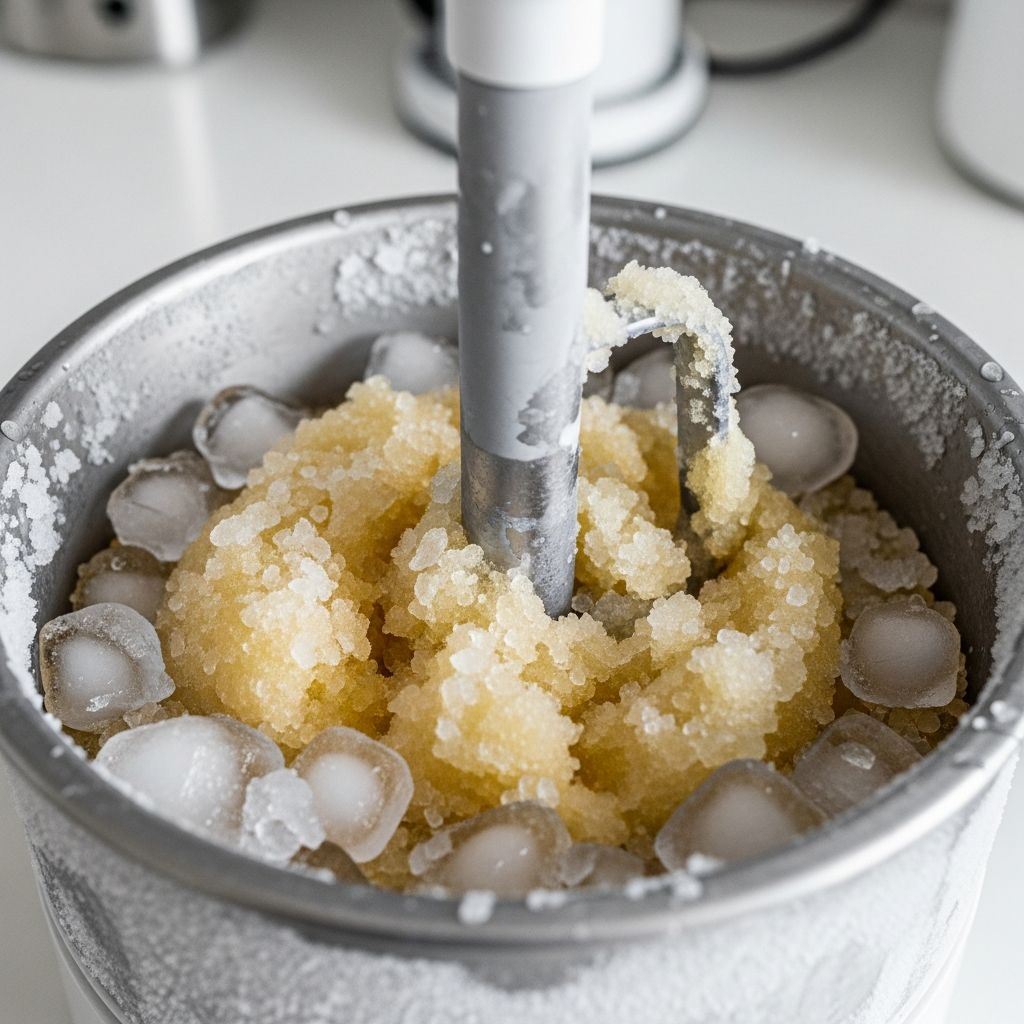
Homemade ice cream should come out of the machine thick, cold and spoonable, not soupy or slushy. When the mixture refuses to freeze properly, the problem is almost always a combination of temperature, recipe balance, and machine performance. Understanding how these factors work together will help you diagnose and fix freezing issues quickly.
Table of Contents
- How Ice Cream Freezes in a Home Ice Cream Maker
- Problem 1: The Ice Cream Mixture Is Too Warm
- Problem 2: Freezer Bowl or Machine Is Not Cold Enough
- Problem 3: Weak Freezing Power or Overloaded Machine
- Problem 4: Recipe and Ingredient Issues
- Problem 5: Mechanical and Setup Issues
- Problem 6: Room Temperature and Kitchen Environment
- Quick Diagnostic Checklist
- Best Practices to Prevent Freezing Problems
- Frequently Asked Questions (FAQs)
- Conclusion
How Ice Cream Freezes in a Home Ice Cream Maker
All ice cream makers, whether they use a pre-frozen bowl, salt and ice, or a built-in compressor, follow the same basic principle: they quickly remove heat from a cold mixture while churning it. Rapid cooling plus constant motion creates tiny ice crystals, giving ice cream a smooth, creamy texture instead of a hard, icy block.
For this process to work properly, three conditions must be met:
- Very cold equipment (bowl, cylinder, or compressor system)
- A well-chilled mixture (around refrigerator temperature, about 4 °C / 39 °F or colder)
- A balanced recipe with enough fat, sugar, and solids so it can freeze while staying scoopable
If any one of these is off, your ice cream may stay soft, freeze unevenly, or refuse to freeze at all.
Problem 1: The Ice Cream Mixture Is Too Warm
One of the most common reasons homemade ice cream will not freeze properly is that the base goes into the machine too warm. Domestic ice cream makers do not have the power to chill a warm or hot mixture down quickly enough before their cooling capacity is used up.
Why a Warm Mixture Causes Soupy Ice Cream
When you pour a tepid or room-temperature base into a pre-frozen bowl, the bowl warms up faster than it can freeze the mixture, so you end up with cold, flavored milk instead of aerated ice cream. The same problem happens in compressor machines: the compressor struggles to pull the temperature down, and churning continues while the mix remains semi-liquid, encouraging large ice crystals rather than a smooth freeze.
How Cold the Mixture Should Be
- Aim for refrigerator temperature: about 4 °C / 39 °F or lower before churning.
- Custard-style bases (with eggs) should be cooled completely after cooking, then chilled in the fridge for at least several hours or overnight.
- Non-custard bases (simple cream–milk–sugar mixtures) also benefit from several hours of chilling for both food safety and better texture.
How to Fix It
- Use an instant-read thermometer to confirm the base is at or below fridge temperature before churning.
- Chill the mixture in a shallow container to speed cooling, stirring occasionally.
- Never pour hot or warm custard directly into the ice cream maker; cool first at room temperature, then refrigerate fully.
Problem 2: Freezer Bowl or Machine Is Not Cold Enough
Another leading cause of poor freezing is insufficiently cold equipment. This affects both freezer-bowl style machines and compressor machines.
Freezer-Bowl Machines: Common Issues
Freezer bowls contain a liquid coolant sealed between their walls. That liquid must be completely frozen solid before you churn, or the bowl will lose its freezing power too quickly.
- Not frozen long enough: Most bowls need at least 12–24 hours in a freezer at about -18 °C / 0 °F or colder.
- Freezer too warm: If your freezer runs warmer than -18 °C / 0 °F, the liquid may never fully freeze and will slosh when you shake the bowl.
- Overfilled freezer or frequent door-opening can prevent the bowl from reaching a deep freeze.
How to Test a Freezer Bowl
- Gently shake the bowl: if you feel or hear liquid moving, the coolant is not completely frozen and the bowl needs more time.
- Touch the inner wall: it should be extremely cold, with no soft or slightly warm spots.
- Use a freezer thermometer to confirm your freezer is at or below -18 °C / 0 °F.
Compressor Machines: Cooling Performance Issues
Built-in freezer (compressor) machines pre-cool their metal bowl to a sub-zero temperature, usually at least around -15 °C / -26 °F. If the compressor is weak, the cooling system is damaged, or the machine is used incorrectly, the bowl may never get cold enough.
- Always pre-cool the bowl for about 10–20 minutes before adding the mix, following the manufacturer’s instructions.
- Do not stop and restart the machine unnecessarily; some compressors delay restarting after being switched off, allowing the mixture to warm quickly if you pause churning.
- If you recently transported or stored the machine on its side, allow it to stand upright for about 24 hours so coolant fluid settles back into the compressor.
At-a-Glance Temperature Guide
| Component | Target Temperature | Why It Matters |
|---|---|---|
| Ice cream base (before churning) | ≤ 4 °C / 39 °F | Gives the machine a head start and prevents warming the bowl. |
| Freezer bowl (home freezer) | ≈ -18 °C / 0 °F or colder | Ensures the coolant inside is fully frozen for maximum freezing power. |
| Compressor bowl (pre-cool) | ≈ -15 °C / -26 °F empty | Confirms the compressor is powerful enough to freeze the base. |
Problem 3: Weak Freezing Power or Overloaded Machine
Even when everything is cold, your machine may not have enough freezing power for the volume of mixture you are using. Domestic ice cream makers are limited in capacity and compressor strength compared with professional equipment.
Signs Your Machine Is Overloaded or Weak
- The ice cream remains soft and slushy even after 30–45 minutes of churning.
- The motor strains or slows but the mixture still is not thick.
- Multiple back-to-back batches cause subsequent batches to freeze poorly as the machine never fully recovers its cold temperature.
How to Help a Low-Power Machine
- Do not exceed the manufacturer’s recommended maximum fill level; leave room for expansion as air is incorporated.
- If making consecutive batches, allow the freezer bowl or compressor to fully re-chill between runs.
- Lower the starting temperature of the mix even more by chilling it thoroughly or briefly placing it in the freezer before churning (without letting it start to freeze at the edges).
- Ensure the condenser coils and vents on compressor machines are clean and unobstructed so they can release heat efficiently.
Problem 4: Recipe and Ingredient Issues
Even with a powerful, cold machine, an imbalanced recipe can make it difficult or nearly impossible for ice cream to freeze properly. Fat, sugar, and solids all affect the freezing point and texture.
Too Much Sugar or Alcohol
Sugar and alcohol both lower the freezing point of a mixture. If there is too much, the base may never become firm enough in a domestic machine.
- Very sweet bases or heavy use of liquid sweeteners (like honey or corn syrup) can keep ice cream unusually soft.
- Alcohol-based flavors (like rum raisin or liqueur-heavy recipes) can stay semi-liquid if too much alcohol is added.
Too Little Fat or Solids
Low-fat or very watery mixtures (for example, made mostly of skim milk or fruit juice) tend to freeze into hard, icy blocks rather than creamy ice cream, and can also churn as thin slush for a long time.
- Soft serve and traditional ice creams typically rely on a mix of cream, whole milk, and sometimes egg yolks for richness and stability.
- Fruit-heavy sorbets need sufficient sugar and sometimes stabilizers (such as a little corn syrup or pectin) to freeze smoothly.
How to Adjust a Problematic Recipe
- Check that your recipe comes from a trusted source tested for home ice cream makers.
- If the ice cream is too soft, reduce the sugar slightly in future batches or cut back on liquid sweeteners and alcohol.
- If the texture is icy and not freezing evenly, increase fat content slightly (more cream, less low-fat milk) or ensure sugar is fully dissolved.
- Avoid adding large frozen chunks (frozen fruit or candy) to the base before churning; add mix-ins only near the end, when the ice cream is already thick.
Problem 5: Mechanical and Setup Issues
Even with a good recipe and correct temperatures, mechanical or setup problems can stop ice cream from freezing properly.
Improper Assembly or Auger/Dasher Problems
The rotating paddle (dasher or auger) inside the freezing bowl keeps the mixture moving and scrapes frozen ice cream off the walls. If it is not installed or seated correctly, churning will be inefficient and freezing uneven.
- Make sure the paddle is locked fully into the drive shaft and does not slip while turning.
- Inspect the blades for wear; soft-serve and commercial machines can develop worn or misaligned blades that no longer scrape the barrel effectively, reducing freezing efficiency.
Dirty Condenser or Low Refrigerant (Compressor Machines)
In compressor-based soft-serve and home machines, poor refrigeration performance may be caused by dust-clogged condensers, low refrigerant, or a weak compressor.
- Clean dust and grease from condenser fins and vents regularly for efficient heat exchange.
- If the machine takes far longer than usual to freeze or never reaches low temperatures, professional service may be needed to check refrigerant level or compressor function.
Transport or Storage Orientation Issues
If a compressor ice cream maker is stored or moved on its side or upside down, coolant can drain away from the compressor, causing poor freezing performance until it settles back.
- After moving such a machine, allow it to stand upright for about 24 hours before use so the coolant returns to the right place.
Problem 6: Room Temperature and Kitchen Environment
Hot kitchens and poor ventilation also affect how well your ice cream freezes.
- Very high ambient temperatures force the machine to work harder and may prevent it from reaching low enough temperatures.
- Placing the machine near ovens, stoves, or in direct sunlight can warm the bowl and the mixture faster than the cooling system can compensate.
- Soft-serve machines used in high-demand, warm environments can overheat or show error codes related to temperature and motor overload if not allowed occasional rest and cleaning.
Quick Diagnostic Checklist
If your ice cream is not freezing properly, run through this checklist step by step:
- Is the mixture fully chilled to fridge temperature or lower before churning?
- Is the freezer bowl completely frozen (no sloshing, at least 12–24 hours at about -18 °C / 0 °F)?
- For compressor machines, did you pre-cool the bowl for long enough, and is the displayed temperature low (around -15 °C / -26 °F when empty)?
- Are you respecting the maximum fill level and not overloading the machine?
- Is your recipe balanced (not excessively sweet or alcoholic, with enough fat and solids)?
- Is the paddle correctly installed and scraping the sides effectively?
- Is the machine in a cool, well-ventilated location away from direct heat sources?
- Have you cleaned vents and condensers recently on compressor or soft-serve units?
Best Practices to Prevent Freezing Problems
Preventing issues is easier than rescuing a failed batch. These habits will help your ice cream freeze properly every time.
Before Churning
- Plan ahead so both the base and the equipment have enough time to chill thoroughly.
- Use a thermometer to confirm fridge and freezer temperatures are in the right range.
- Measure ingredients accurately and follow tried-and-tested recipes suited for home machines.
While Churning
- Start the machine immediately after pouring in the base, especially with freezer-bowl machines, to minimize bowl warming.
- Avoid pausing the machine mid-cycle, particularly with compressor units where the compressor may not restart right away.
- Add bulky mix-ins only in the last few minutes of churning, when the ice cream is already thick.
Between Batches
- Allow freezer bowls to refreeze completely before starting another batch; do not rely on partial freezing.
- Give compressor machines time to cool and rest if they feel hot to the touch or show error codes.
Frequently Asked Questions (FAQs)
Why is my ice cream still liquid after 30–40 minutes in the machine?
The most likely reasons are a mixture that was too warm when added, a freezer bowl that was not fully frozen, or a recipe that is too high in sugar or alcohol. Check your base temperature, bowl freezing time, and recipe balance first.
My freezer bowl feels cold. Could it still be the problem?
Yes. A bowl can feel cold yet still have unfrozen coolant inside. If you can feel liquid sloshing when you shake it, it is not fully frozen and will warm up too quickly to freeze the ice cream properly.
How long should I freeze my ice cream bowl?
Most manufacturers recommend freezing for at least 12 hours, but 18–24 hours in a freezer at or below -18 °C / 0 °F is safer, especially if your freezer is frequently opened or packed full.
Can I re-freeze and churn the same batch if it does not set?
If the mixture stayed cold but slushy, you can chill it thoroughly again and try churning once more with a fully frozen bowl. However, repeated partial freezing and thawing can damage texture, so it is better to diagnose and fix the underlying temperature or recipe problem first.
Why does my compressor ice cream maker get worse after I move it?
If the machine has been transported on its side or upside down, the coolant fluid may have drained away from the compressor. Standing the machine upright for about 24 hours before use allows the coolant to return, restoring freezing performance.
Conclusion
When ice cream will not freeze properly in the ice cream maker, the core issue almost always comes down to temperature, recipe balance, or machine performance. A mixture that starts too warm, a bowl or compressor that is not truly cold enough, or a recipe that bends the freezing point too far can all leave you with runny or slushy results.
By confirming that your base is fully chilled, your bowl or compressor reaches the correct low temperatures, and your recipe contains appropriate amounts of sugar, fat, and solids, you give your machine the conditions it needs to build tiny ice crystals and incorporate air efficiently. Matching the batch size to your machine’s capacity and keeping mechanical parts clean and correctly assembled further improves consistency.
With these checks and habits in place, troubleshooting becomes straightforward: adjust one factor at a time, observe the results, and refine your process. Over a few batches, you can turn frustrating, half-frozen attempts into reliably smooth, well-frozen homemade ice cream.
Similar Articles






Read full bio of Sneha Tete